

Table of Contents
About Limassol
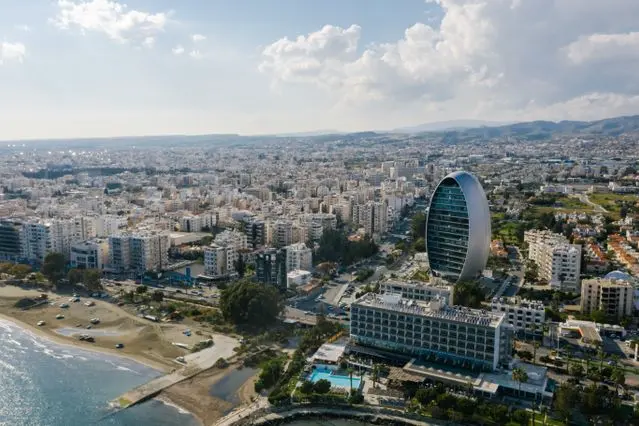
Limassol is Cyprus's largest city and its commercial and shipping hub, stretched along the south coast between two ancient Greek city-kingdoms, Amathus and Kourion. It has a dual identity: a compact, walkable old town built around a medieval castle, and a sprawling modern city of glass towers, a superyacht marina, and one of Cyprus's busiest ports.
Unlike Paphos, which leans heavily on myth and archaeology, Limassol functions as a genuine working city as much as a resort - home to Cyprus's shipping and financial sectors alongside its beaches and nightlife. It also sits at the foot of the Troodos Mountains and close to the island's main wine-producing villages, making it a natural base for combining coastal time with day trips inland.
Climate in Limassol
Limassol has a hot, dry Mediterranean climate with mild, wetter winters, similar to the rest of Cyprus's south coast but tempered slightly by sea breezes along the waterfront.
Summer (June–September)
Daytime highs typically reach 30–34°C (86–93°F), with long dry spells and very little rainfall from June through August. Sea temperatures are warm enough for swimming from May through November.
Winter (December–February)
Highs stay mild, generally 16–18°C (61–64°F), with most of the year's limited rainfall falling in these months. Snow is essentially unheard of at the coast, though the nearby Troodos Mountains see regular winter snowfall.
Spring and Autumn
April, May, October, and November bring comfortable temperatures in the low-to-mid 20s°C (70s°F) with minimal rain, widely considered the most pleasant months for sightseeing and hiking.

Getting to Limassol
Limassol doesn't have its own international airport, so most visitors arrive via one of Cyprus's two main airports and continue by road.
- Larnaca International Airport (LCA): Cyprus's main hub, about 60–70 km east of Limassol, roughly a 45-minute to one-hour drive via the A1/A5 motorway
- Paphos International Airport (PFO): around 65–70 km west of Limassol, also about an hour's drive, useful if traveling onward from the Paphos region
- Visa and entry: EU/EEA citizens can enter freely with a passport or national ID; many other nationalities, including the UK, US, Canada, and Australia, can visit visa-free for up to 90 days; travelers should enter only through the Republic of Cyprus's recognized ports
- Getting around: a rental car is useful for reaching Kourion, Kolossi Castle, and the wine villages, though the old town, marina, and seafront are easily walkable, and taxis and buses cover the wider city
Things to Do in Limassol
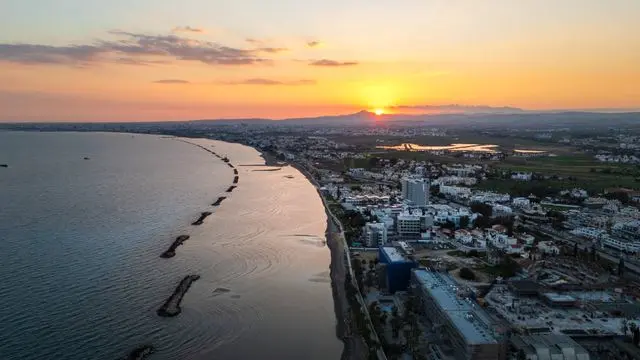
Limassol's sights range from a medieval castle to a modern superyacht marina, with a walkable old town tying them together.
Limassol Castle and Old Town
A medieval fortress said to be where Richard the Lionheart married Berengaria of Navarre in 1191, now home to the Cyprus Medieval Museum. The surrounding old town is a pedestrian-friendly maze of narrow streets, tavernas, and local shops.
Limassol Marina
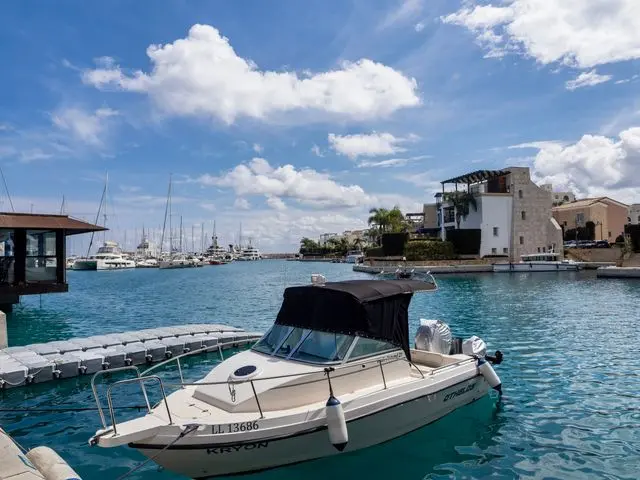
A modern waterfront development lined with restaurants, boutiques, and superyachts, connected to the Molos seafront promenade, which stretches along the coast with public art, gardens, and sea views.
Kourion Archaeological Site
A dramatic clifftop Greco-Roman city just west of Limassol, with a well-preserved amphitheater still used for performances, mosaic-floored villas, and sweeping Mediterranean views.
Kolossi Castle
A Crusader-era fortress a short drive west of the city, once a stronghold of the Knights of St. John and historically tied to Cyprus's wine-making traditions, including the sweet Commandaria wine.
Cyprus Historic and Classic Motor Museum
A large private collection of vintage cars and motorcycles in the old town, a popular stop for a change of pace from ruins and beaches.
Neighborhoods to Explore
Limassol spreads well beyond its historic core, with each area offering a different feel.
Old Town (around Limassol Castle)
The historic heart of the city, with narrow streets, traditional tavernas, and easy access to the castle and central market - the most atmospheric base for first-time visitors.
Marina and Molos Promenade
The modern waterfront district, home to upscale dining, boutique shopping, and the seafront walking path that runs along much of the city's coastline.
Potamos Germasogeias and Agios Tychonas
The main hotel strip east of the city center, lined with beach hotels, resorts, and a long stretch of organized beaches.
Germasogeia Village
An older village now absorbed into the city's eastern suburbs, known for its traditional tavernas away from the tourist strip.

Day Trips from Limassol
Limassol's central location on the south coast makes it a convenient base for exploring both the coastline and the Troodos wine region.
Troodos Mountains and Wine Villages
Villages like Omodos and Arsos sit within an hour's drive, offering family-run wineries, Commandaria tastings, and cooler mountain air, with hiking trails and Byzantine painted churches further into the range.
Choirokoitia
A UNESCO World Heritage Neolithic settlement dating back roughly 7,000–8,000 years, located a short drive northeast of Limassol.
Governor's Beach
A stretch of coastline east of the city known for pale chalk cliffs contrasting with dark sand, a favorite for a quieter beach day away from the main hotel strip.
Paphos and the Akamas Peninsula
Roughly an hour west of Limassol, Paphos's archaeological sites and the Akamas nature reserve make for an easy full-day excursion.
Food in Limassol
Limassol's dining scene ranges from harborside seafood to traditional Cypriot village cooking.
- Meze-style dining: a long parade of small dishes - halloumi, dips, grilled meats, and seafood - is the traditional way to eat and widely available across the city
- Marina and seafront restaurants offering upscale Mediterranean and international menus alongside fresh fish
- Old town tavernas serving classics like kleftiko (slow-cooked lamb), souvlaki, and moussaka
- Commandaria and other local wines, best sampled at tavernas or on a day trip to the nearby wine villages
Accommodation in Limassol
As Cyprus's largest city, Limassol offers the widest range of accommodation on the island, from beach resorts to city-center hotels.
- Beachfront hotels and resorts along the Potamos Germasogeias and Agios Tychonas strip east of the center, many with private beach access
- City-center and marina hotels for easy access to the old town, castle, and waterfront dining
- Boutique hotels in and around the old town for a quieter, more historic base
- Self-catering apartments throughout the city, popular with longer-stay visitors and business travelers

Festivals and Events
Limassol has a lively festival calendar that draws heavily on its wine-making and cultural traditions.
- Limassol Wine Festival: an annual late-summer celebration of Cypriot wine held in the municipal gardens, with tastings, food, and live music
- Limassol Carnival: a colorful pre-Lenten street festival with parades, costumes, and parties across the city
- Shakespeare at Kourion: open-air theater performances staged at the ancient Kourion amphitheater during the summer months

Best Time to Visit
Limassol works as a destination year-round, so the right time depends on whether beach weather or comfortable sightseeing matters more.
Summer (June–September)
Hot, dry, and reliably sunny, ideal for beach time and swimming, though also the busiest and most expensive season, with July and August the hottest months.
Shoulder Season (April–May, October–November)
Comfortable temperatures, thinner crowds, and lower prices, with enough sun for both city sightseeing and day trips inland.
Winter (December–March)
Mild by European standards, with most of the year's rain concentrated in these months, but still sunny enough for exploring, and close enough to the Troodos Mountains for a contrasting day of snow.
Frequently Asked Questions about Limassol
How many days do you need in Limassol? +
Two to three days covers the old town, castle, marina, and a day trip to Kourion and Kolossi Castle, while a longer stay allows time for the wine villages and a full beach vacation.
Do I need a visa to visit Limassol? +
EU/EEA citizens can enter with just a passport or ID card, and many other nationalities, including the UK, US, Canada, and Australia, can visit visa-free for up to 90 days; other nationalities should check current requirements with Cyprus's Ministry of Foreign Affairs.
Does Limassol have its own airport? +
No — Limassol is served by Larnaca International Airport to the east and Paphos International Airport to the west, both roughly an hour's drive from the city.
Do you need a car to visit Limassol? +
A car is useful for reaching Kourion, Kolossi Castle, and the wine villages, but the old town, marina, and main hotel strip are walkable or easily covered by local bus and taxi.
Is Limassol expensive? +
Limassol tends to run somewhat pricier than Paphos or Larnaca, particularly around the marina and upscale hotel strip, reflecting its role as Cyprus's business and finance hub, though budget options exist in the old town.
What's the best time of year to visit Limassol? +
April, May, October, and November offer the most comfortable temperatures and fewer crowds, while June through September is best for committed beach and swimming weather.
Is Limassol suitable for families? +
Yes — organized beaches, the Fasouri Watermania waterpark, and gentler sightseeing at Kourion and the castle all work well with kids, and the city's size means plenty of family-friendly dining options.
What else should I combine a Limassol visit with? +
Limassol pairs naturally with an inland day trip to the Troodos Mountains for wine tasting and hiking, or a coastal drive west to Paphos for its ruins and the Akamas Peninsula.