

Table of Contents
About Vilnius
Vilnius is the capital and largest city of Lithuania, sitting at the confluence of the Neris and Vilnia rivers in the country's southeast. First recorded in writing in 1323, it grew into the seat of the Grand Duchy of Lithuania and later a major center of Polish, Jewish, and Lithuanian culture, earning the nickname "Jerusalem of the North" for its historic Jewish community.
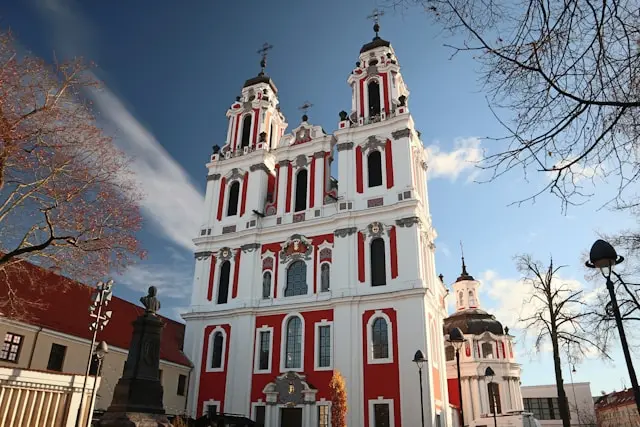
Its Old Town is one of the largest and best-preserved Baroque old towns in Europe, layered with Gothic, Renaissance, and Classical buildings and recognized as a UNESCO World Heritage Site. Beyond the postcard center, Vilnius is a compact, walkable, increasingly modern capital - a growing tech and startup scene sits alongside cobblestone courtyards, independent art spaces, and a self-declared "artists' republic" just across the river.

Climate and Best Time to Visit
Vilnius has a continental climate with warm summers and cold, often snowy winters. Late spring through early autumn (May to September) is the most comfortable stretch for sightseeing, with long daylight hours around the June summer solstice and outdoor cafés, festivals, and courtyard concerts filling the Old Town.
Winters run cold, frequently below freezing from December through February, but the city leans into it with Christmas markets, mulled wine, and snow-dusted rooftops that make the Old Town especially atmospheric. Shoulder months (April, October) bring fewer crowds and lower prices, though pack for rain and rapidly changing weather regardless of season.

Getting to Vilnius
Vilnius Airport (VNO) sits about 6 km south of the city center and is well connected within Europe. From the airport, a direct train reaches the main railway station in around 7–8 minutes, though service doesn't run late into the night. Bus 88 runs around the clock between the airport and central Vilnius, including stops near the edge of Old Town, and ride-hailing apps such as Bolt or Uber typically cost well under €15 into the center.
Vilnius Railway Station is a short walk from Old Town and connects to other Lithuanian cities as well as international routes. Long-distance coaches (Lux Express, Ecolines, FlixBus, and others) link Vilnius with Riga, Warsaw, Tallinn, and beyond, and are often a budget-friendly alternative to flying between Baltic capitals.
Getting Around Vilnius
Vilnius's Old Town is entirely walkable, and most major sights sit within a compact core you can cross on foot in under half an hour. For the rest of the city, an extensive bus and trolleybus network covers outlying districts; a single ticket bought via the Trafi app or by tapping a contactless bank card on board typically costs around €1–1.25, and multi-day passes are worth it for longer stays.
Bike- and scooter-share schemes operate widely in warmer months, and the city's flat core makes cycling a pleasant way to reach Užupis or the riverside paths along the Neris. Taxis and ride-hailing apps like Bolt are cheap and widely used for trips outside the walkable center or after public transit winds down at night.
Things to Do in Vilnius
Vilnius Old Town
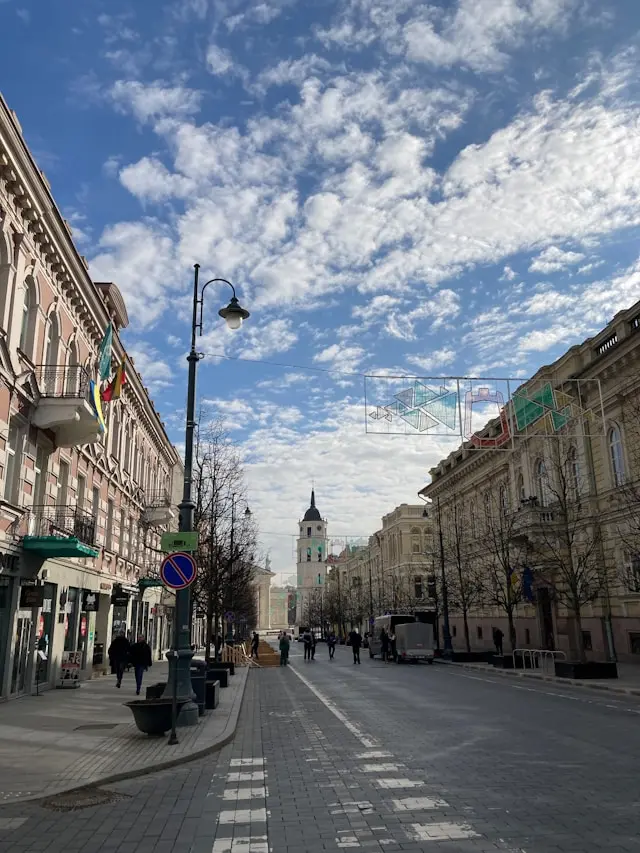
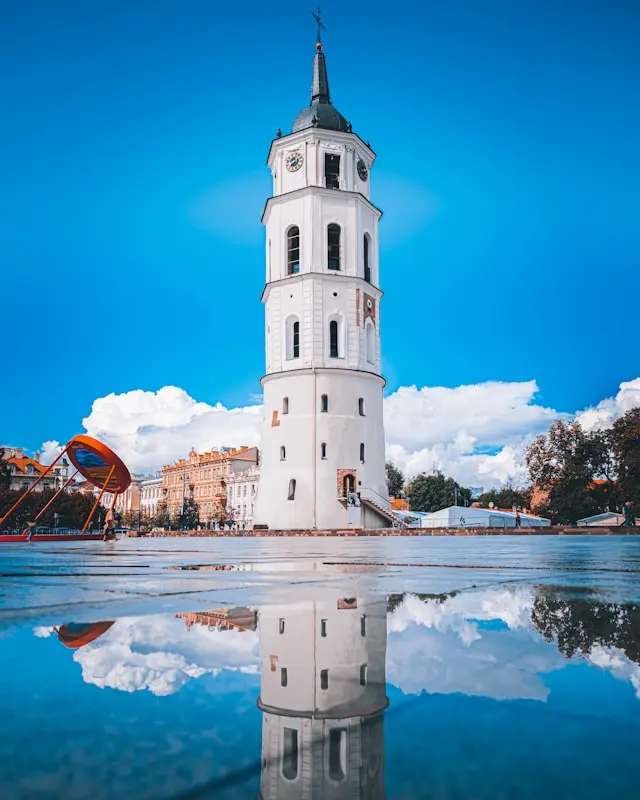
Wander the UNESCO-listed Old Town's tangle of cobbled lanes, hidden courtyards, and church spires, anchored by Cathedral Square, Gediminas Avenue, and the Gate of Dawn - a 16th-century city gate housing a revered icon of the Virgin Mary. Vilnius University's historic campus, with its interlocking courtyards dating to the 16th century, is worth stepping into even without a formal tour.
Gediminas Castle Tower
The red-brick tower atop Castle Hill is what remains of Vilnius's medieval upper castle and offers one of the best panoramic views over the Old Town's rooftops and church domes. A funicular runs up the hill for those who'd rather skip the short climb.
Užupis
Just across the Vilnia River, this former run-down district reinvented itself as a self-declared "independent republic" with its own tongue-in-cheek constitution, a thriving arts scene, galleries, and relaxed riverside cafés. It's an easy, atmospheric extension of an Old Town walk.
Museums and Memorials
The Museum of Occupations and Freedom Fights (housed in the former KGB headquarters) gives a sobering look at Soviet- and Nazi-era history, while the MO Museum offers contemporary Lithuanian art in a striking modern building. The Trakai Island Castle, though technically outside the city, is often paired with a Vilnius visit as a half-day trip.
Three Crosses Monument
Perched on a hill across the Neris from Old Town, this landmark commemorates martyred monks and offers another sweeping viewpoint over the city, especially rewarding at sunset.
Neighborhoods to Explore
Old Town (Senamiestis)
The historic heart of the city - churches, university buildings, restaurants, and most of the headline sights, best explored slowly and on foot.
Užupis
An artsy, bohemian district known for street art, small galleries, and a laid-back café culture; popular with creatives and increasingly with visitors looking for something less polished than the Old Town core.
Naujamiestis (New Town)
Just west of Old Town, this area mixes 19th- and 20th-century architecture with independent shops, bars, and the main railway and bus stations, making it a practical base for travelers who want walkable convenience without Old Town prices.
Žvėrynas
A leafy, mostly residential district across the Neris known for wooden houses and quiet streets - a good contrast to the historic center and popular for a riverside stroll.

Food and Drink in Vilnius
Lithuanian cuisine leans hearty and seasonal: expect potato-based dishes like cepelinai (stuffed potato dumplings), cold beetroot soup (šaltibarščiai) in warmer months, dark rye bread, and smoked meats and cheeses. Vilnius's dining scene has grown well beyond tradition, though, with a strong contemporary and Nordic-influenced restaurant scene, third-wave coffee shops, and a lively craft beer culture.
The Halės Market near Old Town is a good spot for local produce, cheeses, and quick bites, while Užupis and Naujamiestis both have concentrations of independent cafés and bars worth wandering into without a plan. Mead (midus) and Lithuanian craft beer are worth seeking out as regional specialties.
Day Trips from Vilnius
Trakai, about 28 km west of Vilnius, is the most popular day trip: a red-brick island castle set on a lake, easily reached by bus, train, or organized tour, and worth a half-day for the castle plus a lakeside walk or boat ride. Kernavė, Lithuania's former medieval capital and a UNESCO-listed archaeological site, makes for a quieter alternative with its mounded hillforts and river views.
For those with more time, Kaunas - Lithuania's second-largest city, with its own interwar modernist architecture and Old Town - is under two hours away by train or bus, and the Baltic coastal city of Klaipėda, gateway to the Curonian Spit's dunes and beaches, is reachable in around three to four hours for a longer excursion.

Where to Stay
Staying inside the Old Town puts you closest to major sights and the best concentration of restaurants and nightlife, though it comes at a premium and can be noisy in peak season. Naujamiestis offers a good middle ground - walkable to Old Town, close to the railway station, and generally better value.
Užupis suits travelers who want an artsy, slightly quieter base with easy access to the center on foot, while districts farther out (like Žvėrynas or areas near the airport) work well for longer stays, business travelers, or those prioritizing budget over central location, provided you're comfortable relying on buses or ride-hailing.
Budget and Costs
Vilnius remains one of the more affordable capitals in the EU, though prices have risen in recent years. A single public transport ticket runs around €1–1.25, a casual sit-down meal is often €10–15 per person, and museum entry typically falls in the €5–10 range. Coffee and pastries at Old Town cafés cost roughly in line with other European capitals, while food markets and neighborhoods outside the historic core offer noticeably better value.
Budget travelers can comfortably manage on €50–70 a day covering accommodation in a hostel or budget hotel, public transport, and modest dining, while mid-range travelers should budget upward from there for central hotels and full-service restaurants.
Practical Tips and Local Customs
- Lithuania uses the euro (EUR); cards are widely accepted, including on public transport, though small cash amounts are handy for markets and small vendors.
- Lithuania is part of the Schengen Area and the EU, so entry requirements follow standard Schengen rules for most nationalities - check current visa requirements before traveling if you're a non-EU citizen.
- Lithuanian is the official language; English is widely spoken in the city center, hotels, and among younger residents, though a few Lithuanian phrases are appreciated.
- Tipping around 10% at restaurants is common and appreciated but not strictly obligatory; rounding up is standard for taxis and casual service.
- Vilnius is generally very safe for visitors, with normal city precautions around busy transit hubs and nightlife areas being sufficient.
- Public transport tickets can be bought via the Trafi app or by tapping a contactless card directly on board - buying in advance isn't necessary for most visitors.

Frequently Asked Questions about Vilnius
How many days do you need in Vilnius? +
Two to three days covers the Old Town, Užupis, and a museum or two at a comfortable pace; add a day for a Trakai day trip if you want to see the island castle.
What is Vilnius known for? +
Vilnius is best known for its UNESCO-listed Baroque Old Town, the artsy self-declared republic of Užupis, and its role as a historic crossroads of Lithuanian, Polish, and Jewish culture.
Is Vilnius expensive? +
It's one of the more affordable capitals in the EU, though Old Town restaurants and central hotels cost more than neighborhoods just outside it; budgeting €50–70 a day covers a modest but comfortable trip.
Do you need a visa to visit Vilnius? +
Lithuania is part of the Schengen Area, so requirements follow standard Schengen rules; check current entry requirements for your nationality before you travel, since they can change.
Is Vilnius safe for tourists? +
Yes, Vilnius is generally considered very safe, with typical city-level caution around transit hubs and nightlife areas being enough for most visitors.
How do you get from the airport to the city center? +
The direct train takes about 7–8 minutes to the main railway station, bus 88 runs around the clock and takes roughly 15–20 minutes, and a Bolt or taxi typically costs under €15 and takes about 15 minutes.
What's the best time of year to visit Vilnius? +
Late spring through early autumn offers the most comfortable weather and long daylight hours, while December brings a festive Christmas market atmosphere for those who don't mind the cold.
Is Vilnius suitable for a first-time visit to the Baltics? +
Yes — its compact Old Town, easy transport connections to Riga and Tallinn, and manageable size make it a common starting point for a wider Baltic trip.
What should I pair a Vilnius visit with? +
Trakai Island Castle is the classic half-day pairing, while travelers with more time often combine Vilnius with Kaunas or a longer trip out to the coastal city of Klaipėda and the Curonian Spit.
Is Vilnius walkable? +
Very much so — the Old Town and Užupis are easily explored on foot, and even neighborhoods like Naujamiestis and Žvėrynas are a comfortable walk or short bus ride from the center.