
Table of Contents
Introduction
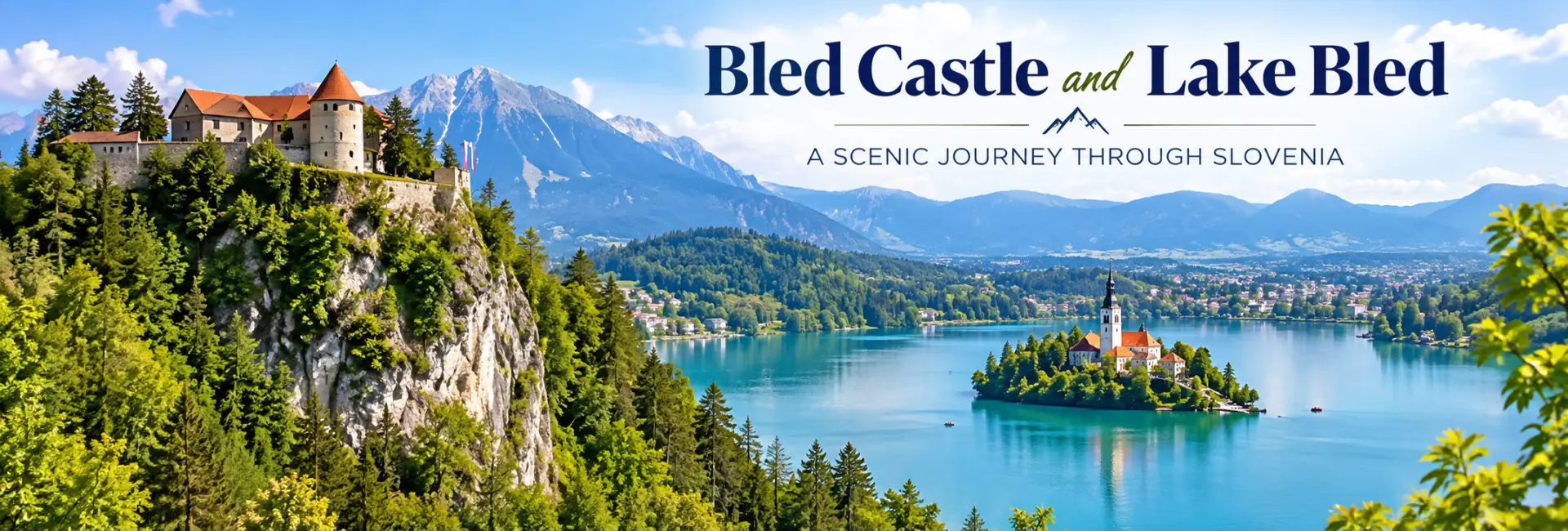
Some places look better in photographs than they do in person. Bled is the rare exception. Tucked into the foothills of the Julian Alps in northwestern Slovenia, Lake Bled pairs turquoise glacial water with a tiny island church and a medieval castle perched on a cliff above it all, and somehow the real thing outdoes every picture you've seen of it.
What makes Bled worth the trip isn't just the view from the shoreline. It's the layering of history, folklore, and everyday Slovenian life packed into a walkable area barely six kilometers around. You can climb to a thousand-year-old fortress before lunch, row out to an island chapel by early afternoon, and still have time to hike to a viewpoint before dinner. This guide walks through what to actually do at Bled Castle and Lake Bled, why they matter, and how to plan a visit that goes beyond the postcard shot.
The Story Behind Bled Castle
Bled Castle holds the title of the oldest castle in Slovenia, with its earliest written mention dating back to 1011, when German King Henry II granted the estate to Albuin, the Bishop of Brixen, as a reward for the bishop's political support. Historians believe a fortified structure already stood on the cliff before that record was written, which means the site's defensive history likely stretches back even further.
For much of the medieval period, the castle wasn't run by the bishops themselves but by their appointed knights and stewards, since the journey from Brixen to Bled took nearly a week on horseback and was considered genuinely dangerous. Ownership shifted repeatedly over the centuries. The Habsburgs took control after the bishopric's authority faded, and by the 15th century the Auersperg family had turned the castle into a stronghold for Slovenia's Protestant movement, a period that connects the castle to Primož Trubar, the writer credited with the first printed book in the Slovenian language.
The building took further hits from earthquakes, a peasant uprising, and a fire during the final stages of the Second World War that destroyed part of its roof and upper floors. What visitors see today is largely the product of a careful restoration carried out between 1952 and 1961, which brought the castle back to life as a museum and cultural venue rather than a private residence.
Inside Bled Castle – What You'll Actually See
Bled Castle sits roughly 130 meters above the lake, and getting there involves a steep but short climb of about fifteen minutes from the town below. The reward at the top is immediate: sweeping views over the lake, the island, the Julian Alps, and the Karavanke mountain range on a clear day.
The castle itself is arranged around two courtyards connected by a staircase, a layout that reflects its dual role as both a working estate and a defensive stronghold. The lower courtyard historically housed farm buildings and servants' quarters, while the upper courtyard held the residence used by feudal lords. Architecturally, it's a genuine mix of styles: Romanesque walls from the earliest construction phases sit alongside Renaissance-era buildings added during later renovations.
Key Attractions Inside the Castle Grounds
- A history museum tracing the story of Bled from prehistoric settlement to the present day
- A working printing press where staff demonstrate historic printing techniques
- A castle forge showing traditional blacksmithing
- A wine cellar producing and selling Bled Castle's own label
- A restaurant and terrace with panoramic lake views, popular for both meals and coffee breaks
Because the castle has functioned as a diplomatic meeting site throughout Slovenian and Yugoslav history, it carries a certain political weight beyond its tourist appeal, having hosted state visits and official gatherings at the highest levels for decades.
Lake Bled and Its Legendary Island
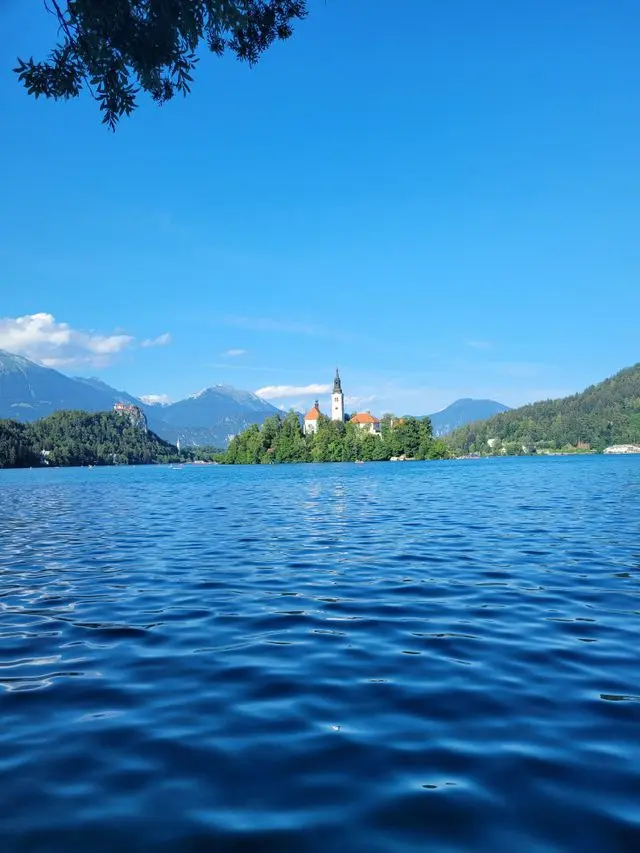
Lake Bled itself is a glacial lake, carved out during the last ice age and fed partly by thermal springs, which is part of why swimming here feels notably more comfortable than in most alpine lakes. At its center sits Slovenia's only natural island, a small tear-shaped landmass crowned by the Baroque Church of the Assumption.
The church in its current form dates to the late 17th century, though the site's religious use goes back much further, with some accounts tracing pilgrimage traditions to a pre-Christian shrine that once stood there. Inside, the church holds Gothic frescoes from around 1470 alongside a gilded Baroque altar, a striking combination given how much the building has been rebuilt and repaired over the centuries.
The 99 Steps and the Wishing Bell
Reaching the church means climbing a stone staircase of exactly 99 steps, built in 1655 and renovated in the early 2000s. Local tradition holds that a groom should carry his bride up all 99 steps on their wedding day without her making a sound, after which the couple rings the church bell together and makes a wish.
The bell itself has its own legend attached. According to folklore, a widow whose husband was killed by thieves tried to send a bell to the island church in his memory, only for the boat carrying it to sink in a storm. She later became a nun in Rome, and after her death the Pope arranged for a replacement bell to be sent in her honor. Ringing it is said to grant the wish of whoever pulls the rope, which explains why the sound of that bell carries across the water on almost any given afternoon.
Getting on the Water – Pletna Boats and Rowing
The island isn't connected to the mainland by any bridge, so getting there means boarding a boat. The traditional option is the pletna, a flat-bottomed wooden boat with a colorful canopy that resembles a cross between a gondola and a rowboat. The design traces back centuries, with some historians dating the earliest versions to the 16th century, though the modern oarsman's role was formally established in 1740 when Empress Maria Theresa granted a small number of local families the exclusive right to ferry pilgrims to the island.
That exclusivity still holds today. Pletna oarsmen, known as pletnarstvo, are typically descendants of those original families, and they propel the boats using a distinctive standing rowing technique with two oars rather than a single paddle. Each boat can carry a group of passengers, making it a practical option for families or small groups rather than just couples.
Alternatives to the Pletna
- Renting a rowboat and paddling to the island independently for those who want a quieter, self-guided trip
- Walking or cycling the roughly six-kilometer path that circles the entire lake, which offers constantly changing views of the castle and island
- Renting a stand-up paddleboard or kayak for exploring the water at your own pace, widely available from rental stands along the shore
Beyond the Lake – Vintgar Gorge and the Best Viewpoints
Bled rewards visitors who venture slightly beyond the lakeshore. Vintgar Gorge, about four kilometers northwest of town, is a 1.6-kilometer canyon carved by the Radovna River, with limestone walls rising as high as 100 meters in places. A wooden walkway, first built in 1893 and renovated several times since, threads along the river past pools, rapids, and a small bridge, ending at the Šum Waterfall, the largest river waterfall in Slovenia. The gorge is typically open from April through October or November, closing over winter, so it's worth checking current opening dates before planning a visit outside peak season.
For a different kind of view, several short hikes climb the hills on the lake's southwestern side. Ojstrica, a roughly 20-minute walk, offers the first classic panorama of the island and castle together. Continuing higher to Mala Osojnica and Velika Osojnica adds more climbing but delivers what's widely considered the single best photo angle of Bled, looking down over the entire lake with both landmarks in frame. The trails are unpaved and can get slippery when wet, so proper footwear matters more than it might seem from the modest hiking distance.
Best Time to Visit
Bled changes character noticeably with the seasons. Late spring through early autumn, roughly May to September, brings the warmest weather, the longest daylight hours, and the best conditions for swimming, hiking, and boating, but it's also when the town is busiest with tour groups and day-trippers from Ljubljana.
Shoulder season, particularly September and early October, tends to offer a good balance: mild weather, thinner crowds, and clearer air for photography. Winter transforms the lake into something closer to a fairy tale, with the island and castle occasionally dusted in snow, though the pletna boats generally stop running and some of the outdoor attractions, including Vintgar Gorge, close for the season.
- Spring (April–May): fewer crowds, blooming scenery, cooler water
- Summer (June–August): warmest weather, full services, peak crowds
- Autumn (September–October): comfortable temperatures, good light, thinning crowds
- Winter (November–March): quiet and atmospheric, but limited boat and gorge access
Practical Tips for Planning Your Trip
Bled sits about 55 kilometers from Ljubljana and roughly 33 kilometers from Ljubljana Jože Pučnik Airport, making it an easy day trip or a natural stopover for travelers heading toward Slovenia's coast. Buses and organized tours run regularly from the capital, and driving gives the most flexibility for combining Bled with nearby sights like Vintgar Gorge or the Julian Alps.
Before You Go
- Book castle entry tickets online in advance during peak summer months to avoid long queues at the base of the climb
- Wear comfortable shoes; both the walk up to the castle and the hike to the viewpoints involve uneven, sometimes steep terrain
- Bring cash as well as a card, since some boat operators and small vendors around the lake prefer cash payment
- Try the local cream cake, known as kremšnita, a layered custard and cream pastry that originated in Bled and is served at most cafés around the lake
- Confirm current opening hours and ticket prices for the castle and Vintgar Gorge before your visit, since these details are periodically updated
Conclusion
Bled Castle and Lake Bled work as a pair precisely because neither one is the full story on its own. The castle gives Bled its sense of history and drama, perched above the water like it's been standing guard for a thousand years, while the lake and its island add the folklore, the ritual of the wishing bell, and the simple pleasure of being rowed across still water on a quiet afternoon.
Whether you have a single afternoon or a few unhurried days, Bled rewards slowing down. Climb the castle steps, ring the bell on the island, and if you have the time, walk up to one of the hillside viewpoints to see the whole scene laid out below you. It's a small corner of Slovenia, but it's easy to understand why it keeps pulling travelers back.
Frequently Asked Questions
Is Bled Castle worth visiting? +
Yes, it's one of Slovenia's most visited attractions, offering the country's oldest castle, a small history museum, and panoramic views over Lake Bled that are difficult to match from anywhere else in town.
How do you get to Bled Island? +
Most visitors reach the island by a traditional pletna boat, a wooden rowboat operated by licensed local oarsmen, though renting your own rowboat or kayak is also possible for a more independent visit.
How long does it take to climb to Bled Castle? +
The walk up from the town center takes roughly 15 minutes, though it's a fairly steep climb, so comfortable walking shoes make a real difference.
What are the 99 steps on Bled Island? +
They're a Baroque stone staircase built in 1655 leading up to the Church of the Assumption, tied to a local tradition where grooms carry their brides up all 99 steps on their wedding day before ringing the church's wishing bell.
Is Lake Bled good for swimming? +
Yes, the lake is popular for swimming in the warmer months, and because it's partly fed by thermal springs, the water tends to be milder than typical alpine lakes of similar size.
How far is Bled from Ljubljana? +
Bled is about 55 kilometers from Ljubljana and around 33 kilometers from Ljubljana Jože Pučnik Airport, making it an easy day trip or a convenient stop on the way to Slovenia's coast.
Is Vintgar Gorge worth combining with a Bled visit? +
It's a popular add-on for good reason: the gorge sits only about four kilometers from Bled and features a scenic wooden walkway along a river canyon, though it's typically only open from spring through autumn.
What is the best time of year to visit Bled? +
Late spring through early autumn offers the warmest weather and full access to boats and hiking trails, while September and early October provide a good balance of mild weather and smaller crowds.
What food is Bled known for? +
Bled is best known for kremšnita, a layered cream and custard cake that originated in the town and is served at cafés throughout the lakefront, often alongside a view of the castle or island.
