Table of Contents
Why Visit Europe
Few places on Earth pack this much diversity into so small an area. In Europe, you can cross a border and find yourself in a new language, currency, and culture within hours. It's a continent built for curious travelers - rich in history, art, architecture, and food, with excellent infrastructure that makes independent travel easy even for first-timers.
Best Time to Go
- Spring (April–June): Mild weather, blooming landscapes, fewer crowds than summer.
- Summer (July–August): Peak season - long days, lively festivals, but hot temperatures and heavy tourist traffic.
- Autumn (September–October): Arguably the sweet spot - comfortable weather, harvest season, and thinner crowds.
- Winter (November–March): Ideal for Christmas markets, skiing in the Alps, and budget-friendly city breaks.
Top Destinations
Western Europe
- Paris, France - The Eiffel Tower, the Louvre, and unbeatable café culture.
- Amsterdam, Netherlands - Canals, cycling, and world-class museums.
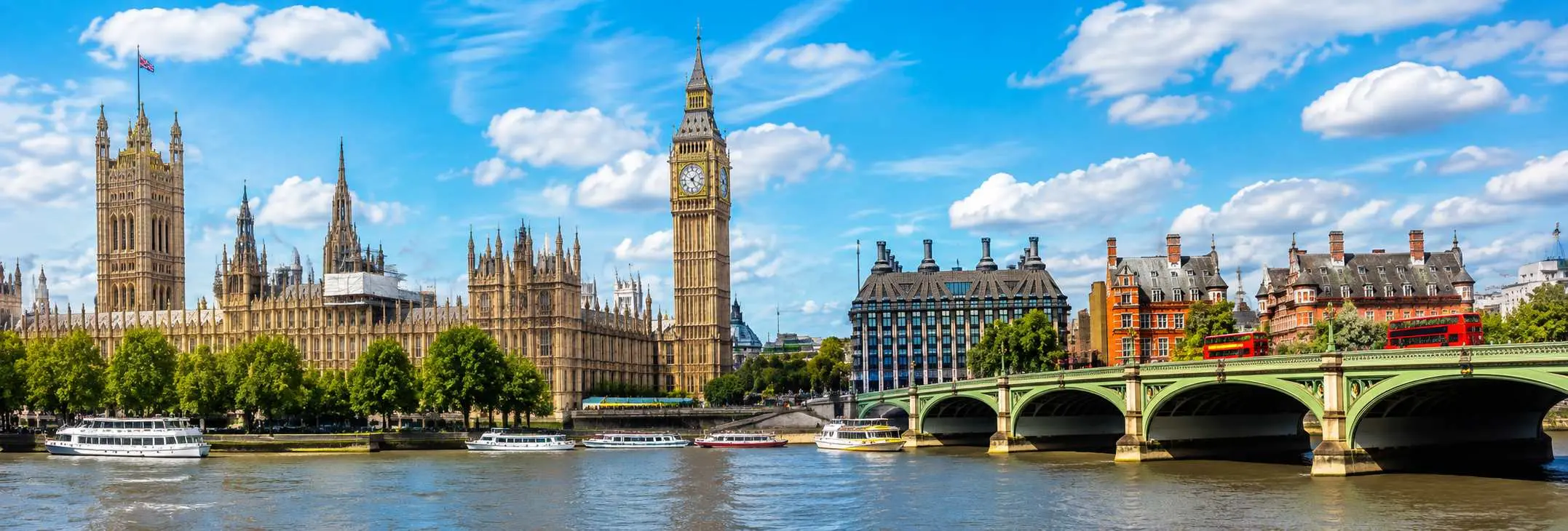
- London, United Kingdom - History, theatre, and a buzzing food scene.
Southern Europe
- Rome, Italy - Ancient ruins alongside vibrant modern life.
- Barcelona, Spain - Gaudí's architecture and lively beaches.
- Santorini, Greece - Whitewashed villages and dramatic sunsets.
Central Europe
- Prague, Czech Republic - Fairy-tale architecture and affordable charm.
- Vienna, Austria - Imperial palaces and a rich classical music heritage.
- Budapest, Hungary - Thermal baths and stunning Danube views.
Northern Europe
- Reykjavik, Iceland - Gateway to waterfalls, glaciers, and the Northern Lights.
- Copenhagen, Denmark - Hygge culture and sleek Scandinavian design.
- Stockholm, Sweden - Island-hopping in the heart of the city.
Eastern Europe
- Krakow, Poland - Medieval old town and poignant history.
- Dubrovnik, Croatia - Adriatic coastline and Game of Thrones fame.
- Tbilisi, Georgia - An emerging destination blending Europe and Asia.
Getting Around
Europe's transport network is one of its biggest advantages for travelers:
- Trains - Fast, scenic, and often more convenient than flying for shorter distances. Consider a Eurail Pass if visiting multiple countries.
- Budget airlines - Carriers like Ryanair and easyJet make hopping between countries cheap, though watch baggage fees.
- Buses - A budget-friendly option for longer or less-connected routes.
- City transit - Most major cities have excellent metro, tram, and bike-share systems.
Where to Stay
- Hostels - Great for solo travelers and budget trips, many now offer private rooms too.
- Boutique hotels - A good mid-range option for comfort with local character.
- Apartments - Ideal for longer stays or groups wanting a kitchen and more space.
- Agriturismos & guesthouses - Perfect for a slower, countryside experience, especially in Italy and France.
Budgeting Tips
- Travel in shoulder season (spring/autumn) for better prices and fewer crowds.
- Cook some meals or eat where locals eat, away from major tourist squares.
- Book trains and flights early - prices climb fast closer to departure.
- City tourist cards often bundle transit and museum entry at a discount.
Food & Drink Highlights
- France - Croissants, cheese boards, and fine wine.
- Italy - Regional pastas, gelato, and espresso culture.
- Spain - Tapas, paella, and late-night dining.
- Germany - Hearty sausages, pretzels, and beer gardens.
- Greece - Fresh seafood, olive oil, and moussaka.
Packing Essentials
- Comfortable walking shoes (cobblestones are charming, not always shoe-friendly)
- A universal power adapter
- A lightweight rain jacket
- A reusable water bottle (many cities have public fountains)
- A daypack for city exploring
Sample 2-Week Itinerary
- Days 1–3: Paris, France
- Days 4–5: Amsterdam, Netherlands (via train)
- Days 6–8: Prague, Czech Republic (via train or short flight)
- Days 9–11: Vienna, Austria
- Days 12–14: Rome, Italy (via flight)
Final Tips
- Learn a few basic phrases in the local language - it goes a long way.
- Validate train and bus tickets where required (rules vary by country).
- Keep digital and physical copies of important documents.
- Slow down where you can - Europe rewards travelers who linger rather than rush.
FAQ
What is the cheapest way to travel between European countries? +
Budget airlines and trains are generally the most affordable options. Booking well in advance, traveling during shoulder season, and using rail passes like the Eurail Pass can significantly cut costs, especially if you're visiting multiple countries.
Do I need a visa to travel around Europe? +
It depends on your nationality. Many countries in Europe are part of the Schengen Area, which allows visa-free travel between member countries for up to 90 days for citizens of many nations. Always check the specific entry requirements for your passport before you go.
How many countries can I realistically visit in two weeks? +
For a comfortable pace without constant packing and unpacking, 3 to 5 countries is realistic in two weeks. Trying to cover more can leave you spending most of your trip in transit rather than exploring.
Is Europe expensive to travel in? +
Costs vary widely by region. Western and Northern Europe (like France, Switzerland, and Scandinavia) tend to be pricier, while Central and Eastern Europe (like Poland, Hungary, and the Balkans) are generally much more budget-friendly.
What's the best way to get around within a European city? +
Most major European cities have excellent public transit, including metros, trams, and buses. Many cities are also very walkable, and bike-share programs are widely available, making it easy to explore without renting a car.