

Table of Contents
About Kotor
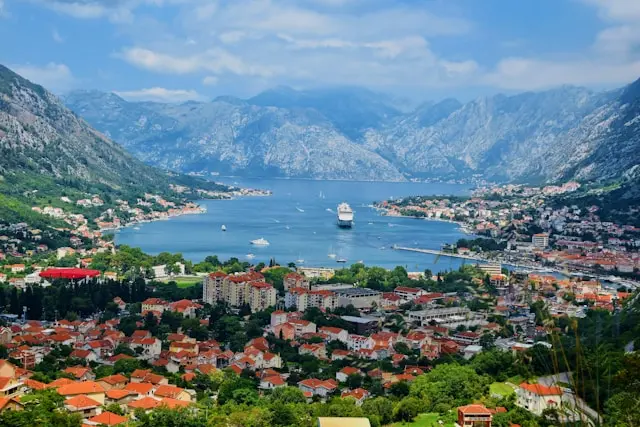
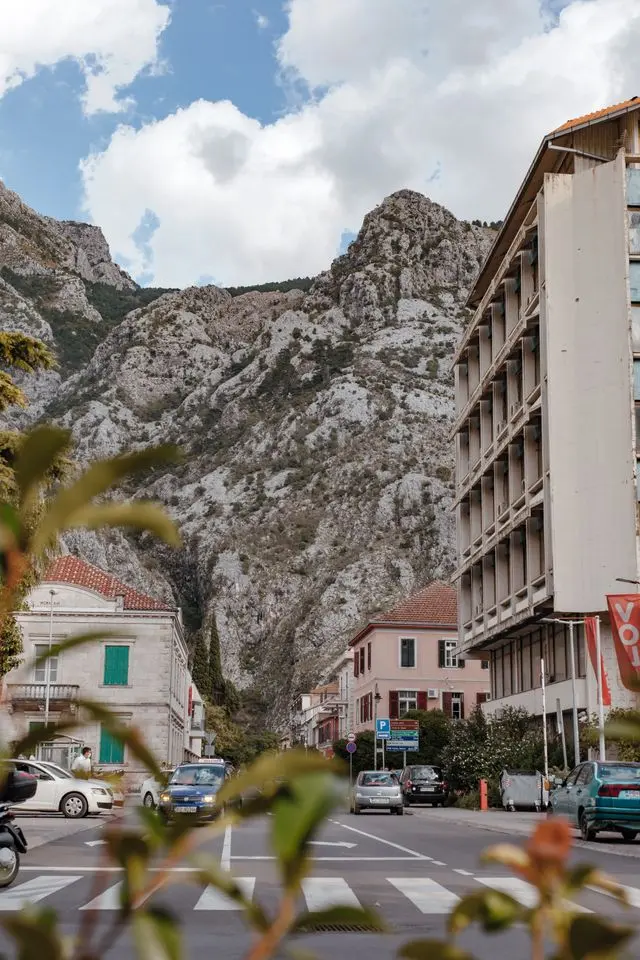
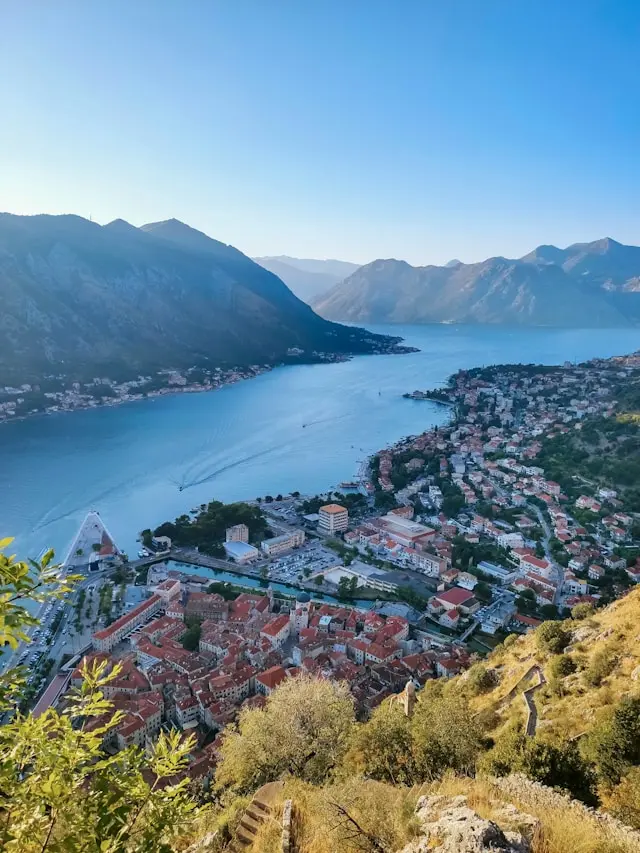
Kotor sits at the innermost point of the Bay of Kotor, a winding inlet on Montenegro's Adriatic coast so dramatic it's often mistaken for a fjord, even though it was carved by a river canyon rather than glaciers. The town's walled Old Town is a maze of marble-paved lanes, Venetian palaces, and Catholic and Orthodox churches packed onto a small triangle of land between the water and the base of Mount Lovćen, whose slopes rise almost straight up behind the rooftops.
Kotor's Old Town and the surrounding bay are protected as a UNESCO World Heritage Site, and it's easy to see why: few places in Europe pack medieval architecture, mountain scenery, and open water into such a compact space. The town can feel overwhelmed by cruise-ship crowds on peak summer days, but early mornings, evenings, and the shoulder seasons still deliver the quiet, cinematic version of Kotor that put it on the map.
Getting to Kotor
By Air
Tivat Airport (TIV) is the closest airport, only about 8 km from Kotor and roughly a 15-to-20-minute taxi ride. It's small but handles a growing number of seasonal charter and budget flights from across Europe in summer. Podgorica Airport (TGD), Montenegro's main international gateway, is about 90 km away (around 1.5 hours by road) and tends to have more year-round scheduled connections. Dubrovnik Airport (DBV) in neighboring Croatia is a popular alternative, roughly 2 to 2.5 hours away by car including the border crossing.
By Bus
Kotor's bus station is a short walk from the Old Town walls, with frequent connections to Budva (about 30 minutes), Podgorica (around 2 hours), Herceg Novi, and cross-border routes to Dubrovnik (roughly 2.5 to 4 hours depending on the border queue). Buses are inexpensive and a common way to reach Kotor without a car.
By Car
Driving the coastal road around the Bay of Kotor is one of the most scenic drives in the Balkans, hugging the water beneath steep mountainsides. The Kamenari-Lepetane car ferry across the bay's narrows is a popular shortcut that saves about 30 minutes compared to driving all the way around. Renting a car is worthwhile for exploring beyond Kotor, but the Old Town itself is pedestrian-only, so plan to park outside the walls.
By Cruise Ship
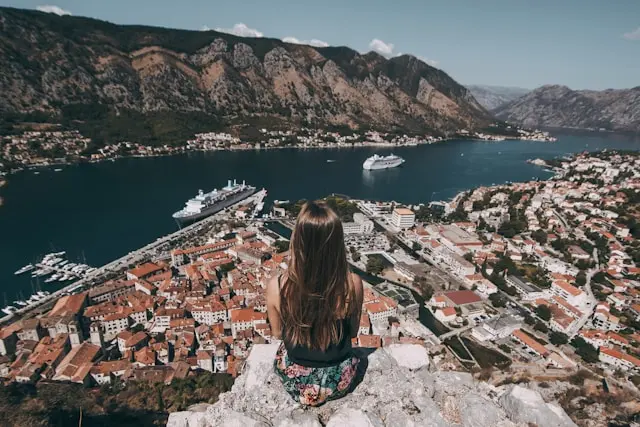
Kotor is a major Adriatic cruise port, with ships typically docking within walking distance of the Old Town. Cruise days (commonly Tuesday through Saturday in high season) bring a sharp spike in foot traffic, so visiting the Old Town before mid-morning or after the ships depart makes for a noticeably calmer experience.

Getting Around Kotor
The Old Town itself is entirely pedestrian, and its narrow streets are best explored on foot, with no real alternative given the lack of vehicle access. Comfortable, closed-toe shoes are worth packing since the marble streets get slippery when wet.
Beyond the walls, a local bus network (sometimes referred to as the Blue Line) connects Kotor with Bay towns like Dobrota, Perast, and Tivat, though schedules can run loosely, so it's worth allowing extra time. Taxis and ride-hailing apps operate around town and are a reliable option for reaching the airport or nearby villages. For visiting several bay towns in a day, renting a car or scooter gives the most flexibility, since the road hugging the bay connects everything in a single scenic loop.
Things to Do in Kotor
Old Town Landmarks
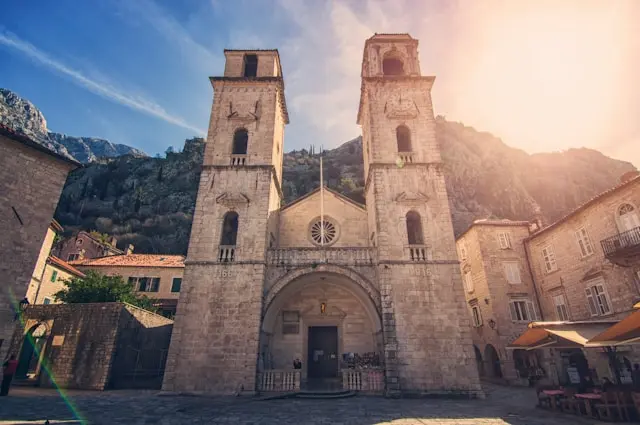
The Cathedral of Saint Tryphon, consecrated in 1166, anchors the Old Town with its twin bell towers and houses a treasury of religious relics and artwork. Nearby, the Maritime Museum of Montenegro traces the town's seafaring history through model ships, uniforms, and weaponry inside a restored baroque palace. St. Luke's Church, a small stone chapel that has hosted both Catholic and Orthodox services since the 13th century, is a quieter counterpoint to the cathedral.
Climb to San Giovanni Fortress
A roughly 1,200-step trail zigzags up the hillside behind the Old Town to the ruins of San Giovanni (St. John's) Fortress, part of the fortifications ringing Kotor. The climb is steep and best tackled in the early morning or late afternoon to avoid the midday heat, but the payoff is a sweeping view over the town's terracotta roofs and the full curve of the bay.
Explore the Bay by Boat
Boat trips from Kotor's harbor head out to Our Lady of the Rocks, an artificial islet near Perast built up around a small church, and to the Blue Cave, a sea cavern where sunlight turns the water a striking electric blue. Half-day and sunset cruises around the bay are widely available from operators along the waterfront.
Cat-Spotting and Local Culture
Kotor is famously full of cats, considered a symbol of the town, and even has a small Cats Museum tucked into the Old Town streets. Wandering without a fixed plan, ducking into small squares and courtyards, is one of the best ways to experience the town's character.
Neighborhoods and Towns Around the Bay
Old Town (Stari Grad)
The walled historic core is where most sightseeing happens: narrow lanes, main squares, churches, and the bulk of Kotor's restaurants and shops. It's compact enough to cross on foot in about 15 minutes, though it rewards slower wandering.
Dobrota
Just north of the Old Town along the bay, Dobrota is a quieter, more residential stretch of waterfront known for grand 18th-century sea captains' houses. It makes a pleasant, less touristy base within easy reach of central Kotor.
Perast
A small baroque town about 12 km around the bay from Kotor, Perast is the departure point for boats to Our Lady of the Rocks and is known for its cluster of former sea captains' palaces and its own small waterfront promenade.
Muo and Prčanj
Further along the bay's western shore, Muo and Prčanj are low-key fishing and residential villages with waterfront churches and a slower pace, popular with visitors looking to stay near Kotor without the Old Town's crowds.
Food in Kotor
Kotor's food culture blends Adriatic seafood with the meat-and-dairy-heavy cooking of the mountainous Montenegrin interior. Freshly caught fish and shellfish, including the bay's own mussels and oysters, feature heavily on Old Town menus, often grilled simply with olive oil and herbs.
Njeguški pršut, an air-dried smoked ham from the nearby village of Njeguši, and Njeguški sir, a hard cheese from the same area, are regional specialties worth seeking out, often served together as a starter. Black risotto (crni rižot), made with cuttlefish ink, is a signature Bay of Kotor dish, and burek, a flaky filled pastry, is a common quick breakfast or snack.
- Try mussels "na buzaru," steamed in white wine, garlic, and tomato
- Pair meals with local wine from the Vranac or Krstač grapes
- Look for family-run konobas (taverns) just outside the busiest squares for better value
- Finish with rožata, a Montenegrin custard dessert similar to crème caramel

Where to Stay in Kotor
Staying inside the Old Town walls puts everything within walking distance and means experiencing Kotor's atmosphere after the day-trippers and cruise crowds leave, though rooms tend to be smaller, pricier, and can carry some noise from nightlife in summer.
Dobrota and Muo, just outside the walls, offer a calmer base with sea views and easy access to the Old Town on foot or by short taxi ride, often at a lower price than staying inside the fortifications. For travelers who don't mind a short drive, Perast offers a more tranquil, scenic alternative, while staying near Tivat can work well for those prioritizing airport convenience over proximity to the Old Town.
Day Trips from Kotor
Perast and Our Lady of the Rocks
A short drive or boat ride from Kotor, Perast pairs a walkable historic waterfront with the boat trip out to Our Lady of the Rocks, making it an easy half-day outing.
Lovćen National Park
The road up to Lovćen National Park climbs a famous series of switchbacks above Kotor, leading to Njegoš Mausoleum at the summit and panoramic views back down over the entire bay.
Budva
About 30 minutes south along the coast, Budva combines its own walled old town with Montenegro's liveliest beach and nightlife scene, a contrast to Kotor's quieter, more historic character.
Ostrog Monastery
A striking Orthodox monastery built into a sheer cliff face in the Montenegrin interior, Ostrog is a significant pilgrimage site and a striking day trip for those willing to make the roughly 2-hour drive.
Dubrovnik, Croatia
Dubrovnik's own walled old town is reachable in about 2 to 2.5 hours by car, including the border crossing, making it a feasible (if long) day trip for visitors keen to compare the two Adriatic cities.

Best Time to Visit Kotor
Late spring (April to June) and early autumn (September to October) offer the best balance of warm weather, manageable crowds, and lower prices, with comfortable temperatures for both sightseeing and boat trips. July and August bring the hottest weather, the busiest cruise-ship traffic, and the highest accommodation prices.
Winters are mild by regional standards but quiet, with many waterfront restaurants and tour operators scaling back or closing, so it's a better fit for travelers prioritizing peace and low costs over open attractions and boat trips.
Safety and Practical Tips
- Kotor is generally very safe, with petty theft in crowded tourist areas the main practical concern
- Montenegro uses the euro despite not being an EU member, and cash is still preferred at many small konobas and shops
- Citizens of the US, UK, EU, and many other countries can visit visa-free for up to 90 days within a 180-day period; check current requirements for your passport before traveling
- Montenegro is not part of the Schengen Area, so time spent there doesn't count against a separate Schengen allowance
- The Old Town's marble streets become slippery when wet, so sturdy footwear is worth packing
- Dress modestly (covered shoulders and knees) when visiting churches and the cathedral
- Travel insurance with medical coverage is strongly recommended, since public healthcare facilities have limited capacity and serious cases are often transferred to Podgorica
Budget and Costs in Kotor
Kotor remains inexpensive by Western European standards, though prices have risen with tourism growth in recent years. Budget travelers can manage on a modest daily amount by staying in guesthouses, eating at local konobas, and sticking to free Old Town wandering and hikes. Mid-range travelers spending on hotels, sit-down seafood dinners, and a boat tour or two will pay noticeably more, especially in July and August.
- Accommodation is cheapest outside the Old Town walls, in Dobrota or Muo
- A sit-down seafood meal costs meaningfully more than a bakery lunch or grilled-meat street food
- Bay boat tours and the San Giovanni Fortress climb (which has an entry fee) are worth budgeting for separately, as they're the main paid experiences beyond accommodation and food
- Prices spike noticeably in peak summer and around cruise-heavy days, so shoulder-season travel stretches a budget further

Frequently Asked Questions about Kotor
How many days do you need in Kotor? +
Two to three days is enough to explore the Old Town at a relaxed pace, climb to San Giovanni Fortress, and fit in a boat trip or a day trip to Perast, though a longer stay allows time for Lovćen National Park or Budva as well.
What is the best time of year to visit Kotor? +
Late April through June and September through October offer warm weather with fewer crowds and lower prices than the peak of July and August, when cruise traffic and heat are both at their highest.
Is Kotor expensive to visit? +
Kotor is generally affordable by Western European standards, though prices rise sharply in peak summer; staying just outside the Old Town walls and eating at local konobas helps stretch a budget further.
Do I need a visa to visit Kotor? +
Travelers from the US, UK, EU, and many other countries can enter Montenegro visa-free for up to 90 days within a 180-day period, but requirements vary by nationality, so it's worth checking current rules before booking.
Is Kotor safe for visitors? +
Yes, Kotor is considered very safe, with petty theft in crowded areas the main practical concern rather than any serious safety risk.
How do you get around Kotor without a car? +
The Old Town is entirely pedestrian, and buses, taxis, and ride-hailing apps cover trips to nearby bay towns and the airport, though renting a car or scooter gives the most flexibility for exploring the full bay in a day.
What's the best area to stay in Kotor? +
Staying inside the Old Town walls puts everything within walking distance, while Dobrota and Muo just outside the walls offer a quieter, often cheaper base with sea views and an easy walk or short taxi ride into town.
Is Kotor crowded with cruise-ship passengers? +
Yes, on cruise days (typically Tuesday through Saturday in high season) the Old Town gets noticeably busier by mid-morning, so visiting early or in the evening avoids the heaviest crowds.
What should I pair a trip to Kotor with? +
Perast and Lovćen National Park make easy half-day trips, Budva offers a beach-and-nightlife contrast about 30 minutes away, and Dubrovnik is reachable as a longer day trip across the Croatian border.