

Table of Contents
- About Marbella
- Climate and Best Time to Visit
- Getting to Marbella
- Getting Around Marbella
- Things to Do in Marbella
- Beaches in Marbella
- Neighborhoods to Explore
- Food in Marbella
- Accommodation in Marbella
- Day Trips from Marbella
- Festivals & Events
- Safety Tips in Marbella
- Budget & Costs in Marbella
- Local Customs & Etiquette
About Marbella
Marbella sits on Spain's Costa del Sol in Andalusia, backed by the dramatic Sierra Blanca mountains and fronted by the Mediterranean. It's one of Europe's best-known luxury resort destinations, but the glossy image most people picture - superyachts, designer boutiques, and celebrity sightings - is really concentrated around Puerto Banús and the Golden Mile, while the town itself holds a much older, quieter core with roots stretching back to Roman and Moorish times.
That contrast is what makes Marbella more interesting than its reputation suggests: a whitewashed Old Town of narrow lanes and orange-tree-filled squares sits within easy walking distance of some of the most expensive real estate on the Mediterranean. Visitors can spend a morning wandering the historic quarter, an afternoon on the beach, and an evening people-watching among yachts in Puerto Banús - all without leaving the same stretch of coast.

Climate and Best Time to Visit
Spring (April to May)
Widely considered the best all-round time to visit: warm enough for the beach, with far fewer crowds than summer and the surrounding hills and gardens at their greenest.
Summer (June to September)
Peak season, hot and busy, with daytime temperatures regularly in the high 20s to low 30s Celsius. Marbella's beaches and beach clubs are in full swing, and evenings stay lively, but expect higher prices and crowded sands.
Autumn (October to November)
Beach weather often lingers into early autumn, with noticeably thinner crowds and better rates than summer, making this a strong alternative for travelers wanting warmth without the peak-season intensity.
Winter (December to March)
Mild by northern European standards thanks to Marbella's sheltered microclimate, though some beach clubs close for the season. Focus shifts to golf, hiking in the hills, and exploring the Old Town at a slower pace.
Getting to Marbella
Málaga Airport (AGP), roughly 50–60 kilometers away, is the main international gateway, with extensive connections across Europe on carriers including Ryanair, easyJet, and Vueling. From the airport, a taxi, private transfer, or bus service to Marbella typically takes 45 minutes to an hour depending on traffic on the coastal AP-7/A-7 corridor.
Marbella has no train station of its own - the nearest is in Fuengirola, connected to Málaga by the Cercanías commuter line - so most visitors arrive by road. Regular bus services connect Marbella to Málaga, Fuengirola, Estepona, and other Costa del Sol towns, and driving is common given how spread out the area's beaches and neighborhoods are.

Getting Around Marbella
The Old Town and central beachfront promenade are compact and walkable, and this area alone can occupy a full day on foot. Puerto Banús and the Golden Mile, however, sit several kilometers from the Old Town, so getting between Marbella's different zones typically requires a taxi, bus, or car.
Local Avanza buses connect the Old Town, Golden Mile, Puerto Banús, and nearby San Pedro de Alcántara, making them a budget-friendly way to cover longer distances. Renting a car gives the most flexibility for exploring the wider Costa del Sol and inland day trips, though parking in central Marbella and Puerto Banús can be limited and pricey in summer.

Things to Do in Marbella
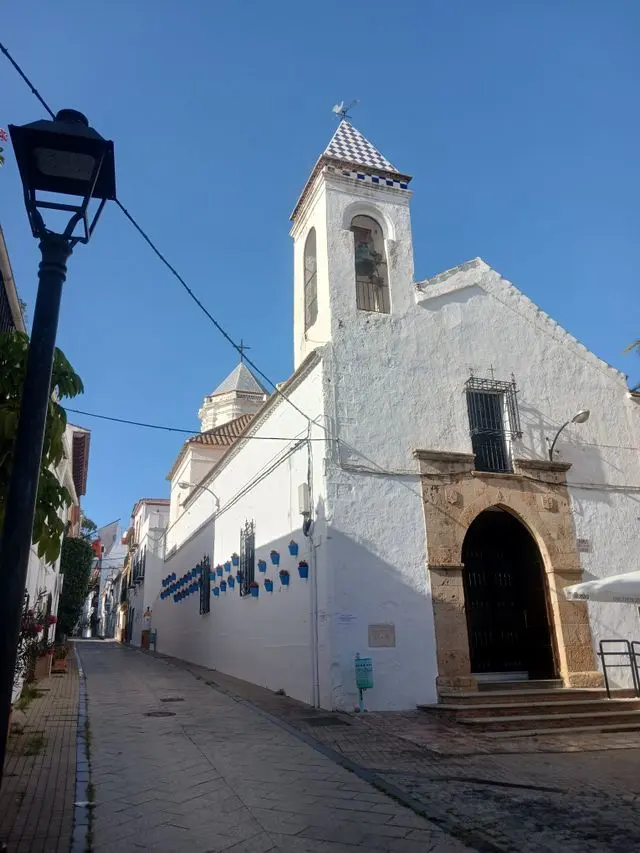
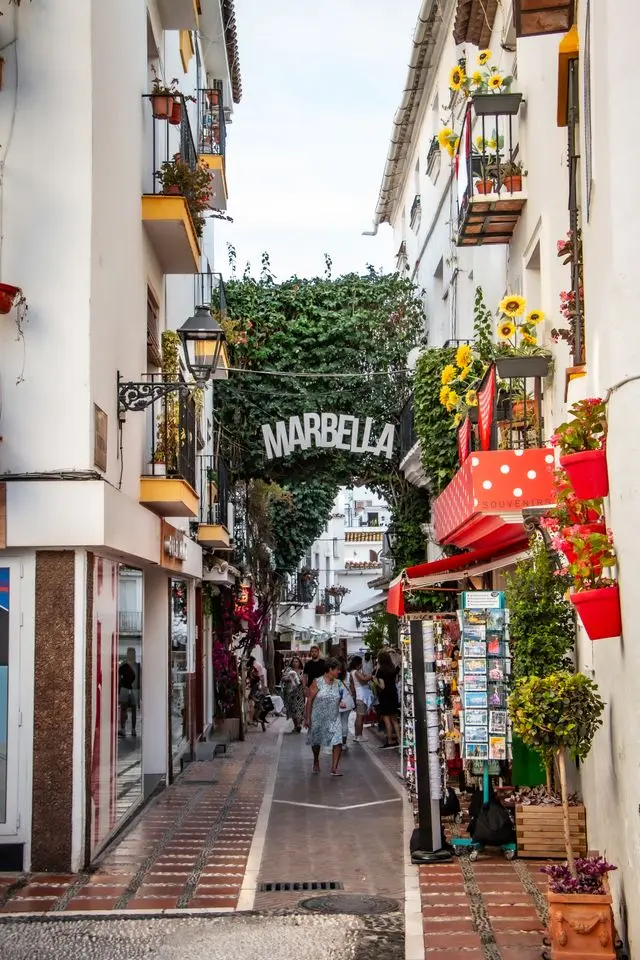
The Old Town (Casco Antiguo) is Marbella's most charming corner: whitewashed, flower-draped lanes converging on Plaza de los Naranjos, a lively square lined with orange trees, cafés, and historic buildings including the 16th-century Ayuntamiento. Nearby, remnants of the town's Moorish castle walls and a handful of small museums, including the Museo del Grabado Español Contemporáneo (contemporary Spanish printmaking) and the Ralli Museum (Latin American art), add cultural depth beyond the beach.
Puerto Banús, purpose-built in the 1970s and about a 15-minute drive from the Old Town, is the see-and-be-seen marina packed with superyachts, designer boutiques, and waterfront restaurants - worth a visit even just to stroll and take in the scene. The Paseo Marítimo, Marbella's seafront promenade, is lined with a series of sculptures donated by Salvador Dalí and makes for one of the best free walks in the city, especially along the palm-lined Golden Mile connecting the Old Town toward Puerto Banús.
- Plaza de los Naranjos – the Old Town's orange-tree-lined historic heart
- Puerto Banús – glamorous marina with yachts, designer shopping, and nightlife
- Paseo Marítimo and the Golden Mile – seafront promenade with Dalí sculptures
- Museo del Grabado Español Contemporáneo and the Ralli Museum – Marbella's main art museums
- La Concha hike – a mountain trail above the city with sweeping coastal views
- Boat trips and sunset cruises – views of the coastline and Old Town from the water
Beaches in Marbella
Marbella's coastline stretches for kilometers in both directions from the center, with a mix of free public sections and beach club areas offering sunbeds and umbrellas for rent. Playa de la Fontanilla and Playa de Venus, close to the Old Town, are convenient central options with easy access to restaurants and bars.
Along the Golden Mile toward Puerto Banús, upscale beach clubs like Nikki Beach cater to a livelier, more polished beach-day crowd with music, dining, and a resort-club atmosphere. For a quieter alternative, the beaches east of the center around Elviria and further along the coast tend to be less crowded, while still offering the same fine sand and calm Mediterranean waters that define the region.
Neighborhoods to Explore
Old Town (Casco Antiguo)
The historic core of whitewashed lanes, orange-filled plazas, and boutique corners - the best base for travelers who want to walk everywhere and soak up Marbella's older character.
The Golden Mile
The palm-lined stretch between the Old Town and Puerto Banús, home to luxury hotels, fine dining, and elegant beach clubs - ideal for a resort-style stay focused on beach days.
Puerto Banús
The glitzy marina district known for yachts, designer shopping, and nightlife - the best pick for travelers prioritizing energy and glamour over quiet charm.

Food in Marbella
Fresh Mediterranean seafood is central to Marbella's food scene, with fried fish (pescaíto frito) a classic, unpretentious beachside staple, often eaten straight from paper cones at a chiringuito (beach shack restaurant) with sand still underfoot. Iberian ham, gazpacho, and other staples of Andalusian cuisine appear on menus throughout the Old Town and beyond.
Marbella's international profile also means an unusually broad dining scene for a town its size, from casual tapas bars in the Old Town to high-end restaurants around Puerto Banús and the Golden Mile that draw a global clientele. For a more affordable, local experience, head to the Old Town or Marbella East rather than the pricier restaurants clustered around the marina.
Accommodation in Marbella
Staying in or near the Old Town offers the most walkable, convenient base, with easy access to shops, tapas bars, and the central beaches - a good fit for travelers without a car who want to explore on foot. The Golden Mile is the classic choice for a resort-style stay, with luxury hotels offering direct beach access and extensive on-site dining and amenities.
Puerto Banús and nearby San Pedro de Alcántara suit travelers prioritizing nightlife and marina energy, or those wanting more space and a calmer pace while staying close to the action. Prices rise sharply in summer across all areas, so booking ahead for a July or August visit is strongly advised.
Day Trips from Marbella
Ronda, one of Andalusia's most dramatic towns, sits perched over a deep gorge about an hour's drive inland and is one of the most popular day trips from the Costa del Sol. Closer to Marbella, the whitewashed hilltop village of Mijas Pueblo offers classic Andalusian charm and panoramic coastal views in a shorter trip.
Along the coast, Estepona is often considered one of the prettiest towns on the Costa del Sol, with flower-filled streets, colorful murals, and a more relaxed, traditional atmosphere than Marbella itself. Málaga city, with its historic center, Picasso Museum, and Alcazaba fortress, is also an easy day trip given its proximity to Marbella and shared airport.
Festivals & Events
Marbella's Feria de San Bernabé, held each June, is the city's main annual festival, filling the streets with flamenco, traditional dress, fairground rides, and late-night celebration in the classic Andalusian feria style. Semana Santa (Holy Week) in the days before Easter brings solemn religious processions through the Old Town, a tradition observed across Andalusia.
Summer also brings a busy calendar of concerts, beach club events, and cultural programming tied to the peak tourist season, while the Starlite Festival near Marbella has become a notable draw for international music and arts performances in recent years.

Safety Tips in Marbella
Marbella is generally a safe destination for visitors, and violent crime is rare in the areas tourists frequent. The most common risk is petty theft - pickpocketing and bag snatching in crowded areas like the Old Town, beaches, and Puerto Banús - so keep valuables secured and avoid leaving belongings unattended on the sand.
- Keep an eye on bags and phones in crowded tourist areas and on the beach
- Use licensed taxis or reputable ride services, particularly late at night around nightlife areas
- Spain's general emergency number is 112 for police, fire, or medical emergencies
- Confirm current beach club hours, seasonal transport schedules, and event dates with local or official sources close to your travel dates, since these details change more often than the destination's general character
Budget & Costs in Marbella
Marbella can be an expensive destination, particularly around Puerto Banús and the Golden Mile, where dining, beach clubs, and accommodation carry a premium reflecting the area's luxury reputation. Costs drop noticeably in the Old Town and Marbella East, where tapas bars, mid-range hotels, and local cafés offer much better value.
A practical approach many visitors take is picking one splurge - a beach club day or a high-end dinner - while keeping the rest of the trip centered on the Old Town's more affordable restaurants and free attractions like the beach and Paseo Marítimo. Prices rise significantly in July and August, so traveling in shoulder season can meaningfully reduce costs.
Local Customs & Etiquette
As throughout Spain, meal times run later than in much of the world - lunch typically from 2 to 4 pm and dinner rarely before 9 pm, though Marbella's international beach-club culture means some venues serve food outside these traditional hours too. Beachwear is fine on the sand and promenade, but changing into regular clothes is expected when heading into town for shops, restaurants, or the Old Town.
Tipping is appreciated but not obligatory; rounding up or leaving small change at a bar and around 5–10% at a sit-down restaurant is customary, though some upscale venues in Puerto Banús may add a service charge. Spanish is the local language, but thanks to Marbella's large international community and tourist base, English and several other languages are widely spoken, especially around the Golden Mile and Puerto Banús.

Frequently Asked Questions about Marbella
How many days do you need in Marbella? +
Two to three days is enough to see the Old Town, relax on the beach, and visit Puerto Banús, though many visitors extend their stay for a full beach holiday of a week or more, especially in summer.
Is Marbella expensive? +
It can be, particularly around Puerto Banús and the Golden Mile, but the Old Town and Marbella East offer noticeably more affordable dining, accommodation, and everyday costs while still keeping you close to the beach and main sights.
Do I need a visa to visit Marbella? +
Visa requirements follow standard Spanish and Schengen Area rules based on your nationality; many visitors, including from the US, UK, and much of Latin America, can enter visa-free for short stays, but requirements should be confirmed against current official sources before travel.
Is Marbella safe for visitors? +
Yes, it's generally a safe destination; the main precaution is guarding against petty theft in crowded tourist areas like the Old Town, beaches, and Puerto Banús, the same common-sense approach recommended throughout coastal Spain.
How do you get to Marbella from Málaga Airport? +
A taxi, private transfer, or bus typically takes 45 minutes to an hour along the coastal A-7/AP-7 highway, since Marbella has no train station of its own.
What is Marbella best known for? +
Marbella is best known for its luxury resort scene centered on Puerto Banús marina and the Golden Mile, alongside a historic whitewashed Old Town and some of the Costa del Sol's most popular beaches.
What's the best area to stay in Marbella? +
The Old Town suits travelers who want to walk everywhere, the Golden Mile is best for a resort-style beach stay, and Puerto Banús fits those prioritizing nightlife and marina energy.
Can I visit Marbella without a car? +
Yes, especially if you stay in the Old Town or Golden Mile — local Avanza buses connect the main areas, and taxis are widely available, though a car adds flexibility for reaching inland day trips like Ronda or Mijas Pueblo.
What day trips are possible from Marbella? +
Popular options include the dramatic clifftop town of Ronda, the whitewashed hilltop village of Mijas Pueblo, the flower-filled coastal town of Estepona, and Málaga city with its historic center and museums.