

Table of Contents
- About Barcelona
- Climate in Barcelona
- Getting to Barcelona
- Transportation in Barcelona
- Things to Do in Barcelona
- Neighborhoods to Explore
- Food in Barcelona
- Accommodation in Barcelona
- Day Trips from Barcelona
- Safety Tips in Barcelona
- Budget & Costs in Barcelona
- Local Customs & Etiquette
- Suggested Itineraries
About Barcelona
Barcelona sits at an unusual crossroads of Mediterranean beach city, architectural showcase, and proud regional capital of Catalonia, with its own language, flag, and cultural identity distinct from the rest of Spain. That identity shapes the city noticeably, from the Catalan flags hanging from balconies to the widespread use of Catalan alongside Spanish on street signs and menus.
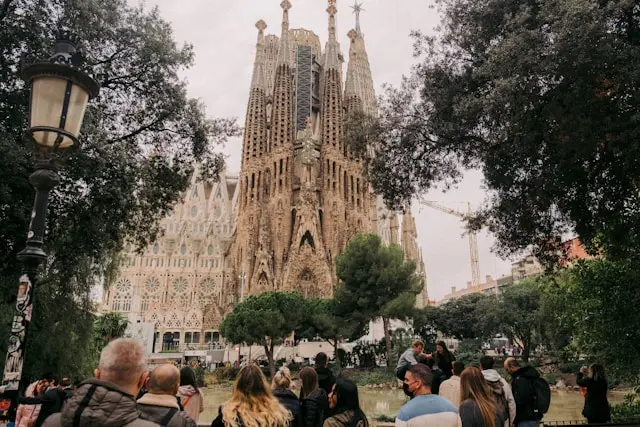
The city is best known internationally for the work of Antoni Gaudi, whose sinuous, organic buildings, most famously the still unfinished Sagrada Familia, give parts of Barcelona a visual identity unlike anywhere else in Europe. But Gaudi is really just one thread in a much broader story that includes Roman ruins, a dense medieval quarter, and a 19th century expansion project, the Eixample, that remains one of the most ambitious pieces of urban planning in European history.
Barcelona is also a genuine beach city, with several kilometers of sandy coastline within the city limits, which sets it apart from most other major European capitals and gives it a noticeably more relaxed, outdoor oriented pace than cities of a similar size.
Climate in Barcelona
Barcelona has a Mediterranean climate, with warm, dry summers, mild winters, and considerably more sunshine year round than most of northern and central Europe.
- Spring, from March to May, is mild and increasingly warm, with temperatures generally between 13 and 21 degrees Celsius, or 55 to 70 degrees Fahrenheit, and is one of the more pleasant times to explore the city on foot.
- Summer, from June to August, is hot and humid, with temperatures typically between 24 and 29 degrees Celsius, or 75 to 84 degrees Fahrenheit, and the beaches and city both operating at peak capacity with visitors.
- Autumn, from September to November, remains warm well into October, with temperatures gradually cooling and crowds thinning noticeably compared to summer, making it one of the better seasons to visit.
- Winter, from December to February, is mild compared to most of Europe, with temperatures generally between 8 and 14 degrees Celsius, or 46 to 57 degrees Fahrenheit, and considerably more sunshine than cities further north.
May, June, and September tend to offer the best balance of warm weather, sunshine, and more manageable crowds than the peak of July and August.

Getting to Barcelona
Barcelona-El Prat Airport, about 12 kilometers southwest of the city center, handles the vast majority of international arrivals. The Aerobus runs directly to Plaça Catalunya in the city center in around 35 minutes, while a regional train, the R2 Nord, connects to Barcelona Sants station and several other central stops at a lower cost.
For travelers already in Europe, Barcelona is well connected by high speed rail. The AVE network links it to Madrid in around two and a half hours, while direct international trains connect to Paris and other French cities, arriving into the centrally located Barcelona Sants station.
Barcelona Sants sits within the city and is well connected by metro to most central neighborhoods, making onward travel from the station straightforward regardless of where you are staying.
Entry requirements depend on nationality and are subject to change, so it is worth confirming current visa and Schengen area rules directly with an official Spanish or EU government source shortly before traveling.
Transportation in Barcelona
Barcelona's Metro is extensive, efficient, and generally the fastest way to cover longer distances across the city, with 12 lines and trains running from around 5 a.m. until midnight on weekdays, with all night service on Saturdays.
A T-Casual ticket, valid for 10 trips across the Metro, bus, and tram network, is one of the most economical options for visitors staying several days, and can be shared among a group since it simply needs to be validated per trip.
Buses cover routes the Metro does not reach as directly and are a good way to see more of the city above ground, particularly useful for reaching the beach areas or parts of the Eixample.
Walking is genuinely rewarding in central Barcelona, particularly through the Gothic Quarter and El Born, which are dense with narrow medieval streets best experienced without the interruption of transport.
Taxis are plentiful and reasonably priced compared to other major European cities, and ride hailing apps are also widely available, while a well developed bike share system and rental options make cycling a viable option along the city's many dedicated bike lanes.
Things to Do in Barcelona
Barcelona's major sights range from Gaudi's architectural landmarks to Roman and medieval history, and spreading them across several days tends to work better than trying to rush through them all at once.
- The Sagrada Familia, Gaudi's still unfinished basilica and the city's most visited sight, requires advance online booking, since walk-up tickets are rarely available and queues without a reservation can run for hours.
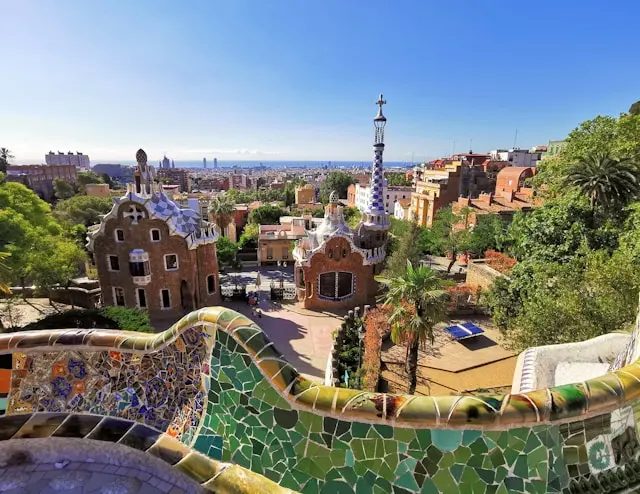
- Park Guell, another major Gaudi work, combines whimsical architecture with sweeping views over the city, and also requires a timed entry ticket for its monumental core zone.
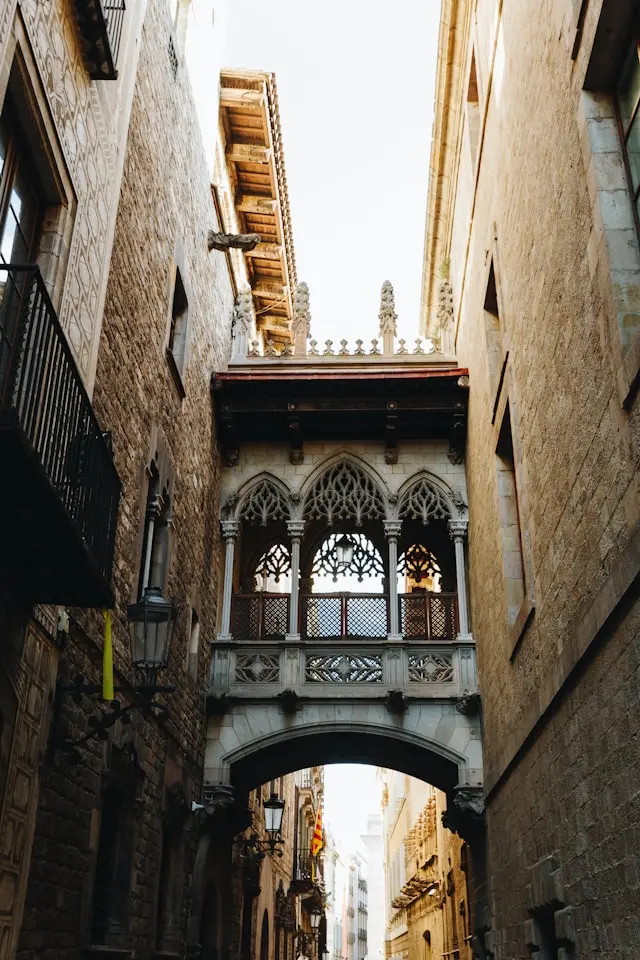
- The Gothic Quarter, the medieval heart of the city, is best explored slowly on foot, with narrow streets opening unexpectedly onto small squares and the Barcelona Cathedral.
- La Rambla, the city's famous tree lined boulevard, connects Plaça Catalunya to the waterfront, though it is worth treating more as a route between other sights than a destination in itself given how touristed it has become.
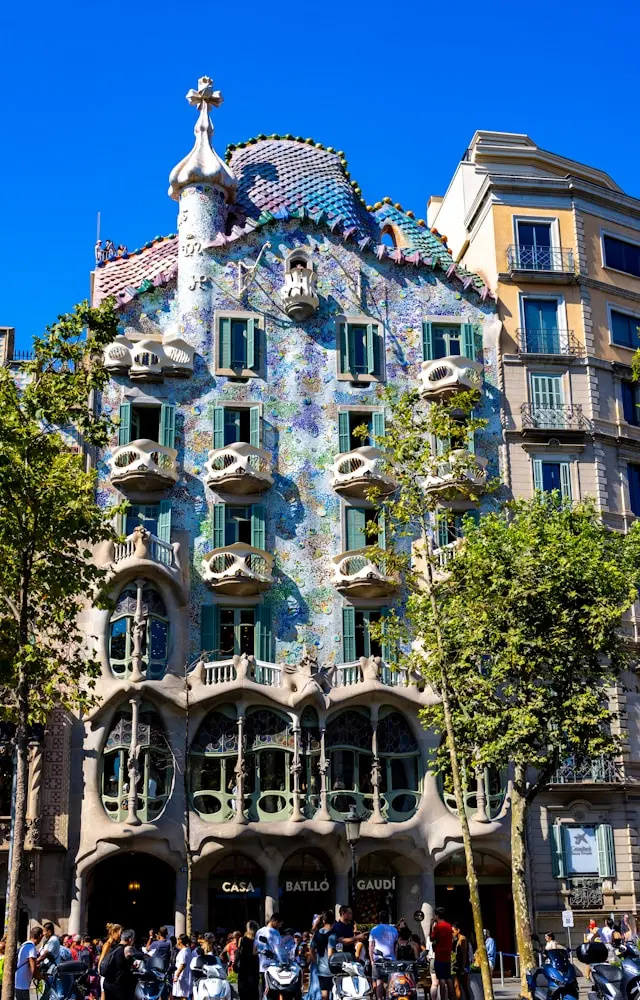
- Casa Batllo and Casa Mila, two more Gaudi buildings along Passeig de Gracia, showcase his distinctive organic style applied to residential architecture and can be visited together given their proximity.
- The Picasso Museum, housed across several medieval palaces in the El Born neighborhood, holds an extensive collection focused on the artist's formative years in Barcelona.
Given how much advance booking several of these sights require, it is worth reserving Sagrada Familia and Park Guell tickets as soon as your travel dates are confirmed.
Neighborhoods to Explore
Barcelona's neighborhoods each carry a distinct identity, shaped by different periods of the city's history and its more recent growth.
- The Gothic Quarter, the medieval core of the city, is dense with narrow stone streets, small squares, and centuries old buildings, and remains one of the most atmospheric parts of Barcelona despite heavy tourist traffic.
- El Born, adjacent to the Gothic Quarter, mixes medieval architecture with a lively concentration of independent boutiques, tapas bars, and the Picasso Museum.
- Gracia, a former separate village absorbed into the city, retains a distinctly local, bohemian feel, with small squares, independent shops, and noticeably fewer tourists than the center.
- The Eixample, the 19th century planned expansion of the city, is home to most of Gaudi's major buildings along with wide, grid patterned streets and a strong concentration of upscale shopping.
- Barceloneta, the old fishing quarter turned beach neighborhood, offers direct access to the city's beaches along with a strong seafood dining scene.
- Poble Sec, at the base of Montjuic hill, has become known for its concentration of tapas bars along Carrer de Blai, offering a more local, less touristed dining scene.
Spending an evening in Gracia or Poble Sec tends to give a much clearer sense of contemporary Barcelona life than time spent exclusively around La Rambla and the Gothic Quarter.
Food in Barcelona
Catalan cuisine has its own distinct identity within Spain, shaped by the region's coastal geography and agricultural inland areas, and Barcelona's food scene reflects that regional character alongside broader Spanish staples.
- Tapas culture is alive and well, though it is worth knowing that in Catalonia many dishes are ordered as larger shared plates called raciones rather than the smaller bites more associated with southern Spain.
- Pa amb tomaquet, bread rubbed with ripe tomato, olive oil, and salt, is a simple but iconic Catalan staple that accompanies many meals.
- Seafood is a genuine strength given the city's coastal location, with paella and fideua, a similar dish made with noodles instead of rice, both worth seeking out at a restaurant that makes them fresh to order rather than pre-prepared for tourists.
- Markets like La Boqueria, just off La Rambla, and Mercat de Sant Antoni offer an excellent way to sample local produce, cured meats, and cheese, though La Boqueria in particular has become heavily touristed and is best visited earlier in the day.
- Vermouth culture, known locally as vermut, involves a pre-lunch aperitif tradition on weekends that is worth joining at a traditional bodega for a genuinely local experience.
Eating dinner at Spanish hours, typically not before 9 p.m., and avoiding restaurants with picture menus directly on La Rambla tend to be reliable ways to steer toward better food.

Accommodation in Barcelona
Where to stay in Barcelona depends on whether you prioritize historic atmosphere, beach access, or a quieter local pace.
- The Gothic Quarter and El Born put you in the heart of the medieval city, walkable to major sights, though streets here can be narrow, noisy, and busy with tourist foot traffic.
- The Eixample offers a good central base close to Gaudi's major buildings, with wide streets and generally quieter nights than the old town.
- Barceloneta puts you steps from the beach, appealing if that is a priority, though it can be lively and loud, particularly in summer.
- Gracia offers a more local, low key atmosphere with good dining options, a bit further from the main tourist sights but well connected by metro.
- Poble Sec provides good value and proximity to Montjuic hill, with a strong local tapas scene, at a slight remove from the historic center.
Barcelona has faced some tension in recent years around short term rental regulations and overtourism, so it is worth checking that any apartment rental is properly licensed before booking.
Day Trips from Barcelona
Barcelona's location on the Catalan coast, along with good rail and road connections, makes several destinations accessible as day trips.
- Montserrat, a dramatic mountain monastery about an hour away by train and cable car or rack railway, offers striking rock formations and panoramic views, along with the monastery itself.
- Girona, around 40 minutes by high speed train, has a well preserved medieval old town, a notable cathedral, and colorful houses along the Onyar River.
- Sitges, a beach town about 40 minutes south by train, offers a more relaxed, resort-like alternative to Barcelona's city beaches, along with a charming old town.
- Costa Brava towns like Tossa de Mar and Cadaques, while requiring closer to two hours of travel, offer dramatic coastal scenery and are popular for those wanting a beach focused day away from the city.
- Figueres, about an hour and a half by train, is home to the Dali Theatre-Museum, a major draw for those interested in the surrealist artist's work.
Most of these destinations are straightforward to reach independently by regional or high speed train, with Montserrat and Girona in particular being popular and easy half or full day trips.

Safety Tips in Barcelona
Barcelona is generally safe for travelers, and violent crime against tourists is rare. The more realistic and persistent concern is pickpocketing, which is notably common in certain areas and has been a long standing issue the city continues to work on addressing.
A few practical habits go a long way.
- Keep bags zipped and worn in front of you on La Rambla, in the Gothic Quarter, on the Metro, and on the beach, all of which see a higher concentration of pickpocketing than other parts of the city.
- Be cautious of distraction scams, including people asking for directions, spilling something on you, or offering petitions to sign, which are sometimes used to create an opening for theft.
- Never leave bags, phones, or valuables unattended on the beach, even briefly, since beach theft is a common and well documented issue.
- Use licensed black and yellow taxis or well known ride hailing apps rather than unmarked cars offering rides.
- Stay alert on crowded Metro lines, particularly the L3 line connecting popular tourist areas, which sees a disproportionate share of pickpocketing incidents.
If something is stolen, Barcelona has police stations equipped to handle tourist reports, called denuncias, which are generally required for any travel insurance claim.
Budget & Costs in Barcelona
Barcelona is moderately priced compared to other major western European capitals, generally less expensive than Paris or London, though prices in heavily touristed areas like La Rambla and the Gothic Quarter run noticeably higher than elsewhere in the city.
- Budget travelers can manage well by staying in Gracia or Poble Sec, eating lunch menus called menu del dia at local restaurants, and taking advantage of the T-Casual transport ticket for cheaper Metro and bus rides.
- Mid-range travelers have a wide range of comfortable options, with reasonably priced tapas and seafood restaurants, standard hotel accommodation, and paid entry to major Gaudi sights.
- Higher end travelers will find plenty of ways to spend more, from Eixample boutique hotels to fine dining and private guided tours of Gaudi's major works.
A few habits help stretch a budget regardless of spending level, including ordering the menu del dia at lunch, which typically includes several courses and a drink at a fraction of the à la carte price, booking Sagrada Familia and Park Guell well in advance to secure the lowest available prices, and using the T-Casual transport ticket rather than buying single fares.
Local Customs & Etiquette
Barcelona's Catalan identity shapes local etiquette in ways that differ subtly from the rest of Spain, and a few local norms are worth knowing before you go.
- Catalan pride runs deep, and while Spanish is widely understood and spoken, greeting with a Catalan phrase like bon dia or acknowledging the region's distinct culture is generally well received rather than seen as unnecessary.
- Meal times run later than in much of Europe, with lunch typically starting around 2 p.m. and dinner rarely beginning before 9 p.m., and many restaurants simply are not open in the gap between.
- The afternoon siesta tradition has faded considerably in Barcelona compared to smaller Spanish towns, and most shops and services in central areas stay open through the afternoon.
- Tipping is appreciated but not obligatory, generally rounding up or adding around 5 to 10 percent at restaurants, since service is not typically included in the bill the way it might be assumed.
- Beach etiquette in Barcelona is relatively relaxed, with topless sunbathing common on city beaches, though full nudity is generally restricted to designated areas outside the main beaches.
Beyond these specifics, a relaxed pace paired with genuine curiosity about the region's Catalan identity tends to be well received by locals.
Suggested Itineraries
One Day in Barcelona
Start early at the Sagrada Familia with a pre-booked ticket, then walk or take the metro to Passeig de Gracia to see Casa Batllo and Casa Mila. Spend the afternoon wandering the Gothic Quarter and El Born, and close the evening with tapas in Poble Sec or a walk along the Barceloneta beachfront.
Three Days in Barcelona
- Day one covers the Sagrada Familia, Casa Batllo, and Casa Mila, followed by an evening in the Gothic Quarter.
- Day two covers Park Guell in the morning, followed by the Picasso Museum and El Born in the afternoon, with dinner in Gracia.
- Day three covers Barceloneta beach and a seafood lunch, followed by a half day trip to Montserrat or Sitges depending on preference.
One Week in Barcelona
The extra days allow for additional day trips such as Girona or Figueres, along with more time to explore neighborhoods like Poble Sec and Gracia at a slower pace, and enough flexibility to spend a full beach day at Barceloneta or the Costa Brava without treating every day as a full sightseeing itinerary.

Frequently Asked Questions About Traveling to Barcelona
Is Barcelona expensive? +
It is moderately priced for a major European capital, generally less expensive than Paris or London, though prices in heavily touristed areas like La Rambla run noticeably higher than elsewhere in the city.
How many days do you need in Barcelona? +
Three days covers the major Gaudi sights and old town comfortably, while a week allows time for day trips like Montserrat or Girona and a slower pace through the neighborhoods and beaches.
Is Barcelona safe for solo travelers? +
Generally yes. The main risk is pickpocketing rather than violent crime, and staying alert in crowded tourist areas like La Rambla and on the Metro covers most concerns.
What is the best time of year to visit? +
May, June, and September tend to offer the best combination of warm weather and manageable crowds, while July and August are hot and heavily touristed.
Do I need to book the Sagrada Familia in advance? +
Yes, strongly recommended. Walk-up tickets are rarely available, and booking as soon as your travel dates are confirmed is the most reliable way to secure entry.
Is Barcelona a good beach destination as well as a city trip? +
Yes. Barcelona has several kilometers of sandy city beaches, making it one of the few major European capitals where beach time and urban sightseeing can genuinely be combined in one trip.