

Table of Contents
- The Main Towns at a Glance
- Climate & Best Time to Visit
- Getting to the Amalfi Coast
- Transportation Along the Coast
- Things to Do on the Amalfi Coast
- Food on the Amalfi Coast
- Accommodation on the Amalfi Coast
- Day Trips from the Amalfi Coast
- Safety Tips on the Amalfi Coast
- Budget & Costs on the Amalfi Coast
- Local Customs & Etiquette
The Main Towns at a Glance
Positano
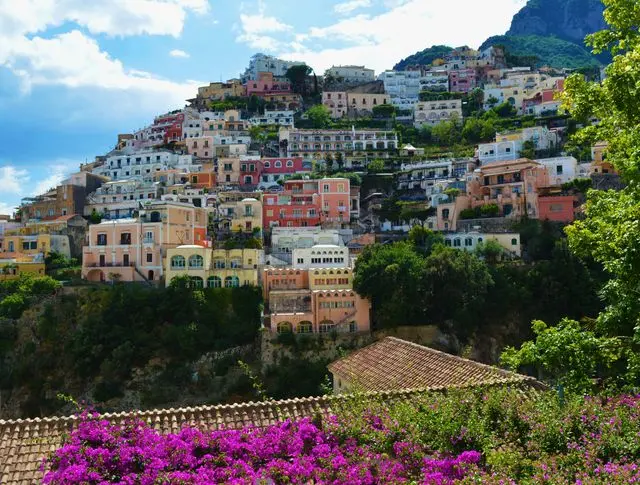
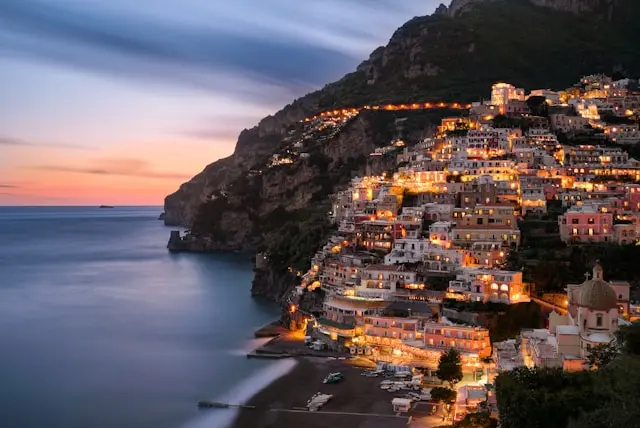
The coast's most photographed town, with pastel houses cascading down a steep hillside to a small beach. It's stylish, expensive, and short on flat ground, with narrow stepped lanes rather than roads inside the town itself.
Amalfi
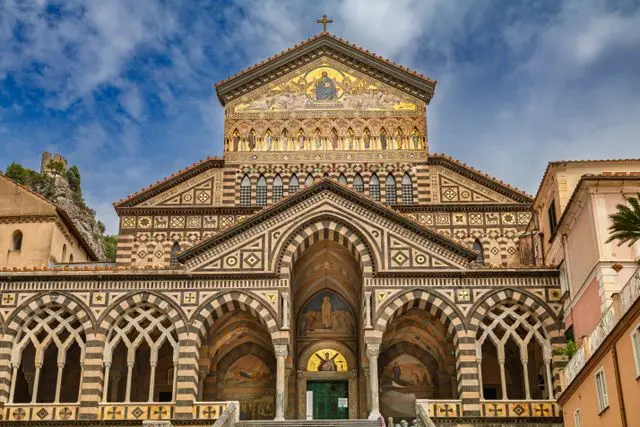
The historic hub of the coast and its largest town, built around a striking Arab-Norman cathedral and a working harbor. It has the most services and transport connections of any town on the coast, making it a common base.
Ravello
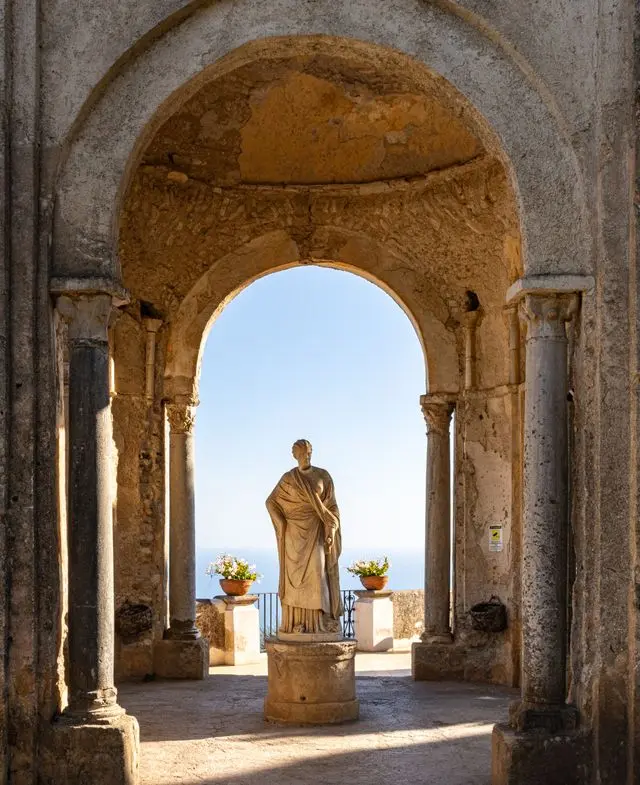
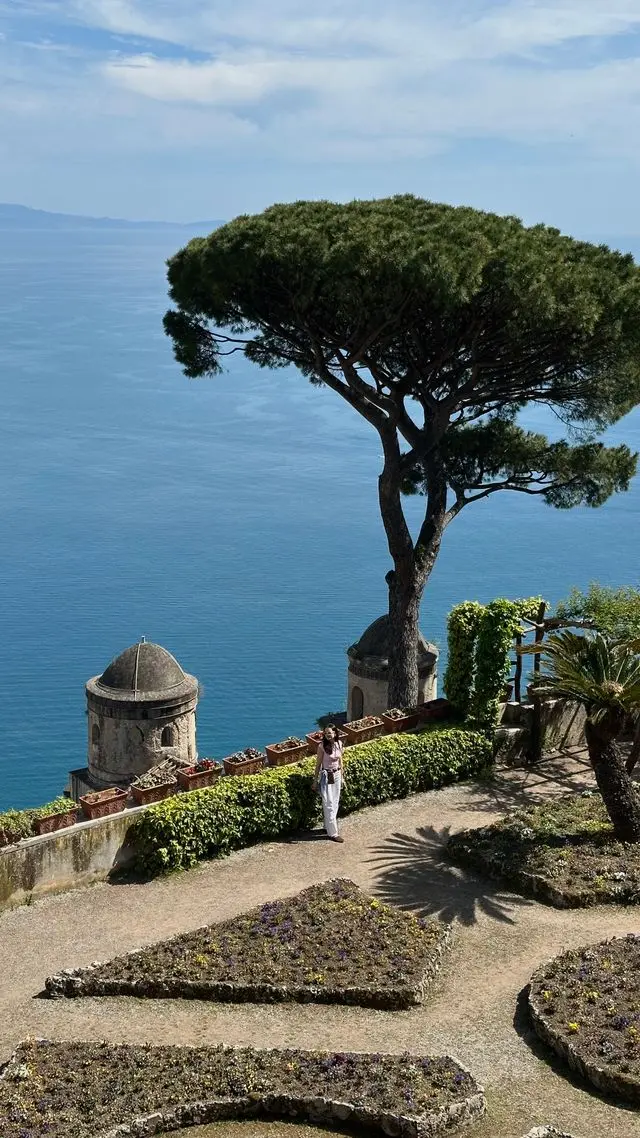
Perched high above the coastline rather than at sea level, Ravello is known for its clifftop villa gardens, sweeping panoramic views, and a long tradition as a retreat for writers, composers, and artists.
Minori and Maiori
Quieter, more residential neighbors east of Amalfi, with Maiori boasting the coast's longest sandy beach and both towns offering a calmer, less touristed alternative to Positano.
Praiano and Furore
Smaller villages between Positano and Amalfi, generally less crowded and more affordable, with Furore's narrow fjord-like inlet (Fiordo di Furore) a distinctive local landmark.
Vietri sul Mare
The easternmost town of the coast, known as the historic center of Amalfi Coast ceramics, with colorful hand-painted pottery sold in workshops throughout the village.
Climate & Best Time to Visit
The Amalfi Coast has a Mediterranean climate with hot, dry summers and mild, wetter winters, moderated somewhat by the sea but sharply shaped by the steep terrain.
Spring (April–June)
Mild temperatures, blooming lemon groves and bougainvillea, and noticeably thinner crowds than summer - widely considered one of the best times to visit.
Summer (July–August)
Hot and extremely busy, with the coastal road prone to serious traffic congestion and towns like Positano at their most crowded; sea temperatures are at their best for swimming.
Autumn (September–October)
Warm sea temperatures persist into September with fewer visitors, though rain becomes more likely as October progresses.
Winter (November–March)
Quiet and mild by Northern European standards, but many hotels, restaurants, and ferry routes close or scale back significantly, so services are limited outside the main towns.
- Best overall: May–June or September, for good weather with more manageable crowds and traffic
- Best for swimming: July–August
- Best for avoiding crowds (with reduced services): November–March

Getting to the Amalfi Coast
The Amalfi Coast has no airport of its own, and its narrow, cliffside roads mean careful planning around arrival points pays off.
By Air
Naples International Airport (NAP) is the closest major airport, about 1 to 1.5 hours from the coast by car, bus, or a combination of train and ferry. Salerno's smaller airport is closer geographically but has far fewer flight options.
By Train
There's no train station directly on the Amalfi Coast; most travelers take the train to Naples or Salerno, then continue by bus, ferry, or car. Sorrento, at the tip of the neighboring peninsula, is also a common rail-accessible gateway with onward bus and ferry links to the coast.
By Ferry
Seasonal ferries run from Naples, Sorrento, and Salerno directly to Amalfi and Positano, often faster and far less stressful than the coastal road, especially in summer traffic.
By Car and Bus
The SITA regional bus network connects the coastal towns along the SS163 road, a practical option for travelers without a car. Driving is scenic but demanding, with hairpin turns, limited parking, and heavy summer traffic; many visitors choose to arrive by train or ferry and use local transport once there.
Visa Notes
Italy is part of the Schengen Area, so standard Schengen visa rules apply for most travelers. It's worth confirming current entry requirements before travel since rules can change.
Transportation Along the Coast
Getting between Amalfi Coast towns generally means choosing between the coastal bus, a ferry, or a car - each with real trade-offs given the terrain.
SITA Buses
Frequent buses run the length of the Amalfi Drive between towns, offering dramatic views but also long queues and standing-room-only conditions in peak season; tickets are inexpensive and widely available at tobacco shops (tabaccherie).
Ferries
Seasonal boats connect Positano, Amalfi, Salerno, and other coastal towns, often the fastest and most comfortable way to travel in summer when road traffic is heaviest, weather permitting.
Driving and Parking
Self-driving offers flexibility but demands confidence on narrow, winding roads with heavy oncoming traffic, including tour buses; parking in town centers is scarce and expensive, and many hotels can arrange nearby parking for guests.
Walking
Within each town, walking (often via long staircases) is unavoidable given the terrain - comfortable shoes are essential, and mobility-limited travelers should research a specific town's layout before booking.
Things to Do on the Amalfi Coast
Beyond simply admiring the scenery, a handful of sights and activities define most Amalfi Coast visits.
Amalfi Cathedral (Duomo di Sant'Andrea)
A striking Arab-Norman cathedral overlooking Amalfi's main piazza, with a striped facade, bronze doors brought from Constantinople, and a peaceful adjoining cloister, reflecting the town's medieval trading ties across the Mediterranean.
Villa Rufolo and Villa Cimbrone, Ravello
Two clifftop villa gardens in Ravello, both offering some of the coast's most celebrated panoramic views; Villa Cimbrone's "Terrace of Infinity," lined with classical busts, is one of the most photographed viewpoints on the coast.
Positano's Beaches and Lanes
Spiaggia Grande, Positano's main beach, anchors a town best explored on foot through steep, boutique-lined lanes climbing away from the water.
Path of the Gods (Sentiero degli Dei)
A well-known hiking trail along the cliffs between Bomerano and Positano, offering some of the coast's most dramatic sea views away from the crowded lower towns.
Fiordo di Furore
A narrow, fjord-like inlet at Furore spanned by a high bridge, with a small beach below popular for cliff diving events and photographs.
Grotta dello Smeraldo
An "Emerald Grotto" sea cave near Conca dei Marini, known for the eerie green glow created by sunlight filtering through underwater openings, visitable by boat.
Ceramics Shopping in Vietri sul Mare
The historic center of Amalfi Coast pottery-making, with workshops producing the coast's distinctive hand-painted, brightly colored ceramics.
Food on the Amalfi Coast
The Amalfi Coast's cuisine centers on fresh seafood, the region's famous lemons, and simple Campanian cooking that lets good local ingredients speak for themselves.
What to Try
- Limoncello, the lemon liqueur made from the coast's large, fragrant Sfusato Amalfitano lemons, often served chilled as a digestif
- Scialatielli ai frutti di mare, a thick, short local pasta tossed with mixed seafood
- Delizia al limone, a lemon-cream dome cake that originated on the coast and remains a signature dessert
- Fresh anchovies and other small fish, often simply fried or marinated
- Mozzarella and buffalo dairy products from the wider Campania region, featured in many coastal menus
Where to Eat
Amalfi and Positano have the widest range of restaurants, from casual seafront trattorias to high-end dining with sea views; smaller towns like Minori and Maiori offer excellent, less expensive options with a more local feel.

Accommodation on the Amalfi Coast
- Positano - The most iconic and expensive base, with boutique hotels built into the cliffside; book well ahead for summer, and expect significant stairs at most properties.
- Amalfi - More central and practical, with the best transport connections and a wider range of price points than Positano.
- Ravello - A quieter, elevated alternative known for upscale hotels with panoramic views, better suited to travelers with a car or willing to rely on buses.
- Minori, Maiori, or Praiano - Generally more affordable and less crowded, while still offering easy access to the rest of the coast by bus or ferry.
Day Trips from the Amalfi Coast
- Capri - The glamorous island a short ferry ride from Positano or Amalfi, known for the Blue Grotto and its own cliffside town.
- Pompeii and Herculaneum - The famous ancient Roman ruins are a manageable day trip via train and bus or a guided tour from the coast.
- Sorrento - A lively resort town on the neighboring peninsula, well connected by ferry and train, and a common alternative base.
- Naples - Italy's third-largest city, with world-class archaeology museums and its own distinct food culture, roughly an hour from the coast.
- Paestum - Well-preserved ancient Greek temples south of Salerno, a worthwhile detour for history-focused travelers.

Safety Tips on the Amalfi Coast
The Amalfi Coast is a low-crime destination overall, with most safety considerations tied to its steep terrain, narrow roads, and heavy seasonal crowds rather than personal security.
- Exercise caution on the coastal road if driving or riding a scooter - hairpin turns, narrow lanes, and heavy tour bus traffic make it demanding, especially for those unfamiliar with the route
- Wear sturdy shoes, since most towns involve steep staircases and uneven, sometimes slippery, stone steps
- Watch belongings in crowded areas like Positano's beach and Amalfi's main piazza, where pickpocketing is the most common issue
- Be mindful of rockfall warnings on hiking trails like the Path of the Gods, especially after heavy rain
- Emergency numbers in Italy: 112 for the general emergency line, which routes to police, ambulance, or fire services
Budget & Costs on the Amalfi Coast
The Amalfi Coast is one of Italy's more expensive regions to visit, particularly in Positano and during the July–August peak, though smaller towns and shoulder-season travel bring costs down considerably.
- Budget travelers - Basing in Minori, Maiori, or Praiano rather than Positano, using SITA buses instead of taxis, and eating at casual trattorias can keep costs well below the coast's reputation.
- Mid-range travelers - A comfortable hotel outside peak Positano prices, sit-down seafood dinners, and a ferry excursion or two fit a typical mid-range daily budget.
- Money-saving tips - Visiting in May, June, or September brings both lower prices and thinner crowds than the July–August peak; booking accommodation and any popular restaurant reservations well in advance is essential in high season.
- Many of the coast's best experiences - walking the lanes, viewpoints, and beaches - are free or low-cost, so lodging and dining choices drive most of the budget variation.
Local Customs & Etiquette
- Standard Italian etiquette applies: a friendly greeting ("Buongiorno" or "Buonasera") when entering shops and restaurants is appreciated
- Tipping is not obligatory in Italy - a service charge (coperto) is often already included, though rounding up or leaving small change for good service is common
- Beachwear belongs on the beach; cover up when walking through town centers or visiting churches, which often enforce modest dress codes
- Meals tend to be unhurried, and asking for the bill (il conto) directly is customary rather than having it brought automatically
- Respect narrow lanes and staircases shared with residents - many towns have no vehicle access at all in their historic cores

Frequently Asked Questions about the Amalfi Coast
How many days do you need on the Amalfi Coast? +
Three to four days allows time to see Positano, Amalfi, and Ravello without rushing, though a well-planned two-day visit can cover the highlights.
Is the Amalfi Coast expensive? +
Yes, it's one of Italy's pricier regions, especially in Positano and during peak summer; staying in smaller towns like Minori or Maiori and traveling in the shoulder season noticeably reduces costs.
Do you need a visa to visit the Amalfi Coast? +
Most travelers follow standard Schengen visa rules for Italy; it's worth checking current entry requirements for your nationality before travel since rules can change.
Is the Amalfi Coast safe for visitors? +
Yes, it's a low-crime destination; the main risks relate to the terrain and roads, so caution on the coastal drive and sturdy footwear for the many staircases matter more than personal safety concerns.
How do you get around the Amalfi Coast once you're there? +
SITA buses and seasonal ferries connect the towns along the coast, while driving offers flexibility but requires confidence on narrow, winding roads with heavy traffic in summer.
Which town is best to stay in? +
Positano is the most iconic but priciest and steepest; Amalfi is more central and practical; Ravello suits travelers wanting quiet, elevated views; and Minori, Maiori, or Praiano offer better value with easy access to the rest of the coast.
Is the Amalfi Coast suitable for families? +
It can be, particularly in beach towns like Maiori, though the extensive stairs, narrow lanes, and winding roads in towns like Positano and Ravello are more demanding for young children or strollers.
What's the best time of year to visit? +
May–June or September offer good weather with more manageable crowds and traffic than the busy July–August peak season.
Can you visit the Amalfi Coast as a day trip from Naples or Sorrento? +
Yes, a day trip covering one or two towns is possible by ferry, bus, or organized tour, though staying at least one night allows a more relaxed pace given the coast's driving distances and crowds.
What do visitors often not realize before going? +
That the coast is made up of several distinct towns connected by one narrow, often congested road, and that summer traffic and crowds can significantly affect travel times between towns, so building in flexibility matters more here than in many other Italian destinations.