
Table of Contents
Introduction
"How many days do I need in Italy?" is one of the first questions almost every traveler asks, and it's also one of the hardest to answer generically. Italy packs an enormous amount of geography, history, and food culture into a country roughly the size of Arizona, which means the right trip length depends less on the country's size and more on what you actually want to experience.
A traveler chasing a fast highlights tour of Rome, Florence, and Venice needs a very different number of days than someone who wants to spend a week slowly working through Tuscan vineyards or basing themselves on the Amalfi Coast for an extended stay. Both are completely valid ways to visit Italy, but they call for different planning.
This guide breaks the question down into something you can actually use: the factors that should shape your decision, quick recommendations based on common trip styles, region-by-region time estimates, and full sample itineraries for trips ranging from a long weekend to several weeks. By the end, you should be able to land on a number of days that fits your actual interests rather than a generic "see everything" checklist.
Key Factors That Determine Your Ideal Trip Length
Before picking a number of days, it helps to think through a few variables that change the calculation significantly from one traveler to the next.
- Trip goal: A whirlwind "see the highlights" trip needs far less time than a slow-travel trip built around cooking classes, wine regions, or extended stays in one town.
- Number of regions: Italy's regions each feel like a distinct country. Trying to cover Rome, Tuscany, Venice, and the Amalfi Coast in one week forces constant packing and unpacking, while focusing on two regions allows for a more relaxed rhythm.
- Season: Summer trips (June to August) often require slower pacing because of heat and crowd-driven queue times, while shoulder-season trips (April, May, September, October) let you move faster with less fatigue.
- Travel pace preference: Some travelers want to check off major sights each day; others prefer two or three real experiences per day with time to sit at a café in between. Your ideal number of days should match which type of traveler you are.
- Base location strategy: Staying in one or two bases and taking day trips uses time far more efficiently than changing hotels every one to two nights.
- Budget: More days generally means more accommodation and dining costs, so it's worth weighing whether a slower 10-day trip in fewer places or a faster 7-day trip covering more ground fits your budget better.
None of these factors work in isolation. A traveler with a generous budget but only a week off work will make very different trade-offs than someone with three weeks available but a tighter daily spending limit. Working through each factor honestly before you start booking flights and hotels will save you from the common trap of building an itinerary that looks impressive on paper but is exhausting to actually live through.
Quick Answer: Recommended Days by Trip Style
If you want a fast answer before reading further, here's a general starting point based on the type of trip most travelers are planning.
- First-time highlights trip (Rome, Florence, Venice): 7 to 10 days
- Weekend city break (one city only): 3 to 4 days
- Rome plus the Amalfi Coast: 8 to 10 days
- Tuscany-focused countryside trip: 5 to 7 days
- Comprehensive north-to-south trip: 14 to 18 days
- Slow-travel or one-region deep dive: 10 days or more in a single region
These ranges assume you're flying into and out of Italy directly. If you're combining Italy with another European country, plan to add two to three travel days on top of these estimates for transfers between countries.

How Many Days You Need in Italy's Top Regions
Rome
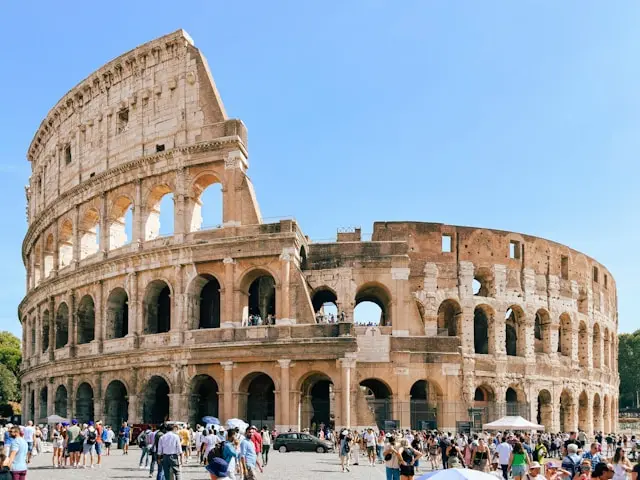
Rome rewards at least 3 full days, and 4 is more comfortable if you want to see the Colosseum, Roman Forum, Vatican Museums, and Sistine Chapel without rushing through each site. A single day in Rome only allows time for a condensed highlights walk through the historic center, and even 2 days will mean choosing between the ancient sites and the Vatican rather than covering both properly.
Florence and Tuscany
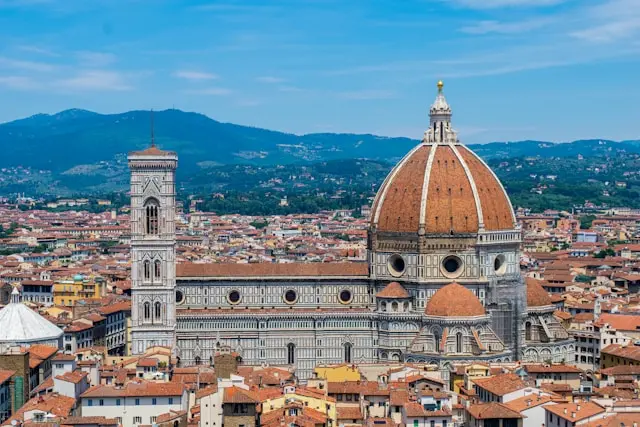
Florence itself takes 2 to 3 days to see its major museums and churches at a reasonable pace, including the Uffizi Gallery, the Accademia, and the Duomo complex. If you plan to use Florence as a base for day trips into the Tuscan countryside, Siena, San Gimignano, or Chianti wine country, budget 4 to 5 days total so at least one or two of those days can be spent outside the city.
Venice
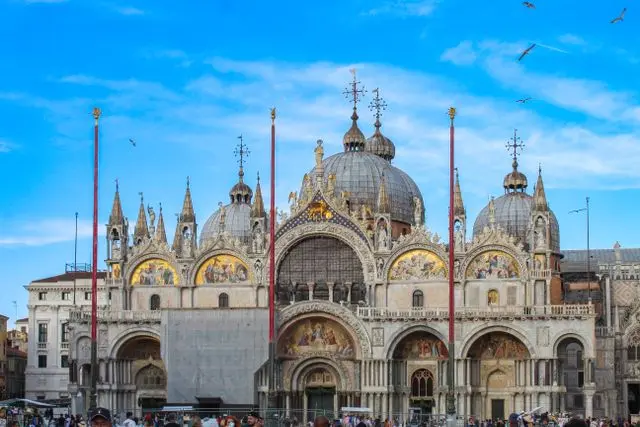
Venice is compact enough to see its major sights in 2 days, though a third day gives you room to explore the quieter islands of Murano and Burano or simply get lost in neighborhoods away from San Marco. Because the city is so walkable, extra days here go further toward slow wandering than toward checking off additional attractions.
The Amalfi Coast and Naples
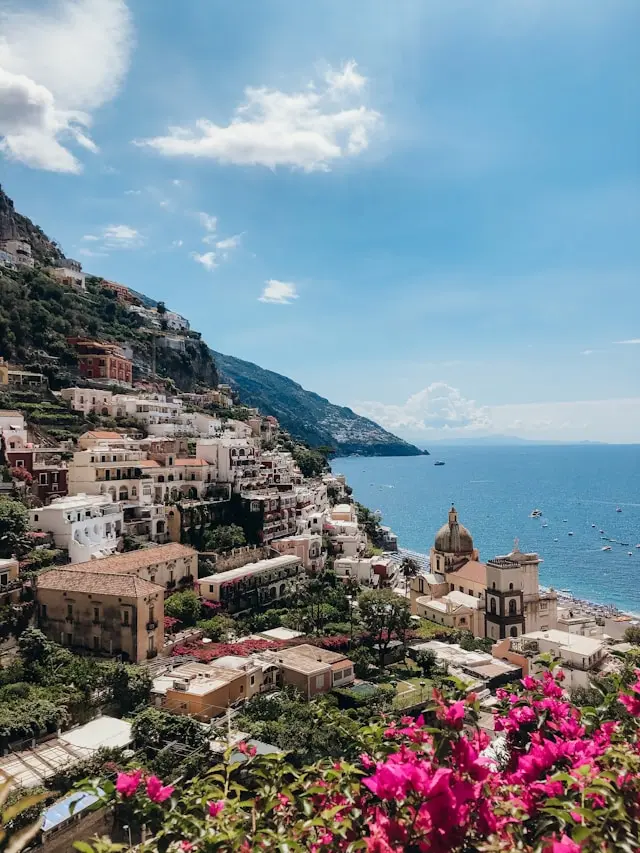
This region benefits from a slower pace because of winding coastal roads and limited public transport between towns. Plan for at least 3 to 4 days to split time between Naples, Pompeii, and one or two towns along the coast like Positano, Amalfi, or Ravello. Traveling by ferry between coastal towns in the warmer months is often faster and less stressful than driving the narrow coastal road.
Sicily
Sicily is large enough to function as its own trip. A first visit that covers Palermo, Taormina, and one archaeological site like Agrigento or the Valley of the Temples typically needs 6 to 8 days given the driving distances involved, since towns on the island are spread further apart than the compact cities of central and northern Italy.
Sample Itineraries by Trip Length
5 Days: Rome and Florence
Spend 3 nights in Rome covering the Colosseum, Roman Forum, Vatican, and central neighborhoods, then take the roughly 1.5-hour high-speed train north for 2 nights in Florence focused on the Uffizi, the Duomo, and a walk across the Ponte Vecchio.
7 to 8 Days: The Classic Triangle
This is the most common first-time Italy itinerary: 3 nights in Rome, 2 nights in Florence, and 2 to 3 nights in Venice, connected by high-speed rail. It covers the three cities most first-time visitors want to see without feeling rushed at any single stop.
10 to 12 Days: Add the Coast
Extend the classic triangle with 3 to 4 nights split between Naples, Pompeii, and the Amalfi Coast, either at the start or end of the trip. This length also comfortably supports adding 2 nights in Cinque Terre instead of, or in addition to, the Amalfi Coast.
14 to 18 Days: North to South
A longer trip allows a genuine north-to-south arc: the Dolomites or Lake Como in the north, Venice and Florence in the center, Rome and the Amalfi Coast further south, and Sicily as a final chapter. This pace also leaves room for at least one or two unplanned, do-nothing days, which are often what travelers remember most fondly once the trip is over.
Whichever length you choose, treat these as starting frameworks rather than fixed rules. Swapping Venice for Lake Como, or the Amalfi Coast for Cinque Terre, is easy to do within the same overall day count as long as the travel logistics between stops are similar.
Common Mistakes That Waste Travel Days
- Packing too many cities into too few days: Every change of hotel costs a half day or more once you factor in packing, transit, and checking into a new place.
- Underestimating queue times at major sites: The Vatican Museums, Uffizi, and Colosseum can each eat up half a day, even with pre-booked tickets, especially in peak season.
- Not building in buffer days: A trip with zero flexibility falls apart the moment a train is delayed or you simply want to linger somewhere longer than planned.
- Ignoring travel time between regions: Driving from Rome to Sicily or Venice to the Amalfi Coast takes far longer than the map distance suggests once ferries, mountain roads, or connections are involved.
- Scheduling day trips that are too far from your base: A day trip that eats 4 or more hours in transit leaves little time to actually enjoy the destination.
Tips for Making the Most of Your Time
- Use high-speed trains between major cities rather than renting a car for the Rome-Florence-Venice route; trains are faster, cheaper, and avoid restricted traffic zones (ZTLs) in historic centers.
- Book skip-the-line tickets in advance for the Colosseum, Vatican Museums, and Uffizi Gallery to avoid losing hours of your trip standing in line.
- Base yourself in fewer places and take day trips rather than switching hotels every night or two.
- Travel in shoulder season (April–May or September–October) if your dates are flexible, for a better balance of weather, crowds, and pacing.
- Leave at least one unplanned half-day per week of travel so the trip doesn't feel like a checklist.
- Group sights by neighborhood rather than by "must-see" ranking, so you're not crisscrossing a city multiple times in one day.
- Check regional and national holidays before finalizing your itinerary, since some museums and attractions close or run reduced hours on certain dates.
Conclusion
There's no single right answer to how many days Italy deserves, but there is a right answer for your specific trip: match the number of regions and cities to the time you actually have, and resist the urge to add "just one more stop." A shorter trip spent fully in two places will almost always feel better than a longer trip spent constantly in transit.
Whether you have 5 days or 3 weeks, the sample itineraries above should give you a realistic starting point to build from and adjust to your own interests. Start with your must-see list, check it against the region-by-region time estimates, and be willing to cut rather than cram - the trip you'll remember fondly is the one where you actually had time to enjoy each stop.
Frequently Asked Questions
How many days is enough for a first trip to Italy? +
Most first-time visitors are happiest with 7 to 10 days, which comfortably covers Rome, Florence, and Venice without feeling rushed between them.
Can I see Rome, Florence, and Venice in one week? +
Yes, a 7 to 8 day trip split roughly as 3 nights in Rome, 2 nights in Florence, and 2 nights in Venice works well, especially using high-speed trains to connect the cities.
Is 3 days enough for Rome? +
Three full days is a reasonable minimum for Rome if you want to see the Colosseum, Roman Forum, and Vatican Museums without constantly rushing; a fourth day makes the pace noticeably more relaxed.
How long should I spend on the Amalfi Coast? +
Plan for at least 3 to 4 days given the winding roads and limited transport options between towns, ideally paired with a visit to Naples or Pompeii nearby.
Is two weeks enough to see all of Italy? +
Two weeks is enough for a satisfying north-to-south trip covering several major regions, but it's still not enough to see "all" of Italy in depth; most travelers use a two-week trip to go deeper into 3 to 4 regions rather than trying to cover the entire country.
Should I rent a car in Italy? +
A car is useful for regions like Tuscany, the Amalfi Coast, or Sicily where public transport is limited, but it's generally unnecessary and often a hindrance in cities like Rome, Florence, and Venice due to restricted traffic zones and limited parking.
How long can Americans stay in Italy without a visa? +
US citizens can currently stay in Italy, and the wider Schengen Area, for up to 90 days within any rolling 180-day period without a visa; this limit applies across all Schengen countries combined, not per country.
