

Table of Contents
About Galway
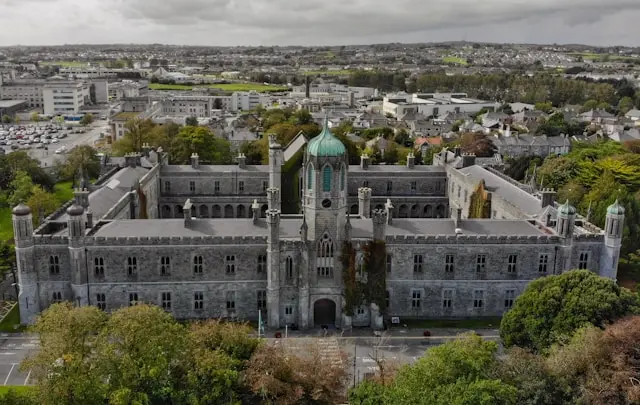
Galway sits where the River Corrib meets Galway Bay, a compact, walkable city that punches well above its size when it comes to culture. Known as the "City of Tribes" after the fourteen merchant families who once governed it, Galway has built a reputation as Ireland's festival capital, with live traditional music spilling out of pub doorways most nights of the week regardless of the season.
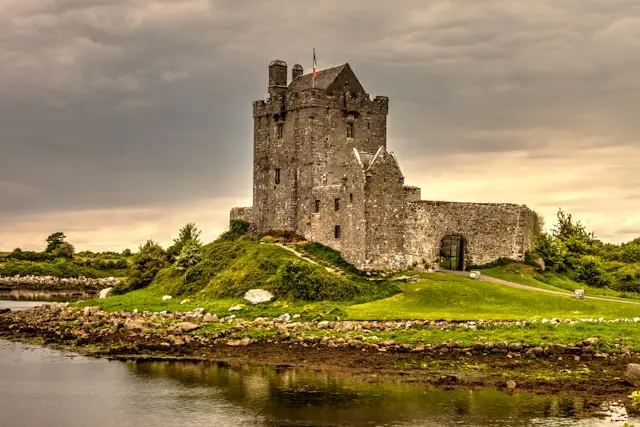
Beyond its own considerable charm, Galway is also one of the best-positioned bases in Ireland for exploring the country's wild west coast, sitting within easy reach of the Cliffs of Moher, the Aran Islands, and the rugged landscapes of Connemara. It is a city that rewards slow wandering as much as day-trip ambition.
Best Time to Visit Galway
Summer (June to August)
This is Galway's peak season, bringing the warmest weather, the longest daylight, and the busiest festival calendar of the year. The Galway International Arts Festival and Film Fleadh both run in July, followed by Galway Race Week in late July and early August, so booking accommodation well in advance is essential if visiting during any of these events.
Autumn (September to October)
Many locals and repeat visitors consider September the best all-round month, combining mild weather, thinning summer crowds, and the Galway International Oyster and Seafood Festival at the end of the month, the world's longest-running oyster festival. Day trips to the Cliffs of Moher, Connemara, and the Aran Islands are particularly pleasant in the softer autumn light.
Spring (March to May)
Spring brings milder temperatures and noticeably fewer crowds than summer, with the city's parks and gardens beginning to bloom. Weather is changeable, as it is for much of the year on Ireland's Atlantic coast, so this season suits travelers less concerned with guaranteed sunshine than with lower prices and a quieter city.
Winter (November to February)
Winters are cold, damp, and often windy given Galway's exposed position on the Atlantic, with daytime highs typically in the high single digits Celsius. It is the off-peak season for tourism, meaning lower prices and thinner crowds, and the city still keeps its cozy pub culture very much alive, including a Christmas market that fills Eyre Square.
Getting to Galway
Galway has a small regional airport, but most visitors arrive via Dublin, connecting onward by train or coach. Irish Rail's InterCity service runs between Dublin's Heuston Station and Galway in a little over two hours, while several coach operators run a similar or slightly longer journey, often at a lower price and with more frequent departures.
Ireland is not part of the Schengen Area, so travelers arriving from other European countries, including EU member states, will pass through a border check on entry. Citizens of the US, Canada, Australia, the UK, and many other countries can enter Ireland for short tourist stays without a visa, though requirements vary by nationality and are worth confirming with Irish immigration authorities before departure, particularly given the additional Electronic Travel Authorisation requirements that have been introduced for some visitors.

Transportation in Galway
Galway's city centre is small and easily covered entirely on foot, with Eyre Square, the Latin Quarter, and the Spanish Arch all within about a fifteen-minute walk of one another. Local Bus Éireann services connect the centre to outlying areas like Salthill, and taxis are readily available for late-night trips back from pubs or restaurants.
A car is not necessary for exploring the city itself but becomes useful for independently reaching Connemara or the Burren; parking in the centre is limited and often metered, so many visitors instead join a guided coach or minibus tour for day trips. Ferries to the Aran Islands depart from Galway's docks or from Rossaveal a short drive away, both easily reached without a car through connecting bus services offered by the ferry operators.
Things to Do in Galway
The Latin Quarter
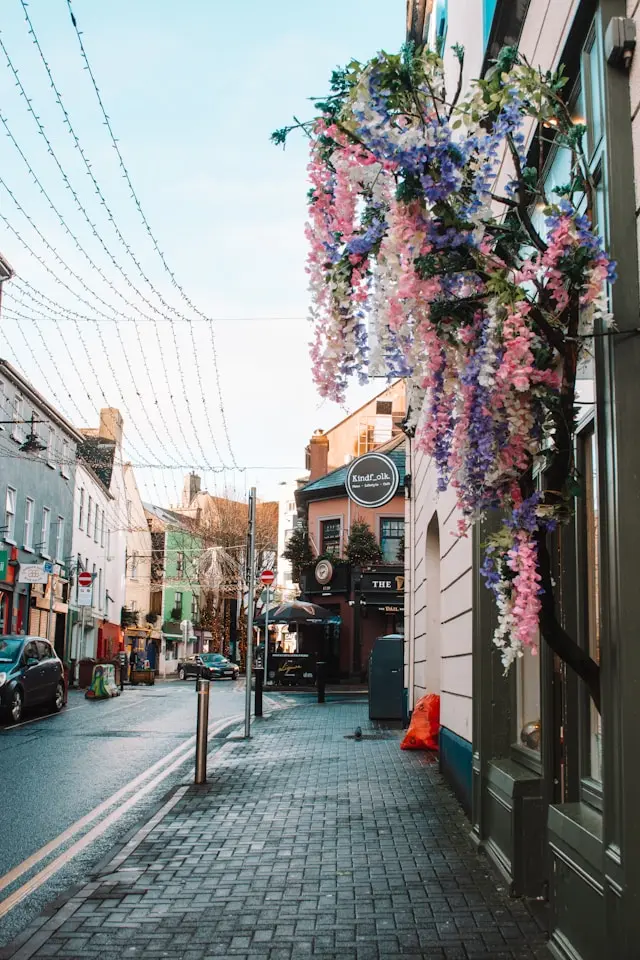
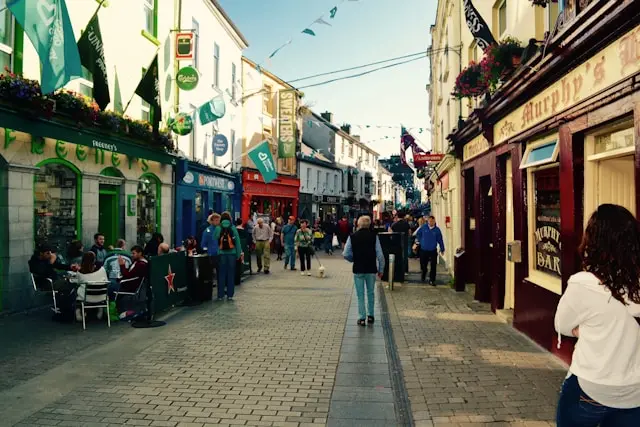
Stretching from Eyre Square down to the Spanish Arch, this pedestrian-friendly medieval quarter along Shop Street and Quay Street is Galway's cultural heart, lined with colorful shopfronts, buskers, art galleries, and pubs hosting live traditional music sessions most evenings. It is best explored slowly on foot, with no fixed itinerary beyond following the music and the crowds.
Spanish Arch and the Long Walk
This 16th-century stone archway on the River Corrib marks the edge of the old town and remains one of the most popular gathering spots in the city, especially on sunny days when Galwegians gather along the nearby Long Walk promenade. The adjoining Galway City Museum covers the city's history and archaeology for those wanting more context.
Traditional Music Sessions
Galway's live trad music scene is one of the best in Ireland, with pubs across the Latin Quarter hosting sessions most nights of the week, drawing both professional musicians and enthusiastic amateurs. Tig Chóilí and Taaffes are two long-running favorites, but wandering and following the sound of a fiddle is often just as rewarding.
Galway Cathedral
Completed in 1965, this relatively modern cathedral is notable for its striking dome and blend of architectural styles, standing on the site of the city's old prison beside the River Corrib. It is a short walk from the city centre and free to visit.
Salthill Promenade
A short walk or bus ride from the centre, this seafront promenade along Galway Bay is a popular spot for a bracing walk, with views toward the Burren and Clare coastline across the water. Local tradition holds that a walk along the prom isn't complete without "kicking the wall" at its far end.
Galway Market
Held on weekends near St. Nicholas' Collegiate Church, this long-running market sells fresh produce, artisan foods, and crafts, and is a good place to sample local specialties, including Galway's famous oysters, in a casual setting.
Neighborhoods to Explore
Latin Quarter
The historic core of the city, packed with pubs, shops, restaurants, and live music, running roughly from Eyre Square to the Spanish Arch along Shop Street and Quay Street.
Claddagh
Once a separate Irish-speaking fishing village and the origin of the famous Claddagh ring, this area just across the river from the Spanish Arch retains a quieter, more residential character while still being an easy walk from the centre.
Salthill
This seaside suburb a short walk or bus ride from downtown offers a long promenade, a pebble beach, and a slightly more relaxed pace than the bustle of the Latin Quarter, popular with families and walkers.

Food in Galway
Galway has one of Ireland's most celebrated food scenes, built around fresh seafood from the bay, above all the native oysters that have made the city famous. Restaurants around the Latin Quarter and Spanish Arch range from casual seafood chippers to more ambitious kitchens serving contemporary Irish cooking with a strong emphasis on local, seasonal ingredients.
Weekend markets near St. Nicholas' Church are a good, affordable way to sample local specialties, and the city's pubs remain central to the food and drink experience, serving hearty classics like seafood chowder and Irish stew alongside a well-poured pint of Guinness. The last weekend of September brings the Galway International Oyster and Seafood Festival, the world's longest-running oyster festival, drawing over 20,000 visitors for shucking championships and seafood trails around the city.

Day Trips from Galway
Cliffs of Moher
Rising up to 214 meters above the Atlantic and stretching some 8 kilometers along the County Clare coast, the Cliffs of Moher are one of Ireland's most visited natural landmarks and reachable from Galway by coach tour or, for those craving a different perspective, a boat cruise along their base. O'Brien's Tower at the clifftop offers views back across to the Aran Islands and Galway Bay on a clear day.
Aran Islands
A ferry from Galway's docks or nearby Rossaveal reaches Inis Mór, the largest of the three Aran Islands, in around 90 minutes to two hours depending on the departure point, or considerably faster by small plane. The island is known for its traditional Irish-language culture, dramatic stone forts including Dún Aengus, and a slower pace of life that makes for a memorable contrast with the city.
Connemara
North and west of Galway, the rugged landscape of Connemara combines mountains, bogland, and a wild Atlantic coastline, with highlights including Kylemore Abbey, the villages of Clifden and Leenane, and locations used in classic films like "The Quiet Man." Much of the region is a Gaeltacht, or Irish-speaking area, adding a distinct cultural layer to the scenery.
Budget & Costs in Galway
Galway is moderately priced by Western European standards, generally less expensive than Dublin but still carrying a premium during peak season and festival weeks, when accommodation prices can climb sharply. Pub meals and casual seafood spots offer reasonable value, while sit-down dining in the Latin Quarter's more ambitious restaurants runs higher, particularly for fresh oysters and seafood tasting menus.
Many of the city's best experiences cost little or nothing: wandering the Latin Quarter, listening to a pub trad session, or walking the Salthill promenade are all free, and the weekend market is an affordable way to sample local food. Guided day trips to the Cliffs of Moher, Aran Islands, or Connemara are typically the largest single expense for a short visit, so deciding how many to book is the most effective way to manage an overall budget.
Safety Tips in Galway
Galway is a safe city with low crime rates by international standards, and the ordinary precautions that apply in any European city, such as keeping an eye on belongings in busy pubs and during festival crowds, are generally sufficient. The main safety considerations for visitors relate to the outdoors and the coast: cliff edges at the Cliffs of Moher are unfenced in places, and Atlantic weather can change quickly.
- Stay behind barriers and away from the edge at the Cliffs of Moher, especially in wind or rain
- Pack waterproof layers regardless of season, since rain is frequent year-round on the west coast
- Check ferry schedules to the Aran Islands in advance, as sailings can be affected by weather
- Book accommodation well ahead during festival season, when the city fills up quickly
Local Customs & Etiquette
Galwegians are famously warm and chatty, and striking up a conversation with a stranger at a pub bar is entirely normal and often expected rather than intrusive. Tipping is appreciated but not obligatory the way it is in North America; rounding up or leaving around ten percent for a sit-down meal with good service is customary, while it is less common at the bar for drinks alone.
Traditional music sessions in pubs are a genuine part of local life, not a staged tourist show, so quiet appreciation and a bit of patience for tuning between tunes go a long way. Parts of Connemara and some day-trip destinations fall within the Gaeltacht, or Irish-speaking region, where Irish remains the everyday language; a friendly "go raibh maith agat" (thank you) is always well received, though English is spoken and understood everywhere.

Frequently Asked Questions about Galway
How many days do you need in Galway? +
Two days is enough to cover the city itself, including the Latin Quarter, Spanish Arch, and a pub music session, while three or four days allow time for at least one full-day trip to the Cliffs of Moher, the Aran Islands, or Connemara.
What is the best time of year to visit Galway? +
Summer, from June to August, brings the warmest weather and the busiest festival calendar, including the Galway International Arts Festival and Race Week; September is often considered the best all-round month, pairing mild weather and thinner crowds with the Galway Oyster Festival.
Do you need a visa to visit Galway? +
Ireland is not part of the Schengen Area and requires its own entry rules; travelers from the US, Canada, Australia, the UK, and many other countries can generally enter for short tourist stays without a visa, but requirements vary by nationality and are worth confirming before departure.
Is Galway expensive? +
Galway is moderately priced compared to Dublin, though prices rise noticeably during festival season and summer; many of the city's best experiences, including its music pubs and coastal walks, cost nothing, which helps balance the cost of guided day trips.
How do you get to the Cliffs of Moher from Galway? +
Most visitors join a guided coach or boat tour from Galway, which typically takes a full or half day; independent travelers with a car can also drive, though parking and unpredictable coastal weather are worth planning around.
Is Galway safe for visitors? +
Yes, Galway has low crime rates and is considered a safe city; the main precautions for visitors relate to unfenced cliff edges on day trips and fast-changing Atlantic weather rather than personal safety in town.
How do you get around Galway without a car? +
The city centre is compact and entirely walkable, and local buses cover Salthill and the wider city; a car or guided tour becomes useful mainly for reaching Connemara or the Burren independently.
What food is Galway known for? +
Galway is best known for fresh seafood, particularly its native oysters, celebrated each September at the world's longest-running oyster festival, alongside hearty pub classics like seafood chowder and Irish stew.
Can you visit the Aran Islands as a day trip? +
Yes, ferries from Galway's docks or nearby Rossaveal reach Inis Mór in around 90 minutes to two hours, making it a manageable, if long, day trip, and small planes offer a faster if pricier alternative.
Is Galway a good base for exploring the west of Ireland? +
Yes, Galway is one of the best-positioned bases on Ireland's west coast, within day-trip reach of the Cliffs of Moher, the Aran Islands, Connemara, and the Burren, all reachable by guided tour or independently with a car.