Table of Contents
Introduction
Why Europe is Perfect for Island Hopping in Summer
Europe's coastlines are dotted with some of the most beautiful islands in the world, making it a dream destination for summer travel. From the whitewashed cliffs of the Greek Islands to the volcanic landscapes of the Azores, island hopping lets you experience multiple destinations, cultures, and coastlines in a single trip. Summer offers the warmest waters, longest days, and liveliest atmosphere across nearly every island region in Europe.
Best Time to Go
The best time to go island hopping in Europe is between June and September, when ferry schedules are at their most frequent and the weather is reliably warm and dry. June and September tend to be less crowded than the peak of July and August, while still offering excellent weather.
How to Plan a Multi-Island Route
Planning a multi-island route takes a bit of strategy. Successful trips usually focus on one region rather than jumping between countries, since ferry connections within a region (like the Greek Islands or the Balearics) are far more frequent and affordable than traveling between different island groups.
- Pick one region to avoid excessive flight or ferry transfers
- Book accommodations early, especially for July and August
- Check ferry schedules in advance, as routes can be reduced outside peak season
- Leave buffer days in your itinerary in case of weather delays
Santorini & Mykonos, Greece
Iconic White-and-Blue Villages, Sunsets in Oia
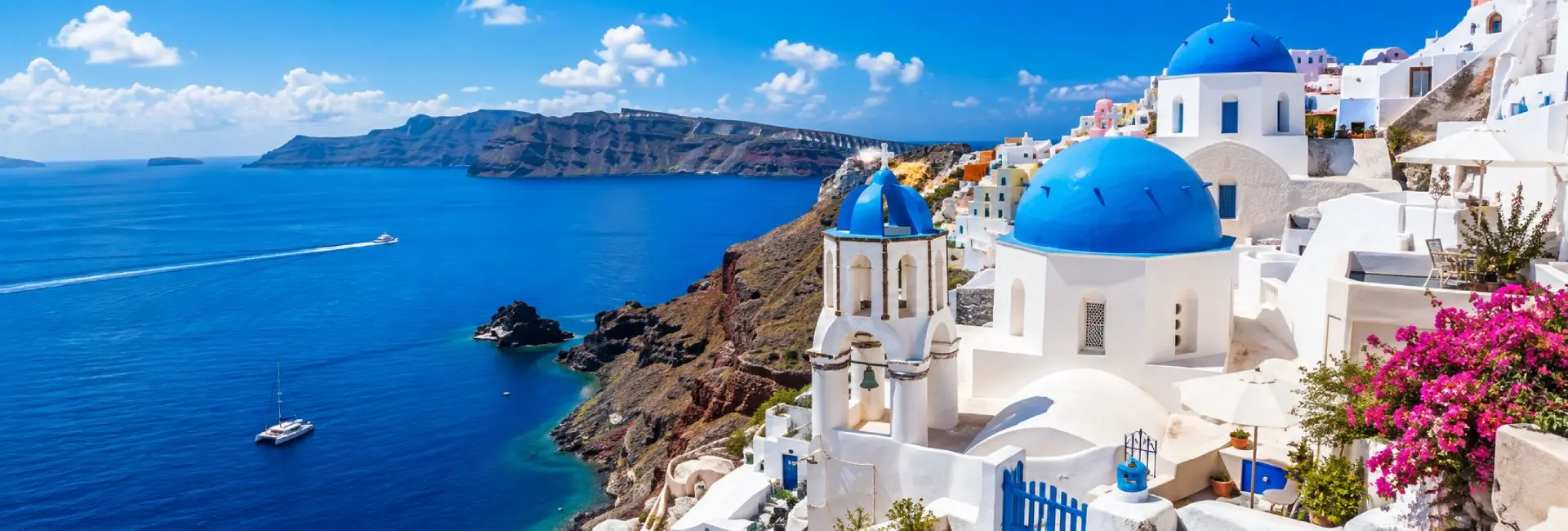
Santorini and Mykonos are two of the most iconic islands in the Greek archipelago, each offering a distinct experience. Santorini is known for its dramatic caldera views, whitewashed buildings with blue domes, and legendary sunsets, particularly from the village of Oia.
The village of Fira, Santorini's capital, is built along the edge of the caldera and offers panoramic views of the volcanic bay below. Wandering its narrow, winding streets in the early morning before the crowds arrive is one of the best ways to experience the island's charm.
Beach Hopping and Volcanic Landscapes
Mykonos, by contrast, is famous for its vibrant nightlife, chic beach clubs, and picturesque Chora with its narrow winding streets and iconic windmills. Both islands offer excellent beaches, though Mykonos leans more toward lively beach parties while Santorini's volcanic beaches offer a quieter, more scenic experience.
- Best beaches in Santorini: Red Beach, Perissa, and Kamari
- Best beaches in Mykonos: Paradise Beach, Psarou, and Elia
- Santorini's black and red sand beaches are formed from volcanic rock, giving them a striking, unique look
Local Food and Wine
Santorini is home to a distinct wine region, thanks to its volcanic soil, which produces the crisp white wine Assyrtiko. Many local wineries offer tastings with views over the caldera.
- Try fava, a local yellow split pea puree unique to Santorini
- Sample fresh seafood tavernas in Ammoudi Bay, just below Oia
- In Mykonos, look for Kopanisti, a spicy local cheese served as a meze
Getting Between the Two Islands
Ferries between the two islands run frequently in summer, taking around 2 to 3 hours.
- Book ferry tickets a few days ahead during July and August
- High-speed ferries cut travel time but cost more than standard routes
- Both islands also have their own airports with direct flights from Athens
The Amalfi Coast Islands, Italy (Capri & Ischia)
Capri's Blue Grotto and Glamorous Vibe
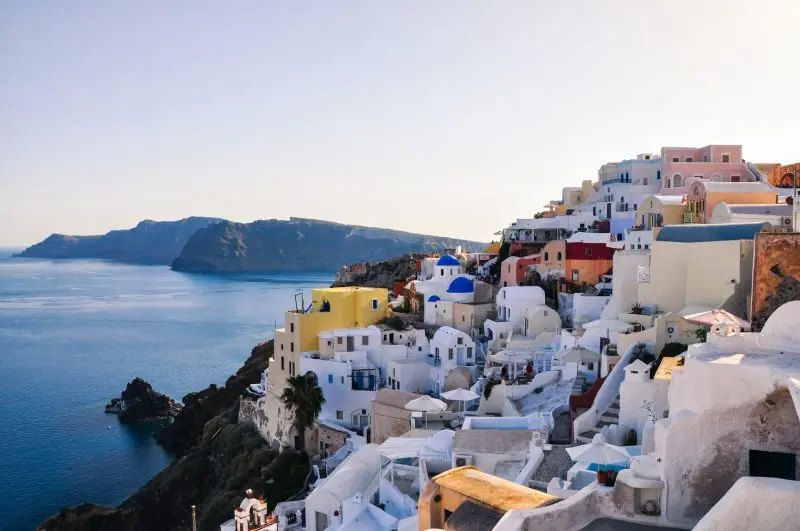
Just off the coast of Naples and Sorrento lies Capri, a glamorous and scenic island known for its dramatic cliffs, designer boutiques, and the famous Blue Grotto, a sea cave illuminated by a striking blue light.
Beyond the Blue Grotto, Capri's charm lies in its scenic walking paths, such as the Via Krupp, a winding path carved into the cliffside, and the chairlift ride up Monte Solaro, which offers sweeping views of the entire island and the Bay of Naples.
- Capri highlights: Blue Grotto, Faraglioni rock formations, Anacapri
- Piazzetta, Capri's main square, is a popular spot for people-watching and evening drinks
Ischia's Thermal Springs and Quieter Pace
Ischia offers a quieter alternative, known for its natural thermal springs, lush gardens, and laid-back pace. It's a popular choice for travelers looking to relax rather than sightsee.
The island's volcanic origins have given rise to numerous thermal parks, where visitors can soak in naturally heated pools surrounded by Mediterranean gardens. Ischia is also known for its excellent local wine production, particularly the crisp white Biancolella.
- Ischia highlights: Poseidon Thermal Gardens, Aragonese Castle, Sant'Angelo village
- Explore La Mortella, a botanical garden known for its rare and exotic plant collections
Local Cuisine
Both islands offer excellent seafood-focused Italian cuisine, drawing on fresh catches from the Tyrrhenian Sea.
- Try Caprese salad, said to have originated on the island of Capri
- Sample coniglio all'ischitana, a traditional rabbit dish unique to Ischia
- Look for limoncello made from locally grown lemons on both islands
Day Trips from Naples or Sorrento
Both islands are easily reached as day trips from Naples or Sorrento.
- Hydrofoils and ferries run regularly throughout the summer season
- Early morning departures help avoid the busiest crowds at popular sites
- Consider staying overnight on Capri to experience the island after day-trippers leave
Balearic Islands, Spain (Mallorca & Ibiza)
Mallorca's Coves and Hiking Trails
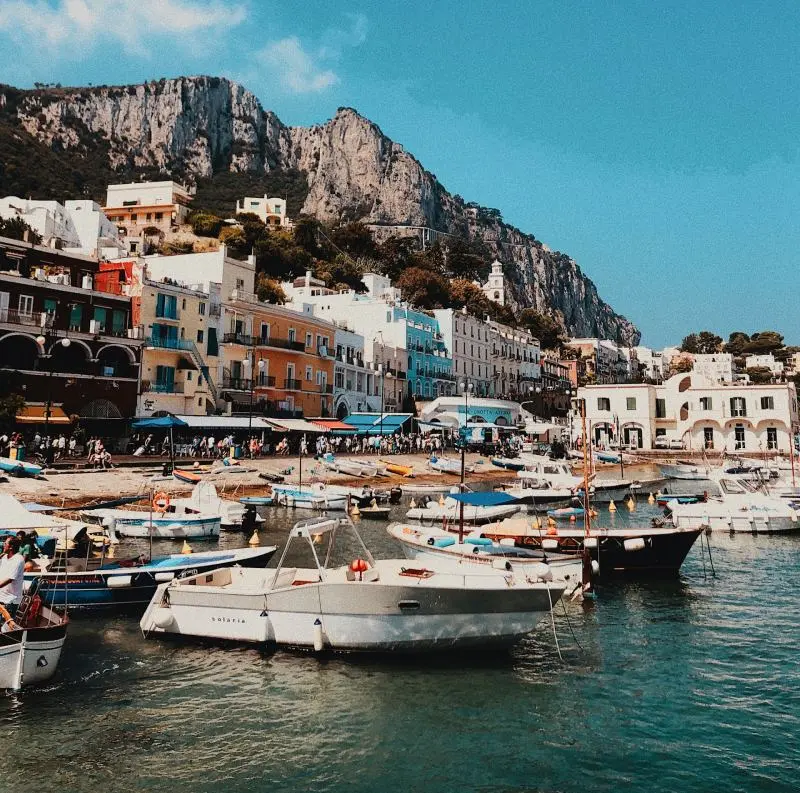
The Balearic Islands, located off Spain's eastern coast, are a favorite summer destination for both relaxation and nightlife. Mallorca, the largest of the group, offers dramatic coastlines, hidden coves, and excellent hiking trails through the Serra de Tramuntana mountains.
The Serra de Tramuntana, a UNESCO World Heritage mountain range, stretches along the island's northwest coast and offers some of the best hiking in the Mediterranean, with trails passing through terraced olive groves and traditional stone villages like Deià and Valldemossa.
- Mallorca highlights: Cala Mondragó, Palma old town, Tramuntana hiking trails
- Palma Cathedral, known locally as La Seu, is one of the tallest Gothic cathedrals in Europe
Ibiza's Nightlife vs. Its Hidden Calm Beaches
Ibiza is world-famous for its nightlife and electronic music scene, but it also has a quieter side, with peaceful beaches and a laid-back hippie culture in areas like Es Vedrà and the northern coast.
The north of Ibiza offers a very different atmosphere from the party scene in the south, with boho markets, yoga retreats, and secluded coves that attract a more relaxed crowd. Sunset at Café del Mar remains a classic Ibiza experience.
- Ibiza highlights: Es Vedrà, Cala Comte, and the historic Dalt Vila
- Visit the Hippy Market in Es Canar for local crafts and jewelry
Local Food and Drink
The Balearics have a distinct culinary identity shaped by both Spanish and Mediterranean influences.
- Try ensaimada, a spiral-shaped pastry that's a Mallorcan specialty
- Sample sobrassada, a cured, spreadable pork sausage found across the islands
- Pair meals with local Mallorcan wines from the Binissalem region
Island-to-Island Ferry Connections
Ferries between Mallorca and Ibiza take roughly 2 to 4 hours depending on the route.
- Both islands have international airports, making them easy to combine with mainland Spain
- Multiple ferry operators run daily crossings during peak summer months
- Consider adding Formentera, a smaller nearby island, for a quieter beach day trip from Ibiza
Croatian Islands (Hvar & Korčula)
Hvar's Lavender Fields and Lively Harbor
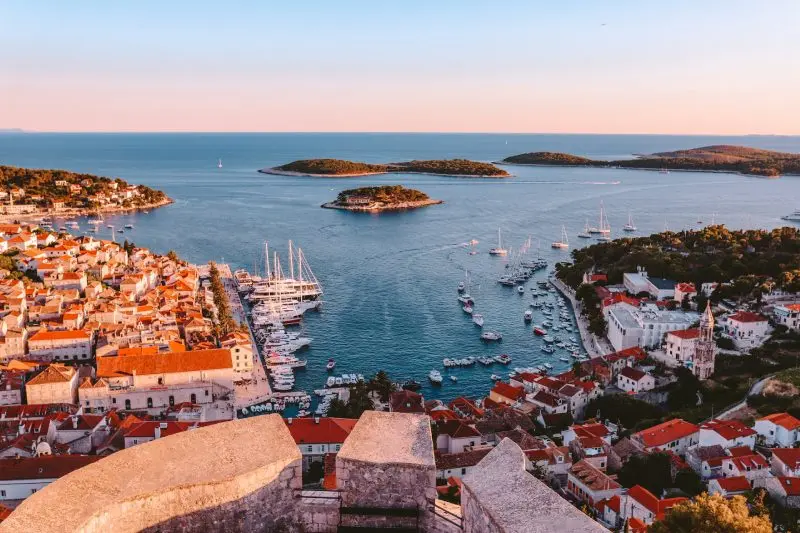
The Dalmatian Coast is home to some of Europe's most scenic islands, and Hvar is a standout destination. Hvar is known for its lavender fields, elegant harbor, and lively summer social scene, drawing visitors from around the world.
Hvar Town's fortress, Fortica, sits above the harbor and offers one of the best sunset views on the island. The surrounding hills are covered in lavender fields that bloom in early summer, filling the air with fragrance.
- Hvar highlights: Hvar Old Town, Pakleni Islands, lavender fields
- Take a boat trip to the nearby Pakleni Islands for quieter beaches and clear waters
Korčula's Old Town and Wine Country
Korčula offers a more relaxed atmosphere, with a charming Old Town said to be the birthplace of Marco Polo, along with excellent local wine and quiet pebble beaches.
The Old Town's streets are arranged in a herringbone pattern, designed centuries ago to reduce wind exposure while still allowing sea breezes to circulate. Just outside town, the Pelješac Peninsula and nearby vineyards produce some of Croatia's finest red wines.
- Korčula highlights: Old Town walls, local vineyards, Vela Przina beach
- Try Grk and Pošip, two indigenous white wine varieties grown only in this region
Local Cuisine
Dalmatian cuisine reflects the region's coastal geography, with a strong emphasis on fresh seafood and Mediterranean flavors.
- Try black risotto, made with cuttlefish ink for its distinctive color and flavor
- Sample fresh grilled fish served simply with olive oil and local herbs
- Pair meals with local Croatian wines, particularly from the Pelješac Peninsula
Sailing the Dalmatian Coast
Sailing is a popular way to explore the Dalmatian Coast and its many islands.
- Regular ferries connect Split, Hvar, and Korčula throughout summer
- Private sailing charters offer flexibility for exploring smaller nearby islands
- Consider a multi-day sailing itinerary that also includes Brač and Vis for a fuller island-hopping experience
Azores, Portugal
Volcanic Crater Lakes and Hot Springs
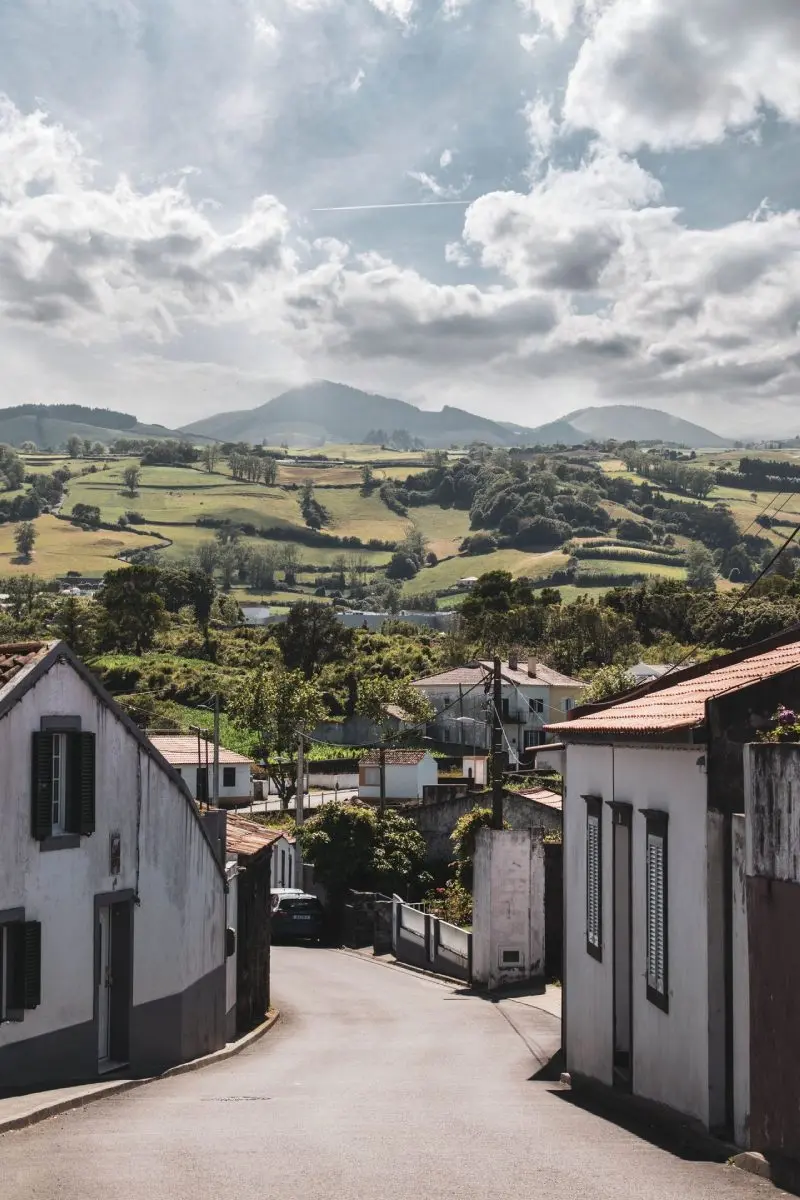
Far out in the Atlantic Ocean, the Azores offer a completely different island experience from the Mediterranean classics. This volcanic archipelago is known for its dramatic crater lakes, natural hot springs, and lush green landscapes.
Sete Cidades, located within a massive volcanic crater on São Miguel, features two lakes side by side, one blue and one green, surrounded by dramatic cliffs and hiking trails. The Furnas Valley is another highlight, known for its bubbling hot springs and traditional slow-cooked stew, cozido, prepared using geothermal heat.
- Must-see spots: Sete Cidades crater lakes, Furnas hot springs, Pico Mountain
- Terra Nostra Park in Furnas features a large thermal pool surrounded by botanical gardens
Whale Watching and Hiking Trails
The Azores are also one of the best places in Europe for whale watching, along with extensive hiking trails that wind through volcanic craters and coastal cliffs.
More than two dozen species of whales and dolphins pass through Azorean waters throughout the year, making it one of the top whale-watching destinations in the world. Pico Mountain, Portugal's highest peak, offers a challenging but rewarding hike to its summit.
- Popular activities: whale watching, hiking, and geothermal spa visits
- Sperm whales can be spotted year-round, while other species are more seasonal
Local Food and Culture
Azorean cuisine is hearty and rooted in local, volcanic-grown produce and fresh seafood.
- Try cozido das Furnas, a stew slow-cooked underground using natural geothermal heat
- Sample local Azorean cheese, particularly São Jorge, known for its sharp flavor
- Look for Pico wine, grown in volcanic rock enclosures called currais
Why It's Europe's Most Underrated Island Escape
It remains one of the continent's most underrated island destinations, offering a peaceful alternative to the busier Mediterranean hotspots.
- Best islands to visit: São Miguel, Pico, and Faial
- Inter-island flights and ferries connect the main islands during summer
- Fewer crowds and lower prices make it ideal for travelers seeking a nature-focused getaway
Practical Planning Guide
Sample 10-Day and 14-Day Itineraries
A well-planned itinerary makes island hopping far less stressful.
- 10-day itinerary: Focus on one region, such as the Greek Islands or the Balearics, visiting 2 to 3 islands
- 14-day itinerary: Allows for a more relaxed pace or the chance to combine two nearby regions, such as Croatia and Italy
Ferry Passes, Inter-Island Flights, and Booking Tips
Choosing the right mode of transport between islands can save both time and money.
- Ferry passes: Look into regional multi-ride ferry passes to save money on frequent inter-island travel
- Inter-island flights: Useful for longer distances, such as within the Azores
Budget Breakdown by Region
Costs can vary significantly depending on which region you choose.
- Budget tip: Accommodation and ferries are generally cheaper in Croatia and Portugal compared to Greece and Italy in peak season
Packing List for Island Hopping
Packing light and smart makes moving between islands much easier.
- Packing essentials: Lightweight clothing, swimwear, reef-safe sunscreen, a portable charger, and comfortable walking shoes
Final Tips
Avoiding Peak Crowds
Timing and planning can make a significant difference in the quality of an island-hopping trip.
- Avoiding crowds: Travel in early June or mid-to-late September for fewer tourists and lower prices
Best Islands for Families vs. Couples vs. Solo Travelers
Different islands suit different types of travelers, so choosing the right fit matters.
- Best for families: Ischia, Mallorca, and the Azores offer calmer beaches and family-friendly activities
- Best for couples: Santorini and Capri are popular for their romantic scenery and upscale experiences
- Best for solo travelers: Ibiza and Hvar offer social atmospheres that make it easy to meet other travelers
Frequently Asked Questions About Island Hopping in Europe
What is the best month for island hopping in Europe? +
June and September are considered the best months for island hopping in Europe. The weather is warm and reliable, ferry schedules are frequent, and crowds are noticeably smaller compared to the peak of July and August.
Do I need a car, or are ferries enough to get around? +
In most island regions, ferries, local buses, and scooter rentals are enough to get around without a car. However, larger islands like Mallorca or Santorini can be easier to explore with a rental car, especially if you want to reach remote beaches or villages.
How many islands can I realistically visit in 10 days? +
Most travelers can comfortably visit 2 to 3 islands within a 10-day trip if they stay within one region, such as the Greek Islands or the Balearics. Trying to cover more islands in this timeframe often leads to rushed visits and less time to actually relax.
Is island hopping in Europe expensive? +
Costs vary significantly by region. Greece and Italy tend to be more expensive during peak summer season, while Croatia and Portugal generally offer more budget-friendly options for accommodation, food, and ferries.
Which islands are best for beginners doing this for the first time? +
The Greek Islands, particularly Santorini and Mykonos, are considered beginner-friendly due to frequent ferry connections, English-speaking staff, and well-established tourist infrastructure.
Do I need to book ferries in advance during summer? +
Yes, especially during July and August. Popular routes can sell out several days in advance during peak season, so booking ferry tickets ahead of time is strongly recommended.
Is it better to fly or take a ferry between islands? +
This depends on the distance and your budget. Ferries are usually cheaper and more scenic for shorter distances, while flights can save significant time for longer routes, such as traveling between the main Azorean islands.
What should I pack for a European island-hopping trip? +
Lightweight, breathable clothing, swimwear, comfortable walking shoes, reef-safe sunscreen, and a portable charger are essential. A small daypack is also useful for day trips and ferry transfers.
Are European islands family-friendly? +
Many islands, such as Ischia, Mallorca, and the Azores, are well-suited for families thanks to calmer beaches, family-friendly accommodations, and a wide range of activities suitable for children.
What is the biggest mistake people make when planning an island-hopping trip? +
One of the most common mistakes is trying to visit too many islands in too little time. Overpacking an itinerary often leads to long transit days and less time to actually enjoy each destination, so it's best to prioritize quality over quantity.