

Table of Contents
About London
London is one of those cities that resists being seen in a single trip, not because it lacks a center of gravity but because it has several. It is at once a seat of centuries old monarchy, a global finance hub, and one of the most culturally diverse cities on earth, with well over 300 languages spoken across its neighborhoods.
The city grew out of the old walled City of London, now just one square mile and the financial district, and expanded outward to absorb dozens of once separate towns and villages, which is part of why London can feel less like one city and more like a patchwork of very different ones stitched together. Westminster, Camden, Greenwich, and Notting Hill all have distinct identities that go well beyond their proximity on a map.
Unlike more compact European capitals, London is spread out, and getting a sense of the city usually means relying on the Underground rather than walking between every sight. Even so, entire days can be spent wandering a single neighborhood without ever feeling like you have exhausted it.
Climate in London
London has a temperate maritime climate, meaning it rarely swings to extremes but also rarely offers long stretches of guaranteed sunshine. Rain is a near constant possibility in any season, though it tends to arrive as light, passing showers rather than prolonged downpours.
- Spring, from March to May, brings mild temperatures generally between 8 and 15 degrees Celsius, or 46 to 59 degrees Fahrenheit, along with blooming parks and gardens, making it a pleasant time to visit before the summer crowds arrive.
- Summer, from June to August, is the warmest and driest stretch, with temperatures typically between 18 and 24 degrees Celsius, or 64 to 75 degrees Fahrenheit, and occasional heatwaves pushing higher. It is also the busiest and most expensive season for visitors.
- Autumn, from September to November, offers a good middle ground, with cooler temperatures, fewer tourists, and the parks turning color, though days shorten quickly by late October.
- Winter, from December to February, is cold and often grey, with temperatures generally between 2 and 8 degrees Celsius, or 36 to 46 degrees Fahrenheit. Snow is infrequent, but short daylight hours, sometimes just eight hours around the solstice, shape the rhythm of the day.
Regardless of season, a compact umbrella and a layerable jacket are more useful in London than any single weather forecast.
Getting to London
London is served by six airports, though most international visitors will land at one of two.
- Heathrow, about 24 kilometers west of central London, is the busiest and handles the majority of long haul international flights. The Elizabeth line and Heathrow Express both connect it to central London in roughly 15 to 45 minutes depending on the station, while the Piccadilly line offers a slower but cheaper Underground option.
- Gatwick, south of the city, handles a large share of European and leisure routes. The Gatwick Express train reaches central London in about 30 minutes.
Smaller airports, including Stansted, Luton, London City, and Southend, are used mostly by budget carriers and regional flights, and each has its own rail or coach connection into the city, generally taking 45 minutes to over an hour.
For travelers coming from continental Europe, the Eurostar high speed train connects Paris, Brussels, and Amsterdam directly to St Pancras International in central London, with journey times of roughly two to four hours and no airport transfer required on either end.
Entry requirements vary by nationality and are subject to change, including the UK's Electronic Travel Authorisation scheme for many visa exempt visitors, so it is worth checking current rules directly with an official UK government source shortly before traveling.

Transportation in London
The London Underground, known locally as the Tube, is the fastest way to cover long distances across the city, with 11 lines and trains generally running from around 5 a.m. until just after midnight, with select lines running all night on Friday and Saturday.
The simplest way to pay is a contactless bank card or a reloadable Oyster card, both of which are tapped in and out at gates and automatically calculate the cheapest fare for the day based on zones traveled, capping the total cost once you have taken enough trips.
Buses cover the city extensively and are often a better way to see London above ground, with the added benefit of being slightly cheaper per trip than the Tube, though slower in heavy traffic.
The Overground and London Underground's DLR line extend coverage into areas the Tube does not reach as directly, including parts of east and south London.
Walking is genuinely rewarding in central London, particularly between neighborhoods like Covent Garden, Soho, and the South Bank, which sit close enough together to link on foot along the Thames.
Black cabs and ride hailing apps are widely available, and river boats along the Thames offer a scenic, if slower, way to travel between riverside sights like Westminster, the Tower of London, and Greenwich.
Top Attractions in London
London has an unusually dense concentration of major sights, and it helps to think in clusters rather than trying to string together a scattered checklist across the city.
- The Tower of London, on the north bank of the Thames, houses the Crown Jewels and centuries of history within its walls, and is best visited with a pre-booked ticket to avoid long queues.
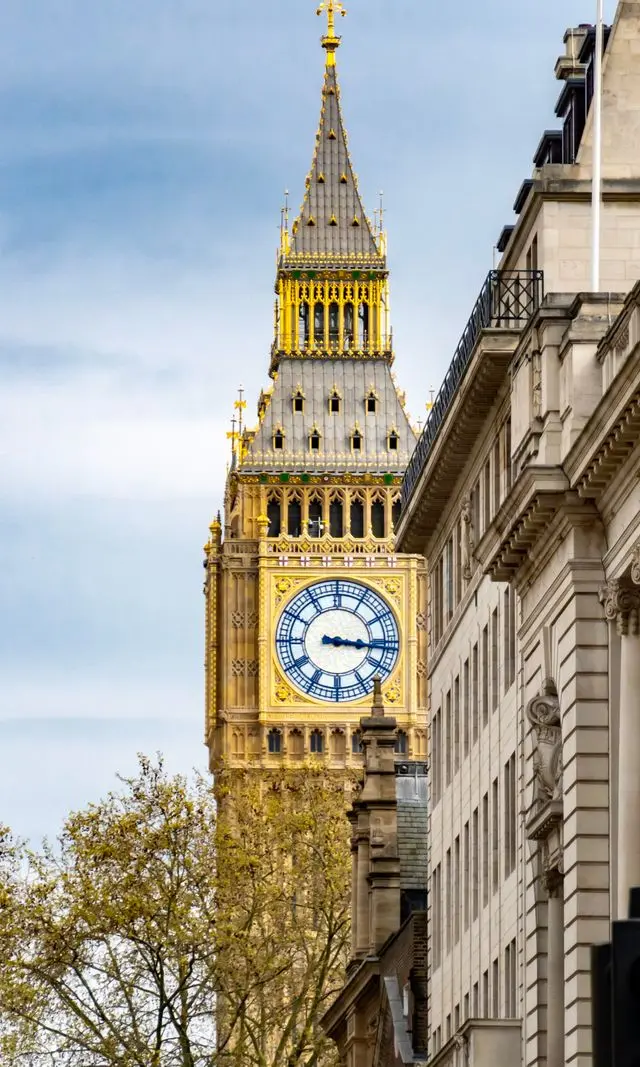
- Westminster Abbey and the Houses of Parliament, alongside the iconic Elizabeth Tower that houses Big Ben, form the historic core of British governance and are within easy walking distance of each other.
- The British Museum, free to enter, holds an enormous collection spanning world history, including the Rosetta Stone and the Parthenon sculptures, and easily fills half a day.
- The National Gallery, overlooking Trafalgar Square and also free to enter, houses masterworks from the thirteenth to nineteenth centuries.
- The Tate Modern, housed in a former power station on the South Bank, is one of the world's leading modern art museums and pairs well with a walk across the Millennium Bridge to St Paul's Cathedral.
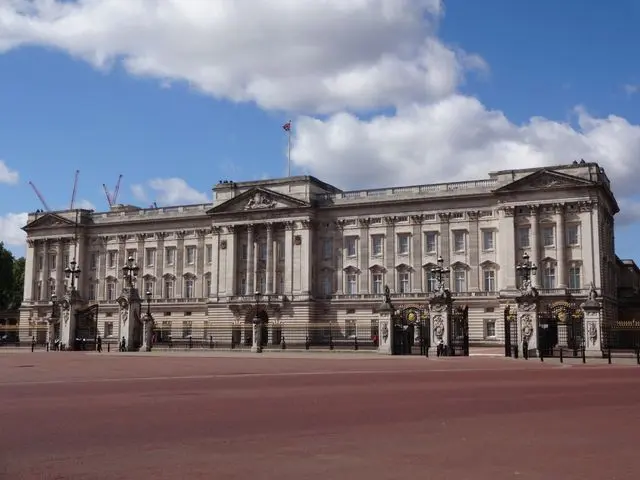
- Buckingham Palace draws crowds especially during the Changing of the Guard ceremony, which typically takes place several days a week depending on the season.
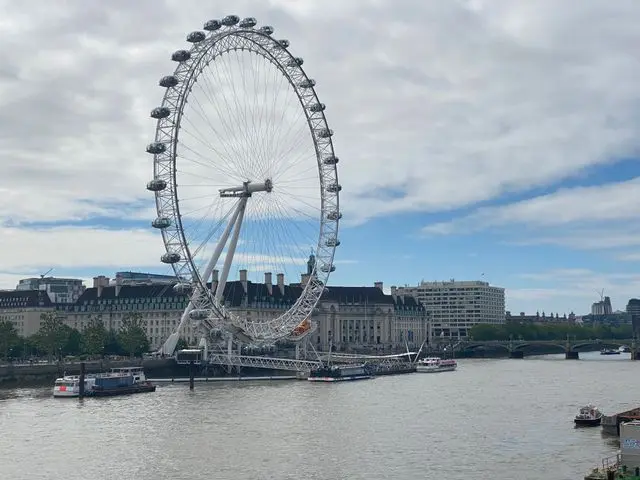
- The London Eye offers sweeping views over the city and is particularly striking around sunset, though booking ahead is worthwhile given how popular it is.
Many of London's best known museums are free to enter, which makes it easier to spread visits across several shorter trips rather than cramming everything into one exhausting day.
Neighborhoods to Explore
London's neighborhoods are distinct enough that where you spend your time shapes the trip almost as much as which sights you see.
- Covent Garden and Soho, in the West End, combine theater, shopping, and a dense concentration of restaurants and bars, and are lively well into the evening.
- Notting Hill, in west London, is known for its colorful houses, Portobello Road Market, and a quieter, more residential pace than the central tourist areas.
- Shoreditch, in east London, has become the city's hub for street art, independent galleries, and a young, creative food and nightlife scene built around former industrial buildings.
- Greenwich, in southeast London, offers a village feel along the Thames, home to the Royal Observatory, the Cutty Sark, and the historic Maritime Museum.
- Camden, in north London, is known for its market, alternative fashion scene, and canal side walks, with a noticeably different energy than the more polished West End.
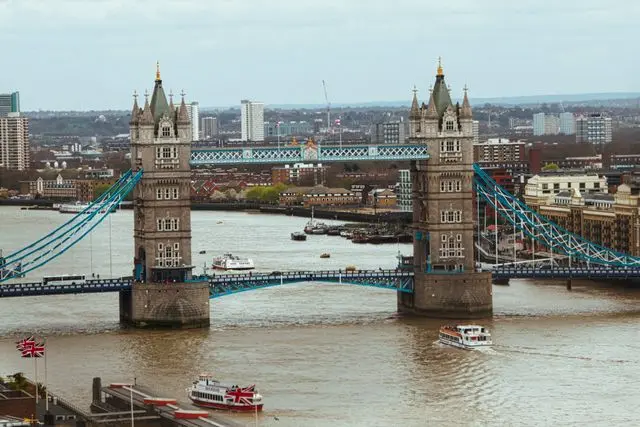
- South Bank, stretching along the river from the London Eye to Tower Bridge, links several major sights and is one of the most pleasant stretches of the city for an extended walk.
Rather than trying to see every neighborhood, choosing two or three that match your interests, whether that is markets, art, history, or nightlife, tends to make for a more satisfying trip than a rushed tour of the whole city.
Food in London
London's food scene has shifted dramatically over the past few decades, and the city now reflects its diversity as much through its restaurants as anything else, with genuinely excellent options across nearly every global cuisine alongside a renewed pride in modern British cooking.
- Traditional British dishes like fish and chips, a Sunday roast, or a proper pub pie are still worth seeking out, ideally at an established pub rather than a tourist focused chain near a major sight.
- Markets such as Borough Market, near London Bridge, and Broadway Market, in east London, are excellent for sampling a wide range of food in one place, from artisan cheese to global street food stalls.
- Curry houses, particularly around Brick Lane, reflect London's long standing South Asian communities and are considered by many locals to be some of the best in the country outside South Asia itself.
- Afternoon tea, while a bit of a tourist ritual, remains a genuinely pleasant experience at the right venue, typically involving finger sandwiches, scones, and a selection of teas over a couple of relaxed hours.
- Pubs function as much as social institutions as places to eat and drink, and ordering at the bar rather than waiting for table service is the norm in most of them.
Reservations are worth making for well regarded restaurants, especially on weekends, though London also has no shortage of excellent casual and walk-in options if you prefer to decide on the day.

Accommodation in London
Where to stay in London depends heavily on budget, since prices vary enormously between central and outer neighborhoods, and on what kind of trip you are after.
- Westminster and South Kensington put you close to major sights and museums, with an elegant, established feel, though prices here run on the higher end.
- Covent Garden and Soho offer a central, walkable base with easy access to theater, shopping, and nightlife, but can be noisy and are priced accordingly.
- Shoreditch and East London offer a younger, more affordable alternative with strong food and nightlife scenes, at the cost of being a bit further from the classic sights.
- Notting Hill and Paddington provide a quieter, more residential base with good transport links, appealing if you want central access without the busiest tourist streets.
- Greenwich and areas further from the center can offer better value, particularly for longer stays, provided you are comfortable relying more heavily on the Tube or river boats to get around.
London hotel prices, particularly in central zones, tend to be higher than many other European capitals, so booking well in advance and being flexible on exact neighborhood can make a meaningful difference to cost.
Day Trips from London
London's excellent rail connections make several worthwhile destinations accessible without an overnight stay.
- Windsor, home to Windsor Castle, one of the official residences of the British monarchy, is about 40 minutes by train from central London and can easily be combined with a short walk through the town itself.
- Oxford, roughly an hour away by train, offers centuries old university colleges, museums, and a pleasant town center that rewards a slow wander.
- Cambridge, also about an hour away, has a similar university town charm to Oxford, along with the option to punt along the River Cam.
- Bath, around 90 minutes by train, is known for its Roman baths and well preserved Georgian architecture, making it a popular full day trip.
- Stonehenge, best reached by a combination of train and coach or an organized tour, sits roughly two hours from London and is often paired with a stop in nearby Salisbury.
Most of these destinations are straightforward to reach independently by train from major London stations, though booking tickets in advance often brings the fare down significantly compared to buying on the day.
Safety Tips in London
London is generally a safe city for travelers, and violent crime against tourists is uncommon. The more realistic concerns are petty theft and scams, particularly in crowded tourist areas and on busy Underground lines during rush hour.
A few practical habits help reduce risk.
- Keep bags zipped and phones out of back pockets in crowded areas like Oxford Street, Camden Market, and busy Tube stations.
- Be cautious of unsolicited offers of help, unofficial ticket sellers near major attractions, and street games that seem designed to separate you from your money.
- Use licensed black cabs or well known ride hailing apps rather than unmarked minicabs offering rides directly on the street.
- Stay aware of your surroundings late at night in busy nightlife areas, where large crowds can create opportunities for pickpocketing.
- Keep copies of important documents separate from the originals in case anything is lost or stolen.
If you do experience theft, London has a non-emergency police line for reporting, and most travel insurance will require a police reference number for any claim.

Budget & Costs in London
London is one of the more expensive cities in Europe to visit, though costs can be managed considerably depending on how you travel.
- Budget travelers can keep costs down by staying in hostels or budget accommodation slightly outside the center, taking advantage of the many free museums, and eating at markets or casual spots rather than sit-down restaurants.
- Mid-range travelers have plenty of options for comfortable hotels, a mix of pub meals and nicer dinners, and standard use of the Tube and paid attractions.
- Higher end travelers will find no shortage of ways to spend more, from luxury hotels in Mayfair or Knightsbridge to fine dining and West End theater with premium seating.
A few habits help stretch a budget regardless of spending level, including relying on the many free national museums, using contactless payment on transport to automatically get the cheapest fare and daily cap, and booking theater tickets or major attractions in advance, since last minute prices tend to run higher.
Local Customs & Etiquette
British etiquette in London tends to be understated, and small courtesies matter more than they might initially seem.
- Queuing is taken seriously. Jumping a line, whether at a bus stop, a ticket counter, or a market stall, is one of the more noticeable social missteps a visitor can make.
- Please and thank you are used frequently, even in brief transactions like buying a coffee or tapping through a Tube gate, and their absence is noticed more than their presence.
- Standing on the right on Underground escalators, leaving the left side clear for people walking, is a strongly held unwritten rule, especially during rush hour.
- Tipping is appreciated but less obligatory than in the United States. Around 10 to 12.5 percent at sit-down restaurants is standard, and it is worth checking whether a service charge has already been added to the bill.
- Directness is generally softened with politeness. Complaints or requests are often phrased indirectly, and a blunt tone, even if well intentioned, can come across as more abrupt than intended.
Beyond these specifics, a generally low key, patient demeanor tends to fit well with the overall rhythm of the city.
Suggested Itineraries
One Day in London
Start at the Tower of London before it gets busy, then walk across Tower Bridge toward the South Bank. Continue along the river past the Tate Modern and Shakespeare's Globe, cross the Millennium Bridge to St Paul's Cathedral, and finish the afternoon around Trafalgar Square and the National Gallery before an evening in Covent Garden or Soho.
Three Days in London
- Day one covers the Tower of London, Tower Bridge, the South Bank, and an evening in Covent Garden or Soho.
- Day two covers Westminster Abbey, the Houses of Parliament, Buckingham Palace, and the British Museum in the afternoon.
- Day three covers a chosen neighborhood, such as Notting Hill or Shoreditch, in the morning, followed by either Greenwich or a half day trip to Windsor in the afternoon.
One Week in London
The extra days allow for a couple of day trips, such as Oxford or Bath, along with more time to explore neighborhoods at a slower pace, revisit favorite museums, and build in downtime in one of the city's many parks, such as Hyde Park or Regent's Park, rather than treating every day as a full sightseeing itinerary.

Common Questions About Visiting London
Is London expensive? +
It is one of the pricier European capitals, particularly for accommodation, though many major museums are free and transport costs can be kept manageable with contactless payment fare caps.
How many days do you need in London? +
Three to four days covers the major sights comfortably, while a week allows time for day trips and a slower, more neighborhood focused pace.
Is London safe for solo travelers? +
Generally yes. The main concern is petty theft rather than violent crime, and normal city awareness in crowded areas covers most situations.
What is the best time of year to visit? +
Late spring through early summer and September into October tend to offer a good balance of decent weather, longer daylight hours, and slightly thinner crowds than peak summer.
Is the Underground easy to use for visitors? +
Yes. The Tube is extensive and well signposted, and tapping in with a contactless card or Oyster card removes the need to plan fares in advance.
Do I need to book attractions in advance? +
For popular sights like the Tower of London, the London Eye, and major West End shows, booking ahead is strongly recommended, since walk-up availability and pricing are often worse on the day.