

Table of Contents
- About Burgas
- Climate & Best Time to Visit
- Getting to Burgas
- Getting Around Burgas
- The Sea Garden & City Beaches
- Burgas Lakes & Birdwatching
- Exploring the City Center
- Food in Burgas
- Where to Stay in Burgas
- Day Trips from Burgas
- Festivals & Events
- Budget & Costs in Burgas
- Local Customs & Etiquette
- Safety Tips in Burgas
About Burgas
Burgas is Bulgaria's fourth-largest city and the main hub of its southern Black Sea coast, built around a working port rather than a postcard old town. Its center follows a practical grid of wide streets rather than the cobbled lanes found in nearby Nessebar or Sozopol, and it has never really tried to be a resort in its own right.
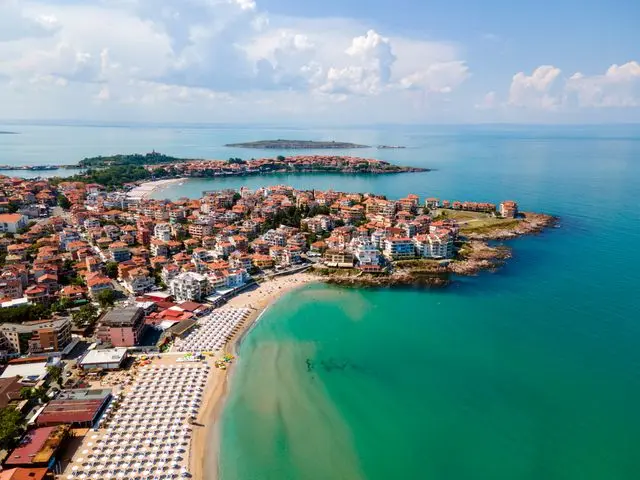
What Burgas offers instead is a genuinely pleasant coastal park in the Sea Garden, a long uncrowded city beach, and a pair of brackish coastal lakes that draw birdwatchers from across Europe. It also happens to be the best-connected base on the southern coast, sitting within easy day-trip range of Nessebar's UNESCO old town, the historic streets of Sozopol, and the resort strip of Sunny Beach. Visitors who spend a night or two here, rather than passing straight through to the resorts, tend to come away liking it more than they expected.
Climate & Best Time to Visit
Summer (June–September)
This is peak season, with warm, mostly dry weather and sea temperatures comfortable for swimming from June through September. July and August are the hottest and busiest months, drawing the largest crowds to the beach and the most flights into Burgas Airport.
Spring & Autumn (April–May, October)
Milder, quieter shoulder seasons with cooler but still pleasant weather, thinner crowds, and lower accommodation prices. These months are also the best windows for birdwatching on the Burgas lakes, as migratory species pass through in far greater numbers than during the summer.
Winter (November–March)
Burgas is a much quieter, largely local city in winter. The Black Sea keeps temperatures milder than inland Bulgaria, but it's a cool, often windy season with little of the seasonal infrastructure that supports summer tourism still running.
Getting to Burgas
By Air
Burgas Airport (BOJ) sits about 10 km from the city center and is the main gateway to the southern Black Sea coast. It sees a sharp seasonal spike in traffic, with numerous low-cost and charter routes from across Europe running mainly between May and September and a much thinner schedule the rest of the year.
By Train or Bus from Sofia
Direct trains connect Sofia to Burgas several times a day, with the journey taking around five and a half to six hours. Direct buses cover the same route in a broadly similar timeframe and run frequently throughout the day, making either option a straightforward, if long, overland alternative to flying.
By Car
Driving from Sofia to Burgas takes roughly three and a half to four hours via the Trakia motorway. A car is especially useful once in the region, since it opens up flexible day trips to the smaller coastal towns and nature reserves nearby.

Getting Around Burgas
Central Burgas is compact and walkable, with the Sea Garden, main pedestrian streets, and central beach all within easy reach of most hotels on foot.
- Walking covers the city center comfortably; the two main pedestrian streets, Aleksandrovska and Aleko Bogoridi, run through the heart of it.
- Local buses connect the airport, the bus and train stations, and outlying beaches such as Sarafovo.
- Taxis are inexpensive and useful for reaching the airport or the edges of the Burgas lakes.
- A rental car or organized tour is the most practical way to reach Nessebar, Sozopol, and the region's nature reserves in a single day.
The Sea Garden & City Beaches
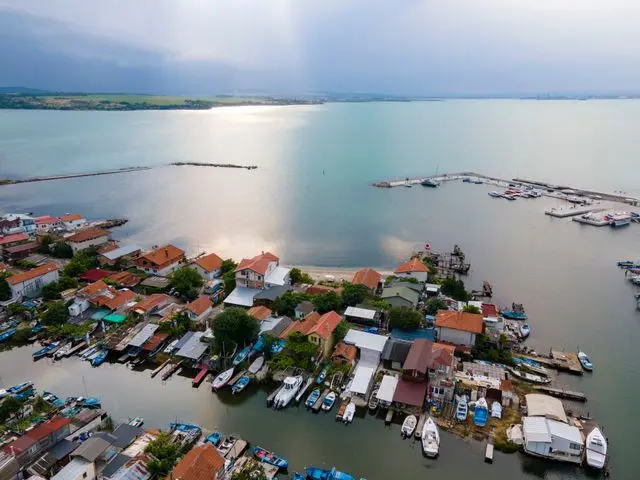
The Sea Garden (Morska gradina) is Burgas's signature attraction, a long coastal park running parallel to the shoreline with mature trees, flowerbeds, fountains, and an open-air summer theater that hosts concerts through the warmer months. It's as much a working part of daily life for locals as it is a sight for visitors, and it stays busy with walkers, joggers, and cyclists well into the evening.
The city's central beach sits right beside the park, offering close to two kilometers of sand with the usual mix of sunbeds, beach bars, and calm, shallow water. Because most coastal tourists head straight for Sunny Beach, Sozopol, or Nessebar, Burgas's own beach tends to be noticeably less crowded despite its central location. Quieter alternatives lie a short distance from downtown: Sarafovo to the north has a more relaxed, local feel, while Kraimorie to the south trades convenience for a wilder, less developed shoreline.
Burgas Lakes & Birdwatching
Burgas is nicknamed the "city of sea and lakes," and the wetlands ringing it are one of its genuine draws for anyone interested in nature. Lake Burgas (also called Vaya), the largest natural lake in Bulgaria, sits at the edge of the city and is a protected wetland supporting well over 200 recorded bird species.
Atanasovsko Lake, just north of the center, is best known for its pink-tinged salt pans and working salt flats, and is one of the most reliable places on the coast to spot flamingos, particularly during spring and autumn migration. The Poda Nature Reserve, a smaller wetland closer to the airport, has an observation center and boardwalks aimed specifically at birdwatchers. Timing matters here: migration in spring and autumn brings far larger and more varied bird numbers than the height of summer.
Exploring the City Center
Beyond the waterfront, downtown Burgas centers on Aleksandrovska and Aleko Bogoridi, two pedestrian streets lined with cafes, shops, and restaurants that form the city's everyday social hub. The Burgas Archaeological Museum holds Thracian, Roman, and medieval artifacts drawn from sites across the region, including nearby Nessebar and Sozopol, and is a useful primer before visiting those towns in person.
Just offshore, St. Anastasia Island is reachable by a short boat trip and combines a small monastery, a lighthouse, and local pirate lore into an easy half-day outing. The city's port area has also been modernized in recent years into a pleasant place for an evening walk, with restaurants overlooking the water.

Food in Burgas
As a coastal city, Burgas leans on Black Sea seafood alongside the staples found across Bulgaria, with mehanas and seaside restaurants both well represented in the center.
- Grilled Black Sea fish, including mackerel and sprat, served simply with lemon and vegetables.
- Kavarma – a slow-cooked meat and vegetable stew served bubbling in an individual clay pot.
- Shopska salad – the classic Bulgarian salad of tomatoes, cucumbers, peppers, and grated sirene cheese, found on nearly every menu.
- Banitsa – a filo pastry with egg and cheese, a common breakfast or snack throughout the day.
- Tikvenik, a sweet pumpkin pastry, makes a good pairing with local wine or a glass of chilled rakia to close a meal.
Where to Stay in Burgas
Burgas works well both as a short city stop and as a base for exploring the wider coast, and where to stay depends on which role it's playing in your trip.
- Around the Sea Garden and central beach: the most convenient choice for a beach-focused stay, with hotels facing the park and the sea.
- The pedestrian center near Aleksandrovska Street: close to restaurants and shops, a short walk from both the beach and the train and bus stations.
- Near the bus and train stations: a practical option for travelers using Burgas primarily as a transit point to Nessebar, Sozopol, or Sunny Beach.
Day Trips from Burgas
Nessebar
A UNESCO World Heritage old town about 35 km north of Burgas, set on a small peninsula and packed with medieval churches, wooden-balconied houses, and cobbled streets. It's the most historically significant stop on the southern coast and is easily reached by bus or car in under an hour.
Sozopol
One of the oldest towns on the Black Sea, founded in antiquity and located about 35 km south of Burgas. Its old town has a quieter, more romantic character than Nessebar, with wooden houses, old fortification remnants, and beaches split between sandy stretches and rocky coves.
Sunny Beach
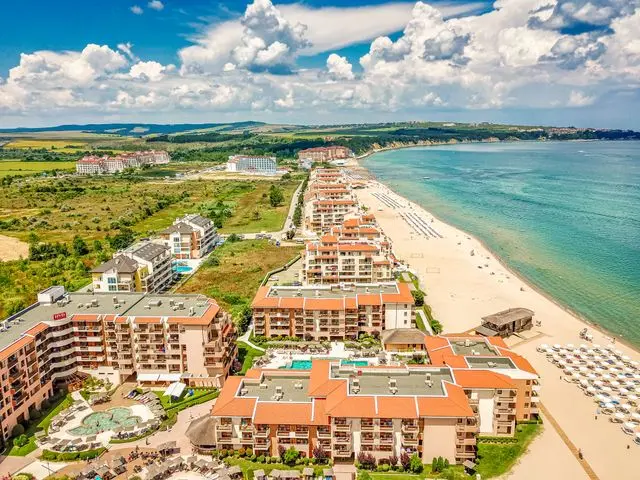
Bulgaria's largest and liveliest beach resort sits just north of Nessebar, offering a long sandy beach, extensive hotels, and an active nightlife scene, making it an easy add-on to a Nessebar day trip.
Pomorie
A calmer seaside town north of Burgas known for its mud baths, salt pans, and mineral springs, a good option for a slower-paced day away from the more touristed stops.
Festivals & Events
Burgas keeps a full events calendar through the summer, much of it centered on the Sea Garden's open-air theater and the city's beaches. International folklore and stage performances take over the park stage on rotating evenings through the season, and the city's beach and waterfront areas regularly host concerts and cultural festivals aimed as much at locals as visitors. Sozopol's own arts festival, held nearby each September, is a popular add-on for travelers already staying in Burgas.

Budget & Costs in Burgas
- Bulgaria adopted the euro as its official currency, replacing the Bulgarian lev; prices in shops, restaurants, and hotels are quoted in euros.
- Burgas is generally more affordable than the big resort towns nearby, particularly for accommodation and everyday dining away from the immediate waterfront.
- Public beaches are free to use; costs come mainly from renting sunbeds and umbrellas, which are optional.
- Prices rise sharply in July and August, the peak of the summer season, and drop noticeably in the shoulder months of May, June, and September.
- Using Burgas as a base and taking day trips by bus or rental car is typically cheaper than booking separate stays in each resort town along the coast.
Local Customs & Etiquette
As elsewhere in Bulgaria, the traditional head gesture for "yes" can look like a side-to-side shake, and "no" can look closer to a nod, the reverse of the Western convention. It's less likely to cause confusion in a tourist-heavy coastal city like Burgas, where staff are used to international visitors, but it's still worth knowing.
A tip of around ten percent is standard in restaurants. Beachwear is fine on the beach and along the immediate seafront, but it's customary to cover up when walking into the town center or visiting churches and museums. Bulgarians on the coast are generally relaxed and welcoming, and a little effort with basic Bulgarian phrases is usually well received.
Safety Tips in Burgas
- Burgas is a safe city by European standards, with low rates of violent crime toward tourists.
- Keep an eye on belongings on the beach and in crowded pedestrian streets during peak summer season, when petty theft is the most commonly reported issue.
- Use licensed taxis or ride-hailing apps, and confirm the fare or insist on the meter, especially from the airport.
- Sea conditions on the Black Sea can change quickly; pay attention to posted flags and lifeguard guidance before swimming.
- Sun exposure is a bigger practical risk than crime for most visitors; the coast sees strong summer sun with little natural shade on the beach itself.
- The general emergency number across Bulgaria is 112.

Frequently Asked Questions about Burgas
How many days do you need in Burgas? +
A day or two covers the city itself comfortably, including the Sea Garden, beach, and center. Most travelers use it as a base for three to five days to also cover Nessebar, Sozopol, and the surrounding lakes.
Is Burgas worth visiting, or should I go straight to Sunny Beach or Sozopol? +
Burgas has a different character than the resort towns: less picturesque, but with a good beach, a genuinely pleasant park, and the best transport connections on the coast. It rewards even a short stay rather than being used purely as a transit point.
What's the best time to visit Burgas? +
June through September for swimming and full seasonal infrastructure, with July and August the busiest and hottest. Spring and autumn are quieter and better for birdwatching on the Burgas lakes.
How do I get from Burgas Airport to the city center? +
Taxis and public buses both run the roughly 10 km route, taking about 15 to 30 minutes depending on traffic and mode.
Can I see flamingos in Burgas? +
Yes, mainly at Atanasovsko Lake and the Poda Nature Reserve, though numbers depend heavily on timing; spring and autumn migration windows offer far better sightings than the middle of summer.
What currency is used in Burgas? +
The euro, following Bulgaria's changeover from the Bulgarian lev.
Is Burgas a good base for exploring the Black Sea coast? +
Yes. Its airport, train and bus connections, and central position make it easy to reach Nessebar, Sozopol, Sunny Beach, and Pomorie all as day trips.
Do I need a car in Burgas? +
Not for the city itself, which is walkable, but a car (or organized tours) makes it much easier to combine several coastal day trips in a single visit.
Is Burgas safe for tourists? +
Yes, it has a low rate of serious crime. The main precautions are watching belongings in crowds, using licensed taxis, and being mindful of sun and sea conditions on the beach.