

Table of Contents
About Sopot
Sopot is a seaside resort city on Poland's Baltic coast, tucked between the larger cities of Gdańsk and Gdynia as the middle point of the Tricity (Trójmiasto) metropolitan area. Despite its small size, it has been one of Poland's most fashionable getaways since the 19th century, when Prussian physician Jean Georges Haffner promoted the town's sea air and brine baths as a cure for city living. That spa-town identity still shows in its wide sandy beach, grand pre-war villas, and unhurried, holiday pace.
What sets Sopot apart from other Baltic resorts is how walkable and compact it is: the train station, the main pedestrian street, the beach, and the pier all sit within about fifteen minutes of each other on foot. By day it draws families and spa-goers to its beach and wellness clinics; by night it turns into one of northern Poland's liveliest nightlife spots, with bars and clubs clustered around Bohaterów Monte Cassino Street. Locals sometimes call it "the smallest of the great cities," a nod to its outsized reputation next to its modest population of around 35,000.
Climate & Best Time to Visit
Summer (June–August)
Summer is Sopot's peak season and the only time the Baltic Sea is genuinely swimmable, with average highs around 20–23°C (68–73°F) and long daylight hours. This is also when the town is busiest and priciest, with the Sopot International Song Festival, beach clubs, and Monciak nightlife all in full swing, so booking accommodation well ahead is essential.
Spring and Autumn (April–May, September–October)
Shoulder season brings cooler but more comfortable weather, thinner crowds, and lower hotel rates, making it a good compromise for visitors who want to walk the pier and explore the town without the summer crush. Sea swimming is generally too cold, but beach walks, spa visits, and day trips to Gdańsk are pleasant throughout these months.
Winter (November–March)
Winters are cold, damp, and windy off the Baltic, with temperatures often hovering around freezing and short daylight hours. Sopot quiets down considerably outside the festive period, but the pier and promenade have a stark, atmospheric charm, and hotel prices drop to their lowest point of the year.
Getting to Sopot
Sopot has no airport of its own; the closest is Gdańsk Lech Wałęsa Airport (GDN), about 20–25 km southwest, served by numerous budget and full-service carriers connecting to major European hubs. From the airport, a direct or one-transfer train ride (via Gdańsk Wrzeszcz station) reaches Sopot in roughly 35–45 minutes, and airport buses and metered taxis are also available.
Sopot's own train station, Sopot SKM, sits right in the town center, a two-minute walk from Monciak. It is served by the SKM (Szybka Kolej Miejska) suburban rail line that links Gdańsk, Sopot, and Gdynia every 10–15 minutes, as well as by regional POLREGIO and PKP Intercity services connecting to Warsaw and other Polish cities.
As Poland is part of the European Union and the Schengen Area, most EU/EEA citizens can enter with just a national ID card, while citizens of the US, UK, Canada, Australia, and many other countries can typically visit visa-free for up to 90 days within a 180-day period. Entry rules can change, so it's worth confirming current requirements with official sources shortly before travel.

Transportation in Sopot
Walking
Sopot's center is small enough to explore entirely on foot: the walk from the train station to the pier along Monciak takes about 15 minutes, and most major sights sit within this compact core.
SKM Trains
For trips beyond the center, the SKM commuter rail is the fastest option, connecting Sopot to Gdańsk Główny in around 20 minutes and to Gdynia Główna in about 10–15 minutes, with trains departing frequently throughout the day. Tickets are sold at station machines, at ticket windows, or via apps like Jakdojade, and are priced by distance rather than as a flat fare.
Buses and Local Transit
ZTM buses cover routes that trains don't reach, including some connections toward Gdańsk Airport, and use the same fare system as Gdańsk and Gdynia's public transport network. Combined SKM-plus-bus tickets and short-term tourist passes are available for visitors planning multiple trips in a day.
Bikes and Taxis
A well-maintained seaside bike path runs roughly 10 km from Gdańsk Brzeźno through Sopot to Gdynia Orłowo, and bike rentals are widely available in the Tricity. Taxis and ride-hailing apps such as Bolt and Uber operate throughout Sopot and are a practical option late at night once trains stop running.
Things to Do in Sopot
Sopot Pier (Molo)
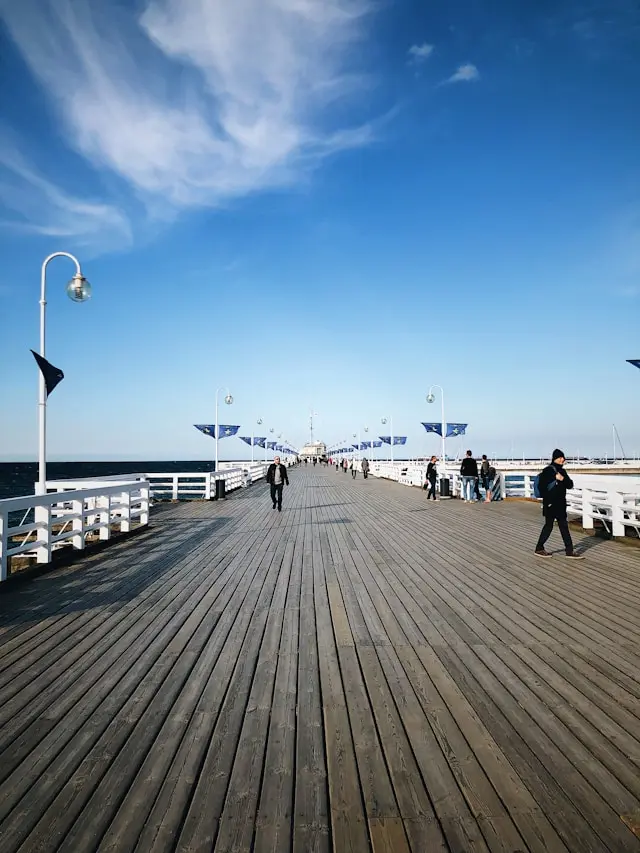
At roughly 511 meters long, the Molo is the longest wooden pier in Europe and Sopot's defining landmark, stretching from the end of Monciak deep into the Bay of Gdańsk. Originally opened in 1827 and rebuilt several times since, it's a place to stroll at any hour, watch the sunset, or take a short boat trip from the small marina at its base.
Bohaterów Monte Cassino Street (Monciak)
This fully pedestrianized street, affectionately nicknamed "Monciak," runs from near St. George's Church down to the pier and is the social heart of Sopot, packed with restaurants, boutiques, and street performers by day and bars and clubs by night. Its best-known building is Krzywy Domek ("the Crooked House"), a deliberately warped 2004 structure inspired by fairy-tale illustrations and one of the most photographed buildings in Poland.
Sopot Beach
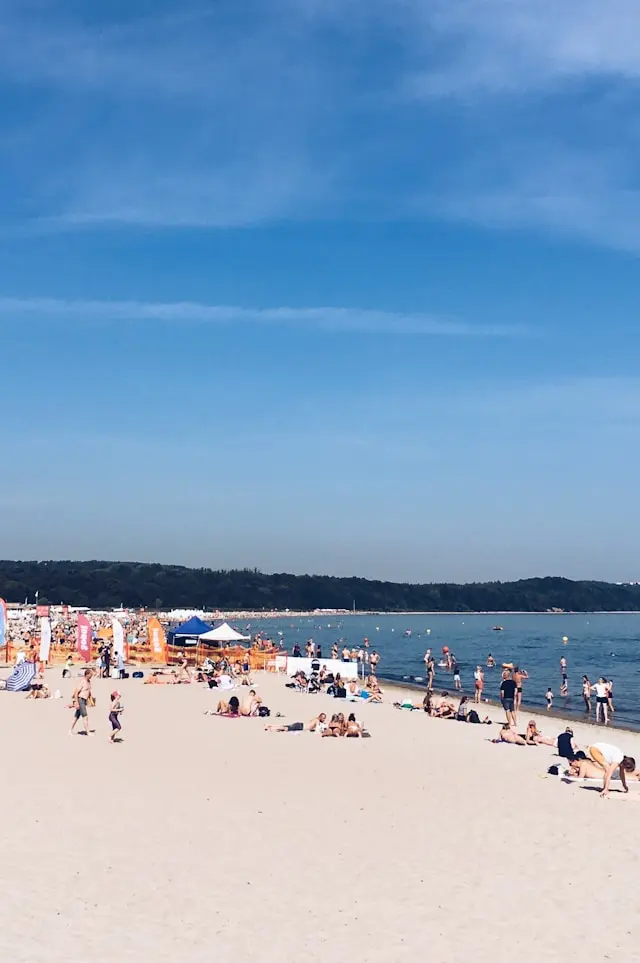
Sopot has around 5 km of clean, wide sandy beach, with the busiest, most amenity-packed stretch near the pier and quieter sections the further north or south you walk. Beach bars, volleyball courts, and rented loungers appear each summer, alongside a marked swimming area patrolled by lifeguards in high season.
Opera Leśna (Forest Opera)
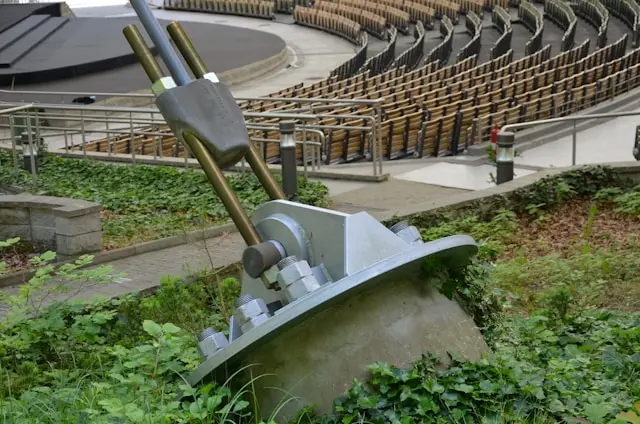
This open-air amphitheater, built into a wooded hillside in western Sopot, opened in 1909 and has hosted everything from Wagner festivals to Whitney Houston, Elton John, and Kraftwerk. It remains the home of the long-running Sopot International Song Festival and one of the most atmospheric concert venues in Europe.
Sopot Lighthouse and Northern Pier Area
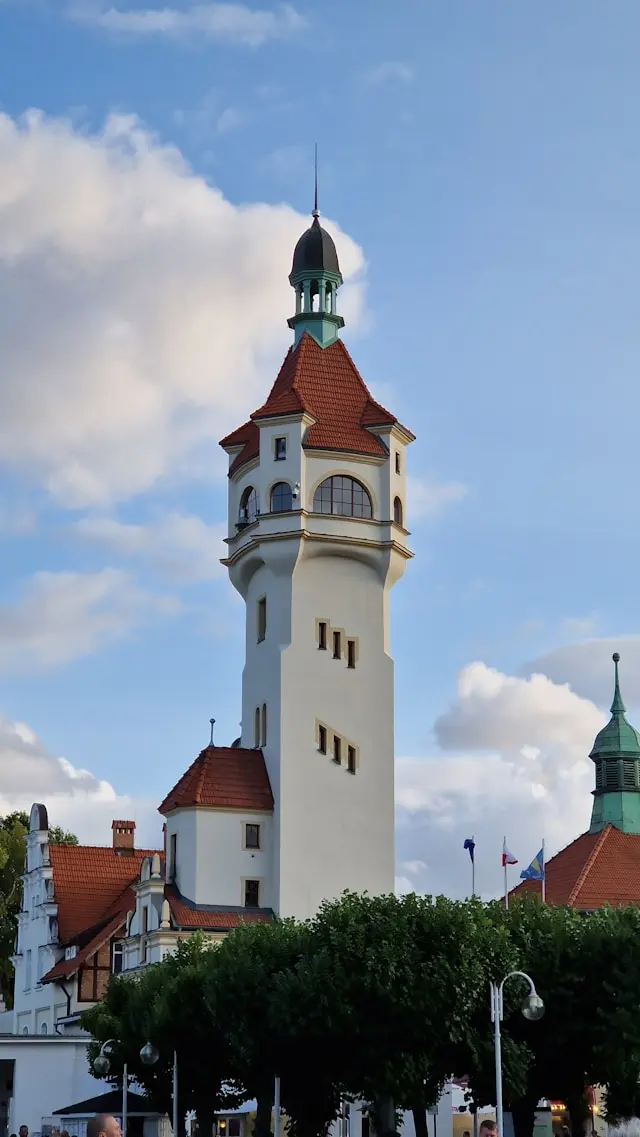
North of the main pier, a smaller lighthouse and quieter stretch of promenade offer good views back toward the town without the crowds, making it a favorite spot for an early-morning or late-evening walk.
Grand Hotel Sopot
This landmark hotel on the seafront, open since 1927, has hosted royalty, film stars, and heads of state over the decades and remains one of Sopot's most photogenic buildings, worth a look even if you're not staying there.
Neighborhoods to Explore
Dolny Sopot (Lower Sopot)
The town center and main tourist zone, Dolny Sopot holds Monciak, the pier, the beach, and the train station, and is where most visitors base themselves. It's lively and walkable but also the busiest and priciest part of town, especially in summer.
Górny Sopot (Upper Sopot)
Set back from the seafront on gently rising, forested terrain, Górny Sopot is quieter and more residential, known for early 20th-century villas along streets like Kościuszki and Skłodowskiej-Curie, as well as for the Opera Leśna. It's a good area for visitors who want a calmer base within walking or short transit distance of the center.
Kamienny Potok
A district to the north of the center, Kamienny Potok has its own SKM station, a stretch of less crowded beach, and the Sopot Hippodrome, making it a good option for horse-racing fans or anyone wanting more space and lower prices while staying close to the action.
Karlikowo
South of the main center toward Gdańsk, Karlikowo is a mostly residential neighborhood with a small local beach and a more low-key, everyday feel, appealing to travelers who prefer to skip the tourist crowds while still being a short train ride from Monciak.
Food in Sopot
As a Baltic seaside town, Sopot's food scene leans heavily on fish and seafood: look for smoked mackerel, herring, and flounder sold from small stalls and bars along the pier approach and around Monciak, often eaten standing up with a squeeze of lemon. Traditional Polish staples like pierogi, żurek (sour rye soup), and placki ziemniaczane (potato pancakes) are easy to find throughout the center, typically at more affordable prices a block or two off the main promenade.
Monciak itself is dense with restaurants ranging from casual pierogi counters to upscale seafood and international dining, plus countless cafés with sea-view terraces that fill up on sunny afternoons. For a cheaper, no-frills option, a bar mleczny (milk bar) - a Polish institution serving simple home-style dishes at low prices - can still be found in the wider Tricity area, and craft beer bars have multiplied around the town center in recent years, reflecting Poland's broader craft brewing boom.

Accommodation in Sopot
Staying directly on or near Monciak or the seafront puts you within walking distance of the pier, beach, and nightlife, and includes landmark options like the historic Grand Hotel Sopot, but this area commands the highest prices, especially in July and August. Streets a short walk back from the water, particularly in Dolny Sopot away from the main promenade, offer a quieter night's sleep at a somewhat lower cost while still being close to everything.
Górny Sopot, with its villa-lined streets near the Opera Leśna, suits travelers who want a leafier, more residential setting and don't mind a slightly longer walk or short bus ride into the center. Budget-conscious visitors often base themselves in Kamienny Potok or even in neighboring Gdynia or Gdańsk, using the frequent SKM trains to reach Sopot in 10–20 minutes for a fraction of the accommodation cost.
Day Trips from Sopot
Gdańsk
Poland's historic Hanseatic port city is just 20 minutes away by train and easily worth a full day, with its reconstructed Main Town, the colorful merchant houses of Long Market (Długi Targ), the Neptune Fountain, and the European Solidarity Centre chronicling the birth of the Solidarity movement.
Gdynia
A short 10–15 minute train ride north, Gdynia is a younger, more modernist port city known for the Emigration Museum, the historic ships docked along its waterfront, and Orłowo, a scenic clifftop neighborhood connected to Sopot by a pleasant coastal path.
Malbork Castle
Around an hour from Sopot by train, Malbork is the largest brick castle in the world and a UNESCO World Heritage Site, built by the Teutonic Knights in the 13th and 14th centuries. Its scale and preserved medieval interiors make it one of the most rewarding half-day trips in the region.
Hel Peninsula
This narrow, roughly 35-km sandy spit reaching into the Baltic is reachable by train or seasonal ferry and offers beaches, a seal sanctuary in the town of Hel, and a distinctly different, wilder coastal landscape than Sopot's own beach.
Kashubian Switzerland (Kaszubska Szwajcaria)
Inland from the coast, this hilly lake district is best explored by car or organized tour and offers a change of scenery from the seaside, with forests, lakes, and traditional Kashubian villages known for folk crafts and cuisine.
Festivals & Events in Sopot
The Sopot International Song Festival, held at the Opera Leśna, dates back to 1961 and is one of the oldest and most prestigious music festivals in Europe, having hosted acts from Elton John to Scorpions over the decades. Held most years in the summer, it remains the town's signature cultural event and draws large crowds, so accommodation books up quickly around its dates.
The Opera Leśna also hosts a busy calendar of standalone concerts throughout the summer, from major international touring acts to jazz and classical programming, making it worth checking listings regardless of when you visit. Beyond music, Monciak and the seafront host smaller seasonal events, markets, and open-air entertainment through the warmer months, giving the town a festival-like buzz for much of the summer.

Safety Tips in Sopot
- Sopot is generally a safe destination with low rates of violent crime, though petty theft can occur in crowded areas like Monciak and the pier during peak summer season.
- Keep bags zipped and valuables out of back pockets in busy nightlife areas late at night, and use licensed taxis or ride-hailing apps rather than unmarked cabs.
- The Baltic Sea can have strong currents and cold water even in summer; swim only in areas marked and patrolled by lifeguards, and heed flag warnings on the beach.
- Poland's emergency number is 112, which connects to police, fire, and medical services and is answered by English-speaking operators.
- Sidewalks and cobbled streets in older parts of town can be uneven, so comfortable footwear is worth packing, especially for exploring Górny Sopot's hillier streets.
Budget & Costs in Sopot
Sopot is pricier than most of Poland due to its resort status, particularly in July and August, but it's still generally affordable compared to Western European seaside towns. A simple meal away from Monciak might cost 20–40 PLN, while a sit-down dinner with drinks in the town center can run 80–150 PLN per person or more at nicer restaurants.
Public transport is inexpensive, with SKM tickets between Tricity stations typically costing under 10 PLN. Accommodation is the biggest variable: budget guesthouses and rooms outside the immediate center can be found for a fraction of the price of a seafront hotel room in high season, and costs drop noticeably in spring, autumn, and winter.
Local Customs & Etiquette
Poles generally appreciate a simple greeting attempt in Polish, such as "dzień dobry" (good day) or "dziękuję" (thank you), even though English is widely understood in Sopot's tourist-facing businesses. A handshake is standard for greetings in more formal settings, and it's customary to use titles or last names until invited to be more informal.
Tipping around 10% is appreciated in restaurants and is not always included in the bill, so it's worth checking before adding extra. Poland uses the złoty (PLN), not the euro, and while cards are accepted almost everywhere in Sopot, it's useful to carry some cash for small vendors, beach stalls, and public restrooms, which sometimes charge a small fee.

Frequently Asked Questions about Sopot
How many days do you need in Sopot? +
A full day is enough to see the pier, Monciak, and the beach, but two to three days lets you also relax on the sand, explore Górny Sopot, and fit in a day trip to Gdańsk or Gdynia without rushing.
What is the best time of year to visit Sopot? +
Late June through August offers the warmest weather and swimmable sea but the biggest crowds and highest prices; May, June, and September offer a good balance of pleasant weather and smaller crowds.
Is Sopot expensive? +
It's pricier than most Polish towns due to its resort reputation, especially for beachfront accommodation in summer, but it remains inexpensive compared to Western European coastal resorts, particularly for food and public transport.
Do you need a visa to visit Sopot? +
As part of Poland, Sopot falls under Schengen Area rules; citizens of the US, UK, Canada, Australia, and many other countries can typically visit visa-free for up to 90 days in any 180-day period, though it's worth confirming current requirements before you travel.
Is Sopot safe for tourists? +
Yes, Sopot has a low crime rate and is considered one of Poland's safer tourist destinations, though normal precautions against pickpocketing apply in crowded nightlife areas.
How do you get around once you're in Sopot? +
The town center is compact and best explored on foot, while the SKM commuter train handles trips to Gdańsk and Gdynia in 10–20 minutes; buses, bikes, and taxis cover everything else.
What's the best area to stay in Sopot? +
Dolny Sopot, near Monciak and the pier, puts you within walking distance of everything but costs the most; Górny Sopot and Kamienny Potok offer a quieter, cheaper base a short walk or train ride from the center.
What should Sopot be paired with? +
Sopot is best combined with Gdańsk and Gdynia as part of the Tricity, all linked by frequent trains, and makes a good base for day trips to Malbork Castle or the Hel Peninsula.