

Table of Contents
About Zakopane
Zakopane is a mountain town in far southern Poland's Lesser Poland region, sitting at the foot of the Tatra Mountains right on the border of Tatra National Park. Often called Poland's "Winter Capital," it's the country's best-known base for hiking, skiing, and other mountain sports, drawing millions of visitors a year to a town of under 30,000 residents.
Zakopane has its own strong regional identity, rooted in Highlander (górale) culture, with a distinctive wooden architectural style - steep roofs, carved detailing, and a blend of traditional mountain building with Art Nouveau influences - that gives the town a look unlike anywhere else in Poland. The pedestrian street Krupówki is its lively commercial spine, while the surrounding peaks, including Poland's highest, are the real draw for most visitors.
Best Time to Visit & Climate
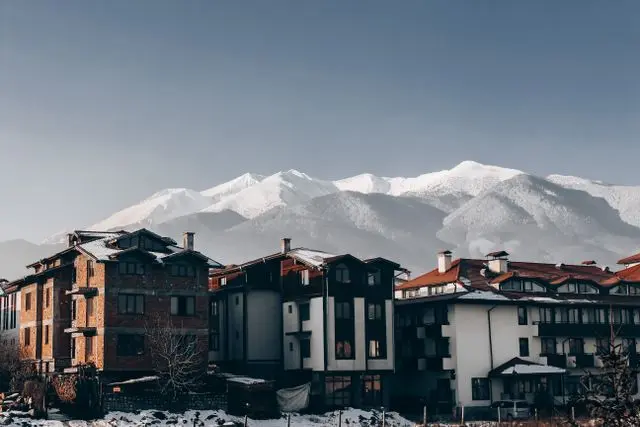
Zakopane has a mountain climate that's noticeably cooler and snowier than lowland Poland, given its elevation of around 800 meters. Winters (December to March) are cold and often heavily snowed in, making this Poland's main ski season, with the town's slopes and cross-country routes drawing crowds especially around holidays. Summers (June to September) are mild, with daytime highs generally in the high teens to low twenties Celsius (mid-60s to low 70s°F), and are the main season for hiking in Tatra National Park.
Spring and late autumn, particularly November, tend to be the quietest and least predictable times to visit, with unpredictable weather and many trails still affected by snow or ice into early summer. Whatever the season, mountain weather can change quickly, so checking forecasts and trail conditions before heading into the park is essential.
- Winter sports season: December–March
- Main hiking season: June–September
- Quietest, least predictable: April–May and November
Getting to Zakopane
By Train
Zakopane railway station, the highest staffed railway station in Poland, is the terminus of a direct line from Kraków Główny, with a journey time of around two hours and trains running roughly hourly. The station is a short walk from Krupówki Street and the town center.
By Bus
Bus is generally the fastest and most frequent public transport option from Kraków, with services run by FlixBus and other operators taking around 1.5 to 2.5 hours depending on traffic. Buses arrive at Zakopane's central bus station, a short walk from Krupówki.
By Car
Zakopane is about 100–110 km from Kraków, typically a two- to two-and-a-half-hour drive depending on traffic, which can be significant during peak ski season and summer holidays. A car offers flexibility for exploring surrounding villages and trailheads, though parking in the town center can be limited in high season.

Getting Around Zakopane
Zakopane's town center, including Krupówki Street and the surrounding shops and restaurants, is compact and easily walkable. For reaching outlying trailheads, ski areas, and neighboring villages like Kościelisko, local minibuses and taxis are widely used, since the town's public transport network is more limited than in a major city.
- Walking: covers the town center and Krupówki Street comfortably
- Local minibuses ("busy"): connect the center to trailheads, ski areas, and nearby villages
- Taxis: widely available and useful for reaching more remote park entrances
- Rental car: useful for exploring the wider Podhale region and border villages at your own pace
Tatra National Park & Hiking
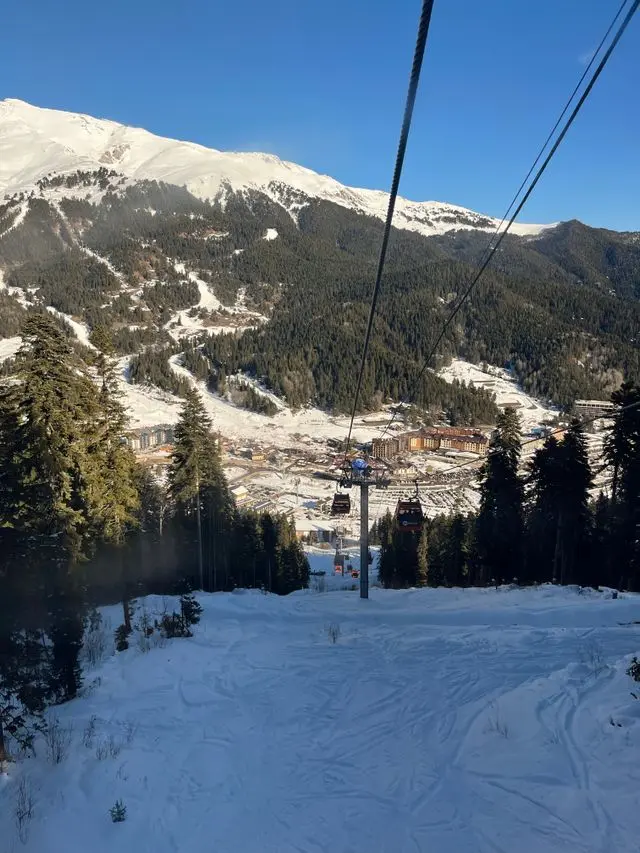
Tatra National Park, bordering Zakopane to the south, is Poland's most visited national park and has around 275 km of marked trails ranging from easy walks to demanding alpine routes. Different entrances into the park offer distinct experiences, from forested valleys with rivers and waterfalls to dramatic rock formations and high mountain lakes.
Morskie Oko, a striking mountain lake reached via the Palenica Białczańska entrance, is the park's most famous and most visited spot, while Giewont, a peak topped with a large steel cross visible from much of Zakopane, is a popular if strenuous day hike. Entry to the national park requires a paid ticket, available as single-day or discounted weekly passes, and trails can get crowded in peak season, so an early start and a weekday visit are worth planning for.
- Morskie Oko - the park's most iconic mountain lake, reached from Palenica Białczańska
- Giewont - a landmark peak topped with a cross, a popular but strenuous hike
- Valley trails - gentler routes through forest, past rivers and waterfalls
- National park entry requires a paid ticket, available as single or multi-day passes

Things to Do in Zakopane Town
Krupówki Street is Zakopane's pedestrian heart, lined with shops, restaurants, and stalls selling local crafts, cheese, and souvenirs - busy and touristy, but a genuine part of the town's identity. Wielka Krokiew, Poland's most famous ski jump, has hosted major international competitions since it was built in 1925; visitors can ride a chairlift to the top platform for panoramic views, and a small skiing museum sits at its base.
- Krupówki Street - the town's main pedestrian shopping and dining street
- Wielka Krokiew ski jump - iconic Olympic-standard ski jump with a viewing platform and museum
- Gubałówka Hill - reached by funicular, with panoramic views over the town and Tatras
- Local wooden "Zakopane style" architecture, visible throughout the older parts of town
Skiing & Winter Activities
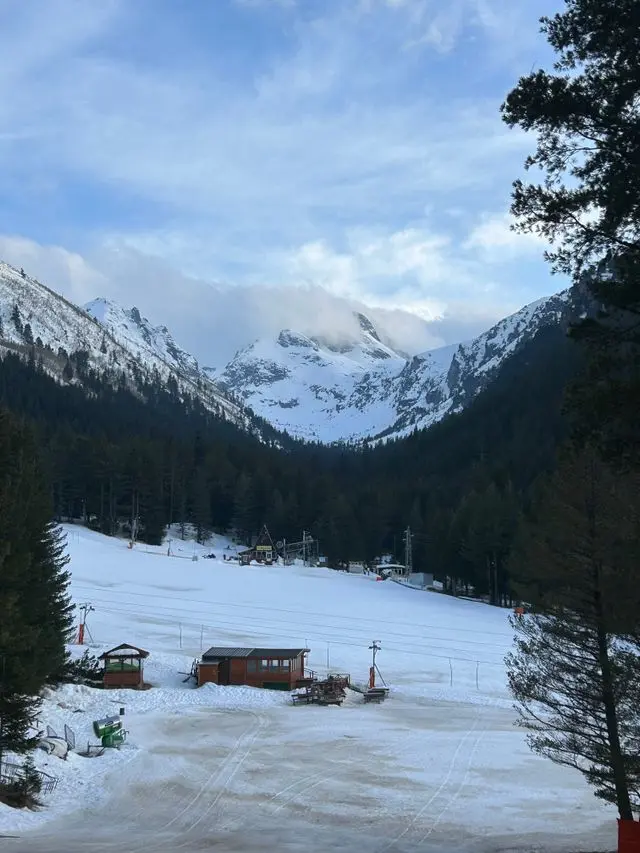
As Poland's "Winter Capital," Zakopane is the country's main ski destination, with slopes at Kasprowy Wierch, Gubałówka, and other nearby areas catering to a range of skill levels. Kasprowy Wierch, reached by cable car, offers the highest and most challenging skiing in the area, along with panoramic views into Slovakia on clear days.
- Kasprowy Wierch - cable car access to the highest ski runs and mountain views
- Gubałówka - a gentler, family-friendly ski and sledding area close to town
- Cross-country skiing routes through the surrounding valleys
- Ice skating and other winter activities available in and around the town center
Food & Highlander Culture
Zakopane's food and culture are shaped by górale (Highlander) tradition, distinct from the rest of Poland in music, dress, and cuisine. Oscypek, a smoked sheep's milk cheese with a distinctive shape and pattern, is the region's best-known specialty and is sold throughout Krupówki, often grilled and served with cranberry sauce.
- Oscypek - the region's iconic smoked sheep's cheese, often grilled and served with cranberry sauce
- Hearty mountain fare like kwaśnica (sauerkraut soup) and grilled meats
- Live Highlander folk music is a common feature in local restaurants
- Traditional wooden architecture and górale dress remain visible parts of daily life

Accommodation in Zakopane
Staying near Krupówki Street puts shops, restaurants, and the town's main sights within walking distance, and suits visitors focused on exploring the town itself. Accommodation closer to the national park entrances or ski lifts can cut down on transfer time for hikers and skiers, at the cost of being farther from the town center's restaurants and nightlife.
Because Zakopane is popular in both winter and summer, accommodation can book up well in advance around peak ski season and summer holidays, so reserving ahead is worthwhile for visits during those periods.
Safety Tips in Zakopane
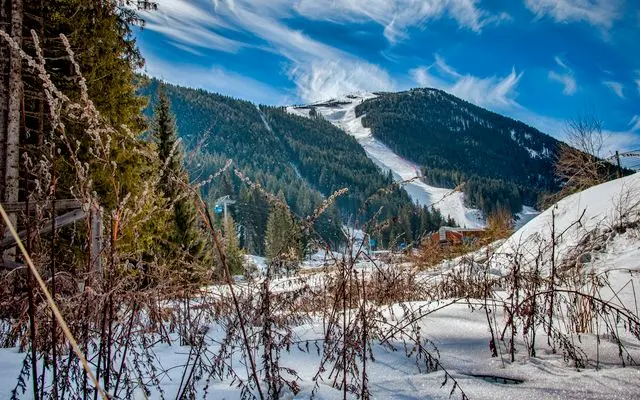
Zakopane itself is a safe, tourist-friendly town, and the main safety considerations for visitors relate to the mountains rather than the town center. Weather in the Tatras can change quickly and unpredictably, and trails that are safe in good conditions can become hazardous with sudden rain, fog, or early snow, even in summer.
- Emergency number: 112, or 601 100 300 for Tatra mountain rescue (TOPR)
- Check weather and trail conditions before any hike, and turn back if conditions worsen
- Some higher routes require proper footwear and, in winter or shoulder season, crampons or an ice axe
- Book national park tickets and popular trailhead parking in advance during peak season
Budget & Costs in Zakopane
As Poland's most popular mountain resort, Zakopane's prices for accommodation and dining run somewhat higher than in less touristy parts of the country, particularly in peak ski season and summer. It remains generally affordable compared to major Western European ski resorts, especially for travelers willing to stay slightly outside the busiest central streets.
- Budget: guesthouse stays outside the center, casual local eateries, day hiking with a national park ticket
- Mid-range: hotels near Krupówki, sit-down restaurant meals, a Gubałówka or Kasprowy Wierch cable car ride
- Splurge: ski-in accommodation, multi-day lift passes, guided mountain tours to Morskie Oko or Giewont

Frequently Asked Questions about Zakopane
How many days do you need in Zakopane? +
Two to three days is a good baseline — one for the town itself and at least one full day for hiking or skiing in Tatra National Park.
What is the best time of year to visit Zakopane? +
December through March suits winter sports, while June through September is the main hiking season; both are considered good times to visit depending on what you want to do.
Is Zakopane a good day trip from Kraków? +
Yes, though given the roughly two-hour journey each way, an overnight stay allows more time to properly explore the town or the national park without rushing back.
Do you need a car to visit Zakopane? +
No — the town center is walkable, and buses and trains connect it well to Kraków, though a car offers more flexibility for reaching specific trailheads and surrounding villages.
Is Zakopane expensive to visit? +
Zakopane is pricier than less touristy parts of Poland, especially in peak ski season and summer, but remains generally affordable compared to major Western European mountain resorts.
Is Zakopane safe for visitors? +
The town itself is safe and tourist-friendly; the main safety consideration is mountain weather, which can change quickly, so checking conditions before any hike is important.
What's the most famous hike from Zakopane? +
Morskie Oko, a scenic mountain lake, and Giewont, a peak topped with a large cross, are the two most popular and recognizable hikes in the area.
What should I try eating in Zakopane? +
Oscypek, a distinctive smoked sheep's milk cheese, is the region's signature food, often grilled and served with cranberry sauce alongside other hearty Highlander dishes.