

Table of Contents
About Wrocław
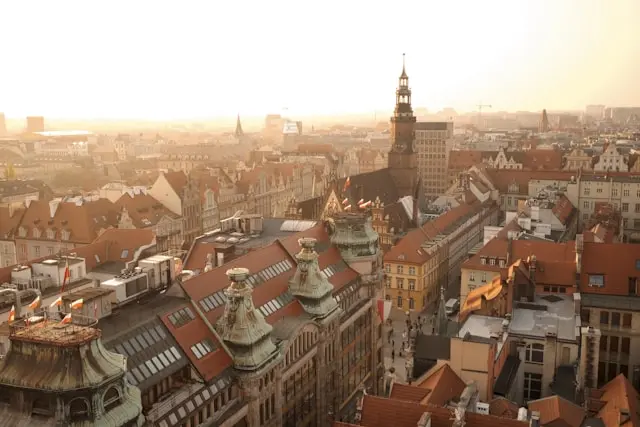
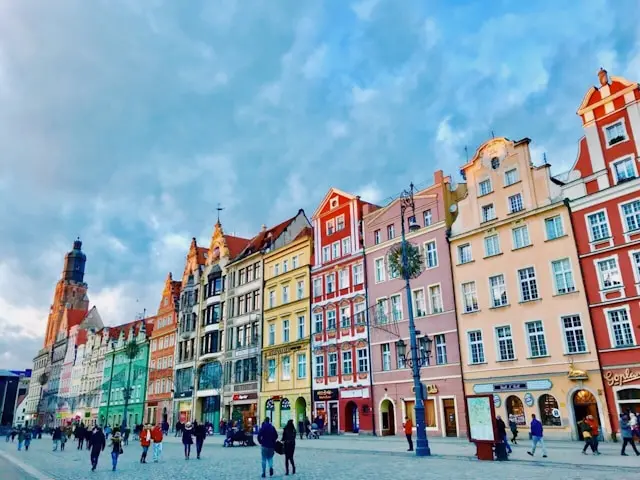
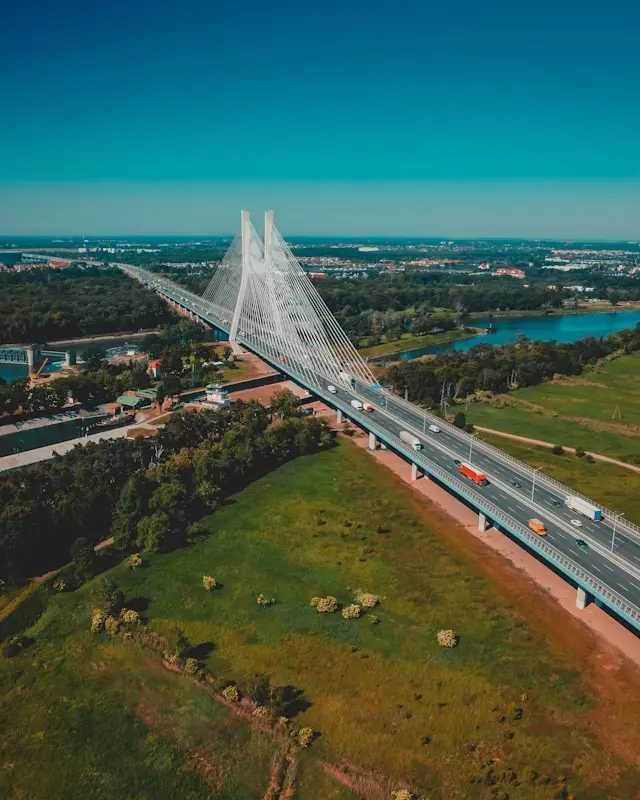
Wrocław is the largest city in southwestern Poland's Lower Silesia region, spread across islands and riverbanks where the Oder River splits into several channels crossed by more than a hundred bridges - earning it the nickname "Venice of the North." Its Old Town is one of Poland's most colorful, a compact cluster of pastel merchant houses and Gothic church towers that draws heavy domestic tourism but is still often overlooked by foreign visitors compared with Kraków or Gdańsk.
Wrocław has an unusually layered history: it only became part of Poland again in 1945, after more than six centuries under Bohemian, Hungarian, Austrian, Prussian, and German rule, and much of that layered past is still visible in its architecture. Today it's a major university city with a young, lively atmosphere, and it's famous worldwide for a lighter reason too - hundreds of small bronze dwarf statues hidden throughout its streets, a legacy of the city's 1980s anti-communist Orange Alternative movement.
Best Time to Visit & Climate
Wrocław has a temperate continental climate with warm summers and cold winters. Summer (June to August) is the most popular season to visit, with daytime highs typically in the low-to-mid 20s Celsius (around 70s°F) and long evenings well suited to the city's riverside paths and outdoor cafés. Winters are cold, often below freezing, with a reasonable chance of snow, though the Old Town's Christmas market draws its own crowd in December.
Late spring (May) and early autumn (September) tend to offer a good balance of mild weather and thinner crowds than peak summer. Wrocław's many rivers and canals mean humidity and occasional fog are common in the cooler months, so layering is worthwhile whenever you visit.
- Warmest, busiest months: June–August
- Good balance of weather and crowds: May and September
- Cold winters with a Christmas market in December

Getting to Wrocław
By Air
Wrocław Copernicus Airport, about 10 km southwest of the city center, is served by a range of European low-cost and full-service carriers. Bus line 106 (206 at night) runs from the airport to the main train station area, with a journey time of roughly 35–45 minutes depending on traffic; taxis and private transfers typically take 20–30 minutes.
By Train
Wrocław Główny, the city's grand Gothic and Tudor Revival-style main station, sits within easy reach of the Old Town by tram or a short walk. It has regular intercity connections to Warsaw, Kraków, Poznań, and other major Polish cities.
By Bus
The Wrocław central bus station, located beneath the Wroclavia shopping center right next to the main train station, handles regional and international coach services, including budget operators connecting Wrocław with cities across Poland and neighboring countries.
Getting Around Wrocław
Wrocław's Old Town is compact and best explored on foot, with the Market Square, Salt Square, and Cathedral Island all within comfortable walking distance of one another. For destinations further afield, the city has an extensive and eco-friendly tram and bus network that reaches every district.
- Walking: the best way to explore the Old Town and its many bridges
- Trams & buses: extensive network covering the whole city, with tickets sold via onboard machines or the jakdojade app
- Bike rental: a popular way to cover more ground along the Oder's riverside paths
- Taxis: widely available, useful for the airport or late-night travel
Neighborhoods to Explore
Old Town (Stare Miasto)
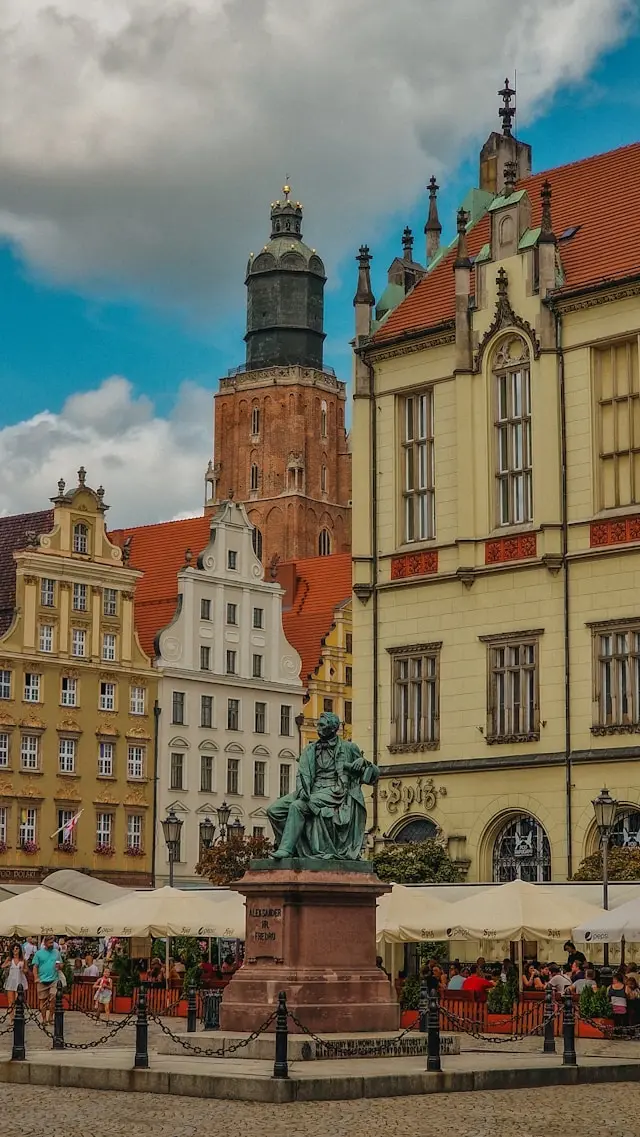
The historic heart of Wrocław, centered on the Market Square (Rynek) and adjoining Salt Square (Plac Solny), lined with colorful merchant houses, the Gothic Old Town Hall, and the highest concentration of the city's famous bronze dwarfs.
Cathedral Island (Ostrów Tumski)
The oldest part of the city, and technically an island in the Oder, home to Wrocław Cathedral and a cluster of churches. It's especially atmospheric in the evening, when its historic gas lamps are still lit by hand.
Nadodrze
A once-gritty district that has become one of Wrocław's most creative corners, with restored tenement buildings, street art, the Neon Side Gallery, and a growing scene of independent cafés and design shops.
Four Denominations District
Centered on the restored White Stork Synagogue, this area reflects Wrocław's multi-faith history, with churches of several Christian denominations standing close to the synagogue within a few blocks.

Things to Do in Wrocław
The Market Square (Rynek) is one of the largest in Europe and widely considered one of Poland's most beautiful, anchored by the Old Town Hall, a Gothic complex built in stages between the 13th and 16th centuries that now houses a museum of local history. Nearby, St. Elizabeth's Basilica offers a climbable tower with sweeping views over the Old Town's rooftops.
Ostrów Tumski, the city's cathedral island, is a quieter, more atmospheric counterpoint to the busy Market Square, especially at dusk. Beyond the historic core, Centennial Hall - a UNESCO-listed early 20th-century concrete structure - and the adjoining Japanese Garden make for a rewarding afternoon, and no visit is complete without spotting a few of the city's hundreds of tiny bronze dwarf statues, tucked into doorways and street corners throughout the center.
- Market Square (Rynek) & Old Town Hall - one of Europe's largest and most colorful market squares
- St. Elizabeth's Basilica - Gothic church with a climbable viewing tower
- Ostrów Tumski (Cathedral Island) - the city's oldest quarter, atmospheric at dusk
- Centennial Hall & Japanese Garden - UNESCO-listed concrete hall with adjoining gardens
- Dwarf hunting - spotting the city's hundreds of small bronze dwarf statues
- Wrocław Zoo - one of Europe's oldest and largest zoos, easily combined with Centennial Hall
Food in Wrocław
Wrocław's food scene blends classic Polish dishes with a lively, youthful café and craft beer culture driven by the city's large student population. Pierogi and other Polish staples are widely available, alongside a growing number of modern restaurants putting a contemporary spin on regional Silesian cooking.
- Look for Silesian specialties alongside classic Polish dishes like pierogi and żurek
- A strong café culture, especially in creative districts like Nadodrze
- A growing craft beer scene alongside more traditional Polish pubs
- Riverside food spots along the Oder make for a relaxed evening out
Day Trips from Wrocław
Książ Castle
One of the largest castles in Poland, set in landscaped gardens outside the town of Wałbrzych, roughly an hour and a half from Wrocław and reachable by train or car.
Church of Peace in Świdnica
A UNESCO World Heritage Site, this enormous timber-framed Protestant church dates to the 17th century and is one of the largest wooden religious buildings in Europe, a little over an hour from Wrocław.
Mount Ślęża
A distinctive, isolated peak with pagan-era archaeological sites and hiking trails, offering panoramic views over the surrounding Silesian countryside on a clear day.

Accommodation in Wrocław
Staying in or near the Old Town puts the Market Square, Cathedral Island, and most major sights within walking distance, and is the most convenient choice for short visits. The area around the main train station is also well connected, with easy tram links to the center and the airport bus.
For a quieter, more local stay, districts like Nadodrze offer a growing range of guesthouses and boutique accommodation within easy reach of the center by tram, at generally better value than the busiest Old Town streets.
Local Customs & Safety Tips
Wrocław is generally a very safe city for visitors, with a walkable, well-lit Old Town and low rates of violent crime. As with any popular tourist center, it's sensible to keep an eye on belongings around the Market Square and main train station, especially during busy events.
Tipping around 10% is customary at restaurants in Poland, though not obligatory. Public transport tickets must be validated on board and are checked regularly, so visitors should keep a valid ticket at all times to avoid fines, and remember that most machines and vehicles accept card payment rather than cash.
- Emergency number: 112
- Tipping around 10% at restaurants is customary but not mandatory
- Always validate and keep a valid public transport ticket to avoid fines
- Keep an eye on belongings in busy areas like the Market Square and train station
Budget & Costs in Wrocław
Wrocław is an affordable European city break, with accommodation, food, and public transport generally cheaper than in Western European destinations of comparable size. Even a comfortable mid-range visit tends to cost noticeably less than a similar trip to major Western European capitals.
- Budget: hostel or budget hotel stays, casual Polish eateries, single-ride or day transport tickets
- Mid-range: three- to four-star hotels, sit-down restaurant meals, entry to Centennial Hall and museums
- Splurge: Old Town boutique hotels, fine dining, private guided tours or a day trip to Książ Castle

Frequently Asked Questions about Wrocław
How many days do you need in Wrocław? +
Two full days is a good baseline to see the Old Town, Cathedral Island, and Centennial Hall without rushing, with more time useful if you want to add a day trip.
What is the best time of year to visit Wrocław? +
Late spring through early autumn (May to September) offers the most comfortable weather, with June to August warmest and busiest, and May and September a quieter alternative.
Is Wrocław expensive to visit? +
Wrocław is generally an affordable European city, with accommodation, food, and transport typically cheaper than comparable Western European destinations.
Do I need a visa to visit Poland? +
Visa requirements depend on your nationality, so check current entry rules for Poland and the Schengen Area with official sources or your travel provider before booking, since these can change.
Is Wrocław safe for visitors? +
Wrocław is generally a very safe city with low rates of violent crime, and its walkable Old Town is comfortable to explore both day and night.
How do you get around Wrocław without a car? +
Wrocław's Old Town is fully walkable, and an extensive tram and bus network covers the rest of the city, making a car unnecessary for most visitors.
What's the best area to stay in Wrocław? +
The Old Town is most convenient for sightseeing on foot, while the area near the main train station and districts like Nadodrze offer good transport links at better value.
What is Wrocław famous for? +
Wrocław is known for its colorful Old Town, its many bridges spanning the Oder River, and the hundreds of small bronze dwarf statues hidden throughout its streets.