Table of Contents
Overview
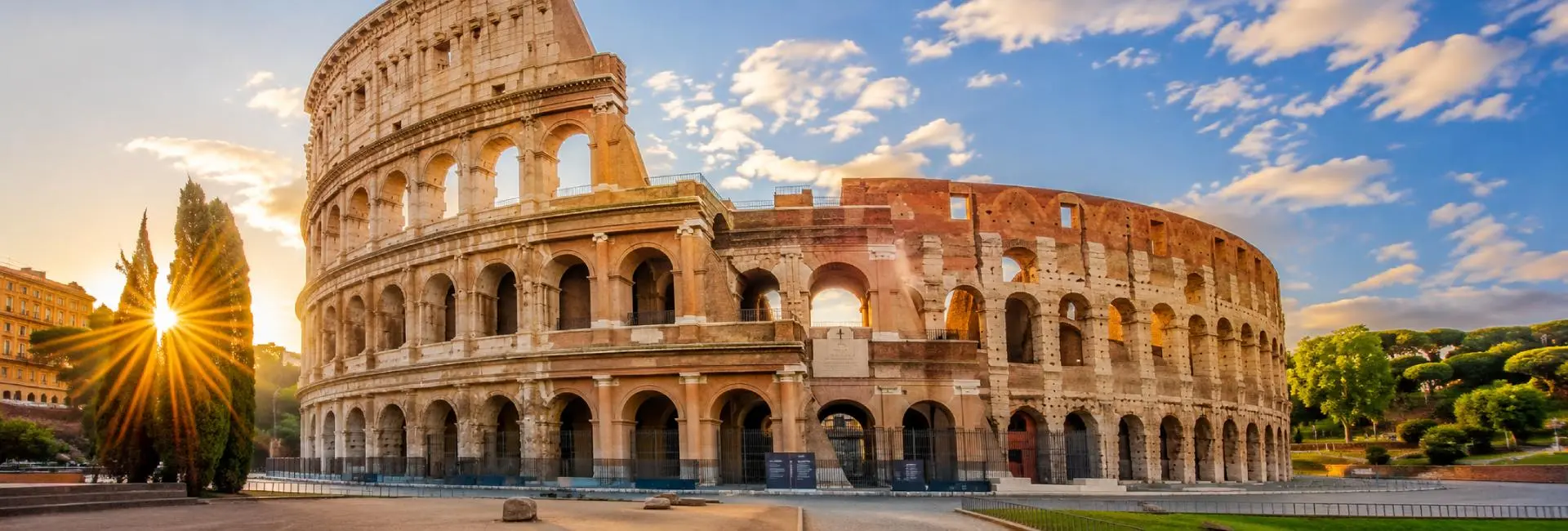
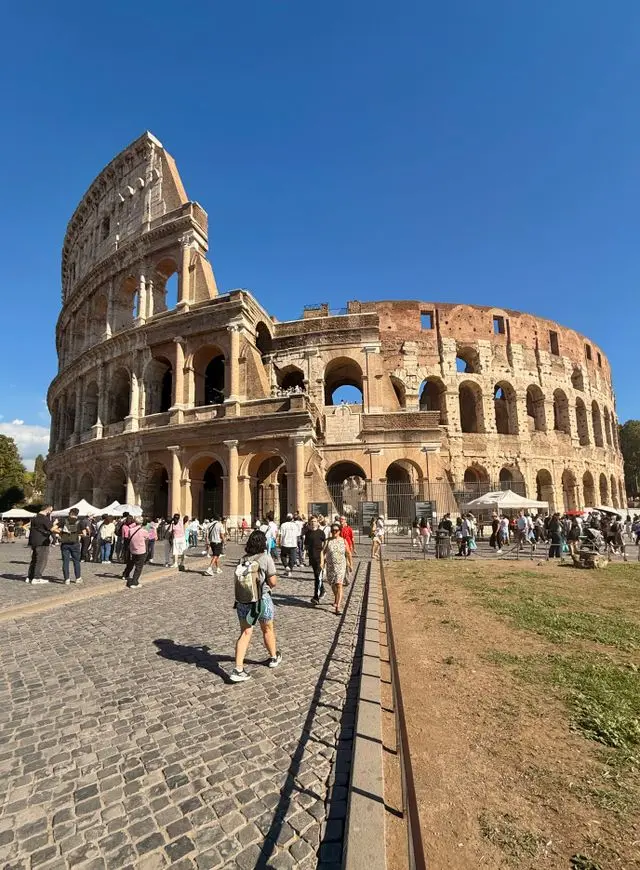
Rising in the heart of central Rome, the Colosseum is the largest amphitheatre ever built and one of the most recognisable structures on earth. Once the stage for gladiatorial combat, animal hunts, and public spectacles that drew tens of thousands of spectators, it now forms part of a single archaeological complex with the neighboring Roman Forum and Palatine Hill. A standard ticket grants access to all three sites, offering a full journey through the heart of the ancient Roman world.
History
Construction began around AD 72 under Emperor Vespasian and was completed around AD 80 under his successor, Titus. Built on the site of Emperor Nero's private lake, it became the setting for gladiatorial contests, staged animal hunts, public executions, and even mock naval battles over more than four centuries of use. Following the decline of the Roman Empire, the Colosseum fell into disuse by the 6th century and was gradually stripped of stone and left to decay. Today it stands as one of the world's most visited monuments, drawing more than 12 million visitors each year.
Key Facts & Figures
- Construction: began around AD 72, completed around AD 80
- Original seating capacity: up to 80,000 spectators
- Standard ticket also includes entry to the Roman Forum and Palatine Hill
- Annual visitors: over 12 million, making it the world's most visited monument
- Visitor capacity at any one time is capped at around 3,000 people
- Nearest metro station: Colosseo (Line B), directly outside the entrance
What to See
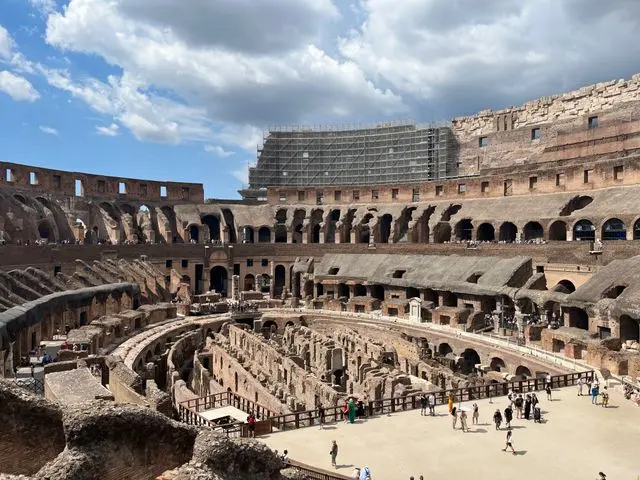
- The Arena Floor, a reconstructed section offering a gladiator's-eye view of the amphitheatre, accessible with an upgraded ticket
- The Underground Hypogeum, the network of tunnels and chambers once used to stage animals and performers, also requiring a separate ticket
- The first and second seating tiers, included with the standard ticket, offering wide views over the arena and Rome's skyline
- The Roman Forum, the political and commercial heart of ancient Rome, a short walk away
- Palatine Hill, believed to be the birthplace of Rome and home to the ruins of imperial palaces
Opening Hours & Admission
The Colosseum is open 365 days a year except December 25 and January 1, with hours that shift by season.
- Spring and summer: 9:00 AM to 7:15 PM, with last entry one hour before closing
- Winter (late October to late February): closing shortens to around 4:30 PM
- Standard adult ticket: €18, including the Roman Forum and Palatine Hill
- Arena Floor or Underground access: from around €24 to €55 depending on the experience
- Visitors under 18 receive free admission, though a ticket must still be reserved
- Tickets go on sale exactly 30 days in advance and sell out weeks ahead in peak season (April–October)
Best Time to Visit
- The 8:30–9:00 AM opening slot offers the smallest crowds and coolest temperatures
- Tuesday through Thursday tend to be the calmest days to visit
- The first Sunday of the month offers free entry but draws very large crowds, so it's best avoided if crowds are a concern
- April–May and September–October offer a good balance of pleasant weather and manageable crowds
How to Get There
The Colosseum sits on Piazza del Colosseo in central Rome. The nearest metro station is Colosseo on Line B, with the exit leading directly to the monument. From Roma Termini station, it is just two stops away.
Nearby Attractions
- Roman Forum: the ancient civic center, included with the standard Colosseum ticket
- Palatine Hill: ruins of imperial palaces overlooking the Forum
- Arch of Constantine: a well-preserved triumphal arch standing beside the Colosseum
- Mamertine Prison: an ancient underground prison a short walk away
Visitor Tips
- Book tickets online well in advance, since walk-up queues can run 1–2 hours
- Tickets are name-specific and timed, so bring valid photo ID matching the booking
- Arena Floor and Underground tickets sell out within hours of release, so book as soon as the 30-day window opens
- Wear comfortable shoes and bring water and sun protection, as much of the site is uncovered
- Consider a licensed guide for the Underground, where original lift mechanisms and gladiator holding cells are still visible
Frequently Asked Questions about The Colosseum
How much does it cost to visit the Colosseum? +
A standard ticket costs €18 and includes the Roman Forum and Palatine Hill; Arena Floor or Underground access costs more.
What are the opening hours? +
The Colosseum opens at 9:00 AM year-round, with closing times ranging from around 4:30 PM in winter to 7:15 PM in summer.
Is the Colosseum open every day? +
Yes, it is open 365 days a year except December 25 and January 1.
How far in advance should I book tickets? +
Official tickets go on sale exactly 30 days ahead and often sell out weeks in advance during peak season.
What is the best time to visit? +
Early morning at opening, especially on a weekday from Tuesday to Thursday, offers the smallest crowds.