
Table of Contents
Overview
Perched high on the Zürichberg hill overlooking the city, Zoo Zürich is widely considered one of the premier zoological gardens in Europe. Moving far beyond the traditional concept of animal exhibition, the zoo has fundamentally transformed itself over the last few decades into a world-class conservation center. It focuses heavily on creating massive, highly immersive ecosystems that allow animals to exhibit natural behaviors while educating visitors about the delicate balance of global habitats.
The zoo is expansive, covering a significant area and housing over 300 different species. What sets Zoo Zürich apart is its commitment to the "nature conservation center" philosophy. Instead of rows of cages, visitors navigate through distinct, sweeping landscapes-from the steamy jungles of Madagascar to the dry expanses of the African savanna. The enclosures are designed so seamlessly that the barriers between humans and animals often feel invisible.
A visit to Zoo Zürich is a full-day adventure. It appeals not only to families with children but also to adults, nature enthusiasts, and photographers seeking to experience the wonders of the natural world in an ethical, deeply respectful, and visually stunning environment.
History and Conservation Mission
Evolution of the Zoo
Zoo Zürich opened in 1929, initially following the standard zoological practices of the era, which focused on presenting a wide variety of animals in relatively small, enclosed spaces. However, under progressive leadership in the late 20th and early 21st centuries, the institution underwent a radical philosophical and architectural shift. The zoo adopted a master plan to rebuild the entire park into a series of massive, naturalistic ecosystems, drastically reducing the number of species held in order to provide vastly larger and more enriching spaces for those that remained.
Global Conservation Impact
Today, the core mission of Zoo Zürich is global nature conservation. The zoo does not just breed endangered species in captivity; it is actively involved in protecting the wild counterparts of its resident animals. Every major exhibit is tied directly to a specific, funded conservation project in the wild-whether protecting rainforest corridors in Madagascar, anti-poaching efforts for rhinos in Kenya, or mitigating human-elephant conflict in Thailand. A portion of every ticket sold goes directly to these field projects, meaning visitors actively contribute to global conservation just by walking through the gates.
The Masoala Rainforest
The absolute crown jewel of Zoo Zürich is the Masoala Rainforest. This incredible, massive greenhouse covers over 11,000 square meters and perfectly replicates the hot, humid ecosystem of the Masoala National Park in Madagascar. Upon stepping through the airlocks, visitors are hit with a wall of tropical heat and the sounds of the jungle.
There are no cages inside the Masoala hall. Visitors walk on winding dirt paths through dense, authentic tropical vegetation. Animals roam freely through the canopy and the undergrowth. Red ruffed lemurs swing overhead, chameleons hide in the foliage, and flying foxes roost in the tall trees. To truly appreciate the scale, visitors can climb a tall observation tower that takes them directly into the rainforest canopy, providing a breathtaking view over the jungle roof. It is one of the most immersive zoological experiences in the world.
The Lewa Savanna
Opened in 2020, the Lewa Savanna is the zoo's largest single project to date, representing the vast plains of Kenya. This expansive, multi-species habitat covers an area equivalent to several football fields. It is designed to allow different species to co-exist and interact much as they would in the wild.
The savanna is home to a thriving herd of giraffes, endangered Grevy's zebras, ostriches, and antelopes, all sharing the same open landscape. The habitat is dotted with massive baobab trees and features a prominent rocky outcrop (kopje). White rhinoceroses are also featured in a closely integrated adjacent space. The design uses hidden moats and clever landscaping to ensure that visitors enjoy unobstructed, panoramic views of the animals against the backdrop of the Zürichberg hills.
The Kaeng Krachan Elephant Park
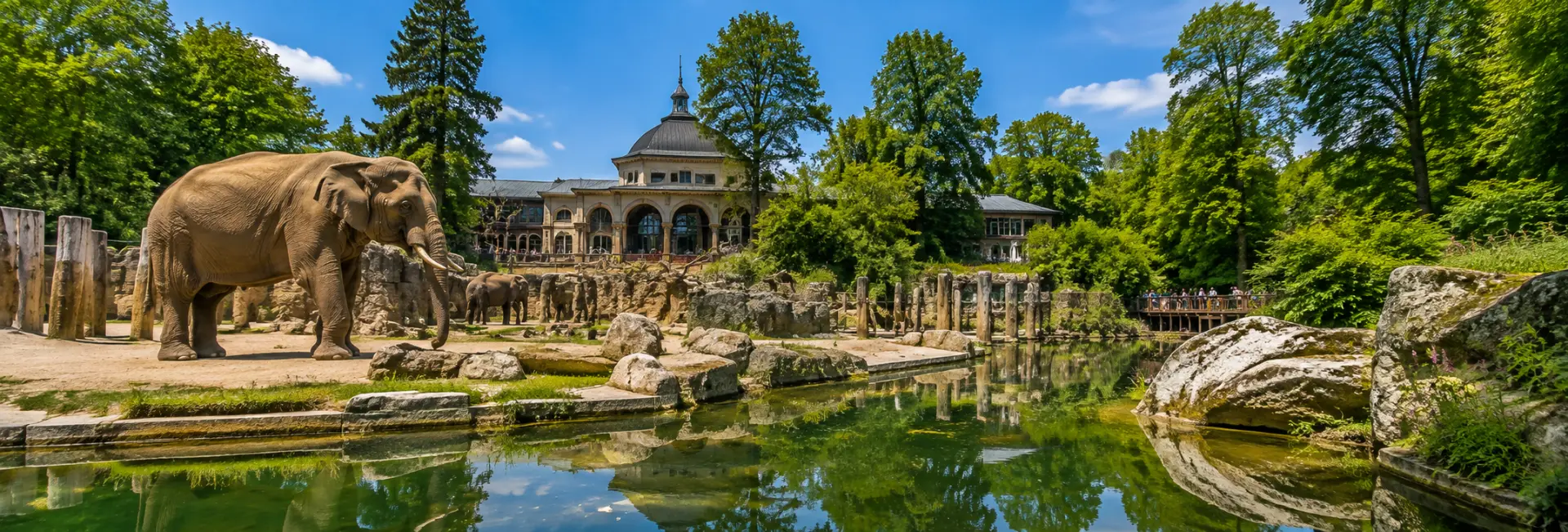
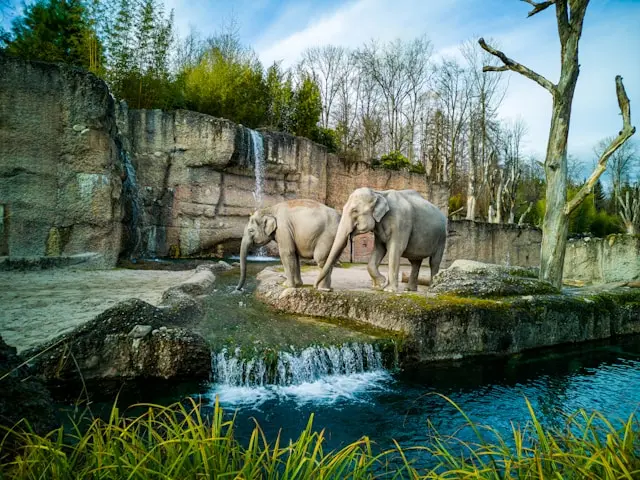
The Kaeng Krachan Elephant Park is a marvel of modern zoological architecture, designed specifically to meet the complex social and physical needs of Asian elephants. The outdoor area features varied terrain, including sand basins, scratching posts, and a massive swimming pool where the elephants can fully submerge.
The most spectacular element is the indoor enclosure, covered by an enormous, undulating wooden roof designed to resemble a forest canopy. The roof features hundreds of skylights that allow natural light to filter through, mimicking the dappled sunlight of a Thai forest. Visitors can even view the elephants swimming underwater through a massive glass viewing panel, watching the heavy animals move with surprising grace beneath the surface.
Ways to Experience the Zoo
Self-Guided Exploration
The zoo is designed to be explored slowly. Because the habitats are so large and naturalistic, animals are not always immediately visible. Finding them requires patience, observation, and a willingness to simply sit and watch the ecosystem. The zoo encourages this by providing numerous viewing hides and comfortable seating areas integrated into the landscape.
Daily Presentations and Feedings
Throughout the day, the zoo conducts various animal presentations and feedings. These are not theatrical shows, but rather educational sessions where keepers demonstrate the animals' natural behaviors, perform necessary veterinary checks (like target training with the elephants), and explain the zoo's conservation work. Checking the daily schedule upon arrival is highly recommended to catch these informative sessions.
Best Time to Visit
Arriving right when the zoo opens in the morning is the best strategy. The animals are often most active during the cooler morning hours, and the paths are significantly less crowded. Weekdays are preferable to weekends, particularly outside of local school holidays.
Interestingly, Zoo Zürich is a fantastic destination in the winter. The massive indoor habitats-like the Masoala Rainforest, the Elephant Park, and the Pantanal exhibit-offer warm, tropical escapes from the cold Swiss weather. Additionally, witnessing the famous Penguin Parade (which only occurs on days when the temperature drops below 10°C/50°F) is a beloved winter highlight, where the King Penguins take a supervised walk on the outdoor paths among the visitors.
Visitor Tips and Logistics
Tickets and Travel
Purchasing tickets online in advance is highly recommended to bypass the queues at the entrance. The easiest way to reach the zoo is via public transport, taking tram line 6 from the city center directly to the "Zoo" terminus, followed by a short walk up the hill.
Dining and Facilities
The zoo offers excellent dining options that are far above standard theme-park fare. The Pantanal restaurant focuses on South American cuisine, the Thai lodge overlooks the elephant park, and the Masoala restaurant offers views straight into the rainforest. The entire park is designed to be highly accessible for strollers and wheelchairs, with smooth paths and ramps serving all major exhibits and restaurants.
Nearby Attractions
Given the size of the zoo, it is usually a full-day destination, but there are a few nearby attractions on the Zürichberg.
- The Dolder Grand: A short tram ride or walk away is this famous, castle-like luxury hotel. Even if you aren't staying there, the terrace offers stunning views over the city and the lake.
- Zürichberg Forests: The zoo is surrounded by extensive, well-marked forest trails, which are very popular with local hikers and joggers seeking an escape from the city.
- FIFA Museum: If you are utilizing a Zurich Card and have high energy, you can take a tram back down the hill and across the city to explore this highly interactive sports museum in the late afternoon.
FAQs about visiting Zoo Zürich
How much time should I plan for my visit? +
Because the habitats are vast and spread out, you should plan for an absolute minimum of four hours. However, to truly enjoy the major exhibits, have a relaxed lunch, and avoid rushing, it is best to treat Zoo Zürich as a full-day experience.
Can I visit the Masoala Rainforest in the winter? +
Yes, the Masoala Rainforest is an indoor, climate-controlled greenhouse. It remains hot and humid (around 20-30°C / 68-86°F) year-round, making it a spectacular tropical escape during a cold Swiss winter. Dress in layers so you can take off your heavy winter coat while inside.
When does the Penguin Parade happen? +
The famous King Penguin parade is entirely weather-dependent. It only takes place during the winter months, specifically on days when the outdoor temperature drops below 10°C (50°F). When it happens, it usually takes place in the early afternoon.
Is Zoo Zürich included in the Swiss Travel Pass? +
No, entry to the zoo is not covered by the Swiss Travel Pass. However, holders of the Zurich Card usually receive a small discount on the standard admission price.
Are dogs allowed inside the zoo? +
No, for the safety and well-being of the zoo animals, dogs and other pets are strictly prohibited from entering the zoo grounds.
Is the zoo wheelchair and stroller friendly? +
Yes, the zoo is highly accessible. The paths are generally wide and paved or packed dirt. All indoor habitats, including the canopy walk in the Masoala Rainforest, are accessible via elevators or ramps.
Are there places to eat inside the zoo? +
Yes, there are several high-quality restaurants and cafes scattered throughout the park, many of which are themed to match the adjacent animal habitats. There are also numerous designated picnic areas if you prefer to bring your own food.
