
Table of Contents
Overview
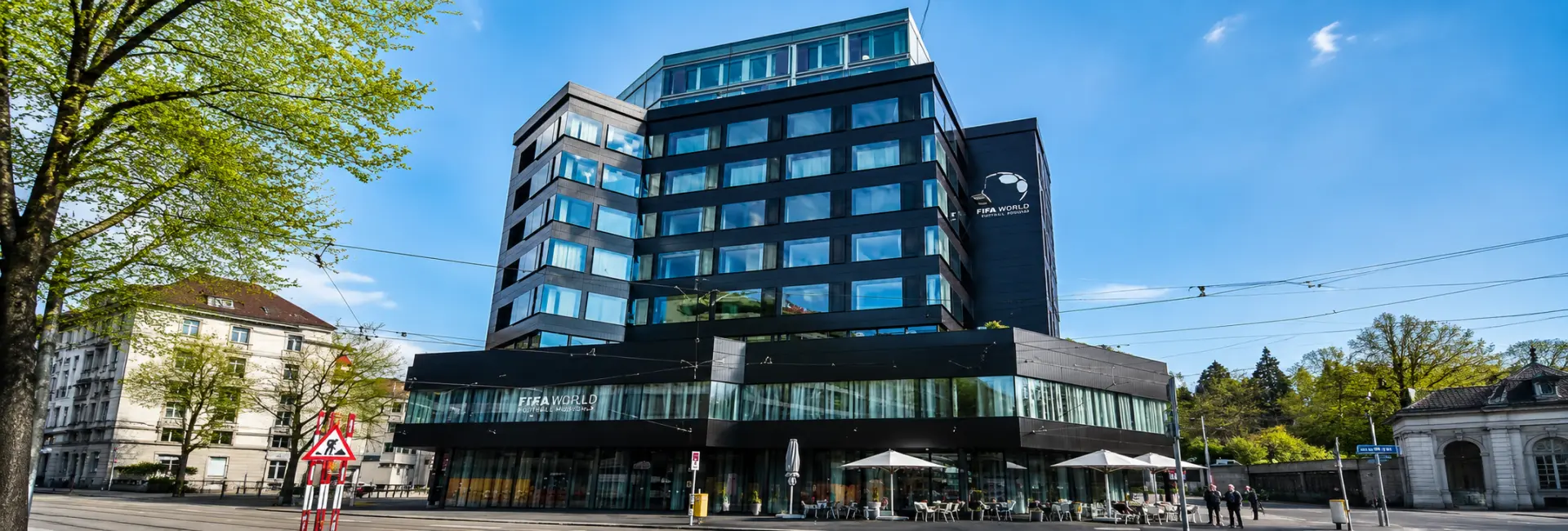
Located in the Enge district of Zurich, the FIFA Museum is a sprawling, state-of-the-art institution dedicated entirely to the rich history and global cultural impact of association football (soccer). Opening its doors in 2016, the museum aims to celebrate the beautiful game, documenting how it grew from its codified roots in England to become the most popular and widely played sport in the world.
Unlike traditional sports halls of fame that simply display old jerseys, the FIFA Museum is designed as a highly interactive, multimedia journey. It holds an extensive collection of memorabilia, historic documents, and equipment spanning over a century of play. More importantly, it focuses on the emotional connection fans have with the sport, highlighting how football has shaped national identities, influenced global politics, and brought diverse cultures together on a single pitch.
For football fans, the museum is akin to a pilgrimage site, offering a chance to see iconic artifacts-most notably the original FIFA World Cup Trophy. However, its engaging storytelling and heavily interactive game zones make it an incredibly entertaining and educational destination even for those with only a casual interest in the sport.
History and Creation
The Vision for a Football Home
As the international governing body of football, FIFA has been headquartered in Zurich since 1932. For decades, the organization had amassed a vast archive of historical artifacts, trophies, and documents related to the sport and the World Cup tournaments. However, these items were largely kept in storage and out of public view. The idea to create a permanent, public museum to showcase this history gained momentum in the 2010s, envisioned as a way to engage directly with fans and document the sport's global legacy.
Opening and Development
The museum project was ambitious, requiring the complete gutting and renovation of a large commercial building near the Zurich Enge train station. Following years of curation and high-tech installation, the FIFA Museum officially opened in February 2016. Since its inauguration, the museum has continuously expanded its collection, incorporating artifacts from recent men's and women's World Cups, and hosting specialized temporary exhibitions that dive deep into specific aspects of football culture, such as the evolution of stadium design or the history of women in the sport.
Architecture and Layout
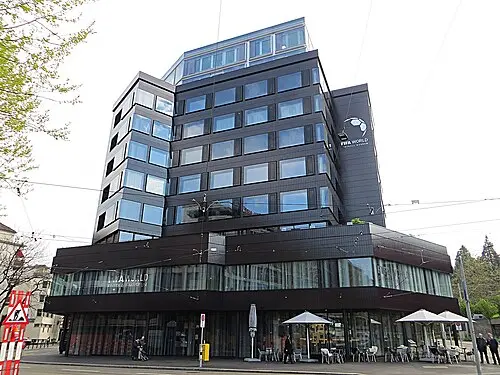
The museum is housed within the "Haus zur Enge," a mixed-use building that was redesigned to accommodate the massive exhibition space. The museum itself spans three massive floors, offering over 3,000 square meters of exhibition area. The interior architecture is distinctly modern and sleek, utilizing dark, dramatic lighting to highlight the brilliantly illuminated display cases and massive multimedia screens.
The layout is carefully curated to guide visitors through a chronological and thematic narrative. The journey begins on the upper floors, establishing the origins and global reach of FIFA's member associations, before descending into the core history of the World Cup tournaments, and finally culminating in the highly active, physical play zones on the lowest level. This spatial progression moves the visitor from the role of an observer of history to an active participant in the game.
Major Exhibits and the World Cup Gallery
The Rainbow of Shirts
One of the first and most visually striking exhibits upon entering is the national shirt display. A sweeping, curved wall features the official national team jerseys of all 211 FIFA member associations, arranged in a vibrant spectrum of colors. This exhibit powerfully communicates the true global scale of the sport and the unifying nature of the organization, giving equal visual weight to footballing giants like Brazil and Germany alongside smaller nations like Bhutan or Montserrat.
The World Cup Gallery
The heart of the museum is the World Cup Gallery, which meticulously details the history of every single men's and women's FIFA World Cup tournament. For each edition, the museum displays genuine artifacts used in the tournament-ranging from the heavy leather balls and hobnailed boots of the 1930s to the high-tech synthetics worn by modern superstars. Visitors can view legendary items, such as a piece of the crossbar from the controversial 1966 final or the boots worn by icons like Pelé and Maradona.
The Original World Cup Trophy
The undisputed crown jewel of the collection is the display of the authentic FIFA World Cup Trophy. Kept in a specially designed, highly secure glass vault, this is the actual solid-gold trophy that is presented to the winning captain at the conclusion of the tournament (the winning nation takes home a replica, while the original returns to Zurich). Standing just inches away from the most coveted prize in global sports is a thrilling highlight for any visitor.
Interactive and Multimedia Experiences
The 180-Degree Cinema
The museum utilizes cutting-edge multimedia to immerse visitors in the atmosphere of the game. A major feature is the 180-degree cinema, which screens a short, emotionally charged film capturing the passion, agony, and ecstasy of the World Cup. Using footage from historic finals and dramatic fan reactions from around the globe, the immersive projection perfectly encapsulates why football evokes such intense emotion.
The Pinball Experience (Playzone)
On the lowest level, the museum shifts from observation to action. The Pinball Experience is a giant, physical skill zone where visitors can test their own footballing abilities. It features a series of interactive stations that challenge your passing accuracy, shooting speed, and dribbling skills. It's designed like a giant, walk-in pinball machine for footballs, providing immense fun for children, teenagers, and competitive adults alike.
Ways to Experience the Museum
Self-Guided Tours
The museum is optimized for self-guided exploration. The exhibits are highly intuitive, featuring interactive touchscreens available in multiple languages (including English, German, French, and Spanish). These screens allow visitors to dive as deep as they want into specific match statistics, tournament histories, or player biographies, allowing you to tailor the visit to your own level of fandom.
Guided Tours
For a more curated experience, the museum offers guided tours led by knowledgeable football historians. These tours provide fascinating behind-the-scenes anecdotes about how certain artifacts were acquired and offer deeper context into the political and social events that shaped specific World Cup tournaments. Guided tours must usually be booked in advance and are available for private groups.
Best Time to Visit
The FIFA Museum is an excellent year-round destination, but it is particularly ideal for rainy days or cold winter afternoons when outdoor sightseeing in Zurich is less appealing. Weekdays are generally quieter, allowing you more time to engage with the interactive touchscreens and play zones without waiting. Weekends and school holidays are predictably busier, often filled with families and youth football teams. If you visit during an active World Cup or European Championship tournament, the museum often hosts special viewing events and takes on a particularly festive atmosphere.
Visitor Tips and Logistics
Tickets and Timing
Plan to spend roughly two to three hours at the museum to fully appreciate the exhibits and spend time in the interactive play zones. Tickets can be purchased online in advance or at the door. If you hold a Swiss Travel Pass, you generally receive complimentary entry, and Zurich Card holders receive a significant discount-always check current validity before purchasing.
Facilities
The museum is exceptionally well-equipped. It is fully accessible for wheelchair users and strollers, featuring large elevators and wide pathways. The venue includes a fantastic sports bar-often screening live football matches from around the world-and a stylish café for lighter refreshments. There is also a well-stocked museum shop offering official FIFA merchandise, vintage-style apparel, and books on football history.
Nearby Attractions
The museum's location in the Enge district makes it easy to combine with other lakeside attractions.
- Lake Zurich Promenade: Just a short walk across the street brings you to the lakeside promenade. You can walk along the water, rent a paddleboat, or simply relax in one of the lakeside parks.
- Rietberg Museum: A ten-minute walk up the hill through the beautiful Rieterpark leads you to the Rietberg Museum, which houses an outstanding collection of non-European art, offering a complete cultural shift from sports history.
- Enge Swimming Enclosures (Badi Enge): During the summer, these historic wooden bathing facilities on the lake offer a fantastic place to swim, sunbathe, and enjoy a drink on the water right after your museum visit.
FAQs about visiting the FIFA Museum Zurich
Is the original World Cup trophy really on display? +
Yes, the authentic, solid-gold FIFA World Cup Trophy is permanently displayed in a secure glass vault within the museum, except during the period when it is taken on the global Trophy Tour ahead of a tournament.
How much time should I plan for the visit? +
Most visitors spend between two and three hours at the museum. If you are a die-hard football fan who wants to read every exhibit or if you are traveling with children who will want to spend an hour in the interactive play zone, plan for a longer stay.
Is the museum fun for people who don't like football? +
Surprisingly, yes. While hardcore fans will get the most out of the specific historical details, the museum is highly interactive, visually stunning, and focuses heavily on the cultural and human-interest aspects of the sport. The physical game zones on the bottom floor are universally enjoyable.
Is the museum included in the Swiss Travel Pass? +
Yes, the FIFA Museum is typically fully covered by the Swiss Travel Pass, meaning pass holders can enter for free. Holders of the Zurich Card usually receive a discount on the standard admission price.
Are there activities for children? +
The museum is incredibly child-friendly. The entire lower floor is dedicated to "The Pinball Experience," featuring physical skill games, kicking challenges, and e-sports stations that are immensely popular with kids and teenagers.
Is the museum wheelchair accessible? +
Yes, the entire museum is fully barrier-free. Elevators connect all exhibition floors, the pathways are wide and flat, and there are accessible restrooms available.
How do I get to the FIFA Museum? +
The museum is located directly across from the Zurich Enge train station (Bahnhof Enge). It is incredibly easy to reach via local trains, or by taking tram lines 5, 6, or 7 directly to the "Bahnhof Enge" stop.
