
Table of Contents
Overview
The Kunsthaus Zürich stands as one of the most prominent and expansive art institutions in Switzerland, anchoring the cultural landscape of Zurich. Situated prominently at Heimplatz, this world-renowned museum houses an encyclopedic collection that spans from the Middle Ages to contemporary installations. Its reputation is built not only on the sheer volume of its holdings but also on the extraordinary quality of its individual pieces, making it a pivotal destination for art enthusiasts traversing Europe.
Unlike many state-founded museums, the Kunsthaus traces its roots to a dedicated society of local art lovers, lending the institution a distinct civic pride and character. Over the decades, it has systematically acquired major works through both strategic purchases and generous private donations, building particular strength in modern art, Impressionism, and Expressionism. Today, the museum is celebrated globally for maintaining the largest collection of works by Edvard Munch outside of Norway and for its unparalleled assembly of Alberto Giacometti sculptures.
With the addition of a massive, light-filled modern extension completed in recent years, the Kunsthaus Zürich has effectively doubled its exhibition space. This expansion has transformed the institution into the largest art museum in Switzerland, creating a dynamic campus that bridges classical architectural heritage with contemporary design. Whether you are drawn to the delicate brushstrokes of French Impressionists or the provocative multimedia works of living artists, the Kunsthaus provides a comprehensive and deeply engaging artistic journey.
History of the Museum
Origins and the Zürcher Kunstgesellschaft
The story of the Kunsthaus Zürich is inextricably linked to the Zürcher Kunstgesellschaft, the Zurich Art Society. Founded in the late eighteenth century by a group of forward-thinking artists and art collectors, the society initially focused on gathering works and hosting small, informal exhibitions. For many years, these enthusiasts operated without a permanent home, shifting their growing collection between various temporary venues across the city.
By the turn of the twentieth century, it became clear that the burgeoning collection required a dedicated, purpose-built space. In 1910, the society finally achieved this goal when the original Kunsthaus building opened its doors. This milestone marked the transition of the collection from a private endeavor into a major public institution, permanently altering the cultural fabric of Zurich.
Growth and Expansion
Throughout the twentieth century, the museum experienced significant growth, both in the size of its collection and its physical footprint. Strategic acquisitions were made, focusing heavily on contemporary movements of the time. The museum became an early champion of modernism, acquiring works by artists who would later be recognized as defining figures of the era.
To accommodate the expanding artistic inventory, the original building underwent several expansions. Notable additions were completed in the 1920s, the 1950s, and the 1970s. Each architectural phase reflected the aesthetic sensibilities of its time, turning the museum complex into a chronological map of modern architectural development in Switzerland. Despite these additions, by the early twenty-first century, the institution once again found itself constrained by limited space, prompting the most ambitious expansion project in its history.
Architecture and the Chipperfield Extension
The Historic Moser Building
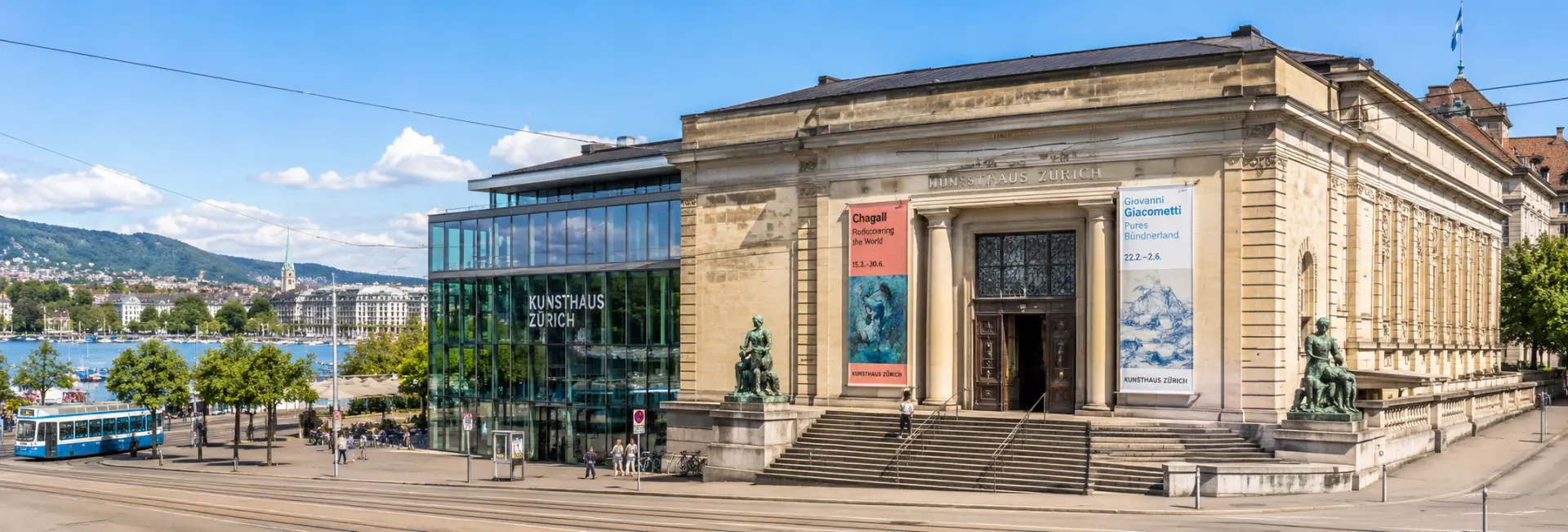
The original Kunsthaus building was designed by Karl Moser, a highly influential Swiss architect, and completed in 1910. Moser's design is a masterful example of the Secessionist style, characterized by its robust, monumental stone facade and classical proportions. The interior spaces were designed with careful attention to natural light, featuring grand skylights and generously proportioned galleries that remain highly effective for displaying classical art.
Over the decades, the Moser building has maintained its historic grandeur while undergoing necessary modernizations. Its imposing entrance and heavy stone exterior provide a strong sense of institutional gravity and permanence, grounding the museum in the historical traditions of European art display.
The David Chipperfield Extension
In 2021, the Kunsthaus Zürich inaugurated a massive new extension designed by the renowned British architectural firm David Chipperfield Architects. Located directly across Heimplatz from the historic building, the new structure represents a stark but highly complementary contrast to Moser's original vision. The extension is defined by its clean, geometric lines, slender brass fins, and an abundance of floor-to-ceiling windows that flood the public spaces with natural light.
The Chipperfield building was designed to be inherently porous and integrated with the city. A central, publicly accessible hall runs through the ground floor, connecting the square to the gardens behind the museum. The two buildings are seamlessly linked by an underground passageway, unifying the old and the new into a single, cohesive campus. This expansion not only provided crucial space for contemporary art and private collections but also fundamentally redefined the museum's relationship with the surrounding urban environment.
Collections and Permanent Exhibits
Swiss Art and Alberto Giacometti
The Kunsthaus holds an exceptional commitment to the preservation and display of Swiss art, offering an unparalleled overview of the nation's artistic evolution. Visitors can trace the development of Swiss painting from the romantic landscapes of the nineteenth century through the symbolist works of Ferdinand Hodler. However, the undisputed crown jewel of the Swiss collection is the foundation dedicated to Alberto Giacometti.
The museum houses the most comprehensive collection of Giacometti's work in the world. This includes not only his famous elongated, existentialist bronze figures but also an extensive array of his paintings, sketches, and early surrealist objects. The dedicated Giacometti galleries offer a profoundly intimate look into the artist's creative process and his enduring fascination with the human form and spatial relationships.
Impressionism and Post-Impressionism
The collection of French Impressionist and Post-Impressionist art is among the most significant in Europe. The museum boasts major canvases by Claude Monet, including breathtaking large-scale water lily paintings that command entire walls. Alongside Monet, visitors can explore vibrant works by Édouard Manet, Edgar Degas, and Pierre-Auguste Renoir.
The Post-Impressionist holdings are equally formidable, featuring pivotal works by Vincent van Gogh, Paul Cézanne, and Paul Gauguin. These galleries clearly illustrate the transition from the atmospheric studies of Impressionism toward the more structured, emotionally charged approaches that paved the way for twentieth-century modernism.
Modern Art and the Edvard Munch Collection
The Kunsthaus Zürich was a pioneering institution in collecting modern art, and its holdings from the early twentieth century are extraordinary. The museum features major works by Pablo Picasso, tracing his evolution from the Blue Period through Cubism. Additionally, there are strong representations of Surrealism, Expressionism, and Constructivism, including masterpieces by Marc Chagall, Piet Mondrian, and Wassily Kandinsky.
Perhaps most famously, the Kunsthaus possesses the largest collection of paintings by the Norwegian master Edvard Munch outside of Oslo. The Munch galleries showcase his profound psychological insight and innovative use of color, providing a rare opportunity to study a deep cross-section of his life's work in a single location.
Must-See Highlights
While the entire collection warrants careful exploration, several specific masterpieces demand special attention due to their historical significance and visual power.
- Alberto Giacometti's Walking Man: These iconic, slender bronze figures define twentieth-century existentialist art. The Kunsthaus displays several variations, allowing visitors to see Giacometti's obsessive refinement of the human silhouette.
- Edvard Munch's Portfolios: The extensive Munch collection features emotionally intense portraits and landscapes that capture the anxiety and raw emotion of the modern era. Taking time to see the breadth of his color palettes is essential.
- Claude Monet's Water Lilies: The museum houses enormous, immersive canvases from Monet's late career. Viewing these panoramic paintings provides a deeply meditative experience, showcasing the artist's radical departure into near-abstraction.
- Ferdinand Hodler's Landscapes: For a deep dive into Swiss cultural identity, Hodler's rhythmic, highly structured paintings of the Alps and Lake Geneva are absolute must-sees.
- The Bührle Collection: Displayed in the new extension, this world-class private collection features incredible works by Cézanne, Degas, and Van Gogh, although it is also accompanied by important contextual information regarding the complex provenance of the artworks.
Ways to Experience the Museum
Self-Guided Exploration
The most popular way to experience the Kunsthaus is at your own pace. The galleries are logically arranged, generally flowing chronologically within specific wings. The museum provides an excellent multimedia guide via a smartphone application, which offers detailed audio commentary, historical context, and high-resolution images of key artworks. This digital companion is highly recommended for unlocking the deeper narratives behind the paintings and sculptures.
Guided Tours and Workshops
For those seeking a more structured experience, the museum offers a robust schedule of guided tours led by art historians and museum educators. These tours range from general overview walks that highlight major masterpieces to highly specialized thematic tours focusing on specific movements, artists, or architectural details.
Additionally, the Kunsthaus is deeply committed to arts education. It regularly hosts interactive workshops, drawing classes in the galleries, and engaging programs designed specifically for families and young children. These programs encourage active participation and offer creative ways to connect with the collection beyond traditional viewing.
Best Time to Visit
To experience the Kunsthaus in the most serene conditions, aim to arrive right when the museum opens in the morning. Weekday mornings, particularly Tuesdays and Wednesdays, tend to be the quietest times, allowing for unobstructed views of the major masterpieces and a more contemplative atmosphere in the galleries.
Weekends are naturally the busiest periods, drawing both local residents and international tourists. If a weekend visit is unavoidable, late afternoons can sometimes offer a slight dip in crowd numbers. It is also highly beneficial to check the museum's exhibition schedule before planning your trip; the opening weeks of major temporary exhibitions often result in significantly higher attendance across the entire campus.
Visitor Tips and Logistics
Tickets and Entry
Purchasing tickets online in advance is highly recommended, particularly during the peak summer tourist season or when a major temporary exhibition is running. The museum offers different ticket tiers; a standard admission usually covers the permanent collection, while access to special exhibitions may require a supplementary ticket. If you possess a Zurich Card or a Swiss Travel Pass, be sure to inquire about discounted or complimentary entry options.
Navigating the Campus
With the addition of the new Chipperfield building, the Kunsthaus is now a massive complex. Plan to spend at least three to four hours if you wish to see a comprehensive overview of both buildings. Make use of the underground passageway that connects the historic Moser building with the modern extension-it features striking architectural lighting and contemporary art installations of its own.
Facilities and Accessibility
The museum is fully equipped with modern amenities. Both buildings feature extensive cloakrooms and secure lockers for storing bags and coats. The complex is fully wheelchair accessible, with ramps and large elevators serving all exhibition floors. For dining, the museum offers a sophisticated café in the historic building and a stylish bar and restaurant in the new extension, both excellent spots to rest and reflect on the art.
Nearby Attractions
The Kunsthaus is centrally located, making it very easy to combine a museum visit with other major Zurich attractions.
- Grossmünster: Just a short walk down the hill from the museum is Zurich's iconic Romanesque church. Climbing its towers provides spectacular panoramic views of the city and the lake.
- The Old Town (Altstadt): Wander through the narrow, winding cobblestone streets of the historic center, filled with guild houses, boutique shops, and traditional Swiss restaurants.
- Lake Zurich: A ten-minute walk brings you to the shores of the lake, where you can stroll along the promenades, take a scenic boat cruise, or simply relax by the water.
- Schauspielhaus Zürich: Located immediately adjacent to the museum on Heimplatz, this is one of the most prominent and historically significant theaters in the German-speaking world.
FAQs about visiting Kunsthaus Zürich
How much time should I plan to spend at the Kunsthaus Zürich? +
To fully appreciate both the historic building and the modern extension, you should plan for at least three to four hours. If you are deeply interested in art or want to view temporary exhibitions, it is easy to spend an entire day exploring the campus.
Is photography allowed inside the galleries? +
Photography without a flash and without a tripod is generally permitted in the permanent collection galleries for personal use. However, photography is strictly prohibited in certain temporary exhibitions or for specific loaned artworks, which will be clearly indicated by signage.
Are there dining options inside the museum? +
Yes, the museum features multiple dining options. There is a classic café located in the historic Moser building offering light snacks and coffee, and a larger, more contemporary restaurant and bar situated in the new Chipperfield extension.
Is the Kunsthaus included in the Swiss Travel Pass or Zurich Card? +
Holders of the Zurich Card typically receive a discount on admission, while the Swiss Travel Pass may offer reduced or complimentary entry to the permanent collection depending on current policies. Always present your pass at the ticketing desk to claim available benefits.
Do I need a separate ticket for the Chipperfield extension? +
No, a standard admission ticket grants access to the permanent collections housed in both the historic building and the new Chipperfield extension. Special temporary exhibitions, regardless of which building they are in, may require an additional fee.
Is the museum accessible for visitors with limited mobility? +
Absolutely. The entire museum complex, including the underground connecting passageway between the two buildings, is fully accessible. There are ramps, large elevators, and accessible restrooms available throughout the campus.
What is the best way to travel to the museum? +
The museum is very easily reached by public transportation. The "Kunsthaus" tram stop is located directly in front of the museum on Heimplatz and is served by several major tram lines that connect to the main train station and other central hubs.
