Table of Contents
Overview
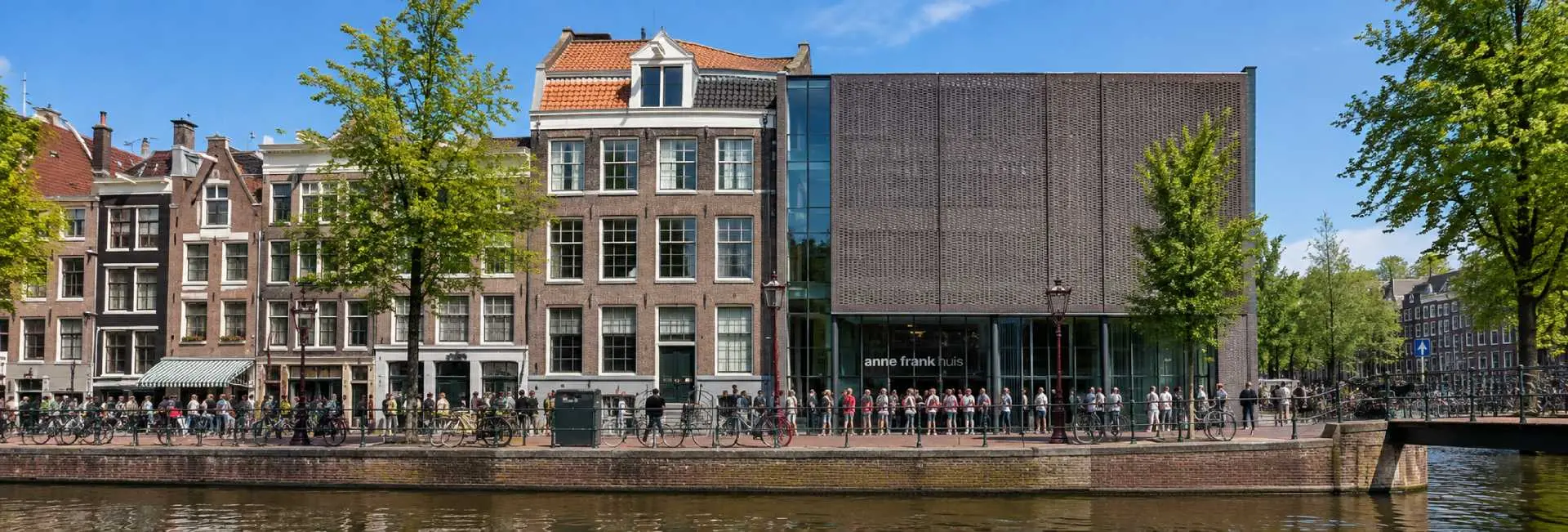
The Anne Frank House sits on the Prinsengracht canal in central Amsterdam, inside the very building where a Jewish teenager and seven others hid from Nazi persecution for over two years during World War II. It was here that Anne Frank wrote the diary that would later become one of the most widely read personal accounts of the Holocaust.
Today the building functions as a museum and memorial. Visitors walk through the preserved rooms of the annex, view Anne's original diary, and follow an exhibition that connects her story to the broader history of discrimination and human rights. It remains one of Amsterdam's most visited and most emotionally resonant sites.
History
A 17th-Century Canal House
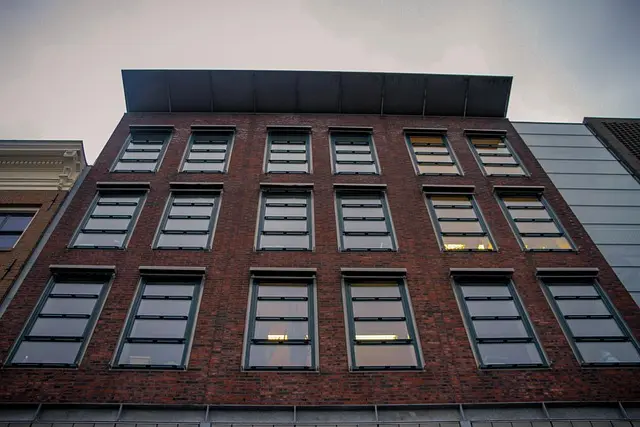
The building at Prinsengracht 263 was originally constructed in 1635 as a typical Amsterdam canal house, with a front section facing the street and canal, and a separate rear annex hidden from outside view. In 1940, Otto Frank, Anne's father, moved his pectin and spice trading business into the premises.
Going Into Hiding
As Nazi persecution of Jews intensified following the German occupation of the Netherlands, the Frank family went into hiding in the concealed rear annex in July 1942. They were soon joined by the van Pels family and later by Fritz Pfeffer, bringing the group to eight people living in secrecy, dependent on a small circle of helpers who risked their own safety to bring food and supplies.
Discovery and Aftermath
In August 1944, the group was betrayed and discovered by the Gestapo. All eight were deported to concentration camps; Otto Frank was the only one of the group to survive the war. After his return to Amsterdam, he arranged for Anne's diary, salvaged by one of the family's helpers, to be published.
From Demolition Risk to Museum
By the 1950s the building was slated for demolition. A campaign led by Otto Frank and the newly formed Anne Frank Foundation saved it instead, and the Anne Frank House opened as a museum on 3 May 1960. A major expansion between 1999 and 2001 added adjoining buildings to house exhibition space, a bookshop, and visitor facilities.
The Secret Annex
The Secret Annex is the heart of the museum: a set of small rooms above and behind Otto Frank's former business premises, entered through a hinged bookcase that concealed the entrance from anyone searching the building. The rooms have been left unfurnished, in keeping with Otto Frank's wish that the space stand as it was left after the war rather than be staged as a period reconstruction.
- The revolving bookcase that hid the annex entrance
- Anne's bedroom, where she pasted magazine clippings and postcards onto the wall
- Pencil marks on the wall tracking the children's height as they grew during hiding
- The shared living and sleeping spaces used by all eight occupants
Anne's Diary
Anne began writing in the diary she received for her 13th birthday shortly before the family went into hiding, and continued for most of the two years they spent in the annex. She later rewrote much of it by hand on loose sheets, intending to publish an edited version after the war.
Otto Frank combined both versions into the book first published in Dutch in 1947 as "Het Achterhuis," followed by an English edition in 1952 titled "The Diary of a Young Girl." The diary has since been translated into dozens of languages and adapted for stage and screen. The original notebooks and loose pages are displayed in the museum's diary room.
The Museum Today
Beyond the annex itself, the museum includes a contemporary exhibition space that places Anne's story within the wider history of the Holocaust and connects it to present-day questions of discrimination and human rights. A multimedia area offers background on the people who hid in the annex and those who helped them.
- Anne's original red-checked diary, displayed behind glass
- Otto Frank's map of Normandy, marked with pins tracking the Allied advance
- A contemporary exhibition on discrimination and human rights
- A museum café and bookstore in the adjoining modern wing
Ways to Experience It
A visit to the Anne Frank House is entirely self-guided, following a fixed route through the building with free audio commentary available in multiple languages. Most visits take about an hour, moving from Otto Frank's former offices through the bookcase entrance and into the annex itself, before ending in the modern exhibition wing.
For those who want more context beforehand or can't secure a same-day slot, several operators run walking tours of the surrounding Jordaan neighborhood that cover Anne Frank's story and the sites connected to it without entering the museum itself.
Best Time to Visit
The museum is busiest during summer school holidays and around major Amsterdam events, when timed-entry slots can sell out weeks or months in advance. Visiting early in the morning or later in the evening, where longer hours apply, tends to mean smaller crowds moving through the narrow rooms of the annex.
Because the annex's staircases and passageways are narrow, the experience is inherently slower and more intimate than a typical museum visit regardless of season, so arriving with a booked, specific time slot matters more than choosing a particular month.
Visitor Tips
- Book tickets online well in advance; the museum operates on timed entry and regularly sells out
- Photography and filming are not permitted anywhere inside the building
- The annex is reached by steep, narrow stairs and is not wheelchair accessible; the newer exhibition wing is more accessible
- Large backpacks and bags are not allowed inside; there is no cloakroom for storage
- Free leaflets are available at the entrance in several languages for visitors who prefer a printed guide over the audio tour
- Plan for the visit's emotional weight; many visitors find it a heavier experience than a typical historical museum
Nearby Attractions
The museum sits in the Jordaan neighborhood, one of Amsterdam's most walkable historic districts, making it easy to combine with other sights nearby.
- Westerkerk, the church tower visible from the annex's windows and mentioned in Anne's diary
- The Anne Frank statue on Westermarkt, a short walk from the museum entrance
- The Jordaan neighborhood's canals, markets, and independent shops
- Amsterdam's wider canal ring, within easy walking or cycling distance
FAQs about Anne Frank House
What is the Anne Frank House? +
It's the Amsterdam canal house where Anne Frank and seven others hid from the Nazis for over two years during World War II, now preserved as a museum that displays her original diary and tells the story of the people who hid there.
How long does a visit take? +
Most visits last around an hour, following a fixed self-guided route through the annex and the adjoining exhibition space.
Do I need to book tickets in advance? +
Yes, tickets are sold for specific timed entry slots and regularly sell out weeks or months ahead, so booking online as early as possible is strongly recommended.
Is the Anne Frank House wheelchair accessible? +
Only partly; the Secret Annex is reached by steep, narrow staircases that cannot accommodate wheelchairs, though the newer exhibition wing is more accessible.
Can I take photos inside? +
No, photography and filming are prohibited throughout the museum, including in the annex.
Is the Anne Frank House suitable for children? +
It can be a powerful but emotionally heavy experience given the subject matter, so many visitors consider it more appropriate for older children and teenagers who have some context on the Holocaust beforehand.
What can I see nearby? +
The Westerkerk church, the Anne Frank statue on Westermarkt, and the wider Jordaan neighborhood are all within a short walk of the museum.
Is the original diary on display? +
Yes, Anne's original diary and the loose pages of her rewritten version are displayed in the museum's diary room.