Table of Contents
Overview
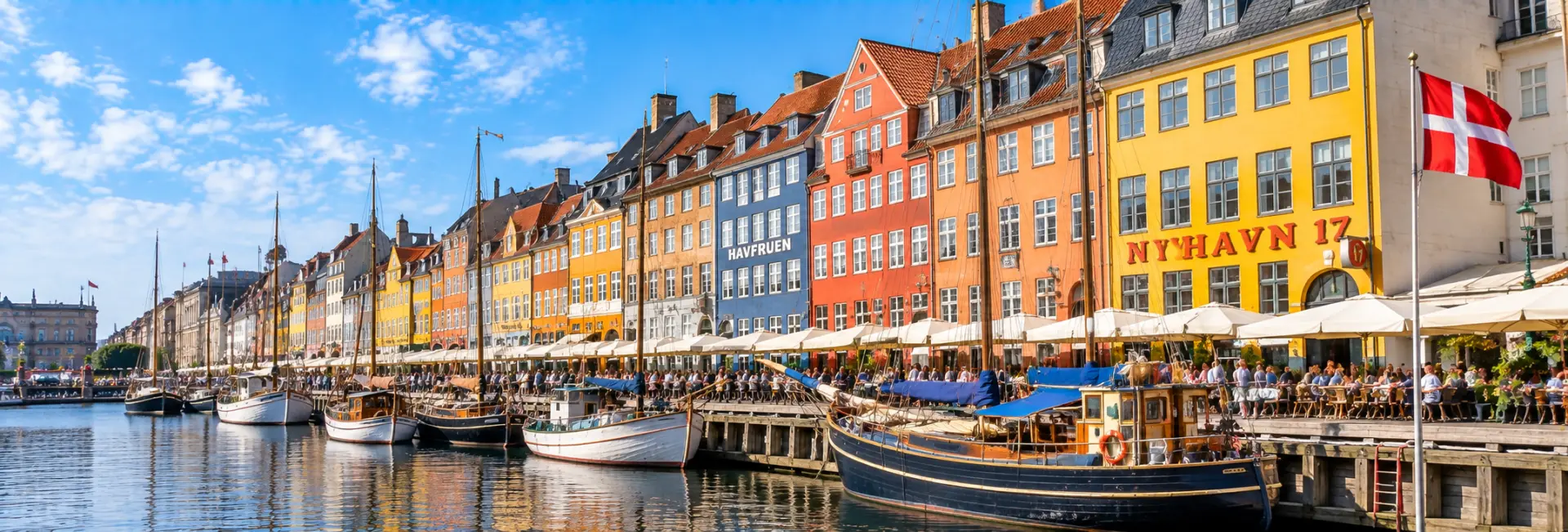
Nyhavn, Danish for "New Harbour," is the row of candy-colored townhouses and moored wooden ships that has become the single most recognizable image of Copenhagen. A narrow canal runs between two quays lined with 17th and 18th-century buildings, now filled with restaurants and outdoor cafes rather than the sailors and dockworkers who once crowded its taverns.
Despite its postcard reputation, Nyhavn's roots are considerably grittier than its current cafe-lined atmosphere suggests, and that contrast between hard-working harbor and picture-perfect gathering spot is part of what makes a walk along its quays so interesting.
History
Digging the New Harbour
King Christian V ordered the canal built between 1670 and 1675 to give ships a more direct route from the sea into the old inner city at Kongens Nytorv, easing congestion at the main harbor. Much of the digging was carried out by Danish soldiers alongside Swedish prisoners of war captured during an earlier conflict between the two countries.
A Rough-and-Tumble Waterfront
For much of its early history, Nyhavn had a reputation built on beer halls, sailors on shore leave, and prostitution rather than fine dining, particularly along what locals called the sunny side of the canal. As shipping technology advanced and vessels grew too large for the narrow canal, Nyhavn's role shifted toward smaller-scale domestic freight traffic.
Decline and Revival
After the Second World War, overland trucking took over much of the freight work that had once passed through Nyhavn, leaving the canal largely empty of working boats. In the mid-1960s, a local preservation group formed with the specific goal of reviving the area, and by 1977 Nyhavn had been reestablished as a harbor for veteran ships and a living maritime museum rather than a commercial dock.
Architecture & Streetscape
The canal is lined with narrow, brightly painted townhouses in shades of red, yellow, and blue, many dating from the late 17th and early 18th centuries and still showing their original narrow facades and steep rooflines. One house on the canal has stood largely unaltered since it was built in 1681, offering a rare, mostly unchanged look at the district's earliest architecture.
A bridge crosses the canal near its harbor end, first built as a temporary wooden footbridge in 1874 and replaced by the sturdier structure still in use since 1912, linking the two quays without requiring a detour around the water.
Key Areas
The Sunny Side
Historically the rowdier of the two quays and home to much of Nyhavn's old red-light activity, this side now hosts many of the canal's busiest restaurant terraces, particularly popular on warm afternoons when the sun falls directly on the waterfront tables.
The Shadow Side
Facing the sunny side across the canal, this quay carries a slightly quieter atmosphere and includes several of the addresses associated with Hans Christian Andersen's long residence in the district.
The Harbor End
Toward the Inner Harbour, Nyhavn opens out to meet the wider waterway near the Royal Playhouse, where many of the canal's preserved historic ships are moored alongside the modern harbor traffic passing through central Copenhagen.
Notable Landmarks
- Multiple addresses along the canal where Hans Christian Andersen lived over nearly two decades, including the house where he wrote his first published fairy tale
- A row of historic wooden sailing ships permanently moored along the canal as part of its status as a veteran ship harbor
- The Nyhavn bridge, rebuilt in 1912 and still connecting the canal's two quays
- Number 9 Nyhavn, one of the canal's oldest surviving buildings, largely unchanged since 1681
Ways to Experience It
Canal boat tours depart directly from Nyhavn's quays, offering a water-level view of the harbor and a common starting point for wider sightseeing trips around Copenhagen's waterways. On land, an equally popular option is simply choosing a cafe table along either quay and watching the boats and crowds pass by over a coffee or a Danish smorrebrod lunch.
In winter, Nyhavn takes on a different character entirely, with a seasonal Christmas market filling one side of the canal with stalls, mulled wine, and holiday lights from early November through the season.
Best Time to Visit
Summer afternoons and evenings bring Nyhavn to its liveliest, with outdoor tables filled and live jazz drifting from several of the canal-side bars, though this is also when crowds are at their thickest. Visiting earlier in the morning offers a noticeably calmer version of the same view, especially useful for photography without large groups in the frame.
Winter brings its own appeal, particularly during the Christmas market season, when the canal's usual restaurant crowd gives way to holiday shoppers and the smell of mulled wine along the quay.
Visitor Tips
- Prices at Nyhavn's waterfront restaurants and cafes tend to run higher than elsewhere in Copenhagen, so grabbing a coffee beforehand can help manage costs if just passing through
- The Kongens Nytorv metro station sits right at the canal's inland end, making Nyhavn one of the easiest central sights to reach
- Because it's one of the most visited spots in the city, expect significant crowds in peak summer months, especially around midday
- Canal tour boats can sell out on busy days, so booking ahead is worth considering if a boat trip is a priority
FAQs about visiting Nyhavn
What does Nyhavn mean? +
It translates to "New Harbour" in Danish, reflecting its origin as a newly dug canal built to ease congestion at Copenhagen's main port.
When was Nyhavn built? +
Construction ran from 1670 to 1675 under King Christian V, using labor from Danish soldiers and Swedish prisoners of war.
Did Hans Christian Andersen really live in Nyhavn? +
Yes, the famous author lived at several addresses along the canal over nearly two decades and wrote his first published fairy tale while living there.
Is Nyhavn free to visit? +
Yes, walking along the canal is free at any time; you only pay for boat tours, meals, or drinks at the waterfront restaurants.
Why is one side called the "sunny side"? +
It refers to the side of the canal that catches more direct sunlight and was historically associated with Nyhavn's rowdier taverns and nightlife.
Are the ships in Nyhavn real historic vessels? +
Yes, the canal has been an officially recognized veteran ship harbor since 1977, with genuine historic wooden ships moored along its length.
Is Nyhavn touristy? +
Yes, it's one of Copenhagen's most visited spots, especially in summer, though it remains popular with locals as well for its restaurants and atmosphere.
How do you get to Nyhavn? +
The Kongens Nytorv metro station sits right at the canal's entrance, making it an easy stop from almost anywhere in central Copenhagen.