Table of Contents
Overview
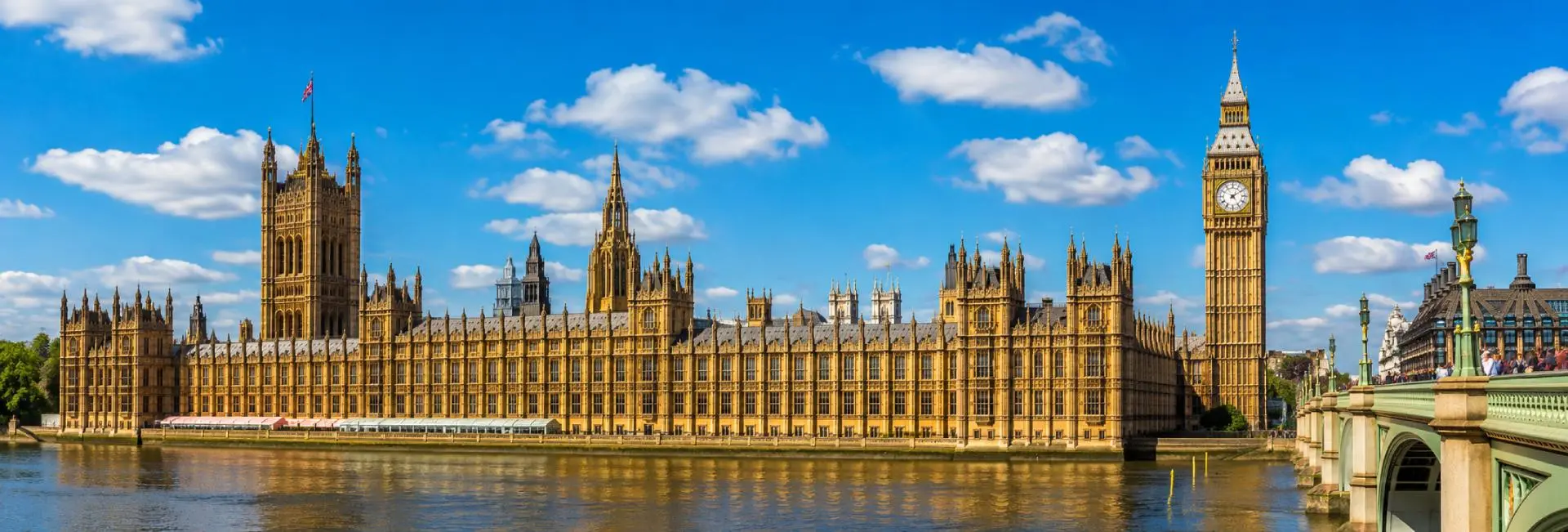
The Palace of Westminster sits on the north bank of the River Thames in central London and serves as the working home of the UK Parliament, housing both the House of Commons and the House of Lords. Its silhouette, dominated by the Elizabeth Tower and its bell Big Ben, is one of the most recognisable images of London and of British democracy itself.
Beyond its political role, the Palace is a landmark of Gothic Revival architecture and a site where nearly a thousand years of English and British history have unfolded, from medieval kings to modern-day debates that shape the country's laws.
History
Medieval Origins
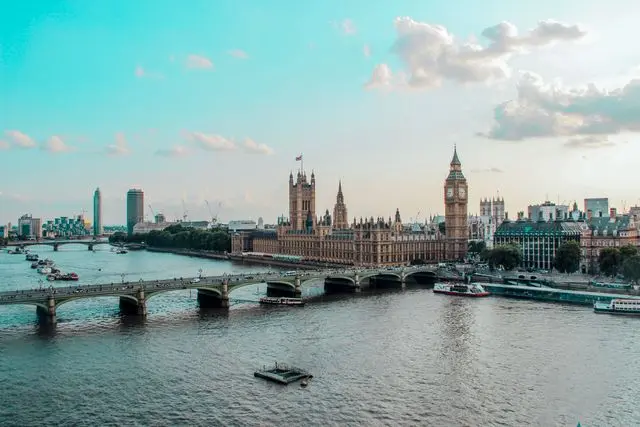
A royal palace has stood on this site since the 11th century, when Edward the Confessor built his residence here alongside what would become Westminster Abbey. For centuries afterward, it served as the main London residence of English monarchs.
In 1512, a fire destroyed the royal living quarters, prompting the monarch to relocate elsewhere in London. The surviving buildings continued to serve as the meeting place of Parliament, a role that had already been developing since the 13th century.
The Great Fire and Reconstruction
In October 1834, a catastrophic fire tore through the old Palace, destroying almost all of the medieval buildings except for a handful of survivors, most notably Westminster Hall. The disaster opened the door to an entirely new design.
Architect Charles Barry won the competition to rebuild the Palace, working closely with designer Augustus Pugin, who created much of the ornate interior detailing. Construction stretched from the late 1830s into the 1870s, resulting in the vast neo-Gothic complex seen today.
The Palace in the Modern Era
The Palace suffered further damage during the Blitz in the Second World War, including the destruction of the House of Commons Chamber, which was later rebuilt in a simplified style. Today the building is undergoing a long-term Restoration and Renewal programme to address aging mechanical systems, fire risk, and structural wear, ensuring the historic site remains functional for future generations.
Recognition & UNESCO Status
The Palace of Westminster holds some of the highest heritage protections available in the UK and internationally, reflecting both its architectural importance and its unbroken role in national governance.
- Designated a Grade I listed building, the UK's highest level of protection for structures of exceptional interest.
- Inscribed as part of a UNESCO World Heritage Site in 1987, together with Westminster Abbey and St Margaret's Church.
- Recognised for representing the historical transition from a feudal society to a modern parliamentary democracy.
- Valued as one of the most complete and coherent examples of neo-Gothic architecture in the world.
Architecture & Design
Neo-Gothic Style
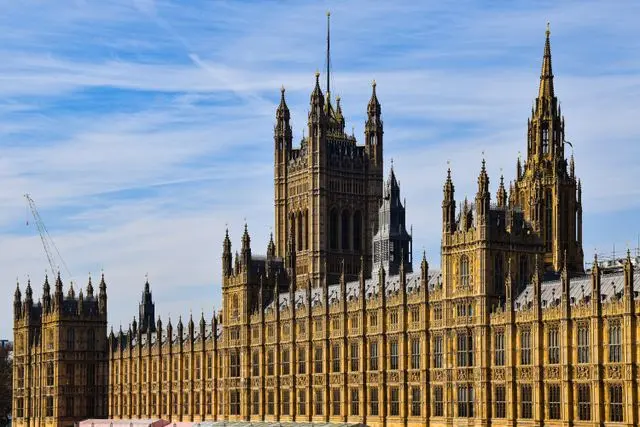
The rebuilt Palace is considered one of the finest and most complete examples of neo-Gothic architecture anywhere, with pointed arches, elaborate stonework, and intricate detailing covering nearly every surface, inside and out.
Elizabeth Tower and Big Ben
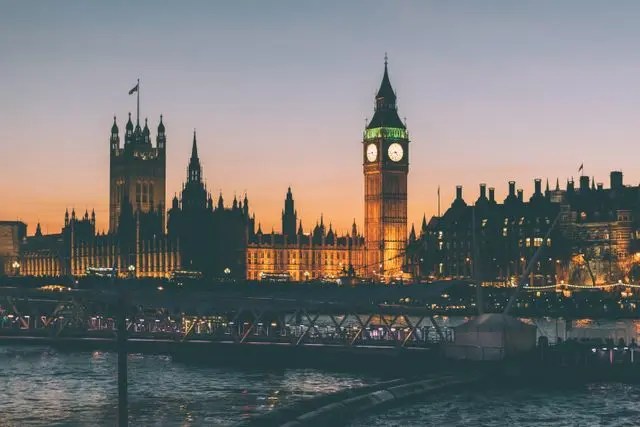
The Elizabeth Tower is the Palace's most famous feature, home to the Great Clock and its bell, nicknamed Big Ben. The name Big Ben is often used informally for the tower itself, though it technically refers only to the bell.
Westminster Hall
Westminster Hall is the oldest part of the Palace, dating back to the 11th century and one of the few sections to survive the 1834 fire. Its hammer-beam timber roof, completed around 1400, is regarded as one of the greatest surviving achievements of medieval carpentry in Europe.
Key Areas & Notable Landmarks
House of Commons Chamber
The green-benched Chamber where elected Members of Parliament debate legislation and hold the government to account. Rebuilt after wartime bomb damage, it remains the political heart of the building.
House of Lords Chamber
A more ornate, red-benched chamber where the UK's upper house of Parliament sits. It features the ornamental Sovereign's Throne, used during the annual State Opening of Parliament.
Central Lobby
An octagonal hall at the crossroads of the Commons and Lords sections, decorated with mosaics and statues representing the constituent nations of the UK. It has traditionally been a meeting point between the public and their representatives.
Victoria Tower
Standing at the Palace's southern end, Victoria Tower is one of the tallest towers of its kind and holds the Parliamentary Archives, including millions of historical documents.
Ways to Experience It
Visitors can explore the Palace of Westminster in several formats, ranging from independent exploration to specialist guided access.
- Self-guided multimedia audio tours, available in multiple languages, covering Westminster Hall, both chambers, and other historic spaces.
- Guided walking tours led by in-house guides, offering deeper historical context along the same route.
- Specialist Big Ben tours that climb the Elizabeth Tower to see the clock mechanism and bell up close (minimum age and fitness requirements apply).
- Speaker's House tours, exploring the official residence and role of the Speaker of the House of Commons.
- Free public galleries to watch live debates in the Commons or Lords when Parliament is sitting.
Best Time to Visit
Public tours generally run on Saturdays year-round and on additional weekdays during Parliamentary recess periods, such as summer, when both chambers are not in active use. These recess windows tend to offer the most flexible access to the full building.
Weekday mornings tend to be quieter than afternoons and weekends, and visiting outside the peak summer tourist season can mean shorter queues at security. Popular tours, especially the Big Ben climb, sell out quickly after tickets are released, so booking early in the day of release is worthwhile.
Visitor Tips
- Book tickets online in advance, particularly for the Big Ben tour, which is released on a set monthly schedule and sells out fast.
- Arrive early, since airport-style security screening is required for all visitors before entry.
- Check for schedule changes, as tours can be cancelled at short notice due to parliamentary business.
- Wear comfortable shoes if booking the Big Ben tour, which involves climbing several hundred narrow spiral steps.
- UK residents can request a free tour through their local Member of Parliament, subject to availability.
- Photography is generally restricted inside the chambers and certain areas, so check current rules before your visit.
Nearby Attractions
The Palace of Westminster sits at the centre of one of London's most historic and walkable districts, making it easy to combine with several other major sights in a single outing.
- Westminster Abbey, the neighbouring coronation church and burial site of British monarchs and notable historical figures.
- St Margaret's Church, the smaller medieval church that shares the same World Heritage designation.
- The Jewel Tower, one of the few surviving fragments of the original medieval palace, located just across the road.
- Westminster Bridge and the London Eye, offering classic photo views back across the river toward the Palace.
- Downing Street and Whitehall, a short walk north, forming the wider seat of UK government.
Common Questions about Palace of Westminster
What is the Palace of Westminster? +
It is the building that houses the UK Parliament, including the House of Commons and House of Lords, located on the River Thames in central London.
Is the Palace of Westminster the same as Big Ben? +
Not quite - Big Ben is technically the name of the bell inside the Elizabeth Tower, one part of the larger Palace of Westminster complex, though the name is commonly used to refer to the tower itself.
Is the Palace of Westminster a UNESCO World Heritage Site? +
Yes, it has been part of a UNESCO World Heritage Site since 1987, alongside neighbouring Westminster Abbey and St Margaret's Church.
How much time should I plan for a visit? +
A self-guided audio tour typically takes around 90 minutes, while the Big Ben tour runs up to about 1 hour 45 minutes including the climb; allow extra time for security screening beforehand.
Do I need to buy tickets in advance? +
Yes, advance booking is strongly recommended, especially for the Big Ben tour, which is released on a monthly schedule and sells out quickly, though some tours can also be booked on the day depending on availability.
Is the Big Ben tour suitable for everyone? +
Not entirely - it requires climbing around 334 narrow steps and involves loud bell and clock noises, so it is recommended for visitors aged 11 and over who are comfortable with the physical demands.
Can I watch a live debate in Parliament? +
Yes, when Parliament is sitting, members of the public can watch debates from the public galleries of the Commons or Lords, generally free of charge.
What else is worth visiting nearby? +
Westminster Abbey, St Margaret's Church, and the Jewel Tower are all within a short walk and pair naturally with a Palace of Westminster visit, along with river views from Westminster Bridge.