
Table of Contents
- Why London Belongs on Every Travel List
- Getting Around: Transport and Tickets
- Must-See Attractions in Central London
- More Top Attractions to Add to Your List
- Neighborhoods Worth Exploring
- Museums and Galleries (Mostly Free)
- Food, Drink, and Local Experiences
- Practical Tips for First-Time Visitors
- Best Time to Visit
Why London Belongs on Every Travel List
Few cities pack as much variety into one destination as London. Within a single week you can walk through a thousand years of royal history, browse world-class art collections without paying an entry fee, and end the evening in a neighborhood market that feels nothing like the one you visited that morning. The city rewards both structured sightseeing and aimless wandering in equal measure.
What makes London manageable for first-time visitors is its transport network. Nearly everything worth seeing sits within reach of the Underground, so a trip can combine major landmarks, quieter museums, and local neighborhoods without much logistical strain. This guide walks through how to get around, what to prioritize, and the practical details that make the difference between a smooth trip and a frustrating one.
Getting Around: Transport and Tickets
The Underground and Contactless Payment
The London Underground, known locally as the Tube, is the fastest way to move around the city. Visitors no longer need to buy a physical Oyster card to get the best fares: a contactless bank card or phone tapped directly at the gates charges the same pay-as-you-go rate and automatically applies daily and weekly fare caps, so a busy day of sightseeing never costs more than the cap regardless of how many journeys are taken. An Oyster card is still worth getting for travelers whose bank charges foreign transaction fees, or families traveling with children aged 11 to 15, who qualify for a discounted rate that contactless doesn't apply.
Avoid buying paper single tickets from station machines, since they can cost roughly double the contactless or Oyster fare for the same journey. Fare caps have been frozen through at least early 2027, which makes budgeting for transport straightforward for the length of most trips.
Buses and Walking
London's red buses cover routes the Tube doesn't reach and offer a cheap way to see the city above ground. A single bus fare is a flat rate regardless of distance, and the Hopper fare lets you take unlimited bus or tram journeys within an hour for that same single charge. Central London is also genuinely walkable - many major sights sit within 20 minutes of each other on foot, and walking between them is often faster than navigating a Tube change.
Must-See Attractions in Central London
Tower of London
This nearly thousand-year-old fortress on the Thames houses the Crown Jewels, the White Tower armory, and the Yeoman Warders ("Beefeaters"), who lead included tours throughout the day. A standard adult ticket costs around £37 at the gate, though booking online in advance typically brings the price down to around £35 and secures a timed entry slot, which matters during busy summer months when queues can be long.
Buckingham Palace and Westminster
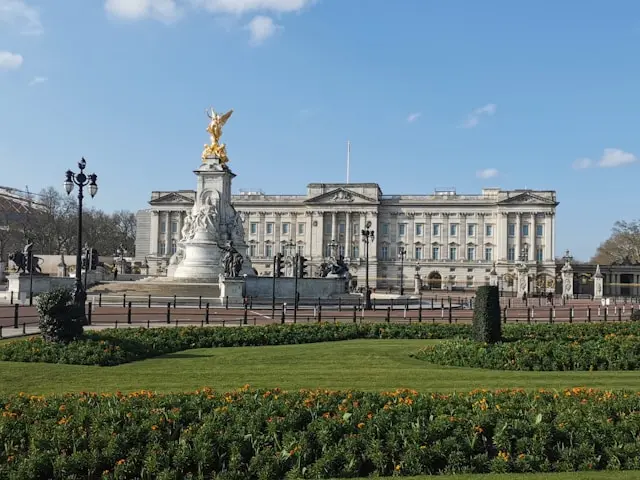
Buckingham Palace's State Rooms open to the public only during a limited summer window, but the Changing of the Guard ceremony outside the gates is free to watch year-round on scheduled days. A short walk away, the Houses of Parliament and the Elizabeth Tower (housing Big Ben) form one of the most photographed stretches of the city, best appreciated from Westminster Bridge or the south bank of the Thames.
The London Eye
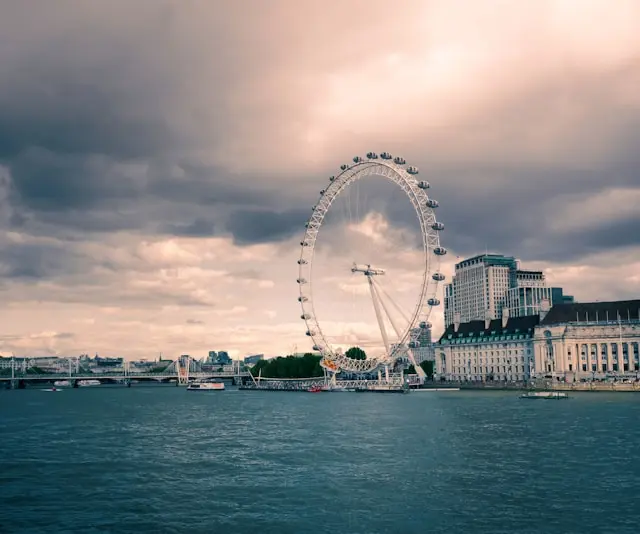
This 135-meter observation wheel on the South Bank offers a 30-minute rotation with wide views over the Thames, Westminster, and the City skyline. Standard tickets booked online start from roughly £29 per adult, rising toward £39 for walk-up same-day tickets, so booking ahead is worthwhile both for the price and for choosing a specific time slot around sunset or early morning light.
St Paul's Cathedral
Christopher Wren's cathedral dome remains one of London's most recognizable landmarks. Visitors can climb to the Whispering Gallery and, further up, the Golden Gallery for a panoramic view over the City of London, though the climb involves several hundred steps and isn't wheelchair accessible past the lower level.
More Top Attractions to Add to Your List
Tower Bridge
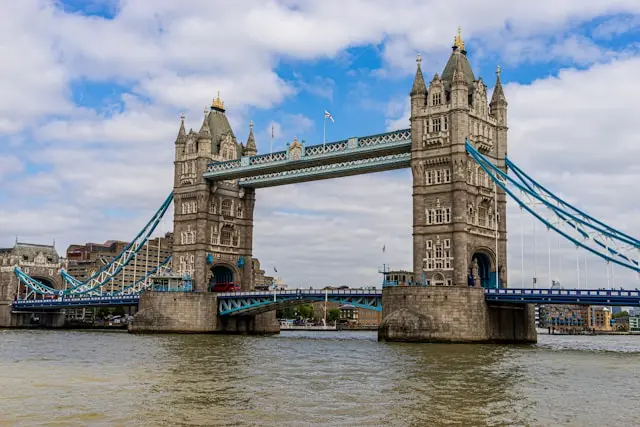
Don't confuse this with the nearby Tower of London - Tower Bridge is the Victorian bascule bridge with the twin towers that appears on countless London postcards. Walking across it is free, but a ticket to the Tower Bridge Exhibition, priced around £18 for adults, gets you onto the high-level glass-floor walkways 42 meters above the Thames and into the original Victorian engine rooms below. It pairs naturally with a Tower of London visit, since the two sit a five-minute walk apart.
The Shard
Western Europe's tallest building offers an observation deck across three floors, with an open-air level at the very top for those who want unobstructed views rather than looking through glass. The View from The Shard gives a different vantage point than the London Eye, looking down over the city rather than across it, and it's worth timing a visit for late afternoon to catch the skyline in both daylight and after dark from the same ticket.
Covent Garden
This former fruit and vegetable market has become one of central London's liveliest public spaces, with street performers under the old market roof, boutique shops, and the Royal Opera House nearby. It's free to wander and makes a good midday stop between other central attractions.
Hyde Park
One of London's largest green spaces, Hyde Park is free to enter and offers a break from sightseeing with paddle boating on the Serpentine lake, Speakers' Corner on Sunday mornings, and open lawns that fill up on warm days. It connects directly to Kensington Gardens, home to the Diana Memorial Playground and Kensington Palace.
London Zoo
Set inside Regent's Park, London Zoo is a good half-day option for families, with over 350 species and a strong conservation focus. Tickets are priced by date and typically need to be booked in advance for a specific entry slot, so it's worth checking availability a few days ahead rather than planning a same-day visit.
Neighborhoods Worth Exploring
Camden
Known for its market stalls, alternative fashion shops, and canal-side food stands, Camden draws a younger crowd and stays lively well into the evening. Camden Lock Market is the best entry point for browsing street food from dozens of vendors in one place.
Notting Hill
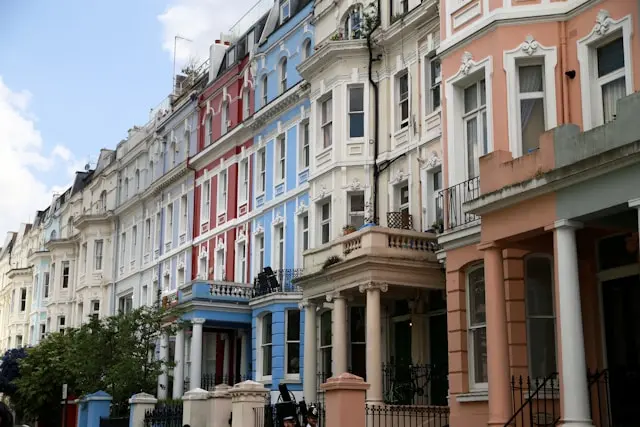
Famous for its pastel-colored townhouses and the Portobello Road antiques market, Notting Hill rewards an unhurried morning walk. Saturdays bring the busiest, most complete version of the market, with antiques, vintage clothing, and fresh produce stalls all running at once.
Shoreditch
East London's Shoreditch has become the city's hub for street art, independent coffee shops, and a rotating cast of pop-up restaurants. Brick Lane, its main artery, is particularly worth visiting on a Sunday when the vintage market and food stalls are in full swing.
Greenwich
A short train or riverboat ride from central London, Greenwich combines maritime history with green space: the Royal Observatory (straddling the Prime Meridian), the Cutty Sark tea clipper, and Greenwich Park's hilltop view back toward the city skyline.
Museums and Galleries (Mostly Free)
One of London's genuine advantages over most major capitals is that its flagship museums charge nothing for general admission, a legacy of public funding that keeps national collections open to everyone. Only special, temporary exhibitions inside these institutions typically carry a ticket price.
- The British Museum - the Rosetta Stone, Egyptian mummies, and Parthenon sculptures across a collection spanning human history; worth setting aside at least half a day
- The National Gallery - masterworks from Van Gogh, Monet, Rembrandt, and da Vinci overlooking Trafalgar Square
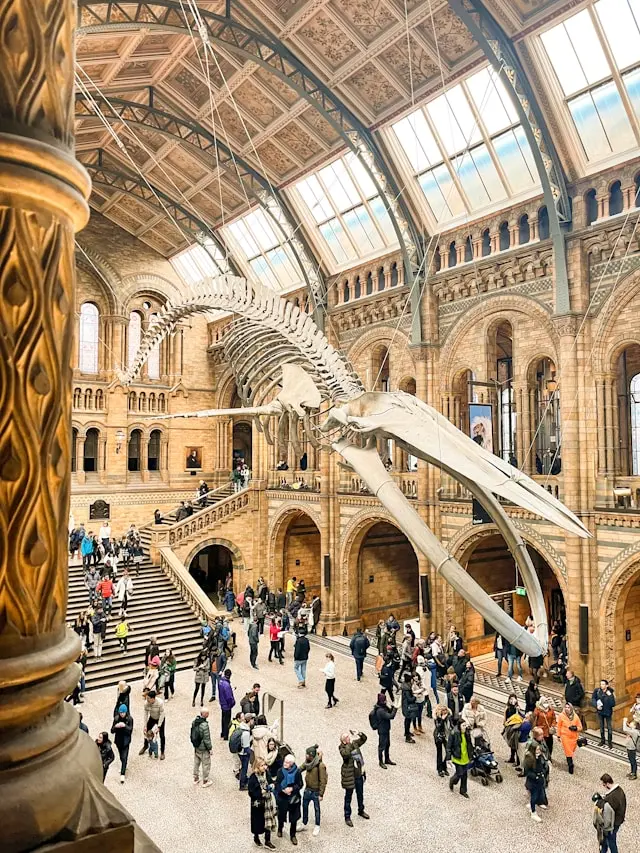
- The Natural History Museum - dinosaur skeletons and a life-size blue whale model inside a striking Victorian building
- The Science Museum - hands-on exhibits covering space travel, engineering, and medicine, popular with families
- Tate Modern and Tate Britain - the UK's leading collections of modern and historic British art
- The Victoria and Albert Museum - design, fashion, and decorative arts across more than 5,000 years
Arriving near opening time, generally around 10am, helps avoid the mid-morning crowds at the most popular museums. A voluntary donation, often suggested around £5, helps sustain free admission and is worth leaving if the visit was worthwhile.
Food, Drink, and Local Experiences
Markets and Street Food
Borough Market, near London Bridge, is the city's best-known food market, with stalls selling everything from artisan cheese to fresh oysters and international street food. It gets crowded quickly on weekends, so a weekday visit or an early Saturday arrival makes for easier browsing.
Pubs and Afternoon Tea
A proper London pub visit is worth building into any itinerary, whether for a Sunday roast or simply a pint in a centuries-old building. For something more formal, afternoon tea - finger sandwiches, scones, and a pot of tea served in tiered stands - is offered at hotels and tea rooms across the city at a wide range of price points, from casual cafés to grand hotel settings.
River Thames Experiences
A riverboat trip along the Thames offers a different perspective on landmarks like Tower Bridge, the Shard, and the Houses of Parliament, and doubles as practical transport between attractions like the Tower of London and Greenwich.
Practical Tips for First-Time Visitors
Entry Requirements
Since February 2026, most visa-exempt visitors - including travelers from the United States, the European Union, Canada, and Australia - must obtain an Electronic Travel Authorisation (ETA) before departure. It costs £20, is applied for online or through the UK ETA app, and is usually approved within minutes, though it's worth applying at least a few days ahead of travel. British and Irish citizens are exempt.
Money and Tipping
The currency is the British pound sterling (GBP), and contactless card payment is accepted almost everywhere, including on public transport and at most market stalls. Tipping isn't as ingrained as in the US: 10 to 12.5 percent at sit-down restaurants is standard, though many already add a service charge to the bill, and tipping isn't expected at pubs or for counter service.
Weather and Packing
London's weather is famously changeable, with light rain possible in any season, so a compact umbrella or waterproof jacket is worth packing regardless of when you visit. Layering works better than committing to one heavy coat, since indoor spaces like the Tube and museums can run warm even on cool days outside.
Safety
London is generally safe for tourists, but pickpocketing does occur in crowded tourist spots and on busy Tube lines, particularly during rush hour. Keeping bags zipped and in front of you in crowds, and staying alert around major stations like King's Cross and Victoria, covers most of the risk.
Best Time to Visit
Late spring (May to early June) and early autumn (September) tend to offer the best balance of mild weather and manageable crowds, avoiding both the summer peak and winter's shorter daylight hours. Summer brings the busiest attractions and highest hotel prices but also longer days and outdoor events in the parks.
Winter has its own appeal for a shorter trip: fewer crowds at major museums, festive lighting around Oxford Street and Covent Garden in December, and the chance to pair sightseeing with the city's Christmas markets. Whichever season you choose, booking tickets for major paid attractions like the Tower of London and the London Eye in advance is worthwhile year-round, since it's both cheaper and guarantees a specific entry time.
Frequently Asked Questions
Do I need a visa to visit London? +
Most travelers who don't already need a visa for short UK stays now need an Electronic Travel Authorisation (ETA) instead, which costs £20 and is applied for online before departure; check your specific nationality's requirement on the official UK government site before booking flights.
How many days should I spend in London? +
Four to five days is enough to cover the major central attractions, one or two museums, and a couple of neighborhoods without feeling rushed, though a week allows time for day trips to places like Greenwich or Windsor.
Is the Tube the best way to get around? +
For most journeys yes, since it's fast and covers the whole city, though buses and walking are often better for short central hops where the Tube would require an unnecessary change.
Are London's museums really free? +
Yes, the permanent collections at major national museums like the British Museum, National Gallery, and Natural History Museum charge no entry fee; only special temporary exhibitions inside them typically cost extra.
What's the cheapest way to pay for transport? +
Tapping a contactless bank card or phone directly at the gates gives the same fare as an Oyster card without needing to buy or top one up, and it automatically caps your daily spending.
When should I book tickets for attractions like the Tower of London or London Eye? +
As early as possible, ideally a few days to a couple of weeks ahead for peak summer dates, since online prices are lower than walk-up rates and advance booking secures a specific entry time.
Is London expensive for travelers? +
It can be, particularly for accommodation, but free museum admission, flat-rate bus fares, and picnic-friendly parks make it possible to balance a trip with a mix of paid landmarks and free activities.
What should I pack for London weather? +
A compact umbrella or waterproof jacket and layers that can be added or removed, since conditions can shift from sun to light rain within the same day regardless of season.
