
Table of Contents
Overview
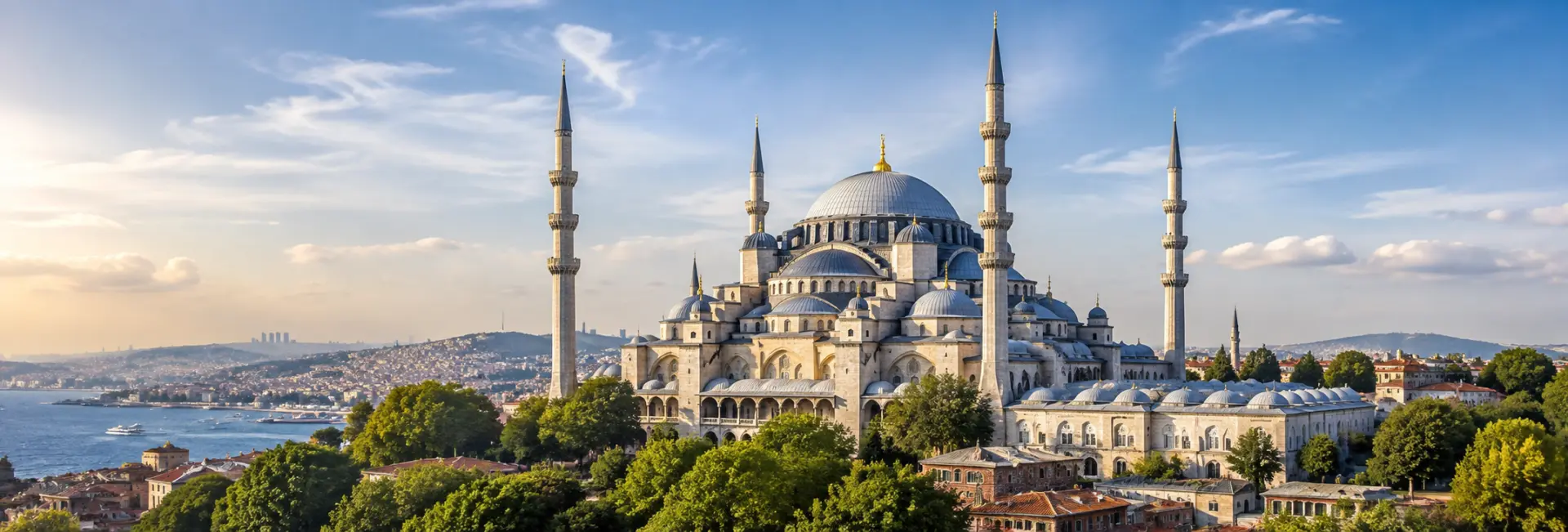
While the Blue Mosque may be more famous among tourists, the Süleymaniye Mosque (Süleymaniye Camii) is widely considered by architects and historians to be the most beautiful and structurally perfect mosque in Istanbul. Crowning the Third Hill of the historic peninsula, its massive dome and four slender minarets dominate the skyline when viewed from across the Golden Horn.
Commissioned during the zenith of the Ottoman Empire, the mosque radiates a sense of quiet power, elegance, and supreme confidence. Unlike the heavily decorated interior of the Blue Mosque, the Süleymaniye relies on perfect proportions, subtle Iznik tile accents, and an overwhelming sense of light and space to create its spiritual atmosphere. It is significantly less crowded than the mosques in Sultanahmet, offering visitors a genuinely peaceful and contemplative experience.
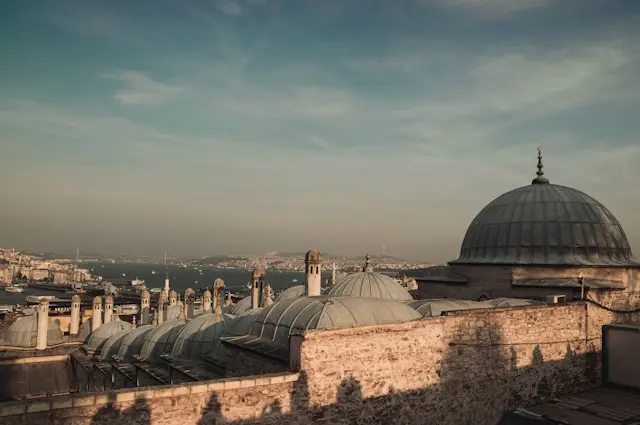
Beyond the prayer hall itself, the Süleymaniye is a massive social complex that provides a fascinating window into how a 16th-century Ottoman city functioned. Furthermore, its elevated terrace offers what is arguably the best sweeping view of the Bosphorus, the Golden Horn, and the Galata Tower available anywhere in the city.
The Golden Age and Mimar Sinan
Suleiman the Magnificent
The mosque was commissioned by Sultan Suleiman I, known in the West as Suleiman the Magnificent, and in the East as "The Lawgiver." His reign in the 16th century represented the absolute peak of Ottoman military, political, and economic power. He required a mosque that would reflect the glory of his empire and his own legacy, one that would rival the ancient Hagia Sophia.
The Genius of Sinan
To realize this vision, Suleiman turned to Mimar Sinan, the most celebrated and prolific chief architect in Ottoman history. Sinan, who lived to be nearly 100 years old, designed hundreds of structures across the empire, but he considered the Süleymaniye to be his "journeyman" masterpiece. Construction began in 1550 and was completed in a remarkably short seven years. Sinan's profound understanding of engineering, acoustics, and aesthetics culminated in this building, cementing his legacy as the Ottoman equivalent of Michelangelo.
Architectural Brilliance and Engineering
The Dome and Acoustics
The central dome of the mosque is 53 meters high and exactly 26.5 meters in diameter. Sinan designed the interior space to be vast and unified, minimizing the massive supporting pillars so they blend into the walls, unlike the intrusive "elephant legs" of the Blue Mosque. To achieve perfect acoustics for the imam's voice to carry before the invention of microphones, Sinan embedded 65 hollow brick jugs in the dome and the corners of the mosque to act as resonators.
Air Purification System
One of Sinan's most fascinating engineering feats was his solution for the heavy soot generated by the hundreds of oil lamps used to light the mosque. He designed a specific aerodynamic airflow within the building that funneled all the soot into a small room above the main entrance. Here, the soot was collected and used to make high-quality black ink for the imperial calligraphers-a brilliant example of 16th-century sustainable engineering.
The Külliye: A City Within a City
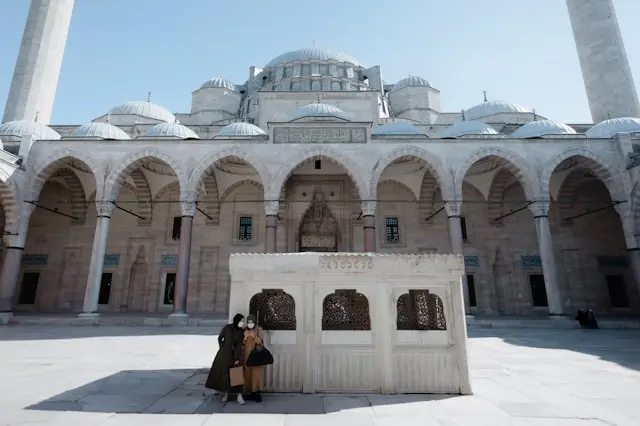
The Süleymaniye is not just a mosque; it is a "külliye"-a massive Islamic social complex. In Ottoman times, a grand imperial mosque was expected to provide for the social, educational, and physical needs of the community. The sprawling grounds around the main prayer hall originally housed a hospital, a public kitchen (imaret) that fed the poor, four madrasas (Islamic schools), a medical college, a hammam (bathhouse), and a caravanserai for travelers.
Many of these buildings have survived and have been beautifully restored. Some have been repurposed-for example, the former public kitchen is now a lovely restaurant serving traditional Ottoman cuisine, offering a peaceful courtyard to relax in after exploring the main mosque.
The Tombs of Suleiman and Roxelana
Located in the walled garden cemetery behind the qibla wall (the wall facing Mecca) are two magnificent octagonal mausoleums (türbes). Here rest the remains of Sultan Suleiman the Magnificent and his incredibly influential wife, Hürrem Sultan (often known in the West as Roxelana).
Suleiman's tomb is particularly stunning. Sinan designed the interior roof to be studded with rock crystals and diamonds to mimic a starry night sky, reflecting the Sultan's belief that he was the shadow of God on earth. Hürrem Sultan's tomb is slightly smaller but famously decorated with exquisite Iznik tiles depicting the gardens of paradise, a fitting tribute to one of the most powerful women in Ottoman history. Just outside the complex walls sits the modest, unpretentious tomb of the great architect Mimar Sinan himself.
Ways to Experience It
The View from the Terrace
Before or after entering the mosque, you must spend time on the back terrace overlooking the city. The panoramic view is breathtaking. You can trace the entire curve of the Golden Horn, watch the ferries arriving at Eminönü, and see the Galata Tower standing prominently on the opposite hill. It is one of the most serene and beautiful photo spots in Istanbul.
Enjoying the Interior Space
Inside the mosque, take notice of the subtle details. The stained-glass windows above the mihrab are original 16th-century works by the master glazier known as "Ibrahim the Drunkard." The massive red carpets and the low-hanging circular chandeliers create a deeply calming atmosphere. Because it is much larger and less tourist-heavy than the Blue Mosque, it is easy to find a quiet corner to sit on the carpet and simply absorb the scale of Sinan's architecture.
Best Time to Visit
The Süleymaniye Mosque is beautiful at any time of day, but the absolute best time to visit is in the late afternoon. The light streaming through the western windows casts a beautiful golden glow across the massive interior. Furthermore, watching the sunset from the back terrace, as the call to prayer echoes across the Golden Horn from dozens of minarets below, is a profoundly moving Istanbul experience. As with all active mosques, avoid visiting during the Friday midday prayer.
Visitor Tips and Etiquette
Dress Code and Protocol
The standard mosque etiquette applies here. Men must wear long trousers, and women must wear clothing that covers their shoulders and knees, as well as a headscarf. If you do not have appropriate clothing, the mosque attendants will provide you with covering garments for free at the entrance. Shoes must be removed before stepping onto the carpet and carried in plastic bags or placed in cubbies.
The Walk Up the Hill
The mosque is located at the top of a steep hill. While you can take a taxi directly to the entrance, a very popular way to reach it is to walk up from the Spice Bazaar or the Eminönü waterfront. The walk takes about 15-20 minutes through the bustling, narrow, historic market streets of the Tahtakale district, giving you a real feel for the working heart of the old city.
Nearby Attractions
The Süleymaniye's location on the Third Hill puts it in close proximity to some of the city's best markets and historical sites.
- The Spice Bazaar: A steep walk down the hill takes you straight into the aromatic alleys of the Egyptian Spice Bazaar, a perfect follow-up to the quiet of the mosque.
- Grand Bazaar: A 10-minute walk along the ridge of the hill brings you to one of the main entrances of the sprawling Grand Bazaar.
- Vefa Bozacısı: Just a few streets away from the mosque is this historic shop, famous for serving "boza"-a thick, slightly fermented, sweet-and-sour winter drink made of millet, topped with roasted chickpeas and cinnamon. It's a true taste of old Istanbul.
FAQs about visiting the Süleymaniye Mosque
Is there an entrance fee for the Süleymaniye Mosque? +
No, entry to the Süleymaniye Mosque is completely free for all visitors, as it is an active place of worship. Donations are, however, welcomed to assist with the upkeep of the massive complex.
Can I visit the tombs of Suleiman and Roxelana? +
Yes, the tombs (mausoleums) in the cemetery garden behind the mosque are open to the public and are free to enter. However, they occasionally close earlier in the day than the main mosque itself, and they may be closed on certain days for cleaning or restoration.
When is the mosque closed for prayer? +
The mosque closes to tourists five times a day for about 45 to 90 minutes during the Muslim prayer times. The most significant closure is the Friday midday congregational prayer, during which the mosque will be closed to tourists for several hours.
Do I have to wear a headscarf? +
Yes, female visitors must cover their hair before entering the main prayer hall or the tombs. If you do not have a scarf, one will be provided at the entrance.
Is it difficult to reach the mosque? +
The mosque is situated at the top of one of Istanbul's historic hills. Walking up from the Golden Horn or the Spice Bazaar involves a fairly steep climb through cobblestone streets. If mobility is an issue, it is highly recommended to take a taxi directly to the mosque's entrance courtyard.
Can I take photos inside? +
Yes, photography is allowed in the tourist areas of the mosque. You must turn off your flash and avoid photographing any individuals who are actively praying.
