
Table of Contents
Overview
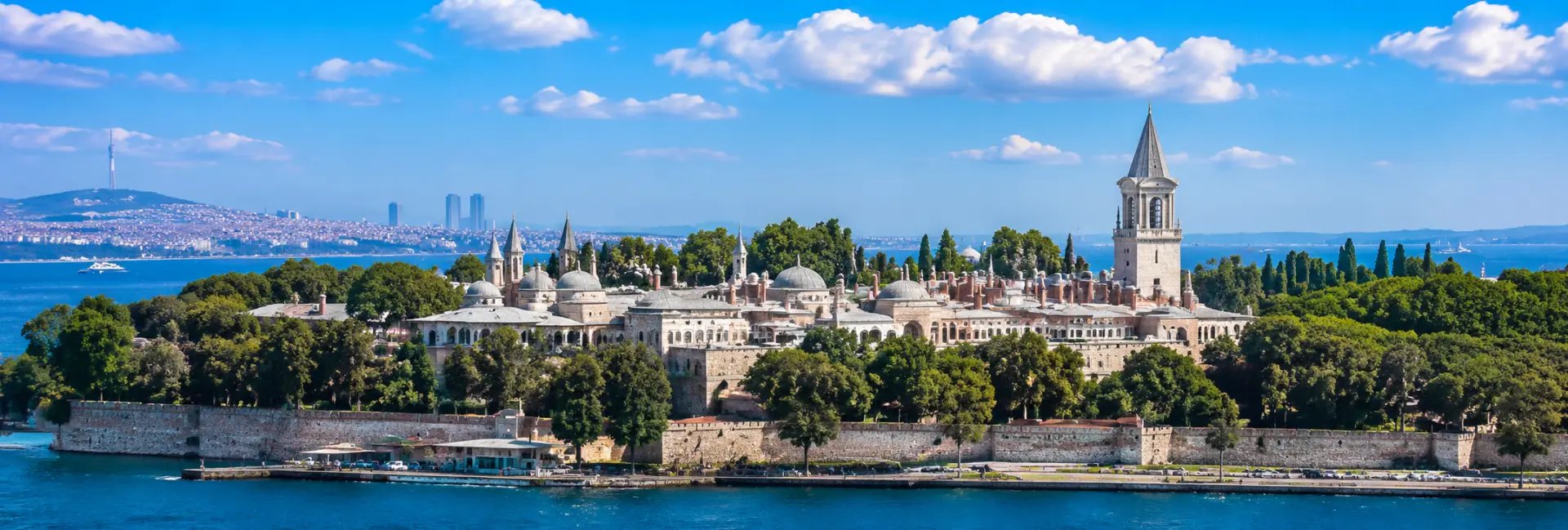
Topkapi Palace (Topkapı Sarayı) is not just a building; it is a sprawling, walled city-within-a-city that served as the epicenter of the Ottoman Empire for nearly four centuries. Situated on the Seraglio Point, a highly strategic and incredibly beautiful promontory overlooking the Golden Horn, the Bosphorus Strait, and the Sea of Marmara, the palace offers a fascinating glimpse into the opulent, secretive, and highly structured lives of the Ottoman Sultans.
Unlike the massive, single-building palaces of European royalty (like Versailles or Buckingham Palace), Topkapi is a series of low buildings, lush courtyards, and elegant pavilions connected by galleries and gardens. It was designed less for outward monumental display and more for internal privacy, security, and the rigid hierarchy of the Ottoman court. At its height, the palace complex was home to over 4,000 people, functioning as the political, educational, and cultural heart of an empire that stretched across three continents.
Today, Topkapi Palace is one of the world's richest museums. Visitors can explore the intimate living quarters of the sultans, the lavishly tiled rooms of the Harem, and view unimaginable wealth in the Imperial Treasury. It is an absolute must-visit for anyone seeking to understand the power and grandeur of the Ottoman era.
History and Construction
Built by the Conqueror
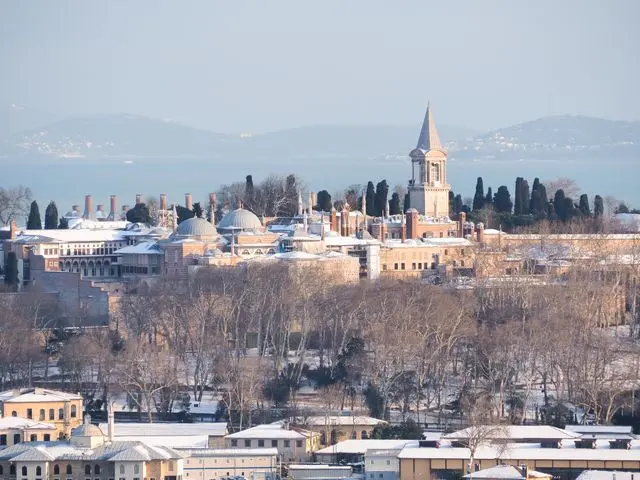
Construction of the palace began in 1459, just six years after Sultan Mehmed II (Mehmed the Conqueror) captured Constantinople. Recognizing the strategic brilliance of the promontory-which had previously been the site of the ancient Greek acropolis-Mehmed decided to build his new imperial headquarters there. He laid out the basic design of the palace, establishing the progression of increasingly private courtyards that still defines the complex today.
Centuries of Expansion
Topkapi was never a static building. Over the next 400 years, successive sultans continuously altered, expanded, and rebuilt parts of the palace to suit their own tastes or to repair damage from fires and earthquakes. This ongoing evolution means the palace is a magnificent showcase of changing Ottoman architectural styles and decorative arts, blending classical Turkish design with later European influences.
In the mid-19th century, Sultan Abdulmecid I decided that Topkapi was outdated and lacked modern European comforts. He moved the imperial court to the newly built, European-style Dolmabahçe Palace further up the Bosphorus. Topkapi was largely relegated to housing the widows of former sultans and administrative staff until the fall of the empire, after which it was transformed into a museum in 1924.
Layout and the Four Courtyards
The genius of Topkapi Palace lies in its layout, which is strictly organized into four main courtyards, each representing a deeper level of security and intimacy.
- The First Courtyard (Court of the Janissaries): This massive outer courtyard was open to the public and merchants. It housed the bakeries, hospitals, and the Imperial Mint. Today, it serves as a beautiful park leading up to the ticket gates.
- The Second Courtyard (Divan Square): Accessed through the Gate of Salutation, this was the administrative center of the empire. Here, you'll find the Imperial Council Chamber (Divan) where viziers debated state affairs, and the massive palace kitchens, which now display an incredible collection of Chinese porcelain.
- The Third Courtyard (The Inner Palace): Passing through the Gate of Felicity brings you into the Sultan's private domain. This courtyard housed the elite palace school, the throne room where the Sultan received foreign ambassadors, and the treasury.
- The Fourth Courtyard: The innermost sanctum is a series of terraced gardens and beautiful pavilions (kiosks) offering spectacular views over the Bosphorus. This was the ultimate private retreat for the Sultan.
The Harem: Secrecy and Power
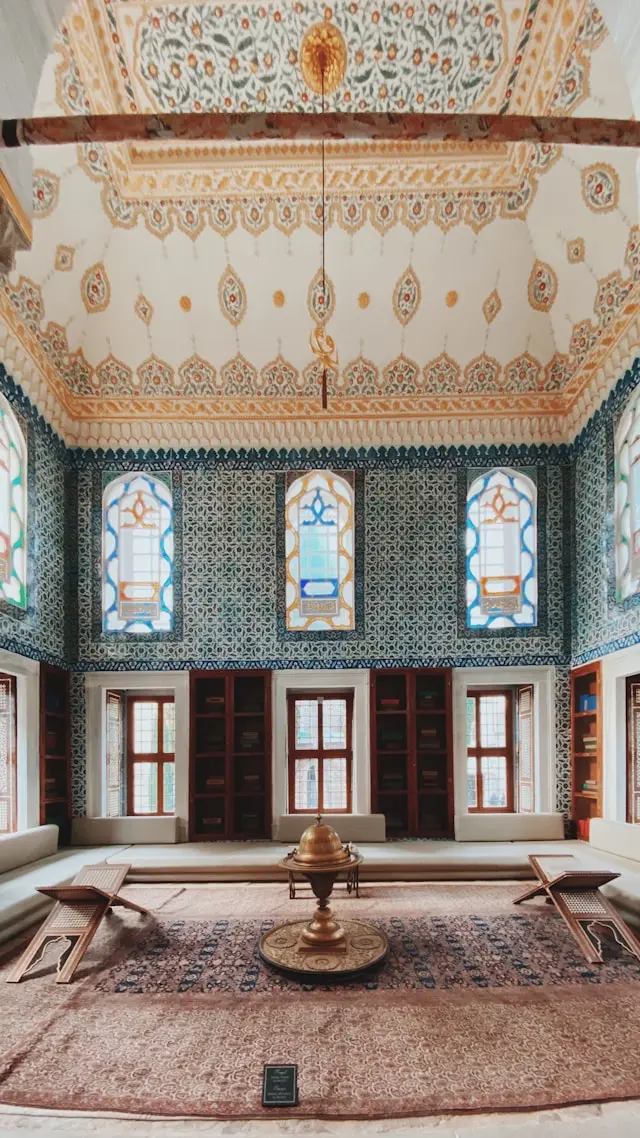
For many visitors, the Harem is the most fascinating and misunderstood part of the palace. The word "harem" means forbidden or private, and this vast labyrinth of over 300 rooms was the private living quarters for the Sultan, his mother (the Valide Sultan), his wives, concubines, and children, all guarded by eunuchs.
Far from just a place of pleasure, the Harem was a highly structured, political institution and an educational center for the women of the court. The Valide Sultan wielded immense power from her lavishly decorated apartments here. The Harem features some of the most stunning interior design in the entire palace, with walls covered in exquisite Iznik tiles, stained glass, and gilded ceilings. Because of its labyrinthine nature and historical secrecy, it requires a separate ticket to enter, but it is an absolutely essential part of the Topkapi experience.
The Treasury and Holy Relics
The Imperial Treasury
Located in the Third Courtyard, the Imperial Treasury houses a staggering collection of wealth accumulated over centuries of conquest and tribute. The displays include heavily jeweled swords, solid gold thrones, and intricate armor. The two most famous items are the Topkapi Dagger, featuring three massive emeralds on its hilt, and the Spoonmaker's Diamond, an astonishing 86-carat teardrop diamond surrounded by a double row of smaller diamonds.
The Chamber of Holy Relics
Also in the Third Courtyard are the Privy Chambers, which house the Sacred Trusts. These are incredibly important religious relics brought to Istanbul after the Ottoman conquest of Egypt in the 16th century. The collection includes items believed to have belonged to the Prophet Muhammad, such as his mantle, his sword, a footprint, and hairs from his beard, as well as relics associated with Moses and David. It is a site of deep religious significance, and a cleric continuously recites the Quran in this chamber 24 hours a day.
Ways to Experience It
Audio Guides and Guided Tours
Topkapi Palace is massive, and much of its history is tied up in the stories of the people who lived there and the strict protocols of the court. Therefore, exploring the palace with a licensed tour guide or a comprehensive audio guide is highly recommended. Without context, the sequence of courtyards and empty pavilions can blur together; with context, the political intrigue and daily life of the Ottoman court vividly come alive.
Taking in the Views
While the interiors are spectacular, don't forget to appreciate the palace's location. The pavilions in the Fourth Courtyard, particularly the Baghdad Kiosk and the Mecidiye Kiosk, offer some of the most breathtaking panoramic views in Istanbul, looking out over the confluence of the Golden Horn, the Bosphorus, and the Sea of Marmara. Taking a break on these terraces is a highlight of the visit.
Best Time to Visit
Topkapi Palace is one of Turkey's most popular attractions, and the ticket lines and security queues can be exceptionally long. The best strategy is to arrive at the First Courtyard 20 to 30 minutes before the palace officially opens. Once inside, head immediately to the Harem or the Imperial Treasury to view these popular sections before the massive tour groups arrive mid-morning. Late afternoon can also be slightly less crowded, though you risk running out of time to see everything before the complex closes.
Visitor Tips and Logistics
Ticketing and Museum Pass
Purchasing an Istanbul Museum Pass or buying tickets online in advance is the smartest way to avoid the often hour-long ticket queues in the First Courtyard. Keep in mind that a standard entry ticket covers the main courtyards, but entrance to the Harem usually requires a supplementary ticket. If you have limited time, prioritize the Harem and the Treasury.
Facilities and Walking
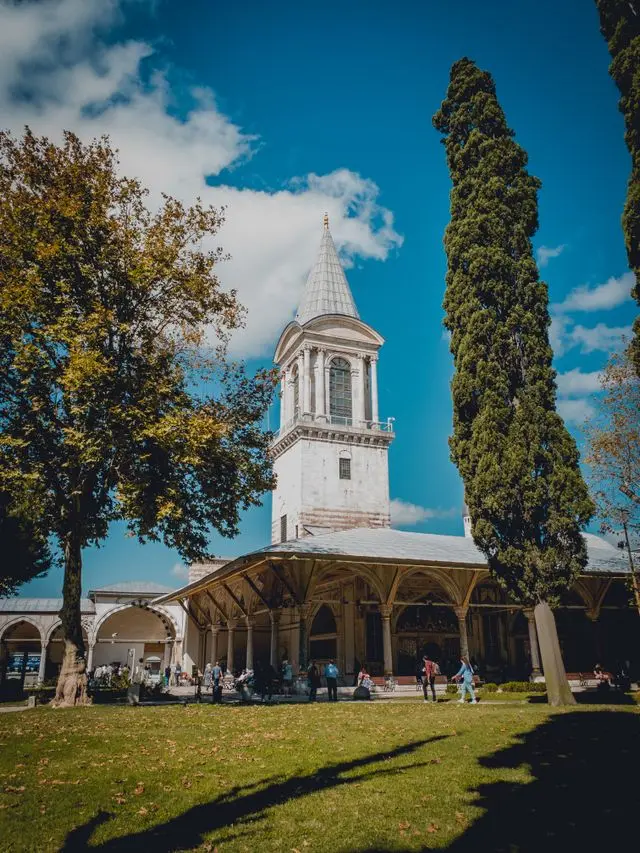
Expect to do a significant amount of walking. The complex covers over 170 acres, and the cobblestone paths between courtyards can be uneven, so comfortable walking shoes are essential. There is a very good, though somewhat pricey, restaurant located in the Fourth Courtyard offering traditional Turkish food and spectacular views over the Bosphorus.
Nearby Attractions
Located on the Seraglio Point, Topkapi Palace is intimately connected to the surrounding historic sites.
- Istanbul Archaeological Museums: Located just down the hill in the First Courtyard, this world-class museum complex houses incredibly important antiquities, including the Alexander Sarcophagus.
- Hagia Irene: Also located in the First Courtyard, this ancient Byzantine church was used as an armory by the Ottomans and is now occasionally open for concerts due to its incredible acoustics.
- Gülhane Park: The massive public park wrapping around the base of the palace walls was once part of the outer royal gardens. It is a beautiful, shady place to walk and relax after exploring the palace.
FAQs about visiting Topkapi Palace
How much time should I plan to spend at Topkapi Palace? +
To properly explore the four main courtyards, view the collections in the Treasury and Holy Relics chambers, and take a tour through the Harem, you should plan to spend an absolute minimum of 3 to 4 hours. It is very easy to spend half a day here.
Is the Harem worth the extra ticket price? +
Yes, absolutely. For many visitors, the Harem is the most visually stunning and historically fascinating part of the entire palace complex. The tile work and the history of the women's quarters offer a completely different perspective on Ottoman life than the administrative courtyards.
Can I take photos inside the palace? +
Photography is allowed in the courtyards, gardens, and the Harem. However, photography is strictly prohibited inside the exhibition rooms displaying the Imperial Treasury, the Holy Relics, and the historic clothing collections to protect the artifacts and keep crowds moving.
Is there a dress code for Topkapi Palace? +
While it is not a mosque, Topkapi Palace does enforce a modest dress code, particularly to enter the Chamber of Holy Relics. Visitors should ensure their shoulders and knees are covered.
Is the palace wheelchair accessible? +
The main courtyards and many of the pavilions are accessible, and ramps have been installed in several areas. However, because it is an ancient historical site, some paths are paved with rough cobblestones, and certain small rooms or sections of the Harem may be difficult to navigate in a wheelchair.
Can I buy food or drinks inside the palace? +
Yes, there are a few cafes and kiosks within the palace grounds. The most prominent is the Konyalı restaurant located in the Fourth Courtyard, which offers a full menu and incredible views over the Bosphorus.
