
Table of Contents
Overview
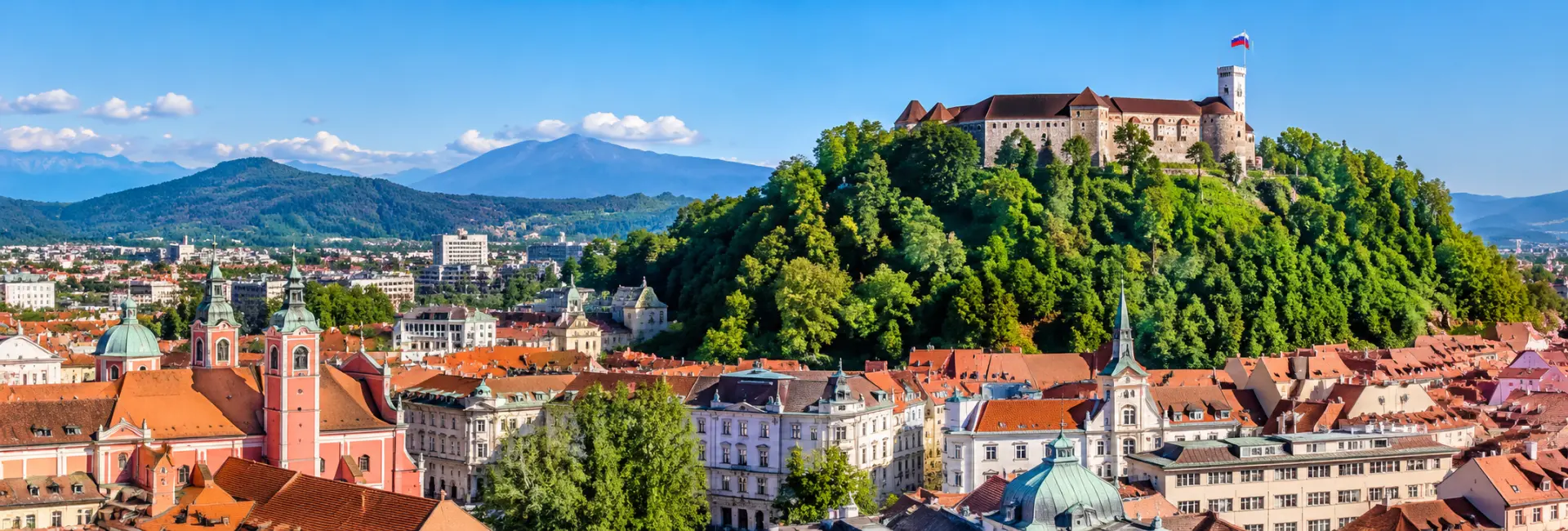
Ljubljana Castle sits on Castle Hill, a wooded height that rises directly above the Old Town of Slovenia's capital. For roughly 900 years it has watched over the city and the Ljubljanica River, and it remains the most recognisable landmark on the skyline. The castle appears on the city's coat of arms, where it is shown together with a dragon, the symbol of Ljubljana.
The fortress has had many roles over the centuries. It began as a medieval stronghold, became the seat of the lords of Carniola, served as barracks and as a prison, and is now a major cultural venue. Today it holds museum exhibitions, a chapel, an observation tower, restaurants and event spaces, so it works as both a historic site and a lively public place.
Most visitors need two to three hours to see everything. The views alone justify the trip, since the Outlook Tower and the ramparts look out over the red rooftops of the Old Town and, on clear days, towards the Alps.
History
Medieval Beginnings
The first castle on the hill was probably a wooden and stone fortification built in the eleventh century and then rebuilt in the twelfth. Written records connect the site with the powerful Spanheim dukes of Carinthia, who held it during the twelfth century. At that time it was an important strategic point controlling the settlement below.
The Habsburg Centuries
The castle came under Habsburg control in the late Middle Ages, and from the first half of the fourteenth century it was the seat of the lords of Carniola, the province that included Ljubljana. In the fifteenth century it was almost completely rebuilt, which gave it the outline seen today. Most of the buildings you can walk through date from the sixteenth and seventeenth centuries.
The fortress was used to defend the region against outside attack, and it was a defensive position for the authorities during the Slovene Peasant Revolt of 1515.
Barracks and Prison
In the early nineteenth century the castle lost its military importance. It served as barracks and a prison during the Napoleonic period, and later as a state penitentiary, a role it continued until the late nineteenth century. This period gave the castle a gloomy reputation among local people, who saw it as a place to avoid.
Return to the City
In 1905 the Municipality of Ljubljana bought the castle at the urging of the mayor, Ivan Hribar, who wanted to create a city museum there. In the 1930s the old fortifications on the hill were reworked into a walking promenade known as Šance, designed by the architect Jože Plečnik.
Renovation work through the following decades gradually turned the castle into the attraction it is today. The funicular opened in December 2006, and the Slovenian History exhibition opened in 2010.
Architecture & Design
Ljubljana Castle is a complex of buildings grouped around courtyards, rather than a single tower or keep. The layered building history is easy to see, with medieval foundations, fifteenth-century walls and later additions standing side by side. Restorations in the modern era have added glass, steel and new interiors in a deliberate contrast with the old stone.
Walls and Ramparts
The surviving defensive walls and bastions circle the hilltop and can be walked in places. They give a feel for how the fortress once controlled the approaches, and they provide the best low-level views across the city.
The Courtyards
The main courtyards act as the heart of the complex. They host open-air events and concerts in the warmer months, and they link the exhibition spaces, the chapel and the tower. Cafes and restaurants sit around these spaces, so it is easy to pause between visits.
The Funicular
The modern funicular, completed in 2006, climbs along the line of the old wall that once connected the medieval town to the castle. It was designed to sit lightly on the hillside, with a glazed cabin that gives views over the rooftops during the short ride. The design received praise as a thoughtful modern addition to a historic setting.
What to See Inside the Castle
The Outlook Tower
The tower is the highlight for many visitors. A climb up the stairs leads to a viewing platform with a sweeping panorama of Ljubljana, the surrounding hills and, in good weather, the distant peaks of the Julian Alps. It is worth saving the climb for a clear day.
The Chapel of Saint George
The small chapel dates from the late medieval period and is decorated with coats of arms of the Carniolan provinces and noble families. Its calm, painted interior offers a quiet contrast to the busy courtyards and is a good place to appreciate the building's earlier role as a seat of government.
The Slovenian History Exhibition
Housed in the former gunpowder store, this permanent exhibition opened in 2010 and covers the history of the Slovenian lands in six sections. It uses objects, models and multimedia displays to guide visitors from earliest times to the present day.
The Puppet Museum
Created with the Ljubljana Puppet Theatre, this museum explores the history of puppetry in Slovenia and the work of contemporary puppet artists. It is a popular stop for families and adds a playful note to a visit.
Virtual Castle and the Prison
- Virtual Castle: a short film that recreates the castle's 900-year history
- The Penitentiary: displays that tell the story of the castle's years as a prison
- Time Machine: a guided tour with costumed characters who lead visitors through key moments of the past
- Escape Castle: a puzzle game based on the castle's history and the dragon legend
Cultural Significance
The Dragon of Ljubljana
The dragon is a central part of Ljubljana's identity, and it appears on the city's coat of arms above the castle. Local legend links it to the mythical hero Jason, who is said to have slain a dragon in the marshes near the city. The creature is now a friendly emblem found on bridges, souvenirs and even the castle's own branding.
A Venue for the City
The castle is a main venue for civil wedding ceremonies in Ljubljana. It also hosts concerts, theatre and festivals through the year, making it a meeting place for locals as much as a tourist site.
Responsible Tourism
The castle holds several international sustainability certifications, which reflects the city's reputation as a green capital. Visitors may notice the emphasis on public transport, walking and low-impact access.
Ways to Experience It
- Ride the funicular up and walk down through the forest paths, or the reverse
- Climb the Outlook Tower for the best view of the city
- Visit the main exhibitions, including Slovenian History and the Puppet Museum
- Join a guided tour such as the Time Machine for a lively introduction to the castle's history
- Have lunch or an evening meal at a castle restaurant with a view over the rooftops
- Attend a summer concert or film screening in the courtyard
- Walk the Šance promenade and the surrounding hillside paths
Best Time to Visit
Season
The castle is open every day of the year, although hours change with the seasons. Spring and early autumn bring mild weather and colourful views, while summer gives the longest opening hours and a busy events programme. Winter is quieter and cooler, and on a clear day the Alps look especially sharp.
Time of Day
Mornings are usually calm. Late afternoon and early evening offer soft light for photographs, and in summer the castle stays open into the evening, so you can watch the city lights come on. Weekends and days when tour groups arrive are the busiest.
Weather
Choose a clear day for the Outlook Tower, since cloud and haze can hide the distant mountains. The courtyards and exhibitions offer shelter if the weather turns.
Visitor Tips
Getting There
- By funicular: the lower station is at Krek Square, next to the Central Market, and the ride takes about a minute, with departures roughly every ten minutes
- On foot: a cobbled street from Gornji trg and several shaded forest paths climb the hill, which makes for a pleasant but steady uphill walk
- By road: the castle can also be reached by road, although most visitors prefer the funicular or the paths
Practical Points
- Combined tickets for the funicular and castle are usually cheaper than buying separately
- The funicular is wheelchair accessible, and the castle courtyards are generally easier to move around than the tower
- Expect narrow stairs and uneven stone in the older sections
- Wear comfortable shoes, especially if you plan to walk up or down the hill
- Allow two to three hours for a full visit that includes the exhibitions and tower
Ticket prices and opening hours vary by season, so check the official castle website before you go.
Nearby Attractions
- Ljubljana Central Market: a lively riverside market below the hill, next to the funicular station
- Dragon Bridge and Triple Bridge: the best-known bridges in the city centre
- Ljubljana Cathedral: a baroque church in the heart of the Old Town
- Prešeren Square: the central square of the city, with a statue of the national poet
- City Museum of Ljubljana: a museum of the city's history close to the cathedral
- Tivoli Park: a large green space on the edge of the centre, good for a longer walk
FAQs about visiting Ljubljana Castle
What is Ljubljana Castle? +
It is a medieval fortress on a hill above Ljubljana's Old Town. It dates back about 900 years and now serves as a museum complex and cultural venue.
How do I get to Ljubljana Castle? +
The easiest way is the funicular from Krek Square, which takes about a minute. You can also walk up on cobbled and forest paths or travel by road.
How long should I spend at the castle? +
Plan on two to three hours if you want to see the exhibitions, the Outlook Tower and the chapel. A shorter visit of about an hour is enough for the views and the courtyards.
Do I need a ticket to enter? +
You can walk around parts of the castle grounds, but the exhibitions, the tower and some areas require a ticket. Combined tickets with the funicular are often better value.
Is the castle open every day? +
Yes, it is open daily throughout the year, but the hours change by season. Check the official website for current times.
Is Ljubljana Castle suitable for children? +
Yes, families often enjoy the Puppet Museum, the Time Machine tour and the Escape Castle game. The courtyards give children space to move around.
Is the castle accessible for wheelchairs? +
The funicular is wheelchair accessible, and the main courtyards are generally manageable. Some older areas, including the tower, have steep stairs and uneven floors.
What is the best view in the castle? +
The Outlook Tower offers the widest panorama, taking in the Old Town, the surrounding hills and, on clear days, the Julian Alps.
