
Table of Contents
Introduction
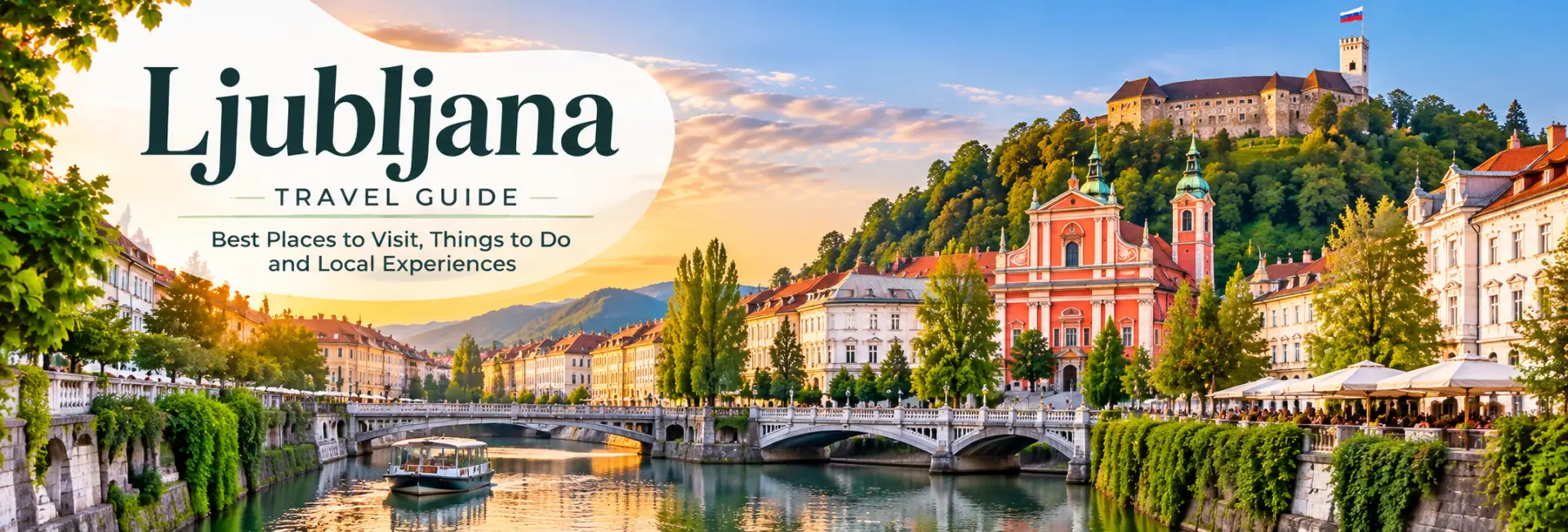
Ljubljana, the capital of Slovenia, is one of Europe's most easygoing capitals. Its historic centre is largely car-free, a small river lined with cafes winds through the middle, and a medieval castle looks down from a wooded hill. The city is compact enough to cover on foot, yet it has the museums, restaurants and green spaces of a much larger place.
Much of what makes Ljubljana feel distinctive comes from two sources: the Baroque and Art Nouveau buildings that line its streets, and the architect Jože Plečnik, who reshaped the city in the early 20th century. This guide covers the sights that matter most, the activities and flavours that feel local, the best day trips and the practical details that make a visit run smoothly.
Best Places to Visit in Ljubljana
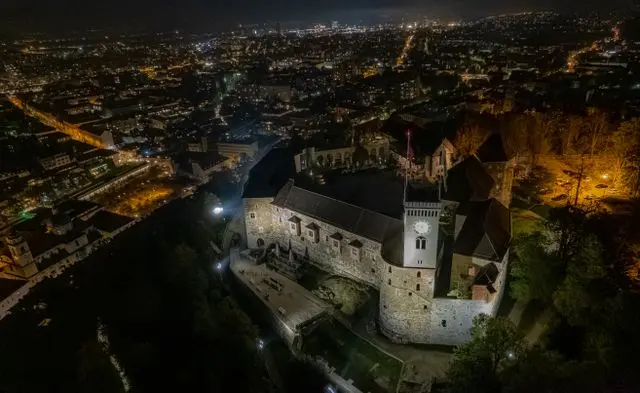
Ljubljana Castle
Perched on Castle Hill above the old town, the castle has medieval origins and was largely rebuilt in later centuries. Visitors can walk the ramparts, climb the watchtower for views over the rooftops and the distant Alps, and explore exhibitions on the city's history and its famous dragon symbol.
You can reach the top by funicular, by a steep footpath of about 20 minutes or by a tourist train from the old town. Plan around an hour or two, and consider a late-afternoon visit for softer light.
Prešeren Square and the Triple Bridge
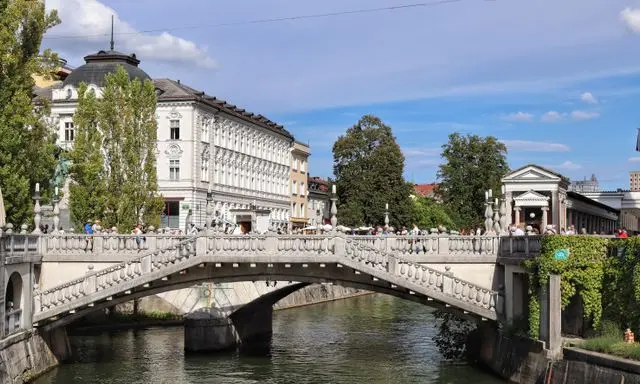
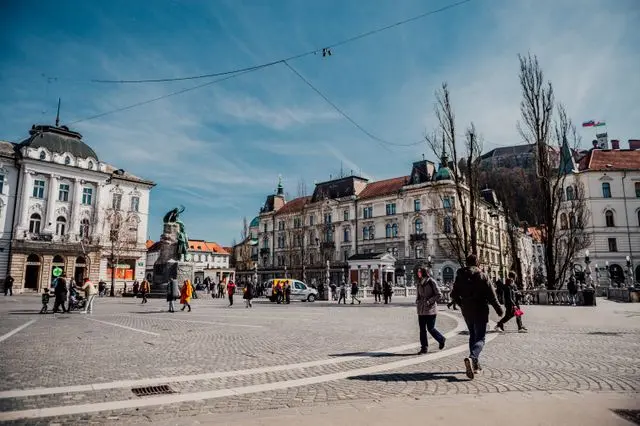
The city's main meeting place is dominated by a monument to France Prešeren, the national poet whose verses were later used for the national anthem. Facing the square is the pink Franciscan Church, and the Triple Bridge, three adjoining bridges designed by Plečnik, leads across the river toward the old town. Lamps glow here at night, which makes it one of the most photographed spots.
Dragon Bridge
Guarded by four green dragons, this early 20th-century Art Nouveau bridge is a local emblem. The dragon appears on the city's coat of arms, and you will see it on manhole covers, souvenirs and fountains all around town. It is a quick stop on the way to the Central Market.
The Central Market and Plečnik Colonnade
Along the river, an open-air market sells fruit, vegetables, honey, cheese and flowers beneath a graceful arcade designed by Plečnik. Browse in the morning for the best selection, then take a seat at a nearby cafe. On many Fridays from spring to autumn, an open kitchen event adds street food from local restaurants.
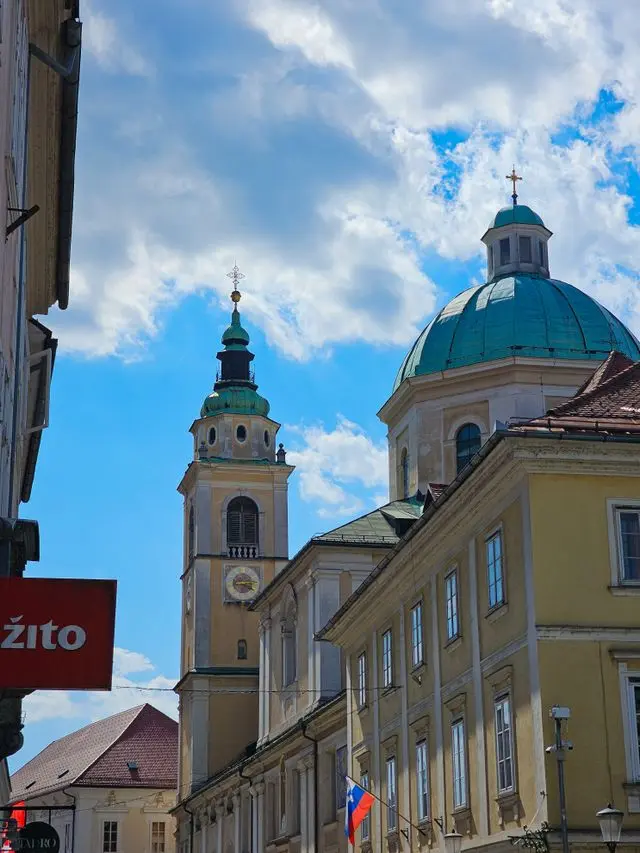
Ljubljana Cathedral
The Baroque Cathedral of St Nicholas stands near the market, with a green dome and elaborate bronze doors. The interior has painted ceilings, marble altars and dramatic frescoes, and the building is free to enter outside of services.
Plečnik's Legacy
Plečnik also designed the National and University Library, the Cobblers' Bridge and the cemetery complex at Žale, and his body of work is recognised by UNESCO. Even a casual walk through the centre reveals his taste for classical columns, stone details and carefully placed lamps. Look for his house museum if you want to see how he lived and worked.
Tivoli Park and Rožnik Hill
A short walk from the centre, Tivoli Park offers shaded paths, ponds and sculpture installations. Beyond it, Rožnik Hill provides forest trails and a small hilltop inn, so locals often come for a morning stroll or a Sunday lunch.

Things to Do in Ljubljana
Cruise the Ljubljanica
Short boat trips run along the river, passing under bridges and past the old town's cafe terraces. Evening cruises are particularly pleasant, and many include a drink or a commentary about the city's history. Bookings are usually easy to make on the day.
Sit at a Riverside Cafe
The embankments are lined with tables, and spending an hour with a coffee or a glass of wine is a local ritual. Choose a spot between Cobblers' Bridge and Triple Bridge, and watch the city pass by.
Wander Metelkova
This former military barracks near the station is now an alternative cultural quarter, covered in murals and sculptures and home to galleries, bars and small venues. It feels very different from the polished old town. Visit in daytime to see the art, and come back at night if you like live music.
Rent a Bike
Cycling is part of local life, and the city has a public bike-share system as well as rental shops. The flat riverside paths and the park routes make an easy half-day outing. Drivers are generally used to cyclists, but stay alert in the old town's mixed-use streets.
Take a Free Electric Ride
Small electric vehicles known as Kavalirs offer free rides within the pedestrian centre, which is handy if you have mobility concerns or heavy bags. Simply flag one down or call the number on the vehicle.
Local Experiences and Food
Slovenian Dishes to Try
Slovenian cooking blends Alpine, Central European and Mediterranean influences. Look out for these on menus:
- Kranjska klobasa, a smoked pork sausage from the Carniola region, usually served with mustard and sauerkraut
- Žlikrofi, small potato-filled dumplings, often topped with a meat sauce
- Štruklji, rolled dumplings that can be sweet or savoury
- Potica, a rolled sweet bread filled with walnuts or other fillings, a festive favourite
- Pumpkin seed oil, a dark, nutty oil drizzled over salads and soups
Eat at a Gostilna
Traditional inns, called gostilna, serve hearty home-style dishes at reasonable prices. Ask about the daily specials and the local soups, and expect generous portions.
Taste Slovenian Wine and Craft Beer
The country has a long winemaking tradition, with reds such as Teran and whites such as Rebula. Wine bars in the old town pour by the glass and can recommend regional bottles. Craft beer is also popular, and several small breweries operate in and around the city.
Join a Festival
Summer brings open-air concerts, theatre and street performances during the Ljubljana Festival, and December transforms the old town into a lively Christmas market with food stalls, lights and mulled wine. Check dates early, as hotels fill up for these periods.

Best Day Trips from Ljubljana
Lake Bled
About an hour from the capital, Lake Bled is famous for its small island church, its clifftop castle and the surrounding mountains. Walk the lakeside path, take a traditional rowing boat to the island and try the local cream cake. Nearby, the Vintgar Gorge has wooden walkways above a turquoise river.
Lake Bohinj
Further into the Julian Alps, Lake Bohinj is quieter and more rugged. It is a good choice for swimming, hiking and a slower pace, and it is easy to combine with Bled in a long day.
Postojna Cave and Predjama Castle
The Postojna Cave is one of Europe's largest cave systems, with a small electric train carrying visitors deep underground. Nearby, Predjama Castle is built into the mouth of a cliff cave and is a striking example of medieval engineering. Both are usually visited together on a half-day or full-day trip.
The Coast: Piran and Koper
The Slovenian coast is small but charming, with Piran's Venetian-style harbour and narrow lanes being the highlight. It is roughly a 90-minute drive, so it works best as an overnight stay.
Škofja Loka and Kamnik
For a quieter outing, these two medieval towns have old squares, castles and local museums, and they are easy to reach by bus or car.
Best Time to Visit Ljubljana
Late spring and early autumn are ideal, with mild temperatures, long evenings and open terraces. Summer is warm and lively but can be crowded at the major sights, particularly around festival time. In winter, the city is atmospheric, with Christmas lights and market stalls, though days are short and temperatures can drop well below freezing.
- Visit the castle in the late afternoon for softer light and cooler temperatures
- Reserve restaurants in advance on weekends and during festivals
- Book Bled boats, cave tours and popular guided trips ahead in summer

Getting to Ljubljana and Getting Around
Ljubljana Jože Pučnik Airport is about 25 kilometres north of the city, with shuttle buses, regular public buses and taxis into the centre. The train and bus stations sit side by side near the old town, linking Ljubljana to Zagreb, Vienna, Venice and other Slovenian towns.
The historic centre is largely pedestrian, so you will explore it on foot. City buses cover the wider area, and you will need a rechargeable card to ride them. For day trips to Bled, Bohinj and Postojna, trains, buses and organised tours all run regularly, though a car gives you more flexibility for caves and mountain areas.
Where to Stay
Old Town
Staying near the river and castle puts you in the middle of cafes, shops and sights. It can be noisy on weekend evenings, so check the room's location if you are a light sleeper.
Center and Trnovo
South and west of the old town, these quieter districts offer apartments, small hotels and local restaurants. Trnovo, in particular, has a village feel and is close to the Plečnik sights.
Near the Station
Hotels and hostels around the station are practical for early departures and onward travel. Prices are often lower, and the old town is only a short walk away.
Hostels with Character
Ljubljana has several creative hostels, including one that occupies a converted former military prison near Metelkova. They are popular with younger travellers and anyone who enjoys a bit of quirkiness.
Practical Tips Before You Go
- Slovenia uses the euro, and cards are widely accepted, though small market stalls may prefer cash
- Tap water is safe to drink, and public fountains around the city let you refill bottles for free
- Consider the Ljubljana Card only if you plan to use several included attractions, such as the funicular, boat ride and museums, so compare the price with individual tickets first
- Many museums close on Mondays, so check opening days before planning your itinerary
- Ticket prices, opening hours and booking rules for the castle, museums and day-trip attractions change often, so confirm them on official sites before you travel
- Pack a light rain jacket, since showers can arrive quickly in any season
Conclusion
Ljubljana rewards unhurried exploring. Start the day at the market, spend the afternoon at the castle or on the river, and finish with dinner at a riverside terrace or a cosy gostilna, and you will see why so many visitors describe the city as both charming and effortless.
Two days cover the main sights, and a few more let you add Lake Bled, Postojna or the coast. With some planning around seasons and bookings, Ljubljana makes an ideal base for exploring Slovenia.
Frequently Asked Questions
How many days do you need in Ljubljana? +
Two days cover the old town, castle and a few museums. Add one or two more days for Lake Bled, Postojna Cave or the coast.
Is Ljubljana worth visiting? +
Yes. It is compact, walkable and relaxed, with a castle, riverside cafes, Plečnik architecture and easy access to alpine lakes and caves.
What is the best time of year to visit Ljubljana? +
Late spring and early autumn offer pleasant weather and fewer crowds. Summer is lively, and December is popular for the Christmas market.
Is Ljubljana walkable? +
Yes. The historic centre is largely pedestrian, and most major sights are within a short walk of each other.
Is the Ljubljana Card worth buying? +
It can be good value if you plan to use the castle funicular, a boat ride, museums and other included attractions within the validity period. If you plan to spend much of your stay on day trips, individual tickets may be cheaper.
Can you visit Lake Bled from Ljubljana in a day? +
Yes. Buses, trains with a connection and organised tours reach Bled in about an hour, and many visitors combine it with Lake Bohinj or Vintgar Gorge.
Is Ljubljana expensive? +
It is generally more affordable than many Western European capitals, though prices rise in summer and around festivals. Lunch menus and gostilna meals offer particularly good value.
What should I eat in Ljubljana? +
Try kranjska klobasa, žlikrofi, štruklji and potica, and pair them with a glass of local wine or a craft beer.