
Table of Contents
Introduction
Palma de Mallorca is the capital of the Balearic Islands, and it is much more than a stopover on the way to a beach resort. A Gothic cathedral rises straight from the waterfront, the old town hides courtyards behind heavy wooden doors, and the mountains of the Serra de Tramuntana begin just a short drive away. It is a genuine city, with markets, galleries and neighbourhoods where locals outnumber visitors.
Many travellers underestimate how much there is to do here. You can spend a morning in medieval palaces, an afternoon on a city beach and an evening in a tapas bar, all without a car. This guide covers the best sights, the activities and flavours that feel most local, the day trips worth your time and the practical points that make planning easier.
Best Places to Visit in Palma
La Seu Cathedral
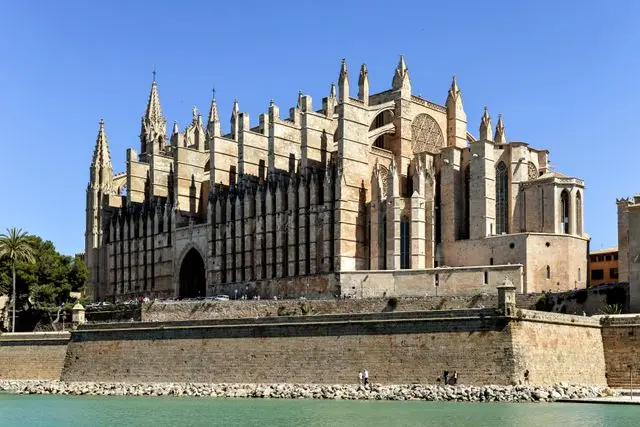
Begun in the 13th century and finished in stages over several hundred years, La Seu dominates the skyline from the edge of the sea. Its enormous Gothic rose window fills the nave with coloured light, and the interior contains work by Antoni Gaudí from the early 20th century as well as a ceramic-covered chapel by the contemporary artist Miquel Barceló.
Visit in the morning for the best light and fewer crowds, and consider buying your ticket online in advance in high season. Photograph the exterior from the Parc de la Mar, where the cathedral reflects in an artificial lake.
Royal Palace of La Almudaina
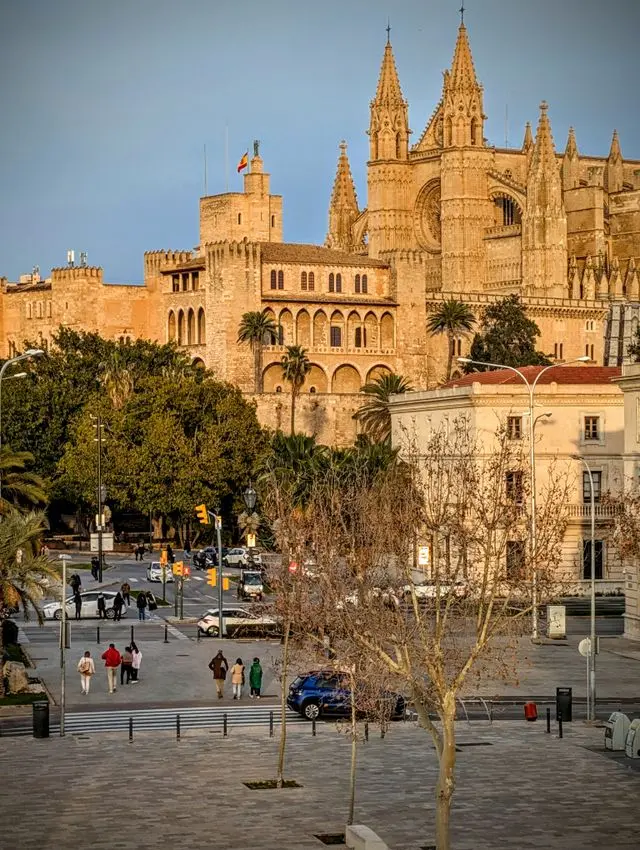
Directly across from the cathedral, this former Moorish fortress became a royal residence and is still used for official occasions. Its halls, tapestries and courtyards show how the building changed from Islamic to Gothic to later styles. It pairs naturally with a cathedral visit.
Bellver Castle
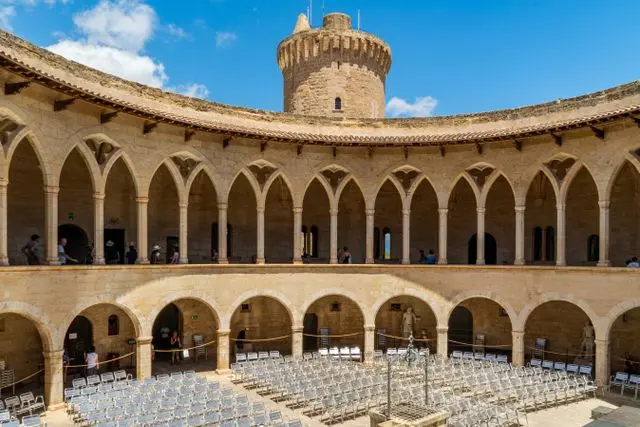
On a wooded hill a few kilometres from the centre, this 14th-century castle is notable for its perfectly round plan, which is rare in European castle design. A central courtyard is ringed by two arched galleries, and the rooftop terrace gives sweeping views over the bay and city. Part of the building houses a small history museum.
The Old Town Lanes and Patios
The streets around the cathedral, Plaça de Cort and Plaça Major reward slow wandering. Look through open doorways for stone patios with arches, wells and plants, many of which are visible from the street. The Born promenade and the lanes off it have boutiques, cafes and historic mansions.
Sa Llotja and the Arab Baths
Sa Llotja is a 15th-century Gothic merchant exchange with twisting stone columns inside, a reminder of Palma's trading past. Nearby, the Arab Baths are a small surviving piece of the city's Islamic-era architecture, set in a quiet garden. Both are quick stops that reward a little curiosity.
Art Museums
Es Baluard, built into a former fortification on the sea wall, shows modern and contemporary art with a terrace overlooking the port. The Fundació Pilar i Joan Miró, a few kilometres west of the centre, preserves the studios where the Catalan painter lived and worked in his later years.

Things to Do in Palma
Walk the Seafront
The waterfront promenade stretches from the harbour toward the airport side, passing marinas, palm trees and beach clubs. Cyclists, joggers and skaters share a wide, flat path, which makes the route easy to enjoy at any pace. Bike rental shops around the centre make it simple to cover more ground.
Swim at the City Beaches
Can Pere Antoni and Ciutat Jardí are the closest sandy beaches to the old town and have showers and cafes. For a quieter experience, head toward Portixol or Es Molinar, where small rocky coves and local bars have a village feel.
Explore Santa Catalina Market and Neighbourhood
This former fishing district has become one of the city's liveliest corners. Santa Catalina Market sells fresh seafood, vegetables and local sausages, and the surrounding streets are filled with brunch spots, tapas bars and independent shops. It is at its best in the late morning or early evening.
Watch the Sunset from the Port
Yachts of all sizes crowd the harbour, and sailing is part of local life. Find a seat at a waterfront cafe near the cathedral and watch the sky turn orange behind the masts.
Join a Local Festival
Palma has a busy calendar of events. In January, the festivities of Sant Sebastià fill the squares with bonfires and live music, and in spring the city hosts a major boat show and sailing regattas. Check the local events calendar before you go, since dates vary.
Local Experiences and Food
Mallorcan Specialties
Island cooking is simple, rustic and rooted in local produce. Try these during your stay:
- Ensaïmada, a light, spiral-shaped pastry dusted with icing sugar and often filled with cream or pumpkin jam
- Sobrassada, a soft, spreadable cured sausage seasoned with paprika, often served on toast with honey
- Tumbet, a baked vegetable dish of aubergine, peppers and potatoes in tomato sauce
- Pa amb oli, bread rubbed with tomato and olive oil, served with ham, cheese or olives
- Frit mallorquí, a fried mix of offal, potatoes and peppers that is traditional on the island
Tapas and Daily Menus
Palma's bar scene is lively, particularly around Santa Catalina and the old town. Order several small plates to share, and ask what is seasonal. Many bars serve a daily lunch menu that offers good value compared with dinner.
Sample Local Drinks
Mallorca produces wines from native grapes such as Callet and Manto Negro, and several wineries welcome visitors. Herbal liqueurs, known as hierbas, are another island specialty, usually served after a meal in small glasses.
Browse the Olivar Market
Mercat de l'Olivar, in the centre, is the city's main fresh-food market. Stalls sell fish, cheese, ham, fruit and olives, and counters inside serve quick lunches. Visit on a weekday morning for the best selection.

Best Day Trips from Palma
Sóller by Vintage Train
A wooden train dating from the early 20th century climbs through the mountains and tunnels from Palma to Sóller in about an hour. From the town, a historic tram runs down to the harbour at Port de Sóller, where you can swim or eat fish by the water. Seats can fill up in summer, so book ahead.
Valldemossa and Deià
These two Tramuntana villages are among the most picturesque on the island. Valldemossa is known for its former Carthusian monastery, where the composer Chopin spent the winter of 1838 to 1839, and Deià is a tiny hillside village loved by artists and writers. Reach them by bus or car, and expect narrow winding roads.
Caves of Drach and the East Coast
On the eastern side of the island, the Caves of Drach near Porto Cristo feature an underground lake and a short classical concert. Combine them with beaches such as Cala Mondragó, which is part of a natural park.
Cap de Formentor and Alcúdia
In the north, the winding road to Cap de Formentor leads to dramatic cliffs and a lighthouse. Nearby Alcúdia has a walled old town and a long sandy beach. Check summer access rules for Formentor, as traffic is often restricted at peak times.
Best Time to Visit Palma
April to June and September to October are the best months for most travellers, with warm days, comfortable sea temperatures from late spring and fewer crowds. July and August are hot, busy and expensive, though the beaches are at their liveliest. Winter is mild and quiet, and Palma stays open year-round, but many coastal resorts and seasonal venues close.
- Visit the cathedral and old town early in the day, before cruise passengers arrive
- Reserve the Sóller train, popular restaurants and rental cars in advance for summer
- Use the middle of the day for the beach or a museum, and save walking for the evening

Getting to Palma and Getting Around
Palma Airport is about eight kilometres east of the centre, with regular buses and taxis connecting to the city. Ferries link Palma with Barcelona, Valencia and other Balearic islands, and the port is close to the old town, which makes arriving by sea convenient.
The historic centre is compact and best explored on foot. City buses reach Bellver Castle, the beaches and most neighbourhoods, and the central station also serves the Sóller train and island bus routes. A car is useful for exploring remote beaches or mountain roads, but you do not need one for Palma itself, and parking in the centre is difficult.
Where to Stay
Old Town
Staying near the cathedral puts you within walking distance of nearly every sight, with charming boutique hotels in restored mansions. Streets can be noisy at night in summer, and rooms may be small.
Santa Catalina
Just west of the old town, this lively area is packed with restaurants, bars and a market. It suits food lovers and those who want a local, creative atmosphere.
Portixol and Es Molinar
East of the port, these former fishing villages are quieter and more relaxed, with seafront restaurants and swimming spots. They are a good fit for couples and longer stays.
Paseo Marítimo
The seafront boulevard has larger hotels with sea views and easy access to the promenade, a practical choice if you want amenities and a short taxi ride to the old town.
Practical Tips Before You Go
- The Balearic Islands charge a sustainable tourism tax per night, usually collected by your accommodation, so check the current rate when you book
- Spain uses the euro, and cards are widely accepted, but carry some cash for markets and small cafes
- Dress modestly when visiting the cathedral and other religious sites
- Many shops and restaurants close in the afternoon, so check opening hours and plan around the siesta period
- Ticket prices, opening hours and booking rules for the cathedral, Bellver Castle and the Sóller train change often, so confirm them on official sites before you travel
- Bring sun protection and a reusable water bottle, particularly for walks and beach days
Conclusion
Palma balances history, food and sea in an easy, walkable package. Spend a morning inside the cathedral and palace, an afternoon by the water and an evening hopping between tapas bars, and the city feels both relaxed and rich in character.
Give yourself three days in the city itself, and add extra time if you want to explore the Tramuntana villages or the island's beaches. A little planning around seasons and bookings will help you enjoy Palma at its most welcoming.
Frequently Asked Questions
How many days do you need in Palma? +
Two to three days cover the cathedral, old town, a museum and the waterfront. Add more days for the Sóller train, mountain villages or beaches.
Is Palma worth visiting? +
Yes. It combines a Gothic cathedral, a handsome old town, good food and easy access to beaches and mountains, and it works well as both a city break and an island base.
What is the best time of year to visit Palma? +
April to June and September to October offer warm weather and fewer crowds. Summer is hot and busy, while winter is mild but quieter.
Is Palma walkable? +
The old town and central districts are compact and very walkable. Buses cover Bellver Castle, the beaches and outer neighbourhoods.
Does Palma have good beaches? +
Palma has city beaches such as Can Pere Antoni and Ciutat Jardí, and smaller coves near Portixol. For wilder, more scenic beaches, take a day trip along the island's coast.
Do I need a car in Palma? +
Not for the city itself. A car is useful for remote beaches, mountain villages and the island's east coast, though public buses and the Sóller train cover several popular routes.
Is there a tourist tax in Palma? +
Yes. The Balearic Islands charge a sustainable tourism tax per night of accommodation, with rates that vary by type of lodging. It is usually paid at your hotel or rental.
What should I eat in Palma? +
Try ensaïmada, sobrassada, tumbet, pa amb oli and fresh seafood, and finish with a glass of local wine or a small glass of hierbas.