

Table of Contents
- About Amsterdam
- Climate in Amsterdam
- Getting to Amsterdam
- Transportation in Amsterdam
- Things to Do in Amsterdam
- Neighborhoods to Explore
- Food in Amsterdam
- Accommodation in Amsterdam
- Day Trips from Amsterdam
- Safety Tips in Amsterdam
- Budget & Costs in Amsterdam
- Local Customs & Etiquette
- Suggested Itineraries
About Amsterdam
Amsterdam is a compact, canal laced city that rewards slow exploration more than almost any other European capital. Built on a series of concentric canals dug in the 17th century during the Dutch Golden Age, the city center still largely follows that original layout, which makes it unusually easy to get pleasantly lost without ever being far from somewhere familiar.
The city has a reputation shaped partly by its liberal policies around cannabis and its Red Light District, but that is a fairly narrow slice of what Amsterdam actually offers. It is also a city of world class museums, a deep cycling culture that shapes daily life more than tourism, and a historic center dense with narrow gabled houses leaning gently over the water.
Amsterdam is small enough that most visitors can cover the central canal ring, the museum quarter, and a few surrounding neighborhoods entirely on foot or by bike, without needing to rely heavily on public transport at all.
Climate in Amsterdam
Amsterdam has a temperate maritime climate, similar in spirit to London's, with mild temperatures, frequent cloud cover, and rain that can appear at almost any time of year with little warning.
- Spring, from March to May, brings blooming tulip fields in the surrounding countryside and mild temperatures generally between 8 and 15 degrees Celsius, or 46 to 59 degrees Fahrenheit, making it a popular and scenic time to visit.
- Summer, from June to August, is the warmest and driest stretch, with temperatures typically between 17 and 22 degrees Celsius, or 63 to 72 degrees Fahrenheit, and long daylight hours that make evening canal walks especially pleasant.
- Autumn, from September to November, cools gradually and brings noticeably fewer crowds, along with golden foliage along the canals, though rain becomes more frequent as the season progresses.
- Winter, from December to February, is cold and often grey, with temperatures generally between 1 and 6 degrees Celsius, or 34 to 43 degrees Fahrenheit. The canals occasionally freeze over in a hard winter, drawing locals out to skate, though this is not something to count on.
April, when tulip season peaks, along with September, tend to offer some of the most rewarding weather to crowd ratios for a visit.
Getting to Amsterdam
Amsterdam is served by Schiphol Airport, one of Europe's busiest hubs, located about 18 kilometers southwest of the city center. Direct trains run from Schiphol to Amsterdam Centraal station in around 15 to 20 minutes, making it one of the easiest and fastest airport to city center connections in Europe.
For travelers already in Europe, Amsterdam is well connected by high speed and international rail. The Eurostar now runs directly between London and Amsterdam in around four hours, while Thalys and ICE trains connect Amsterdam to Brussels, Paris, and various German cities, arriving centrally into Amsterdam Centraal.
Amsterdam Centraal station sits right at the edge of the historic center, meaning most travelers can walk, cycle, or take a short tram ride to their accommodation immediately after arriving by train.
Entry requirements depend on nationality and are subject to change, so it is worth checking current visa and Schengen area rules directly with an official Dutch or EU government source shortly before traveling.

Transportation in Amsterdam
Cycling is the defining way to get around Amsterdam, and the city's flat terrain and extensive network of dedicated bike lanes make it genuinely practical for visitors, not just locals. Bike rental shops are common throughout the city, though it is worth spending a few minutes getting comfortable with local cycling etiquette, such as signaling turns and staying alert to trams, before heading into busier streets.
For those who prefer not to cycle, the tram network is the backbone of public transport in the center, dense and frequent, generally running from around 6 a.m. until just after midnight. A smaller Metro network mainly serves areas slightly outside the historic core.
An OV-chipkaart or contactless bank card can be tapped in and out on trams, buses, and the Metro, automatically calculating the fare for each journey.
Walking is entirely feasible for the historic center, given its compact size, though the sheer number of bikes moving through the city means pedestrians need to stay alert, particularly when crossing designated bike lanes.
Canal boats and small ferries also connect various parts of the city, including a free ferry across the IJ river to Amsterdam Noord, and offer a different, slower perspective on the city than transport by land.
Things to Do in Amsterdam
Amsterdam's major sights are concentrated enough that most can be reached on foot or by a short bike ride from the historic center.
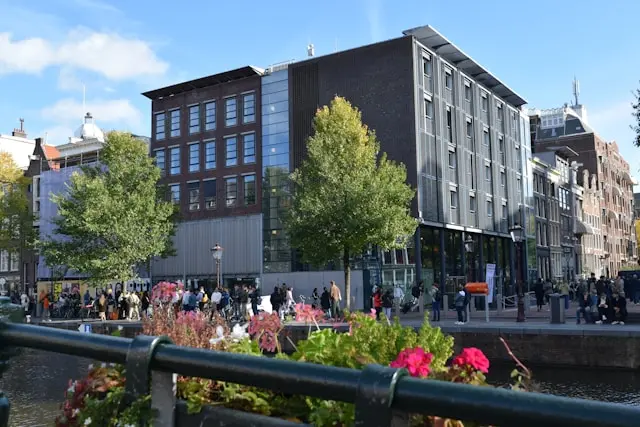
- The Anne Frank House, one of the most visited sites in the city, requires advance online booking well ahead of your trip, since tickets are released in batches and sell out quickly.
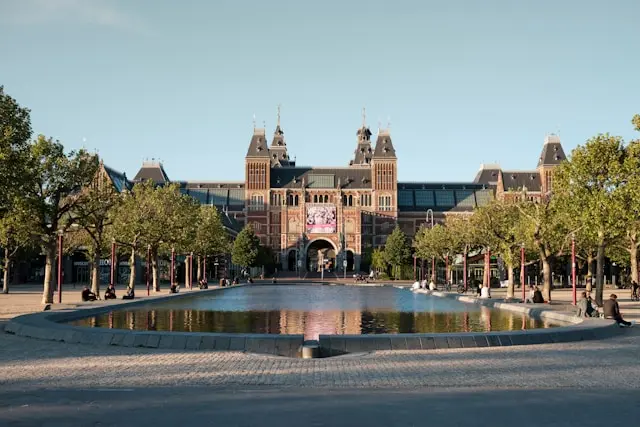
- The Rijksmuseum, the Netherlands' national museum, holds an extensive collection of Dutch masters, including Rembrandt's The Night Watch, and easily fills half a day.
- The Van Gogh Museum, next to the Rijksmuseum in the Museum Quarter, houses the largest collection of Van Gogh's work anywhere in the world and is best booked in advance given consistently high demand.
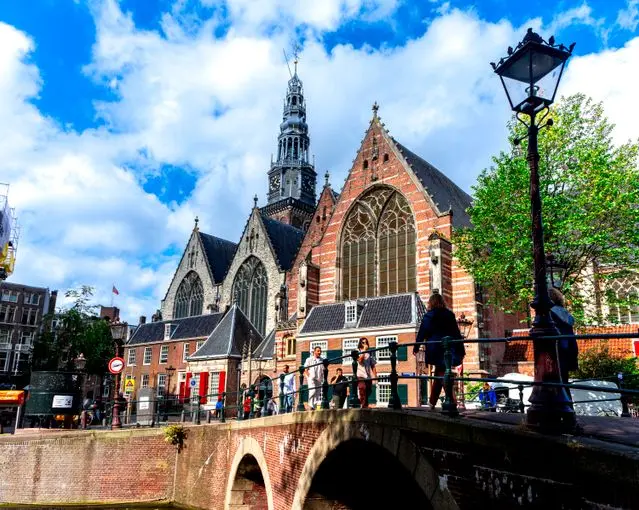
- The canal ring itself, a UNESCO World Heritage site, is worth experiencing both on foot and by boat, since a canal cruise offers a genuinely different perspective on the city's 17th century architecture.
- The Jordaan neighborhood, though covered more in the neighborhoods section, is worth including as a destination in its own right for its quiet canals and independent shops.
- Vondelpark, the city's largest and most popular park, is a good place to see Amsterdam life away from the museums, particularly on weekends when locals fill it for picnics and casual sports.
Given how compact the center is, it is possible to combine two or three major museums with a canal walk in a single well planned day.
Neighborhoods to Explore
Amsterdam's neighborhoods each have a distinct rhythm, and moving beyond the most heavily touristed canal ring reveals a noticeably different side of the city.
- The Jordaan, just west of the center, is known for its narrow, quiet canals, independent boutiques, and a strong concentration of small brown cafes, the traditional Dutch pubs known for their dark wood interiors.
- De Pijp, south of the center, has a lively, multicultural feel, home to the Albert Cuyp Market and a dense cluster of casual restaurants and bars popular with a younger crowd.
- The Red Light District, technically the De Wallen neighborhood, is one of the oldest parts of the city and is worth seeing for its medieval architecture and canals during the day, when it has a very different atmosphere than at night.
- Amsterdam Noord, across the IJ river and reachable by a free ferry, has emerged as a creative hub, with converted industrial spaces, street art, and a noticeably more relaxed, less touristed pace.
- Oud-West, just west of the Museum Quarter, offers a good mix of local shopping streets and casual dining without the density of tourists found closer to the canal ring.
Spending time in De Pijp or Amsterdam Noord tends to give a clearer sense of contemporary Amsterdam than time spent exclusively in the historic canal ring.
Food in Amsterdam
Dutch cuisine is often overshadowed by Amsterdam's other reputations, but the city has a genuinely strong and increasingly diverse food scene, shaped both by traditional Dutch dishes and by its history as a global trading hub.
- Stroopwafels, thin waffles filled with caramel syrup, are best bought fresh and warm from a market stall rather than pre-packaged, since the texture difference is significant.
- Herring, traditionally eaten raw with chopped onion and pickles, is sold from street stalls throughout the city and is considered a genuine Amsterdam food ritual, even if it is not for everyone.
- Indonesian food has a deep and lasting presence in Amsterdam due to the Netherlands' colonial history, and a rijsttafel, a multi-course spread of small dishes, is one of the more distinctive dining experiences the city offers.
- Brown cafes, the traditional Dutch pubs named for their dark wood interiors, are good places to try Dutch bar snacks like bitterballen alongside a local beer.
- Markets such as Albert Cuyp Market in De Pijp offer an easy way to sample a wide range of Dutch and international street food in one place.
Amsterdam's dining scene also reflects its large expat and international population, so genuinely excellent options exist well beyond traditional Dutch food, particularly around De Pijp and the Jordaan.

Accommodation in Amsterdam
Where to stay in Amsterdam depends on how central you want to be, given that prices in the historic canal ring run noticeably higher than in surrounding neighborhoods.
- The Canal Ring itself offers classic Amsterdam charm, with narrow gabled buildings converted into hotels, though rooms here tend to be smaller and pricier given the historic architecture.
- The Jordaan provides a quieter, still central base with easy walking access to the canal ring and Museum Quarter, appealing if you want charm without being in the busiest tourist streets.
- De Pijp offers good value and a lively local atmosphere, slightly further from the historic center but well connected by tram.
- Amsterdam Noord has become an increasingly popular, more affordable option, particularly for longer stays, provided you are comfortable using the free ferry to reach the center.
- Areas near Amsterdam Centraal station offer convenience for arrivals and departures, though this immediate area is busier and less charming than other parts of the city.
Amsterdam's historic buildings often have steep, narrow staircases and no elevators, so it is worth checking these details in advance if stairs or heavy luggage are a concern.
Day Trips from Amsterdam
Amsterdam's central location within the small, well connected Netherlands makes several destinations accessible without an overnight stay.
- Zaanse Schans, about 20 minutes by train and bus, is a preserved village of historic windmills and traditional wooden houses, offering an easy and scenic introduction to the Dutch countryside.
- Haarlem, roughly 15 minutes by train, is a charming, less crowded city with its own canals, a striking central church, and, in season, easy access to nearby tulip fields.
- The Keukenhof gardens, one of the world's largest flower gardens, are open seasonally from mid March to mid May and are reachable by direct bus from Amsterdam, making a visit worthwhile if your trip aligns with tulip season.
- Utrecht, about 30 minutes by train, offers a smaller scale version of Amsterdam's canal charm with a noticeably more local, less touristed atmosphere.
- Delft, around an hour away, is known for its historic pottery tradition and picturesque town center, and pairs well with a stop in nearby The Hague.
Most of these destinations are simple to reach independently by train or a combined train and bus ticket, without needing an organized tour.
Safety Tips in Amsterdam
Amsterdam is generally a safe city for travelers, and violent crime against tourists is uncommon. The more realistic concerns are petty theft, bike related accidents, and, in the Red Light District specifically, aggressive drug touts.
A few practical habits help reduce risk.
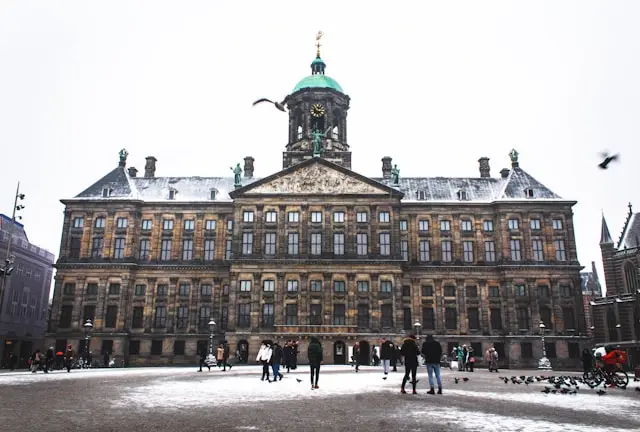
- Keep bags secured and be alert in crowded areas like Dam Square, Amsterdam Centraal, and the Red Light District, where pickpocketing is more common than elsewhere in the city.
- If cycling, stay in designated bike lanes, learn basic hand signals, and remain aware that trams have the right of way, since bike related accidents are one of the more common ways visitors get hurt.
- Decline offers from street dealers selling drugs, since these transactions sit outside the regulated, licensed system and carry real risk of scams or worse.
- Use licensed taxis or well known ride hailing apps rather than unmarked cars offering rides.
- Exercise normal caution around canals at night, particularly if drinking, since canal railings are lower than many visitors expect.
If something is stolen, Dutch police stations can issue an official report, which is generally required for any travel insurance claim.

Budget & Costs in Amsterdam
Amsterdam sits toward the pricier end of European capitals, particularly for accommodation, though transport and food costs can be managed reasonably well with some planning.
- Budget travelers can keep costs down by staying slightly outside the canal ring, renting a bike instead of relying on taxis, and eating at markets or casual spots like herring stalls and fries shops.
- Mid-range travelers have a wide range of comfortable hotel options, along with a good mix of casual and sit-down dining, and standard use of trams and museum entry.
- Higher end travelers will find no shortage of ways to spend more, from canal-view hotels in the historic center to fine dining and private canal cruises.
A few habits help stretch a budget regardless of spending level, including the I amsterdam City Card, which bundles free entry to several major museums with public transport, renting a bike for a few euros a day instead of relying on taxis, and booking major museums like the Anne Frank House and Van Gogh Museum well in advance, since prices and availability both tend to worsen closer to the visit date.
Local Customs & Etiquette
Dutch culture in Amsterdam tends to value directness and practicality, and understanding a few local norms helps avoid minor friction.
- Directness is culturally normal, not rude. Dutch conversation style tends to be blunt and to the point compared to many other cultures, and this is not generally meant as unfriendly.
- Cyclists have real priority on the road, and visitors are expected to look both ways before stepping into a bike lane, since collisions between pedestrians and cyclists are a common source of minor accidents.
- Splitting the bill, often referred to as going Dutch, is common and unremarkable practice, and asking to split a bill evenly is not considered awkward the way it might be elsewhere.
- Tipping is appreciated but modest, generally rounding up or adding around 5 to 10 percent at restaurants, since service charges are often already included in menu prices.
- Smoking cannabis is legal in licensed coffeeshops but not in most public outdoor spaces or hotels, and public intoxication or disruptive behavior is treated seriously despite the city's relaxed reputation.
Beyond these specifics, a straightforward, unpretentious approach to interactions tends to fit naturally with the local culture.
Suggested Itineraries
One Day in Amsterdam
Start with the Anne Frank House early, before crowds build, then walk through the Jordaan toward the Museum Quarter for either the Rijksmuseum or Van Gogh Museum. Spend the afternoon on a canal cruise or a walk along the canal ring, and close the evening with dinner in De Pijp or the Jordaan.
Three Days in Amsterdam
- Day one covers the Anne Frank House, the Jordaan, and an afternoon canal cruise, followed by dinner in the Jordaan.
- Day two covers the Museum Quarter in full, including the Rijksmuseum and Van Gogh Museum, followed by Vondelpark in the late afternoon.
- Day three covers De Pijp and the Albert Cuyp Market in the morning, with a half day trip to Zaanse Schans or Haarlem in the afternoon.
One Week in Amsterdam
The extra days allow for day trips such as Keukenhof in tulip season, Utrecht, or Delft, along with more time to explore Amsterdam Noord and quieter neighborhoods like Oud-West, and enough flexibility to simply spend a slow afternoon cycling without a fixed destination in mind.

FAQs about Amsterdam
Is Amsterdam expensive? +
It sits toward the pricier end of European capitals, particularly for accommodation, though renting a bike and eating at markets can keep daily costs more manageable.
How many days do you need in Amsterdam? +
Three days covers the major museums and canal ring comfortably, while a week allows time for day trips like Keukenhof or Utrecht and a slower pace through the neighborhoods.
Is Amsterdam safe for solo travelers? +
Generally yes. The main risks are petty theft and bike related accidents rather than violent crime, and staying alert around busy tourist areas and bike lanes covers most concerns.
What is the best time of year to visit? +
April, during tulip season, and September tend to offer some of the best combinations of pleasant weather and manageable crowds.
Do I need to book the Anne Frank House and Van Gogh Museum in advance? +
Yes, strongly recommended. Both sell out tickets well ahead of time, especially during peak season, so booking as soon as your dates are confirmed is worthwhile.
Is cycling necessary to enjoy Amsterdam? +
No, but it is central to how the city works. Walking and trams cover the historic center well, though renting a bike for at least part of the trip gives a more authentic sense of daily Amsterdam life.