Table of Contents
Overview
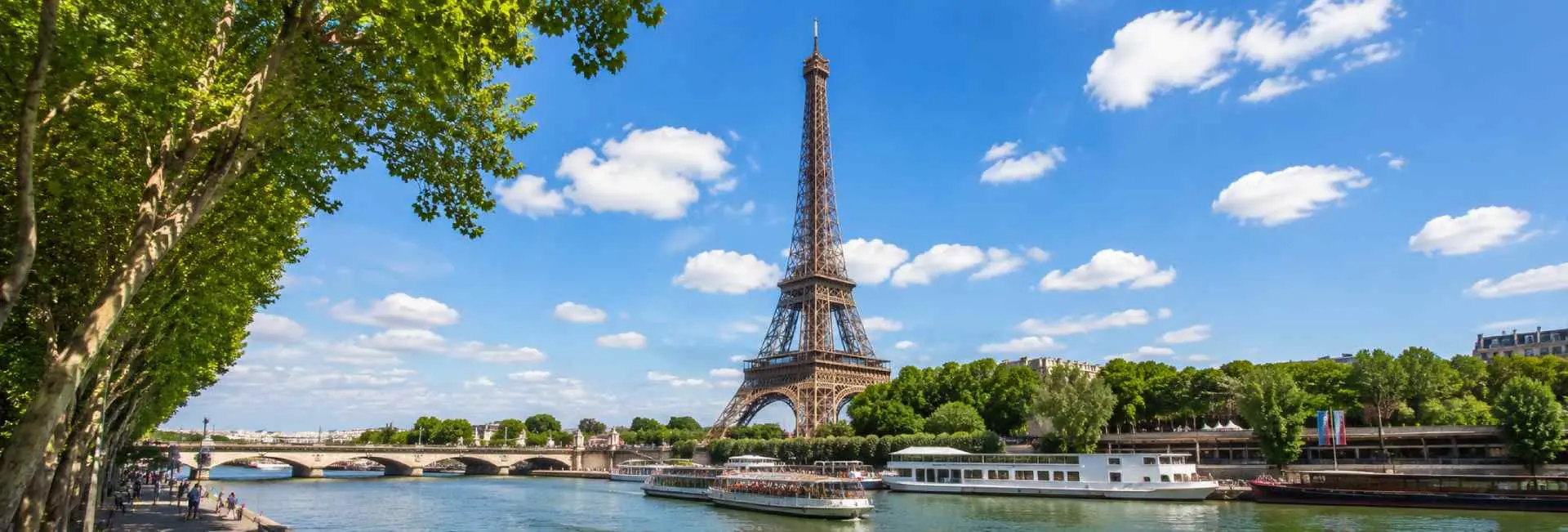
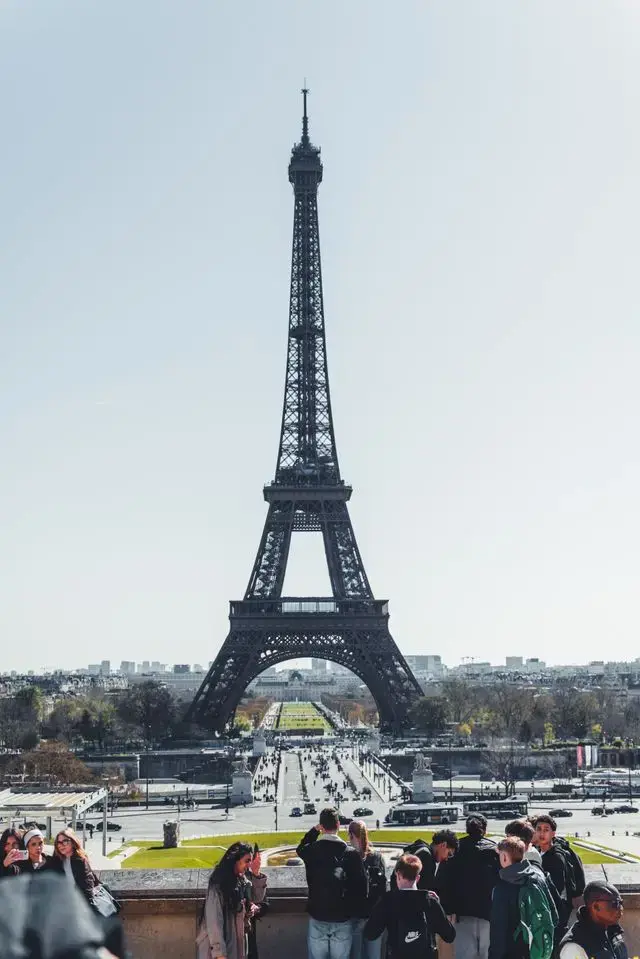
Standing on the Champ de Mars along the Seine in Paris's 7th arrondissement, the Eiffel Tower is one of the most recognizable structures in the world. Built as a temporary centerpiece for the 1889 World's Fair, it has become the enduring symbol of France, drawing millions of visitors every year for its architecture, panoramic views, and nightly illumination.
History
The tower was designed and built by engineer Gustave Eiffel's company for the 1889 Universal Exhibition, which marked the centenary of the French Revolution. Construction began in January 1887 and was completed in under two years, opening to the public in May 1889. It was originally meant to be dismantled after 20 years, but its value for scientific experimentation, including early radio transmissions, and its enormous popularity with tourists led the city to preserve it permanently. It held the title of tallest structure in the world until 1930, when New York's Chrysler Building surpassed it.
Key Facts & Figures
- Height: approximately 330 meters (1,083 feet) including antennas; the original structure measured 312 meters
- Floors open to the public: 3 (first floor, second floor, and summit)
- Steps: around 1,665 steps from the ground to the top
- Materials: roughly 7,300 tons of iron framework and 2.5 million rivets
- Elevators: 8 lifts service the tower
- Repainting: done every few years using around 60 tons of paint, applied in three graduated shades
- Annual visitors: close to 7 million people, making it one of the most-visited paid monuments in the world
The Three Levels
- First Floor (57 m): features a glass floor section for views straight down to the ground, exhibits on the tower's history, and dining options
- Second Floor (115 m): offers some of the most photogenic panoramic views of Paris, including the Louvre and Notre-Dame, plus a glass wall showcasing the tower's internal structure
- Summit (around 276 m): provides 360-degree views over the entire city, along with a champagne bar and a recreated apartment once used by Gustave Eiffel himself
Opening Hours
Hours vary by season and are subject to change for weather or maintenance, so always confirm on the official website before visiting.
- Mid-June to early September: approximately 9:00 AM to 12:45 AM (last entry around midnight)
- Rest of the year: approximately 9:30 AM to 11:00 PM (last entry around 10:30 PM)
- No regular annual closure days, though the summit can close temporarily due to high winds, fog, or maintenance
Ticket Prices
Approximate adult pricing (always verify current rates on the official site before booking):
- Summit access (lift): around €32
- Second floor (lift): around €20
- Second floor (stairs): around €12
- Reduced rates apply for youth (12–24) and children (4–11); children under 4 and EU residents under 26 with valid ID often enter free
- Official tickets typically go on sale around 60 days in advance and sell out quickly, especially for summit access in summer
Best Time to Visit
- Morning (9:30–11:00 AM): shortest lines and cooler temperatures, though without the evening light show
- Sunset: widely considered the best time, with golden-hour views followed by the tower's sparkling lights display, which runs for five minutes every hour after dark
- Late evening: fewer crowds, easier elevator access, and a magical illuminated atmosphere
How to Get There
- Trocadéro Gardens: one of the best spots for photographing the tower
- Champ de Mars Park: a large green space ideal for picnics with tower views
- Seine River Cruises: many boats depart from piers near the tower
- Musée du Quai Branly and Les Invalides: notable museums within walking distance
Nearby Attractions
- Trocadéro Gardens: one of the best spots for photographing the tower
- Champ de Mars Park: a large green space ideal for picnics with tower views
- Seine River Cruises: many boats depart from piers near the tower
- Musée du Quai Branly and Les Invalides: notable museums within walking distance
Visitor Tips
- Book tickets online well in advance; same-day tickets are often unavailable, especially in peak season
- Large luggage and pets (aside from guide dogs) are not permitted, and there is no left-luggage facility
- Expect airport-style security checks (bag and body scans) before entry
- Most visits take 2–3 hours; allow more time if dining or visiting all three levels
- Climbing the stairs to the second floor is a cheaper option and lets you take in the structure up close
Frequently Asked Questions
Is the Eiffel Tower open every day? +
Yes, it operates year-round with no regular closure days, though hours shift seasonally and the summit can close temporarily for weather.
How long does a visit take? +
Most visitors spend around 2–3 hours, longer if dining or taking in each level at a leisurely pace.
Can I climb the stairs instead of taking the elevator? +
Yes, stairs are available up to the second floor; reaching the summit requires a lift.
Is the Eiffel Tower accessible for visitors with reduced mobility? +
The first and second floors are accessible, but the summit is generally not accessible due to safety restrictions.
What is the best time to see the tower sparkle? +
Any time after dark, the lights sparkle for five minutes at the top of every hour throughout the night.