
Table of Contents
Introduction
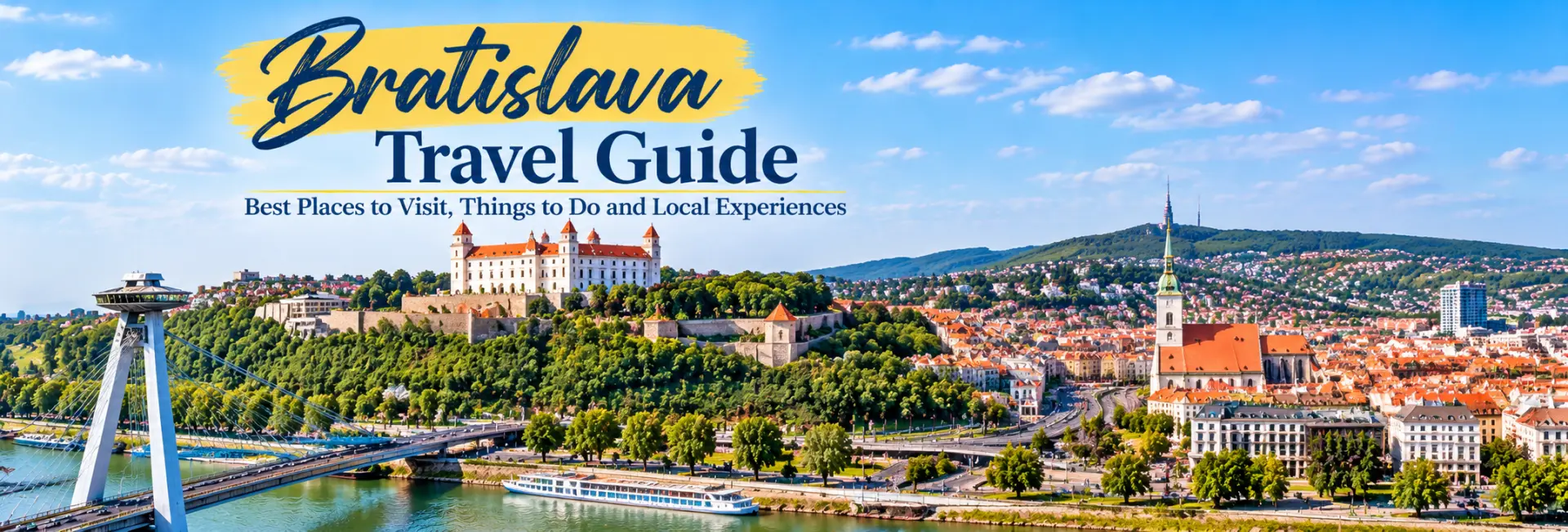
Bratislava sits on the banks of the Danube, close to the borders of Austria and Hungary, and it is one of the smallest national capitals in Europe. Its position at the crossroads of Central Europe has shaped everything from its architecture to its cooking. Over the centuries it was known as Pressburg and Pozsony, and traces of that mixed heritage still appear in street names, pastries and palace halls.
This guide covers the sights most worth your time, the activities that suit different travel styles, the foods and drinks that define Slovak hospitality, and the practical details that help a first visit run smoothly.
Why Visit Bratislava
Bratislava is easy to like because it is easy to manage. The historic core is small and pedestrian-friendly, the riverfront has been smartly redeveloped, and vineyards and forests lie just beyond the city edge. Many travellers pair it with Vienna, which is only about an hour away by train, but it rewards a stay of its own.
Some of the reasons to go:
- A charming Old Town with pastel facades, outdoor cafes and plenty of sculptures tucked into the streets
- A hilltop castle with wide views over the Danube and the border landscape
- A growing food and wine scene, with the Small Carpathians wine region almost on the doorstep
- Prices that are typically lower than in Vienna, especially for meals and drinks
- A relaxed, unhurried atmosphere with fewer crowds than larger European capitals

Best Places to Visit in Bratislava
Bratislava Castle
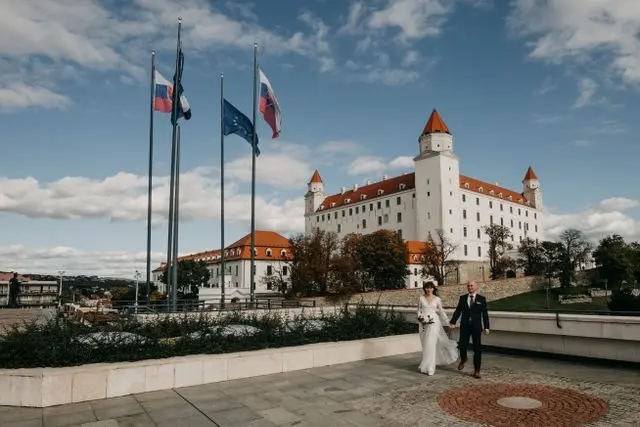
The castle is the city's defining landmark, a white four-towered building on a hill above the river. It has stood in some form for many centuries, and its current appearance comes largely from reconstruction in the twentieth century after a devastating fire in the early 1800s. Today it houses part of the Slovak National Museum, and the terraces and gardens offer some of the best views in the city.
Old Town and Main Square
The Old Town is where most visitors spend their time. Main Square is anchored by the Old Town Hall, a patchwork of building styles, and the nearby Maximilian Fountain, which dates from the sixteenth century. Walk the surrounding lanes to find palaces, courtyards and small galleries, and keep an eye out for the quirky bronze statues that give the centre much of its personality.
St. Martin's Cathedral
This Gothic cathedral was the coronation church of Hungarian rulers for nearly three centuries, a reminder that Bratislava once served as the Hungarian capital. Its tall tower once stood close to the city wall, and the interior is atmospheric and surprisingly spacious. It is a short walk from the castle and well worth a look.
Michael's Gate and the Primate's Palace
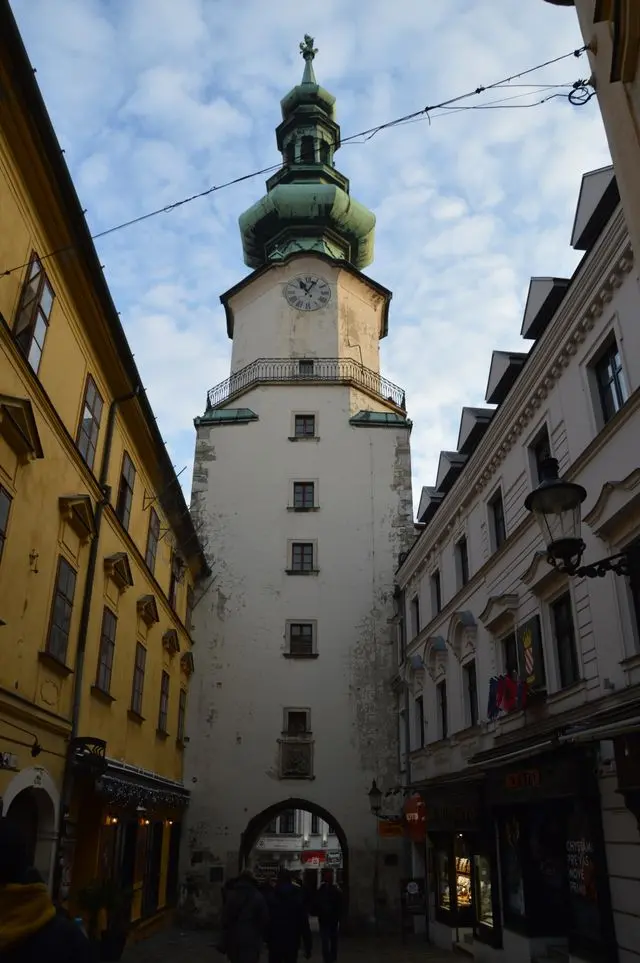
Michael's Gate is the only surviving medieval city gate, and its tower offers a convenient viewpoint over the Old Town. A few steps away, the neoclassical Primate's Palace is known for its Hall of Mirrors, where an important peace treaty was signed in 1805 following the Battle of Austerlitz. Both are easy additions to a stroll through the centre.
The Blue Church
The Church of St. Elizabeth, known as the Blue Church, looks like it was made from icing, with pale blue walls, curving gables and glazed blue roof tiles. It was completed in the early twentieth century in the Hungarian Secessionist style and remains one of the most photographed buildings in the city. It is a short walk from the Old Town.
UFO Observation Deck
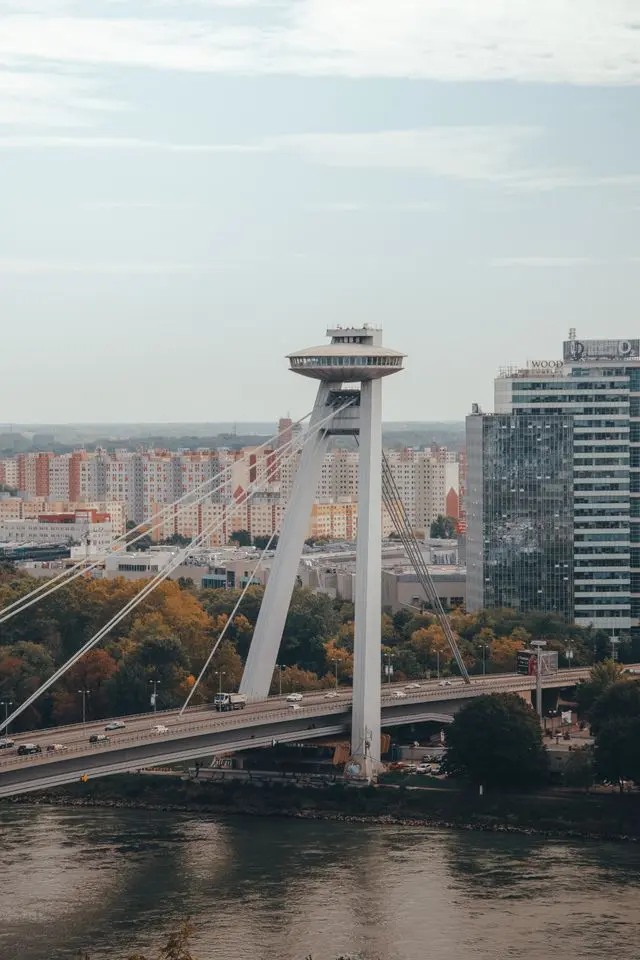
The Slovak National Uprising Bridge, with its tall single pylon and saucer-shaped structure at the top, is the city's most unusual landmark. The observation deck sits roughly 95 metres above the Danube, and a restaurant occupies the same space. It works best in clear weather or around sunset.
Devin Castle
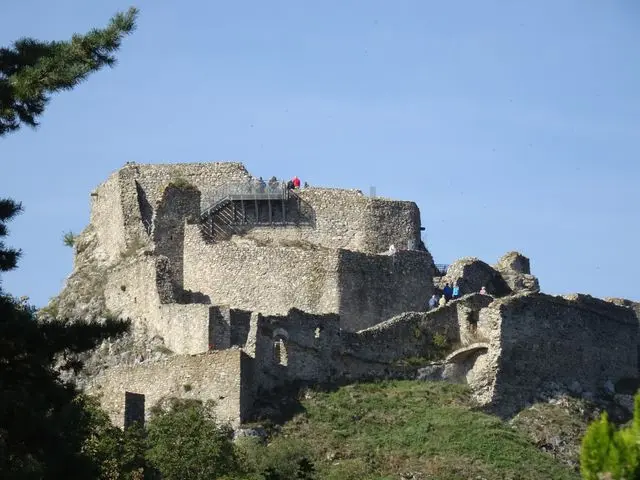
Perched on a rocky outcrop where the Morava River meets the Danube, Devin Castle is a ruined fortress that has guarded this crossing since ancient times. It lies a short bus ride from the centre, and the setting is as impressive as the stonework. Wear sturdy shoes and bring a camera.
Slavin Memorial and the Hillside Viewpoints
Slavin is a memorial and cemetery for Soviet soldiers who died in 1945, set on a hill above the city. The surrounding neighbourhood of embassies and villas is quiet and green, and the viewpoint gives a different perspective on the castle and river.
Things to Do in Bratislava
Beyond the main sights, Bratislava offers plenty of ways to fill a visit:
- Join a walking tour of the Old Town to hear the stories behind the statues and palaces
- Stroll the Danube promenade, especially around sunset, and enjoy the modern waterfront area
- Visit the museums and galleries covering Slovak history, art, music and design
- Sit on a terrace on Hviezdoslav Square and watch the city go by
- Take a short boat cruise on the Danube or try a river trip towards Vienna
- Explore Janko Kral Park, the oldest public park in Central Europe, across the river
- Catch a performance at the Slovak National Theatre, an elegant neo-Renaissance building from the late nineteenth century
- Go wine tasting in the city or in the nearby wine villages
The Bratislava Card is a tourist pass sold in 24, 48 and 72 hour versions, with or without public transport. It bundles a guided walking tour, free entry to a range of museums and galleries and discounts on other services, and it is aimed at visitors aged 16 and over. Compare the included sights with your own plans and confirm current details on the official tourism site before buying.

Local Experiences and Food
Slovak Specialities
The national dish is bryndzove halusky, soft potato dumplings tossed in tangy sheep cheese and topped with crispy bacon. Other staples include kapustnica, a smoky sauerkraut soup that is especially popular around Christmas, and hearty meat dishes served with dumplings or cabbage. For dessert, look for lokse, thin potato pancakes with sweet fillings, and Bratislava rolls, crescent pastries filled with walnut or poppy seed.
Wine and Spirits
The slopes of the Small Carpathians north of the city produce a wide range of wines, including whites such as Veltliner and Riesling. In autumn, look for burciak, a lightly fermented young wine that is a seasonal favourite. Spirits are part of local culture too, with borovicka, a juniper-flavoured spirit, and fruit brandies often served as an aperitif or after a meal.
Cafes, Craft Beer and Everyday Life
Coffee-house culture is strong here, and you will find cosy cafes with cake displays across the Old Town. Craft breweries and beer halls have multiplied in recent years, and many serve traditional food alongside local brews. For an everyday taste of Slovakia, try a bottle of Kofola, a popular herbal cola, and visit a farmers' market for cheese, sausages and seasonal produce.
Best Day Trips from Bratislava
The city is a convenient base for short trips, many of them by train, bus or boat.
- Vienna is roughly an hour away by train and also reachable by river boat, making it an easy addition for travellers with time
- The Small Carpathians wine route, including towns such as Pezinok and Modra, offers cellars, tastings and traditional ceramics
- Trnava, northeast of Bratislava, is a compact historic town sometimes called Little Rome for its many churches
- Danubiana, a modern art museum on a peninsula in the Danube, combines contemporary exhibitions with a riverside setting
- Budapest is a longer excursion, but it is possible as a day trip by train for those who want to cover more ground
Travel times and schedules change, so check timetables ahead of your trip.

Best Time to Visit Bratislava
Spring and Early Summer
From April to June, the city is green, outdoor terraces open up and temperatures are comfortable for walking. It is a lovely time for photography and for visiting castle gardens.
Late Summer and Autumn
Late summer can be hot, but evenings along the Danube are pleasant. Autumn is especially appealing for wine lovers, with harvest celebrations in the Small Carpathians and golden light over the hillsides.
Winter
Winters are cold, yet the Christmas markets in the Old Town bring warmth with mulled wine, grilled sausages and handmade crafts. Pack warm layers, and expect shorter days and the occasional fog or snow.
Getting Around and Where to Stay
The Old Town is compact and best explored on foot, although some streets are cobbled and uneven. Trams, buses and trolleybuses cover the wider city, including routes to Devin and the airport area. Buy a ticket from a machine or the official app and validate it where required, because inspectors do check.
Staying in or beside the Old Town puts you within walking distance of nearly everything, and the Eurovea waterfront area offers a more modern setting with riverside views. Budget-conscious travellers can look slightly farther out near tram lines, where rooms and apartments are often cheaper.
Practical Tips for First-Time Visitors
- Slovakia uses the euro, and cards are widely accepted, though small cafes and markets sometimes prefer cash
- English is common in restaurants, hotels and attractions, and German is also widely understood
- Bring comfortable shoes for the hill streets and cobblestones around the castle
- Visit the main sights early in the day in summer, when river cruise groups arrive
- Be wary of overpriced tourist menus in the central squares and compare prices on side streets
- Opening hours, ticket rules and transport fares change, so confirm details on official sites before your trip
- Bratislava is generally safe, though pickpockets can operate in crowded areas and on public transport
Conclusion
Bratislava is compact, characterful and surprisingly full of things to see. Its castle, river views, Blue Church and cosy Old Town lanes make a strong impression even in a short stay, while the nearby vineyards and Danube landscapes add depth for those who stay longer.
Leave time to wander, taste the local dishes and check practical details before you go. A weekend is enough to enjoy the highlights, and a few extra days let you experience the region at an easy pace.
Frequently Asked Questions
How many days do you need in Bratislava? +
One full day covers the Old Town, castle and Blue Church, and two days give time for the UFO deck, museums and a river walk. A third day lets you add Devin Castle or a wine trip.
Is Bratislava worth visiting? +
Yes, particularly if you enjoy small, walkable cities, riverside views and good-value food and wine. It also pairs well with Vienna or Budapest.
Is Bratislava expensive? +
It is generally cheaper than Vienna, with reasonably priced meals, coffee and local beer. Central Old Town restaurants and peak-season hotels cost more than neighbourhoods farther out.
Is the Bratislava Card worth buying? +
It tends to suit visitors who plan to see several museums, take the included walking tour and use public transport heavily. If you mainly want to wander the streets and take photographs, individual tickets may cost less.
Can I visit Bratislava as a day trip from Vienna? +
Yes. Trains and river boats make the trip simple, and the Old Town can be seen in a few hours, although an overnight stay gives you a more relaxed pace.
What is the best time of year to visit? +
Spring and early autumn offer the most comfortable weather and good conditions for sightseeing. December is popular for Christmas markets, while autumn appeals to wine lovers.
What local dish should I try first? +
Bryndzove halusky, potato dumplings with sheep cheese and bacon, is the most traditional choice. Pair it with a local beer or glass of Slovak white wine.