
Table of Contents
Introduction
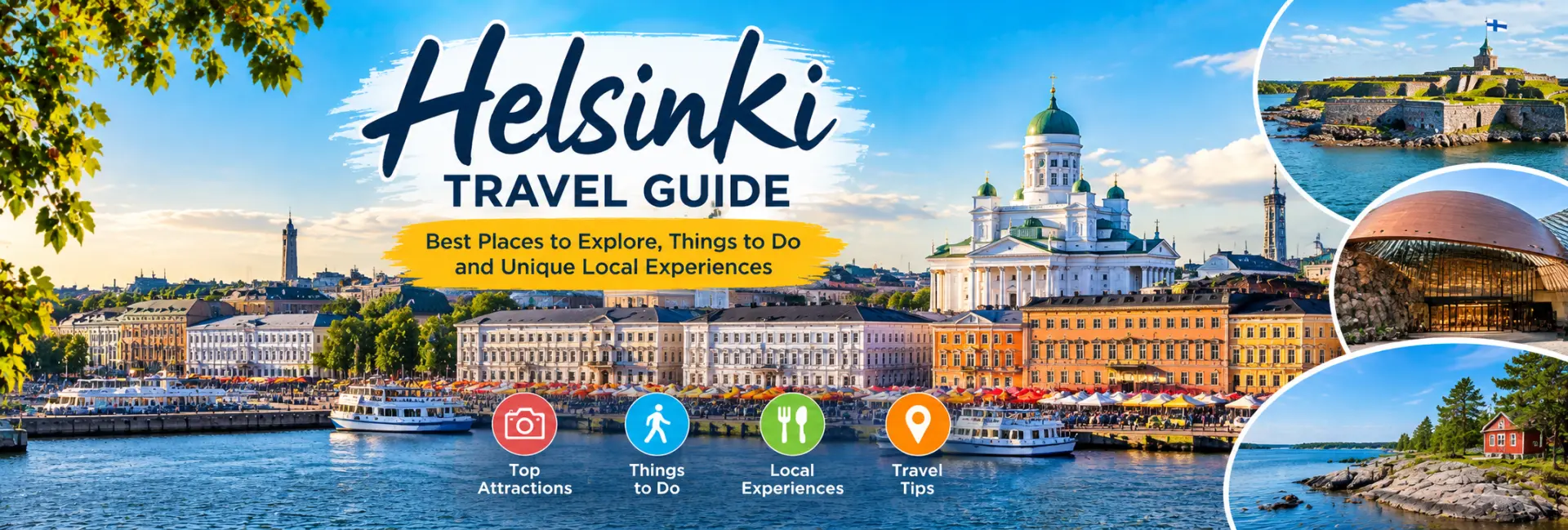
Helsinki rarely gets talked about with the same urgency as Stockholm or Copenhagen, and that is exactly what makes it worth visiting. Finland's capital sits on a peninsula surrounded by roughly 300 islands, and it wears its Baltic setting openly: ferries leave from the market square all day, public saunas line the waterfront, and green space is never more than a short walk away. The city center is compact enough to cover mostly on foot, but varied enough that a long weekend barely scratches the surface.
This guide covers the sights worth prioritizing, the neighborhoods that give Helsinki its character, the experiences that are genuinely Finnish rather than generically touristy, and a few practical details to make the trip run smoothly.
Best Places to Explore in Helsinki
Helsinki's landmarks are spread across a compact center, which makes it realistic to see most of the essentials in two to three days without constant rushing.
Suomenlinna Sea Fortress
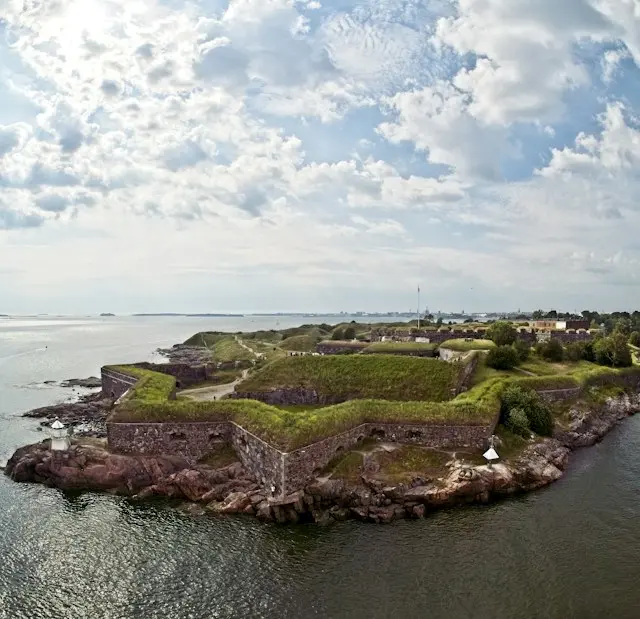
Suomenlinna is a sea fortress built across six linked islands, with construction beginning in 1748 under Swedish rule. It is now a UNESCO World Heritage Site and, unusually for a historic monument, still a living neighborhood, home to around 800 year-round residents. A public ferry from Market Square takes roughly 15 to 20 minutes and is covered by a standard Helsinki public transport ticket. Once there, the King's Gate, the old fortification walls, and the Suomenlinna Museum are worth a half-day on their own.
Senate Square and Helsinki Cathedral
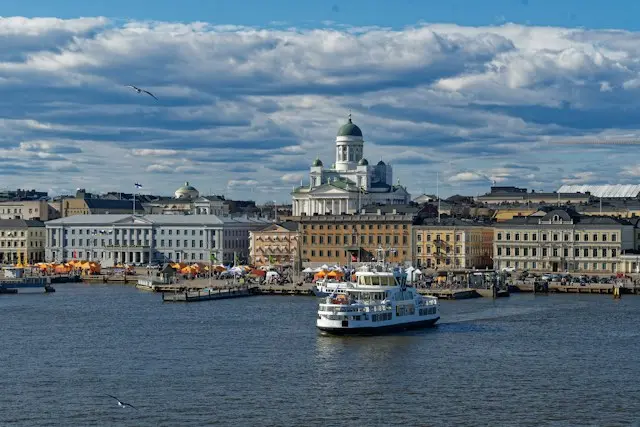
Senate Square was laid out in the early 19th century by architect Carl Ludwig Engel, and it remains the clearest snapshot of Helsinki's neoclassical core. Helsinki Cathedral, finished in 1852, anchors the square with its white facade and green dome, and its front steps function as an informal gathering spot for locals as much as a tourist photo stop.
Temppeliaukio Church (the Rock Church)
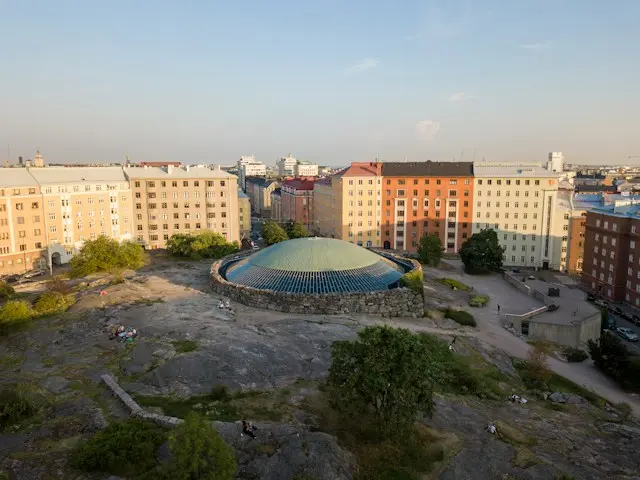
In the Töölö district, Temppeliaukio Church was carved directly into a granite outcrop and completed in 1969. Its rough rock walls and copper dome give it unusually good natural acoustics, which is why it regularly hosts concerts alongside religious services.
Uspenski Cathedral
Perched above the Katajanokka waterfront, Uspenski Cathedral is the largest Orthodox church in Western Europe, a visible reminder of Finland's period as a Russian Grand Duchy. Its red-brick exterior and gold onion domes stand out sharply against Helsinki's otherwise pale, neoclassical skyline.
Oodi Central Library
Oodi is less a traditional library than a public living room: a ground floor for events, a middle floor with a makerspace, recording studios, and 3D printers, and a top floor of reading space with a wraparound terrace looking out over the city. It is free to enter and consistently ranks among locals' favorite modern buildings in Helsinki.

Helsinki Neighborhoods Worth Discovering
Helsinki's neighborhoods each have a distinct personality, and moving between them is part of what makes the city rewarding to explore on foot.
- Kallio - the city's most bohemian district, known for affordable bars, craft beer, secondhand shops, and a younger, artsy crowd. It has less polish than the city center and more genuine local energy.
- Punavuori and the Design District - roughly 25 streets in the southern city center packed with independent boutiques, galleries, and the flagship stores of Finnish design brands like Marimekko, Iittala, and Artek.
- Katajanokka - a quieter, Art Deco waterfront district next to the city center, home to Uspenski Cathedral and easy ferry access to Suomenlinna.
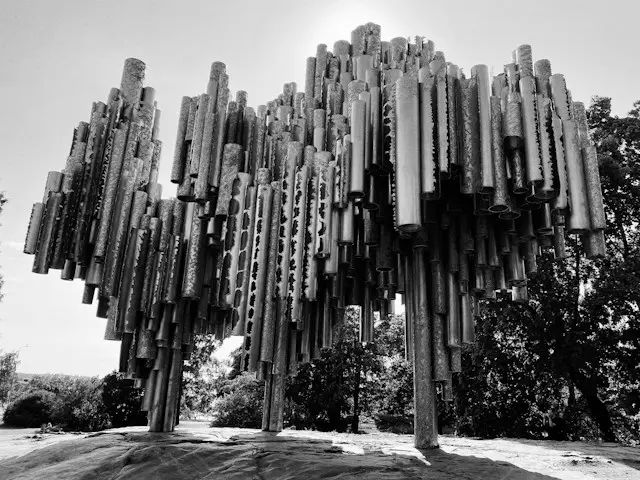
- Töölö - a leafy, largely residential area anchored by Sibelius Park, the Rock Church, the Olympic Stadium, and Finlandia Hall.
- Kamppi - the commercial heart of the city, built around the Kamppi shopping center and transit hub, and also home to the striking wooden Kamppi Chapel of Silence.
Top Things to Do in Helsinki
Beyond ticking off landmarks, Helsinki rewards visitors who build in time for slower, more immersive activities.
Island-Hop the Archipelago
Suomenlinna gets most of the attention, but Helsinki's public ferries and seasonal water buses reach several other islands worth a visit, including Vallisaari, a former military island turned nature reserve with walking trails and old ammunition depots repurposed as gallery spaces.
Spend an Afternoon in the Design District
Walking through Punavuori's design shops, antique dealers, and the Design Museum gives a clearer sense of Finnish design philosophy than any single souvenir purchase. Entry to the district itself is free; the Design Museum charges a modest admission fee.
Browse Market Square and the Old Market Hall
Kauppatori, Helsinki's harborside market square, sells everything from fresh berries to reindeer skins, while the adjoining Old Market Hall, dating to 1889, houses stalls selling smoked fish, cheese, and traditional Finnish pastries under one roof.
Take In the City's Art Museums
The Ateneum Art Museum holds Finland's largest collection of classical Finnish and European art, while Kiasma focuses on contemporary work in a curved, light-filled building near the central railway station. Both are manageable in two to three hours each.
Visit Linnanmäki
For a lighter afternoon, Linnanmäki amusement park has operated since 1950 and mixes vintage wooden roller coasters with modern rides, all set on a hillside a short tram ride from the center.

Unique Local Experiences You Shouldn't Miss
Some of Helsinki's most memorable moments come from joining in on everyday Finnish rituals rather than sightseeing in the traditional sense.
Go to a Public Sauna
Helsinki has around 60 public saunas, more than almost any other capital city, ranging from century-old neighborhood saunas like Kotiharjun Sauna in Kallio to modern waterfront venues like Löyly, which pairs a sauna session with a plunge into the Baltic Sea and a rooftop terrace for cooling off afterward.
Swim Year-Round at Allas Sea Pool
Allas Sea Pool sits right on the harbor next to Market Square and combines heated pools with an unheated seawater pool, open through the winter for visitors willing to try cold-water swimming alongside locals who do it regularly.
Time a Visit Around a Local Festival
Vappu, Finland's May Day celebration, fills the city's parks with picnics and student traditions each spring, while the Helsinki Festival brings weeks of concerts, theater, and public art across the city every August.
Explore Helsinki's Underground Spaces
Helsinki has built extensively into the bedrock beneath the city, and several of these underground spaces, including a swimming hall and rotating art exhibitions, are open to visitors curious about a side of the city most tourists never see.
Experience an Inclusive, Laid-Back Local Scene
Helsinki has an active and openly welcoming LGBTQIA+ scene woven into its cafes, bars, and cultural events rather than confined to one district, which fits the city's broader, understated approach to inclusivity.
Where to Eat and Drink Like a Local
Helsinki's food scene has shifted noticeably toward sustainable, seasonal cooking in recent years, while still keeping its traditional dishes firmly on the menu.
- Start the day with a Karelian pasty (a rye pastry filled with rice porridge, traditionally topped with egg butter) or rye bread with smoked salmon and dill, available at most neighborhood cafes.
- Visit Cafe Ekberg, Helsinki's oldest cafe, for coffee and a slice of Napoleon cake in a setting largely unchanged for over a century.
- Try Finnish staples like salmon soup, rye bread, and reindeer dishes at a mid-range restaurant in the city center for a straightforward introduction to local cuisine.
- Head to Kallio for craft beer bars and casual, fusion-leaning restaurants favored by locals rather than tourists.
- Look for restaurants that highlight foraged and seasonal Nordic ingredients, a defining feature of Helsinki's newer wave of chef-driven dining.

Where to Stay in Helsinki
Helsinki is compact enough that almost any central neighborhood puts most sights within walking distance or a short tram ride, so the right base usually comes down to atmosphere and budget rather than convenience.
- City Center / Kamppi - the most convenient option for first-time visitors, with easy access to Senate Square, Market Square, and the main transit hub, though hotel rates here tend to run higher than elsewhere.
- Katajanokka - a quieter, more residential choice with Art Deco charm and Uspenski Cathedral nearby, well suited to travelers who want a calmer base close to the Suomenlinna ferry.
- Punavuori / Design District - a good fit for travelers prioritizing design, shopping, and a good concentration of restaurants and cafes within walking distance.
- Kallio - the most budget-friendly of the central neighborhoods, popular with younger travelers for its bars and casual dining, with a slightly grittier, more local feel than the city center.
- Töölö - a leafy, residential option near Sibelius Park and the Rock Church, appealing to visitors who prefer a quieter, more park-adjacent stay while remaining a short tram ride from the center.
Booking several weeks ahead is worth it in summer and around major events like the Helsinki Festival, when central hotel availability tightens noticeably.
Practical Tips for Visiting Helsinki
A little planning goes a long way toward making a Helsinki trip run smoothly, especially around transport and timing.
Getting Around
Helsinki's public transport network, run by HSL, covers trams, buses, the metro, and the Suomenlinna ferry under a single ticket system, and the city center is small enough that many sights are within easy walking distance of each other.
When to Visit
Late May through August brings long daylight hours, outdoor events, and the liveliest atmosphere in the city's parks and market square, while winter offers a quieter, snow-covered version of the city along with the chance to try sauna and cold-water swimming as locals do them in season.
Money and Costs
Finland uses the euro, and card payments are accepted almost everywhere, including at market stalls, so carrying much cash is rarely necessary.
Day Trips
Porvoo, a well-preserved medieval town with colorful riverside warehouses, and Espoo, home to the Nuuksio National Park for hiking, are both reachable from Helsinki in under an hour and make easy additions to a longer stay.
Conclusion
Helsinki works well precisely because it does not try too hard to impress. Its landmarks are genuinely worth seeing, but the city's real character comes through in its saunas, its islands, its design shops, and its unhurried relationship with the sea. Whether the trip is two days or a full week, building in time for at least one slow, local ritual, whether that is a sauna, a ferry ride, or an afternoon in the Design District, is what tends to make a Helsinki visit memorable rather than just efficient.
Frequently Asked Questions
How many days should I plan for a Helsinki trip? +
Three to four days is enough to cover the main landmarks, one neighborhood deep-dive, and a sauna or island excursion without rushing; two days works for a highlights-only visit.
Is Suomenlinna worth visiting if I only have one full day in Helsinki? +
Yes, since the ferry ride is short and included in a standard transport ticket, and even a two- to three-hour visit covers the fortress walls, the King's Gate, and the museum.
What is the best time of year to visit Helsinki? +
Late May through August offers the longest daylight and the most outdoor activity, while winter suits visitors who want to experience sauna culture and cold-water swimming the way locals do.
Do I need to speak Finnish to get around Helsinki? +
No, English is widely spoken in shops, restaurants, and transport, so a lack of Finnish is rarely a practical barrier for visitors.
Is Helsinki an expensive city to visit? +
It is on the pricier side for dining and accommodation compared to many European capitals, though free attractions like Esplanadi Park, the Design District, and Suomenlinna's outdoor areas help balance out the cost of a trip.
What should first-time visitors not skip? +
Senate Square and Helsinki Cathedral, a ferry to Suomenlinna, and at least one public sauna session cover the combination of history, nature, and local culture that defines the city.
Is Helsinki a good destination for a short layover? +
Yes, since the airport is well connected to the city center by train, and even a half-day is enough to see Senate Square, Market Square, and the Design District.
Are day trips from Helsinki worth the time? +
For a longer stay, yes; Porvoo's old town and Espoo's Nuuksio National Park are both under an hour away and offer a different pace than the capital itself.