
Table of Contents
Introduction
Oslo's headline attractions, the Viking Ship Museum, Vigeland Park, the Opera House, are worth their reputation, but they only tell part of the story. Beyond the well-trodden routes, the city holds a quieter layer: hillside streets lined with wooden houses, cemeteries that double as open-air galleries, and neighborhood spots that rarely make it onto a first-time visitor's list.
This guide is built around that quieter layer. It covers the streets worth wandering without a destination in mind, a handful of spots locals return to again and again, and a few attractions that get overshadowed by Oslo's bigger names despite being just as worthwhile.
Charming Streets to Wander
Damstredet and Telthusbakken
These two cobblestone streets in the Gamle Aker district climb a steep hill lined with brightly painted 18th and 19th-century wooden houses, some of the oldest surviving buildings in Oslo. They were originally workers' cottages and have since become one of the city's most photographed but still relatively quiet corners, especially early in the morning.
Rodeløkka
Northeast of the city center, this small former working-class neighborhood is filled with pastel-colored wooden houses on narrow, quiet streets that feel more like a village than part of a capital city. It sits just far enough from the main tourist routes that it rarely gets crowded, even in peak summer.
Kampen
Another former working-class district, Kampen has a similar wooden-house charm to Rodeløkka but with a slightly more bohemian, artsy feel, including independent cafes and small galleries tucked into converted homes. Kampen Park, at the edge of the neighborhood, is a good spot to pause and take in the surrounding rooftops.

Secret Spots Locals Love
Vår Frelsers Gravlund (The Cemetery of Our Saviour)
This 19th-century cemetery in the city center functions almost like a sculpture park, with elaborate headstones set among mature trees and a dedicated "Æreslunden" (Grove of Honor) where notable Norwegians, including Henrik Ibsen and Edvard Munch, are buried. It's a peaceful, reflective walk that most visitors overlook entirely.
Emanuel Vigeland Museum
Easily confused with the much more famous Vigeland Park, this small, dimly lit mausoleum-style museum was built by the sculptor's less well-known brother and is covered floor to ceiling in dramatic, unrestrained frescoes. Visitors are given a candle-lit tour of sorts, since the space relies on minimal lighting, and it rarely draws a crowd.
Sukkerbiten
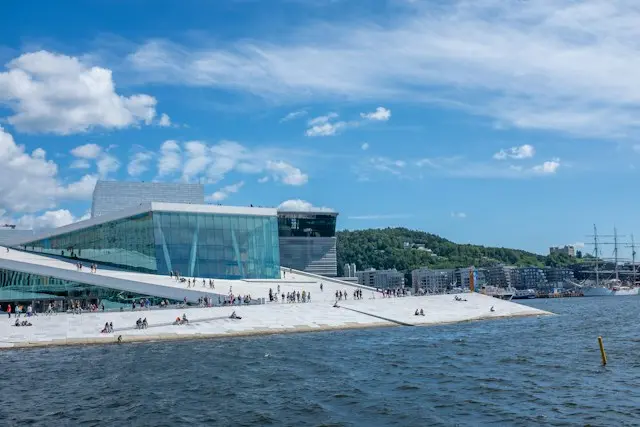
This small artificial island near the Opera House, connected by a short bridge, is a favorite local spot for a quiet moment by the water without leaving downtown. A sculpture called "She Lies" floats just offshore, and the island offers a different angle on the Opera House's white marble roofline than the more photographed approach from the front.
Langøyene Island
A short ferry ride from the harbor, this car-free island in the Oslofjord has grassy swimming beaches and a laid-back, unofficial nudist tradition on one side, popular with locals rather than visitors. It's a good option for a slower, beach-focused afternoon that most itineraries skip entirely.
Lesser-Known Attractions Worth Seeking Out
Ekebergparken Sculpture Park
Set on a forested hillside overlooking the fjord, this sculpture park combines contemporary and historic artworks with walking trails and panoramic city views. It's free to enter and considerably quieter than Vigeland Park, despite offering a comparable, if smaller-scale, outdoor art experience.
Herregårdskroken
Tucked into the Bygdøy peninsula near the museum district, this cluster of preserved 18th-century wooden houses feels like a small, self-contained village frozen in time. It sits close enough to the Viking Ship Museum and Kon-Tiki Museum that it's easy to combine, yet most visitors walk straight past it.
Deichman Bjørvika Rooftop
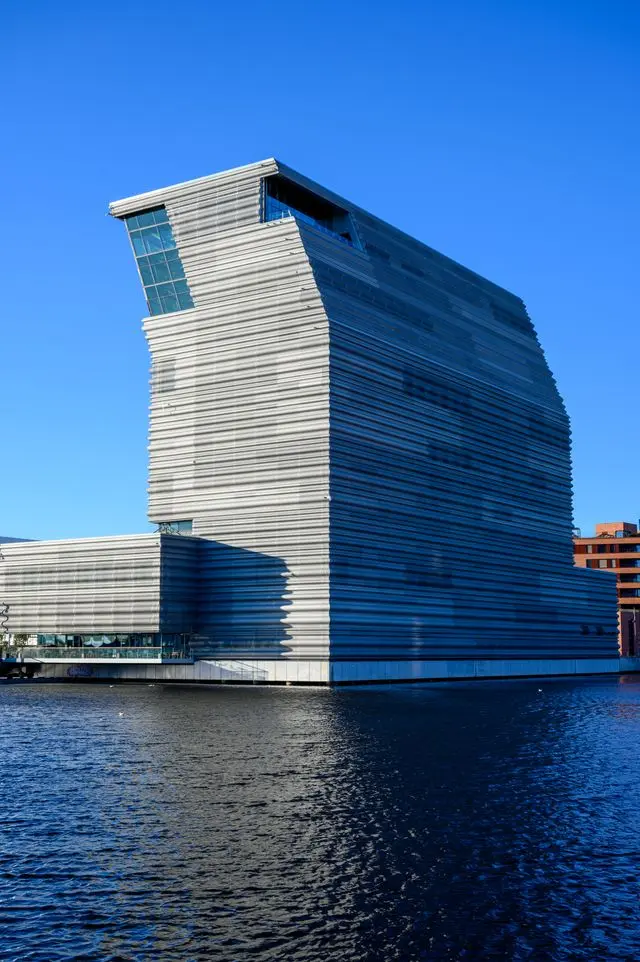
Oslo's main public library, a striking modern building near the Opera House, has a rooftop terrace open to the public with free views over the harbor and city skyline. Unlike the nearby Opera House roof, which draws steady crowds, the library rooftop is often nearly empty.


Best Time to Visit for a Quieter Experience
Many of Oslo's hidden spots are at their best outside the peak summer months, when the city's better-known attractions draw the largest crowds. Late spring (May) and early autumn (September) tend to offer a good mix of mild weather and thinner crowds, making it easier to enjoy places like Ekebergparken or the Deichman Bjørvika rooftop without competing for space.
Weekday mornings are consistently the quietest time to explore neighborhoods like Damstredet, Telthusbakken and Rodeløkka, since residents are at work and tour groups have not yet arrived. Winter brings its own appeal, particularly for a quiet walk through Vår Frelsers Gravlund under snow, though shorter daylight hours mean planning outdoor visits earlier in the day.
Conclusion
Oslo's biggest attractions earn their popularity, but the city's quieter corners are what tend to stick with visitors afterward. A walk down Telthusbakken, an hour among the sculptures at Vår Frelsers Gravlund, or an afternoon on Langøyene island all offer a version of Oslo that feels personal rather than curated for tourism. Building even one or two of these into a trip is usually enough to notice the difference.
Frequently Asked Questions
Are these hidden gems in Oslo hard to reach? +
Most are within walking distance of the city center or a short ride on Oslo's public transport, including the ferries to islands like Langøyene, so none require extensive travel or planning.
Is Ekebergparken free to visit? +
Yes, Ekebergparken is a free, open-air sculpture park, though individual venues within it, such as the restaurant, operate separately.
What is the difference between the Vigeland Park and the Emanuel Vigeland Museum? +
Vigeland Park was created by sculptor Gustav Vigeland and is one of Oslo's most visited sites, while the Emanuel Vigeland Museum is a much smaller, lesser-known mausoleum built by his brother, a painter and sculptor in his own right.
Is Langøyene Island suitable for families? +
Yes, the island has grassy beaches and swimming areas suitable for families, though visitors should note that one section is known informally for nude sunbathing.
When is the best time to explore Oslo's quieter neighborhoods? +
Weekday mornings tend to be quietest, and late spring through early autumn offers the best weather for walking through neighborhoods like Rodeløkka, Kampen and Telthusbakken.
Do I need a guide to find these spots? +
No, all of the places mentioned are accessible independently on foot or by public transport, and most are marked on standard mapping apps.