
Table of Contents
Introduction
Belgrade sits where the Sava River meets the Danube, a strategic position that has made it a prize for empires for more than two thousand years. Celts, Romans, Byzantines, Ottomans and Habsburgs all fought over this hill above the rivers, and the city has been damaged and rebuilt many times. That turbulent past gives modern Belgrade a restless, creative energy that visitors notice almost immediately.
This guide covers the sights most worth your time, activities for different travel styles, the foods and traditions that shape everyday life, and the practical details that help a first visit run smoothly.
Why Visit Belgrade
Belgrade is not a tidy, polished capital, and that is much of its charm. It is a city of layered architecture, strong coffee, long dinners and late nights, where locals are happy to chat and nothing feels hurried. It also offers excellent value compared with many European capitals.
A few reasons to go:
- A great hilltop fortress with sweeping views over two rivers
- One of Europe's liveliest nightlife scenes, including floating clubs on the water
- Hearty, generous Balkan food and a strong cafe and kafana culture
- A mix of Ottoman, Austro-Hungarian, socialist and contemporary architecture
- Easy access to historic towns, monasteries, vineyards and river landscapes

Best Places to Visit in Belgrade
Belgrade Fortress and Kalemegdan Park
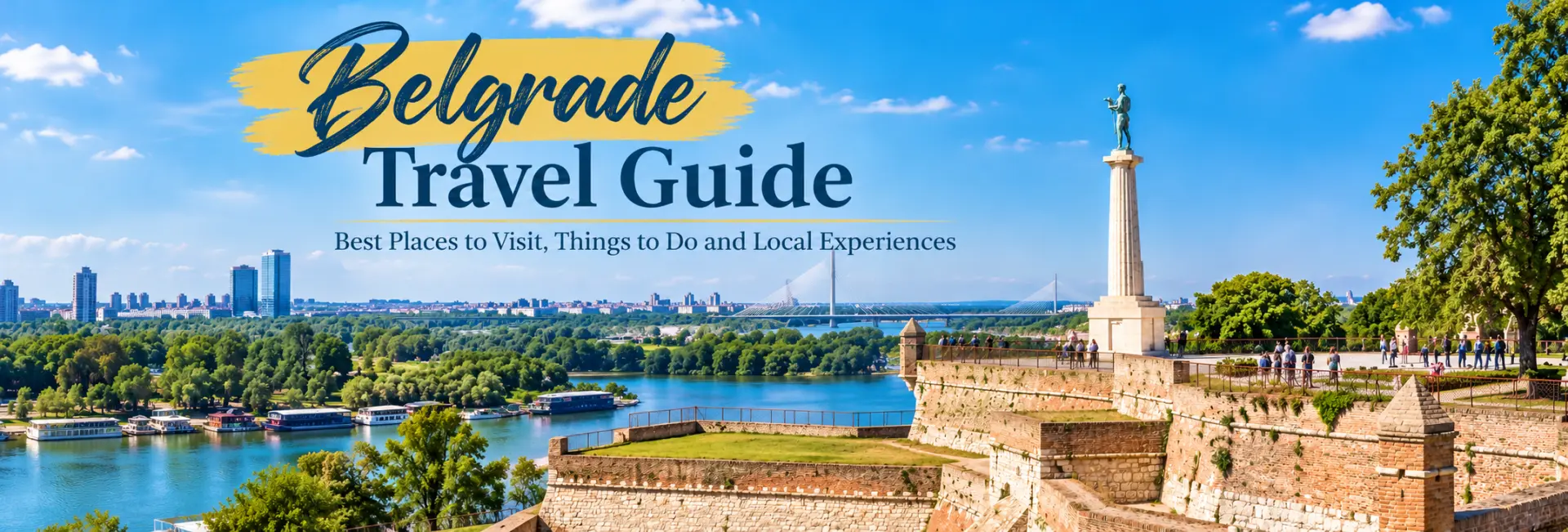
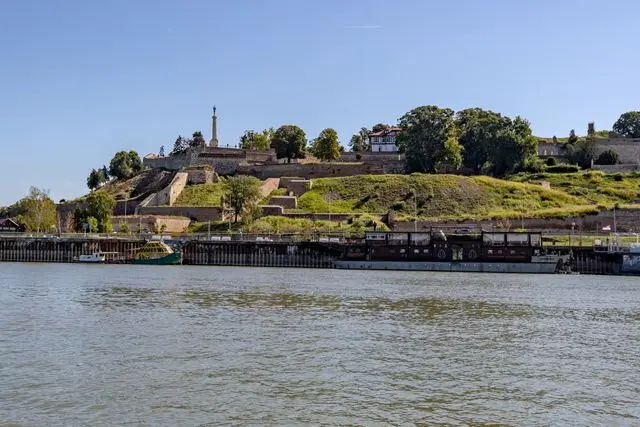
The fortress is the city's historic heart, rising above the meeting point of the Sava and the Danube. Its walls, gates and towers span several periods, and the surrounding Kalemegdan Park is a favourite place for walks, picnics and sunset views. The Victor monument, a bronze figure standing on a tall column, is one of Belgrade's best-known symbols and a good spot for photographs.
Knez Mihailova Street and Republic Square
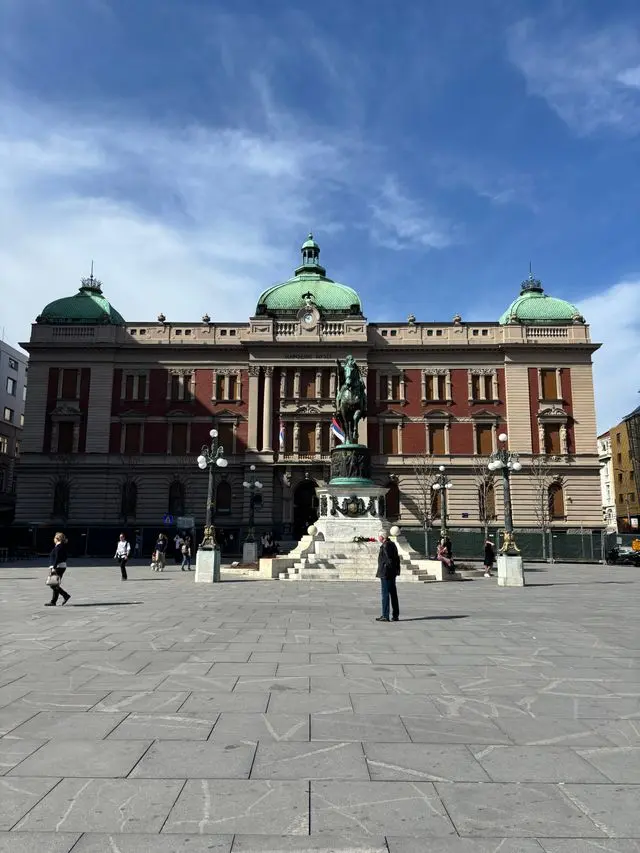
Knez Mihailova is the main pedestrian street, lined with nineteenth-century buildings, shops, bookstores and cafes. It leads to Republic Square, where the equestrian statue of Prince Michael, the National Museum and the National Theatre create a lively meeting point. Locals often say they will meet "at the horse," and you will quickly see why.
Skadarlija
Skadarlija is a cobbled bohemian quarter that once attracted poets, painters and actors. Today its traditional taverns, known as kafanas, serve classic Serbian dishes to the sound of live folk or brass music. It is touristy, but it is also atmospheric, particularly in the evening.
Temple of Saint Sava
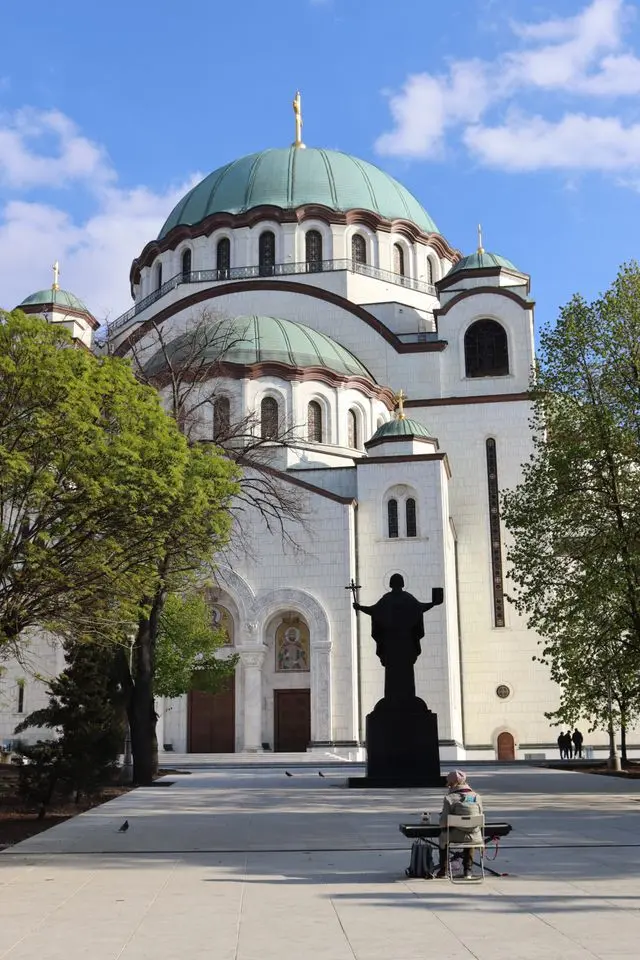
One of the largest Orthodox churches in the world, the Temple of Saint Sava dominates the skyline with its white marble walls and giant dome. Construction has continued in stages for decades, and the interior mosaics and decoration have been added gradually. The site is tied to the memory of Saint Sava, the founder of the Serbian church, and it remains an active place of worship.
Nikola Tesla Museum
This small museum celebrates the inventor Nikola Tesla, who was born in the region and is honoured across Serbia. Guided visits include hands-on demonstrations of electrical effects and display personal items, with an urn holding Tesla's ashes as a centrepiece. Tours run at set times, so check the schedule and consider booking in advance.
Museum of Yugoslavia and the House of Flowers
The Museum of Yugoslavia looks at the history of the former federation and houses gifts and memorabilia connected to its leader, Josip Broz Tito. His mausoleum, the House of Flowers, stands in the same complex. It is a thought-provoking place for anyone curious about twentieth-century Balkan history.
Zemun
Zemun was once a separate Austro-Hungarian town on the Danube and still feels distinct from central Belgrade. Its baroque streets, riverside promenade and fish restaurants are especially pleasant on warm evenings. The Gardos Tower, a short climb above the old town, offers a view across the river.
Ada Ciganlija and the River Life
Ada Ciganlija is a river island turned lake-side recreation area, popular with swimmers, cyclists and families in summer. Along the Sava and Danube, floating venues known as splavovi host restaurants, bars and clubs. They are among the best-known features of Belgrade's night scene.
Things to Do in Belgrade
Beyond the main sights, Belgrade offers plenty of ways to fill your days:
- Take a walking tour of the old town to learn how the city was shaped by repeated conflicts and reconstruction
- Watch the sunset from the fortress terraces as the rivers turn gold
- Visit museums covering art, archaeology, aviation, military history and the life of Tesla
- Rent a bike or walk along the riverbanks, especially around the Sava promenade
- Have a long dinner in a traditional kafana with live music
- Try the cafe scene in Dorcol, a neighbourhood with relaxed terraces and independent shops
- Spend a hot afternoon at Ada Ciganlija, swimming or relaxing by the water
- Go out at night, whether to a floating club, a jazz bar or a late-night snack stand
Belgrade will also host Expo 2027, a specialised world exposition scheduled for 15 May to 15 August 2027 on a site near the airport. If you plan to travel during that period, expect busier hotels and higher prices, and confirm dates and ticket details on the official Expo channels.

Local Experiences and Food
Grills and Balkan Classics
Cevapi, small grilled minced-meat sausages served in flatbread with chopped onion and creamy kajmak, are the classic quick meal. Pljeskavica, a large seasoned patty, is another staple. Look for sarma, cabbage rolls stuffed with meat and rice, and prebranac, a baked bean dish that is hearty and filling.
Bakeries and Breakfast
Burek, a flaky pastry filled with cheese, meat or spinach, is eaten at breakfast or as a snack, often with a glass of drinkable yogurt. Bakeries are open from early morning, and a stop at one is a quick way to eat like a local. Ajvar, a relish of roasted red peppers, appears on tables as a spread and side.
Rakija, Wine and Coffee
Rakija, a fruit brandy that is often plum-based and known as sljivovica, is the national spirit and is typically offered as a welcoming drink. Serbia also makes wine in regions such as Vojvodina and around Fruska Gora, and the craft beer scene has expanded in recent years. Coffee is a social ritual, so expect to linger over a cup rather than rush through it.
Customs and Social Life
The slava, a family celebration of a patron saint, is an important tradition recognised by UNESCO as part of the world's intangible cultural heritage. Hospitality is a point of pride, and hosts often insist that guests eat and drink more. Both the Cyrillic and Latin alphabets are used in everyday life, so you will see each on signs and menus.
Best Day Trips from Belgrade
Belgrade is a convenient base for exploring the Danube region and northern Serbia.
- Novi Sad, about an hour away by train or bus, has a colourful old centre and the large Petrovaradin Fortress above the Danube
- Sremski Karlovci and Fruska Gora National Park offer baroque architecture, hilltop monasteries and local wine cellars
- Smederevo has an imposing medieval fortress on the Danube and makes an easy half-day outing
- Viminacium is an archaeological site of a Roman city and military camp, with a museum showcasing finds
- Golubac Fortress and the Iron Gates gorge, farther east, offer dramatic river scenery for those with a full day to spare
Travel times and visitor access vary, so confirm schedules and opening hours before heading out.

Best Time to Visit Belgrade
Spring and Early Summer
April to June has mild weather, blossoming parks and terraces filling up. It is one of the best times for walking and day trips.
Summer
Summers can be very hot, but the river clubs, outdoor concerts and festivals bring the city to life. Plan sightseeing for the morning or evening and use the afternoon for the river or a cool cafe.
Autumn
September and October are mild and pleasant, with fewer crowds and good conditions for exploring the fortress, parks and surrounding vineyards.
Winter
Winters are cold and can be grey, though the city's cafes, museums and cosy kafanas make it a rewarding season for travellers who like atmosphere over sunshine.
Getting Around and Where to Stay
Central Belgrade is walkable, with Knez Mihailova, the fortress and Skadarlija all within a reasonable stroll of each other. For farther destinations, buses, trams and trolleybuses cover the city, and licensed taxis or ride-hailing apps are common. The city currently relies on surface transport, so allow extra time during rush hour and check on any new transport projects before you travel.
Staying near Republic Square or Knez Mihailova puts you close to the main sights and nightlife, though noise can be an issue on weekends. Dorcol and Vracar offer a more local atmosphere, with cafes, bakeries and quieter streets within a short ride of the centre.
Practical Tips for First-Time Visitors
- Serbia uses the dinar rather than the euro, and while cards are widely accepted in cities, a little cash is useful for markets and small shops
- Serbia is not part of the European Union or the Schengen Area, so check the entry requirements for your nationality before you travel
- English is widely spoken among younger people and in hospitality
- Take licensed taxis or use a ride-hailing app, and agree on the fare or check the meter before you set off
- Dress modestly when visiting churches and monasteries
- Opening hours, ticket rules and transport fares change, so confirm details close to your travel date
- Belgrade is generally safe, but keep an eye on belongings in crowded places and at nightlife venues
Conclusion
Belgrade rewards visitors who come with curiosity and a good appetite. Its fortress views, bohemian streets, strong coffee and lively nights create an atmosphere that is hard to find elsewhere in Europe. It is a city that feels real, unpolished and welcoming.
Leave time to wander, eat well and accept the occasional invitation from a local. Confirm practical details before you go, and Belgrade is likely to stay with you long after the trip ends.
Frequently Asked Questions
How many days do you need in Belgrade? +
Two days cover the fortress, Knez Mihailova, Skadarlija and the Temple of Saint Sava. Three or four days leave time for museums, Zemun, nightlife and a day trip to Novi Sad.
Is Belgrade worth visiting? +
Yes, especially for travellers who enjoy history, food and nightlife in a less touristy setting. It suits friends, couples and solo travellers alike.
Is Belgrade expensive? +
It is generally affordable, with low prices for meals, coffee and local transport compared with western Europe. Costs can rise during major events and the summer season.
What currency is used in Belgrade? +
Serbia uses the dinar. Euros are not normally accepted for everyday payments, so use cards or withdraw cash from ATMs.
Do I need a visa to visit Serbia? +
Entry rules depend on your nationality, and Serbia is not in the Schengen Area. Check the official government guidance for your passport before you travel.
What is the best time of year to visit? +
Late spring and early autumn have the most comfortable weather, while summer is best for river nightlife. Winter is cold but quieter and cosy.
What local food should I try? +
Cevapi with kajmak, burek, pljeskavica and sarma are good starting points. Finish with a small glass of rakija if you like strong spirits.