
Table of Contents
- Introduction
- Charming Streets and Squares Off the Tourist Trail
- Secret Spots Locals Love
- Lesser-Known Attractions Worth Seeking Out
- Hidden Gem Neighborhoods to Explore
- Where to Eat Away From the Crowds
- Where to Stay Near Porto's Hidden Gems
- Practical Tips for Exploring Porto's Hidden Side
- Conclusion
Introduction
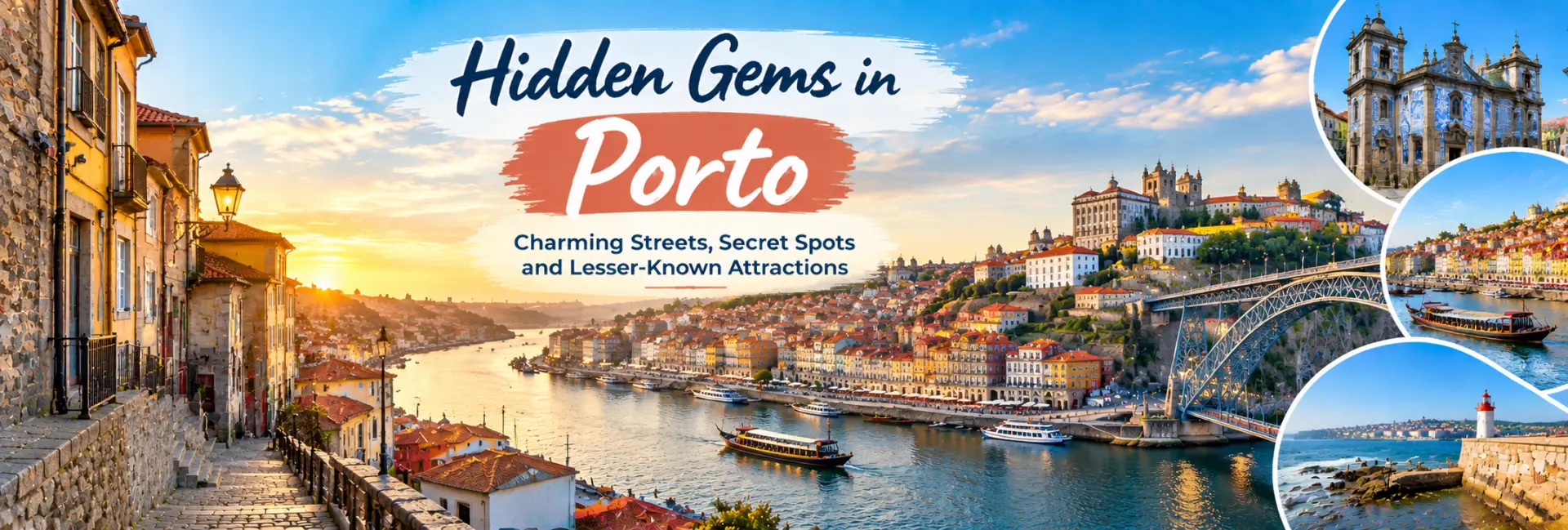
Porto's riverside Ribeira district, its port wine cellars, and the ornate Livraria Lello draw the bulk of first-time visitors, and for good reason. But spend even one extra day wandering past the main sights and the city opens up into something quieter: tiled backstreets with no queues, viewpoints with a fraction of the crowd, and small museums that rarely make the standard itinerary.
This guide moves past the landmarks everyone already knows about and focuses on the streets, spots, and neighborhoods that tend to get discovered by accident, or by asking a local rather than a guidebook.
Charming Streets and Squares Off the Tourist Trail
Some of Porto's most photogenic corners sit just a few streets away from the main tourist routes, close enough to reach on foot but quiet enough to feel like a discovery.
Largo da Pena Ventosa
This small square in the historic center is easy to walk past without noticing, but its pastel facades, uneven stone steps, and scattered plant pots give it a lived-in charm that busier squares nearby have lost to souvenir shops.
Rua das Flores, Early in the Morning
Rua das Flores has become better known in recent years for its boutiques and cafes, but arriving before mid-morning, when shutters are still closing and the street is nearly empty, shows a different side of it than the version most visitors experience in the afternoon crowds.
Miradouro da Vitória
Where the Miradouro da Serra do Pilar across the river draws steady crowds for its view, Miradouro da Vitória offers a comparable rooftop panorama over the Douro from the Porto side, usually with far fewer people sharing the railing.
The Narrowest House in Porto
Wedged between the Igreja do Carmo and the Igreja dos Carmelitas, a slim house barely a meter wide sits in the gap between the two churches, built, according to local tradition, to keep the two religious orders from sharing a common wall. It is easy to miss unless you know to look for it.

Secret Spots Locals Love
Beyond individual streets, a handful of small venues and corners have become favorites among Porto residents precisely because they have stayed under most visitors' radar.
Capela Incomum
A former chapel converted into a wine and tapas bar, Capela Incomum keeps much of its original religious architecture intact, creating an unusual, candlelit setting for an evening glass of Douro wine.
CC Bombarda
This small, independently run shopping space near the Miguel Bombarda arts district trades the polish of a typical mall for concept stores, oddball design objects, and a more curated, local feel.
Jardins do Palácio de Cristal, Away from the Main Paths
The gardens themselves are increasingly well known for their river views, but wandering the quieter side paths away from the main lawn, where peacocks roam and the crowds thin out, still feels like a genuine escape from the city center.
Passeio das Fontainhas
This riverside walkway sits below the busier Ribeira embankment and offers similar Douro views, colorful facades, and photo opportunities with a noticeably calmer atmosphere.
Lesser-Known Attractions Worth Seeking Out
Porto's smaller museums and overlooked sites rarely make a first-time visitor's checklist, but several are worth the short detour.
Museu do Carro Eléctrico (Tram Museum)
Housed in a former power station, this museum traces Porto's vintage tram network through beautifully restored cars, appealing to visitors who enjoyed riding tram line 1 along the river and want to see the history behind it.
Catacombs of Igreja de São Francisco
Beneath the gilded interior of São Francisco Church lies a crypt and catacombs filled with human remains and centuries-old burial chambers, a considerably eerier counterpart to the church's famous gold-leaf woodwork upstairs.
Capela das Almas
Covered in roughly 15,000 blue-and-white azulejo tiles depicting religious scenes, this chapel sits on a busy shopping street yet is frequently walked past by visitors focused on nearby stores rather than the building itself.
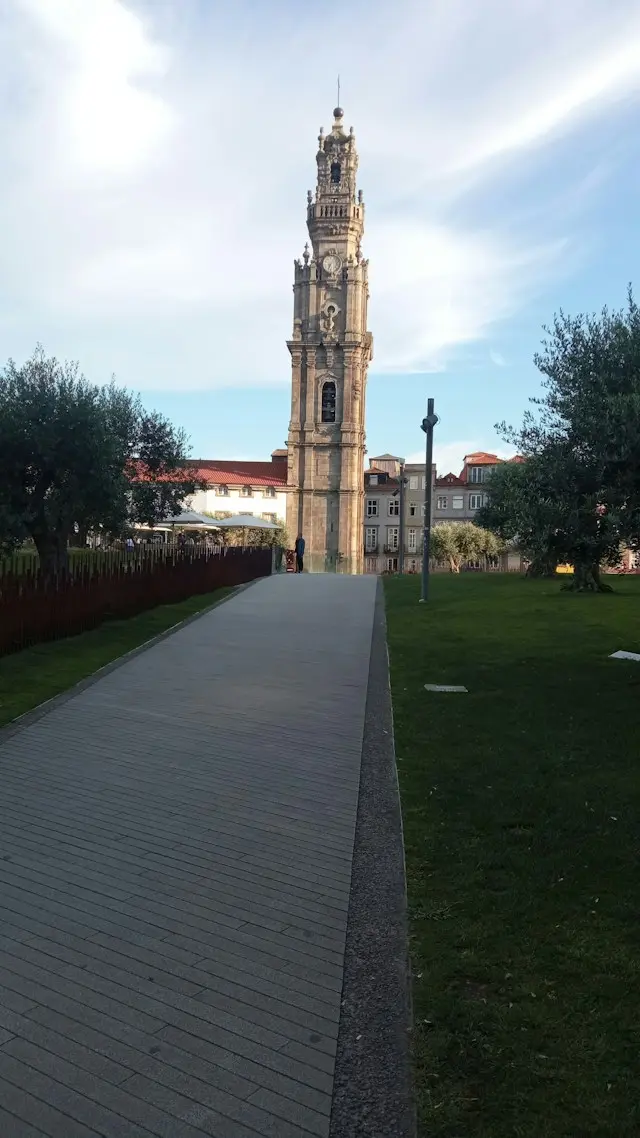
Nossa Senhora da Conceição Church and Tower
Climbing the tower's roughly 200 steps leads to one of the city's lesser-visited panoramic viewpoints, along with a close-up look at the mechanism driving the church's 18-bell carillon.
Rua Miguel Bombarda's Gallery Scene
This street has quietly become Porto's contemporary art hub, lined with independent galleries, design studios, and street art that shift the mood entirely from the historic center just a short walk away.

Where to Eat Away From the Crowds
Porto's food scene has plenty to offer once you move a block or two away from the restaurants lining the main riverfront.
- Café Piolho, in business for over a century, remains a center of student life and a good spot for an unpretentious coffee or drink away from tourist-focused cafes.
- Mercado do Bolhão, the city's historic market hall, draws far fewer visitors than Ribeira's riverfront restaurants while offering fresh produce, seafood, and small eateries under one roof.
- Padaria Ribeiro, a bakery with over a century of history, is worth a stop for traditional Portuguese pastries away from the more heavily marketed pastel de nata shops.
- Smaller tascas (traditional Portuguese taverns) tucked into the Cedofeita and Miragaia neighborhoods tend to serve more affordable, home-style Portuguese cooking than restaurants closer to the main sights.

Conclusion
Porto's famous landmarks earn their reputation, but the city's quieter streets, tucked-away squares, and overlooked museums are where its everyday character comes through most clearly. Setting aside even half a day to wander without a fixed list, following narrow streets uphill or ducking into a market instead of a riverfront restaurant, tends to leave a stronger impression than checking off the main sights alone.
Frequently Asked Questions
How many extra days should I add to a Porto trip to see its hidden gems? +
A single extra day is usually enough to cover a handful of these spots, though spreading them across a longer stay makes for a more relaxed pace between the main landmarks.
Are Porto's hidden gems safe to visit alone? +
Yes, the neighborhoods and streets covered here are generally as safe as the rest of central Porto, though it is always sensible to stay aware of surroundings after dark in quieter areas.
Is Miragaia worth visiting if I'm short on time? +
If time is limited, it is a reasonable trade-off against a second stop in Ribeira, since it offers a similarly scenic riverside setting with noticeably fewer visitors.
Do I need to book tickets in advance for the Tram Museum or catacombs? +
Neither typically requires advance booking outside of peak summer weekends, though checking current hours before visiting is worthwhile since small museums sometimes have limited opening days.
What is the best time of day to visit Miradouro da Vitória? +
Late afternoon into early evening tends to offer the best light over the Douro River while still avoiding the heaviest crowds that gather at more famous viewpoints around sunset.
Are these hidden gems suitable for a family with young children? +
Most are, particularly the parks, gardens, and viewpoints, though the catacombs beneath São Francisco Church may not suit younger or more sensitive visitors.
Is it better to explore these spots with a guide or independently? +
Independent exploration works well for most of these locations since they reward slow, unplanned wandering, though a local guide can add historical context to spots like the catacombs or the narrowest house.