
Table of Contents
Introduction
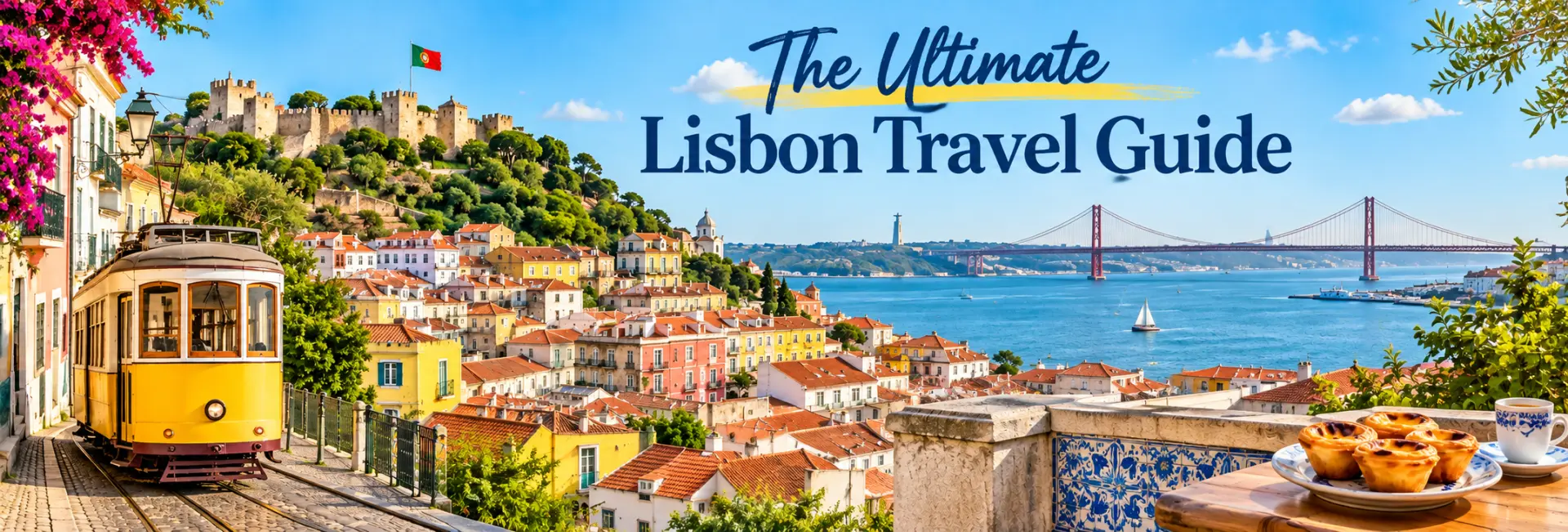
Lisbon sits on seven hills above the Tagus River, and that geography shapes almost everything about visiting the city. Streets climb and drop without warning, trams creak up impossibly steep grades, and around nearly every corner there's a miradouro, a viewpoint, offering a fresh look at the rooftops and river below. It's a city that rewards walking, even when the walking is hard on the legs.
Lisbon has become a popular destination over the past decade, and it's easy to see why. The food is excellent and still reasonably priced by Western European standards, the light has a particular golden quality that photographers chase, and the mix of faded grandeur and new energy gives the city a character that's hard to pin down in a single visit. This guide covers where to stay, what's worth seeing, what's worth doing, and where to eat, along with a simple itinerary to tie it all together.
Best Neighbourhoods to Base Yourself
Lisbon is made up of distinct neighbourhoods, each with its own feel, and picking the right one shapes the whole trip.
Alfama
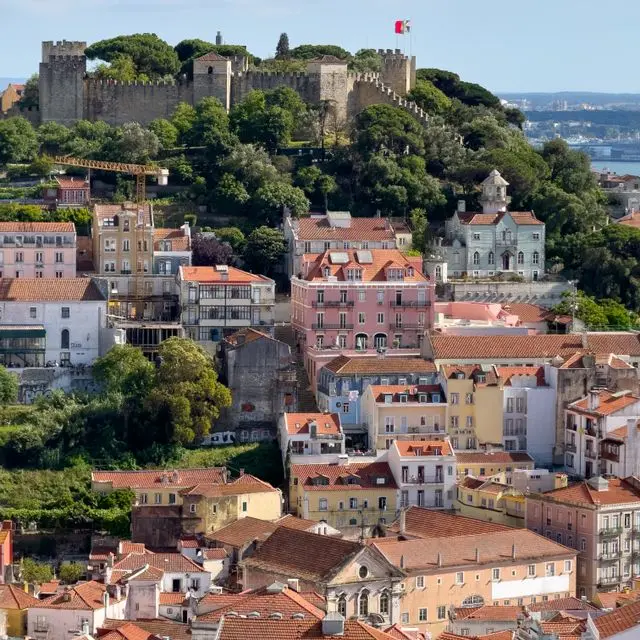
The oldest part of the city, Alfama survived the 1755 earthquake that flattened much of Lisbon, which is why its narrow, winding streets still follow a medieval layout. It's home to São Jorge Castle, some of the best fado houses in the city, and views that make the uphill walking worth it.
Bairro Alto and Chiado
Bairro Alto is Lisbon's nightlife district, quiet by day and packed with bars by night. Chiado, just next door, is more polished, with elegant shopping streets, historic cafes, and easy access to the rest of downtown.
Príncipe Real and Estrela
These residential areas west of the centre have a slower pace, with leafy squares, independent boutiques, and some of the best brunch spots in the city. They're a good choice if you'd rather stay somewhere quieter and don't mind a slightly longer walk or a tram ride into the centre.

Where to Stay
Lisbon's neighbourhoods vary a lot in price and atmosphere, so it's worth matching the area to what kind of trip you want.
Budget Options
Martim Moniz and parts of Graça offer more affordable guesthouses and hostels while still being a walkable distance from the centre. Home Lisbon Hostel and Yes! Lisbon Hostel are both well-reviewed if you're happy to stay somewhere social.
Mid-Range Stays
Chiado and Príncipe Real have a good range of boutique hotels in the mid-range bracket, putting you close to restaurants and shopping without paying central Baixa prices. This is generally where most first-time visitors end up happiest.
Higher-End and Central
For something more upscale, the Baixa and Avenida da Liberdade areas have some of Lisbon's best-known hotels, including several housed in restored 19th-century buildings. Staying here puts you within walking distance of the river, the main squares, and the funiculars up to Bairro Alto.
What to See in Lisbon
Lisbon's sights are spread across several neighbourhoods, so it helps to group them by area rather than trying to see everything in one long day.
The Historic Centre
São Jorge Castle sits above Alfama and offers some of the best panoramic views in the city, along with peacocks that wander the grounds. Nearby, the Lisbon Cathedral, or Sé de Lisboa, is one of the oldest buildings in the city and worth a quick look even from the outside.
Belém
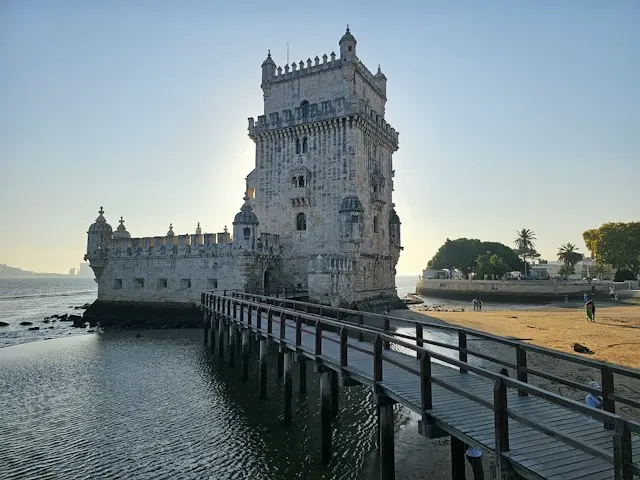
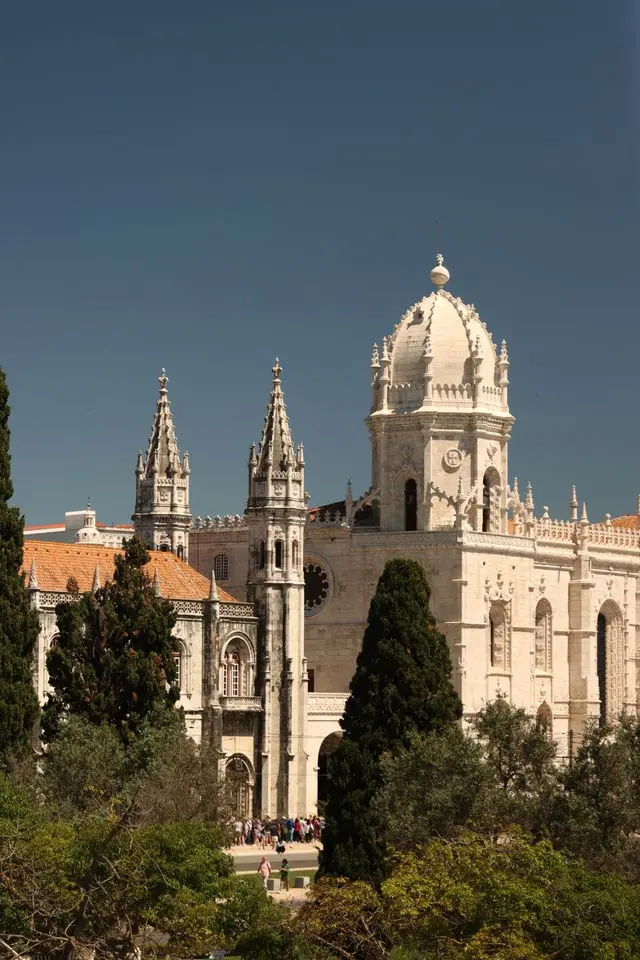
A short tram or bus ride from the centre, Belém is home to the Jerónimos Monastery, a UNESCO World Heritage Site with an extraordinary carved stone interior, and the Belém Tower, a fortified tower built in the 16th century right on the river. Both are best visited early to avoid the longest queues.
Viewpoints
Miradouro da Senhora do Monte and Miradouro de Santa Luzia are two of the best viewpoints in the city, and both are free to visit. Sunset is the busiest time at any miradouro, so arriving a bit earlier can mean better views with fewer people.

What to Do in Lisbon
Beyond the sightseeing, Lisbon has a handful of experiences that are hard to get anywhere else.
Ride Tram 28
The old yellow tram winds through Alfama, Graça and Baixa on tracks that predate most of the modern city. It's touristy, and it can get crowded, but riding it early in the morning avoids the worst of the crowds and gives a genuinely good introduction to the layout of the city.
Catch a Fado Performance
Fado is Lisbon's traditional style of melancholic sung music, and Alfama has several small, family-run venues where it's performed live most nights. Smaller, less touristy venues tend to offer a more authentic experience than the larger restaurant shows aimed squarely at visitors.
Day Trip to Sintra
About 40 minutes from Lisbon by train, Sintra is home to the colourful Pena Palace, the Moorish Castle, and the dramatic, almost gothic Quinta da Regaleira estate. It's a full day out and one of the most commonly recommended side trips from Lisbon, so an early train helps avoid the crowds at the main sights.
Explore LX Factory
A former industrial complex under the 25 de Abril Bridge, LX Factory has been converted into a creative space full of independent shops, galleries, and cafes. It's a good stop for a relaxed afternoon and a change of pace from the historic centre.
Where to Eat and Drink
Lisbon's food scene mixes traditional Portuguese cooking with fresh seafood and, increasingly, a strong wave of modern restaurants.
Pastéis de Nata
No trip to Lisbon is complete without a proper custard tart. Pastéis de Belém, near the monastery, is the original and most famous spot, still using a recipe kept secret since the 1830s, though there's usually a queue. Manteigaria in Chiado is a strong, less crowded alternative that many locals actually prefer.
Casual Meals
Time Out Market in Cais do Sodré brings together stalls from some of the city's best chefs under one roof, making it an easy way to sample a lot of different food in one sitting. For a more neighbourhood feel, small tascas, family-run traditional restaurants, in Alfama and Graça serve grilled fish and bifana sandwiches at prices well below the tourist-heavy spots downtown.
Seafood and Traditional Dinners
Cervejaria Ramiro is a Lisbon institution known for fresh shellfish and a lively, no-frills atmosphere, though it's worth arriving early since it doesn't take reservations for smaller groups. For bacalhau, Portugal's beloved salted cod, look for a traditional restaurant in Alfama or Bairro Alto rather than anywhere directly on the main tourist strip.
Wine and Ginjinha
Ginjinha, a sweet cherry liqueur served in small shots, is a Lisbon specialty best tried at one of the tiny standing bars in Baixa, like A Ginjinha near Rossio Square. For wine, Portugal's Vinho Verde and Douro reds are widely available, and Príncipe Real has several relaxed wine bars worth an evening visit.

Suggested 3-Day Itinerary
If you'd rather not plan from scratch, here's a simple three-day structure that covers the highlights without over-packing each day.
Day 1: Alfama and the Historic Centre
Start with breakfast in Alfama, then explore São Jorge Castle and the surrounding streets before the crowds build. Take an early ride on Tram 28, then walk down to Baixa for lunch. In the evening, catch a fado performance at one of the smaller venues in Alfama.
Day 2: Belém and the River
Head to Belém early to beat the queues at Jerónimos Monastery and Belém Tower, then stop for pastéis de nata at Pastéis de Belém. Spend the afternoon at LX Factory, and head back into the centre for dinner at a traditional tasca in Bairro Alto, followed by a walk through the neighbourhood's bars.
Day 3: Sintra Day Trip
Take an early train to Sintra and spend the day exploring Pena Palace and the Moorish Castle, with lunch in the town centre. Head back to Lisbon in the late afternoon for a final dinner of fresh seafood at a spot like Cervejaria Ramiro.
Build in some flexibility, since Lisbon's hills mean walking takes longer than the map suggests, and a spontaneous stop at a miradouro is usually worth the detour.
Getting Around and Practical Tips
Lisbon's hills and narrow streets make getting around a bit different from flatter European cities.
- The Viva Viagem card covers trams, the metro, buses, and funiculars, and it's worth buying on arrival to avoid paying single-fare prices repeatedly
- Comfortable shoes matter more here than almost anywhere else in Europe, since much of the city involves steep cobblestone streets
- The metro is fast and useful for longer distances, but trams and funiculars are usually the better option for the hilly historic neighbourhoods
- Uber and Bolt are widely available and often cheaper than traditional taxis, particularly for trips to and from the airport
Summers in Lisbon get hot, often into the low 30s Celsius, so mornings and early evenings are the most comfortable times for sightseeing. Spring and early autumn tend to offer the best balance of good weather and smaller crowds.
Conclusion
Lisbon rewards visitors who slow down a little. The big sights in Belém and Alfama are worth the time, but some of the best moments come from getting slightly lost in a residential street, stumbling onto a miradouro nobody mentioned, or lingering over a coffee in a square with no particular plan. Between the food, the views, and the hills that make you earn every one of them, it's a city that tends to stay with people long after the trip ends.
Frequently Asked Questions
How many days do I need in Lisbon? +
Three to four days covers the main sights, a day trip to Sintra, and enough time to explore a few neighbourhoods without rushing.
Is Lisbon walkable? +
Yes, though the hills mean it's more physically demanding than a flat city. Comfortable shoes and a willingness to take trams or funiculars for steeper stretches make a big difference.
Is Sintra worth the day trip? +
Most visitors find it one of the highlights of the trip. Going early on the train helps avoid the biggest crowds at Pena Palace.
What's the best time of year to visit Lisbon? +
Spring and early autumn offer warm, comfortable weather without the peak summer heat and crowds.
Do I need to speak Portuguese? +
No, English is widely spoken in tourist areas and most restaurants, though a few basic Portuguese phrases are always appreciated.
Is Lisbon expensive? +
Compared to other major Western European capitals, Lisbon remains relatively affordable, particularly for food and drink outside the most touristy strips.
