

Table of Contents
- About Ljubljana
- Best Time to Visit Ljubljana
- Getting to Ljubljana
- Getting Around Ljubljana
- Things to Do in Ljubljana
- Neighborhoods to Explore
- Day Trips from Ljubljana
- Food in Ljubljana
- Where to Stay in Ljubljana
- Safety Tips in Ljubljana
- Budget & Costs in Ljubljana
- Local Customs & Etiquette
- Suggested 2-Day Itinerary in Ljubljana
About Ljubljana
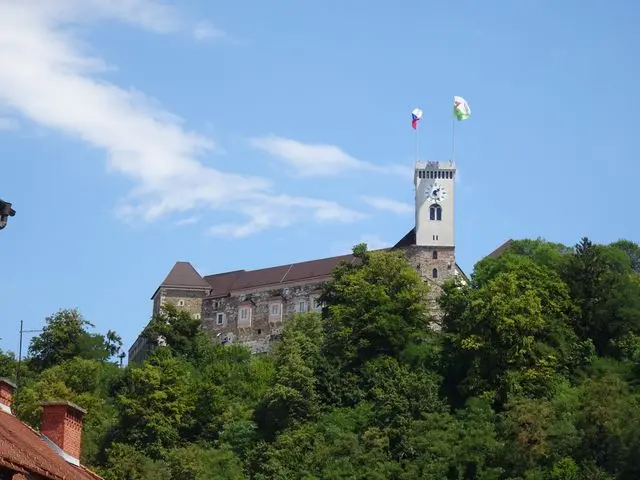
Ljubljana is Slovenia's small, green capital, built around the curving Ljubljanica River and watched over by a medieval castle on the hill above. It has none of the crowds of Europe's bigger capitals, but plenty of the atmosphere: baroque facades, riverside café terraces, and dragon statues guarding one of its best-known bridges.
Much of the city's look comes from architect Jože Plečnik, who redesigned bridges, markets, and public spaces here in the early 20th century - his work is now recognized as a UNESCO World Heritage Site. Ljubljana is often described as a city best experienced by wandering rather than sightseeing: it rewards slow mornings by the river and long café stops as much as it does any single landmark.
Best Time to Visit Ljubljana
Spring (March to May)
Mild temperatures and blossoming parks make spring one of the most pleasant times to explore on foot, with river-facing café terraces filling up as the weather warms.
Summer (June to August)
Warm and lively, with long daylight hours and an active outdoor café and festival scene, though this is also peak season for both visitors and prices, and afternoons can get hot.
Autumn (September to October)
A favorite season for many travelers: comfortable temperatures, university students back in the city adding energy to the atmosphere, and noticeably fewer visitors than summer.
Winter (November to February)
Cold and often grey, with occasional snow, but the city's Christmas market and lights bring a festive lift to the center in December. This is also the quietest and cheapest time to visit.

Getting to Ljubljana
By Air
Ljubljana Jože Pučnik Airport sits around 25 kilometers north of the city center and is served by a mix of national and low-cost carriers connecting to major European hubs.
From the Airport to the City
A direct airport bus and shared shuttle vans both run into the city center, and taxis are readily available outside arrivals, though it's worth agreeing a fare or using a metered/app-based service to avoid overcharging.
By Train or Bus
Ljubljana's central train and bus stations sit next to each other close to the city center, with regular connections to Vienna, Zagreb, Venice, and other regional cities, making it an easy add-on to a wider Central European trip.
Entry Requirements
Slovenia is part of the Schengen Area. EU and EEA citizens can enter with a valid passport or national ID with no time limit. Visitors from visa-exempt countries such as the US, UK, Canada, and Australia can generally stay up to 90 days within any 180-day period without a visa. Travelers from countries without visa-free access need a Schengen short-stay visa arranged in advance. Because entry rules and any new pre-travel authorization requirements can change, confirm current requirements for your nationality with an official government source close to your travel dates.
Getting Around Ljubljana
On Foot
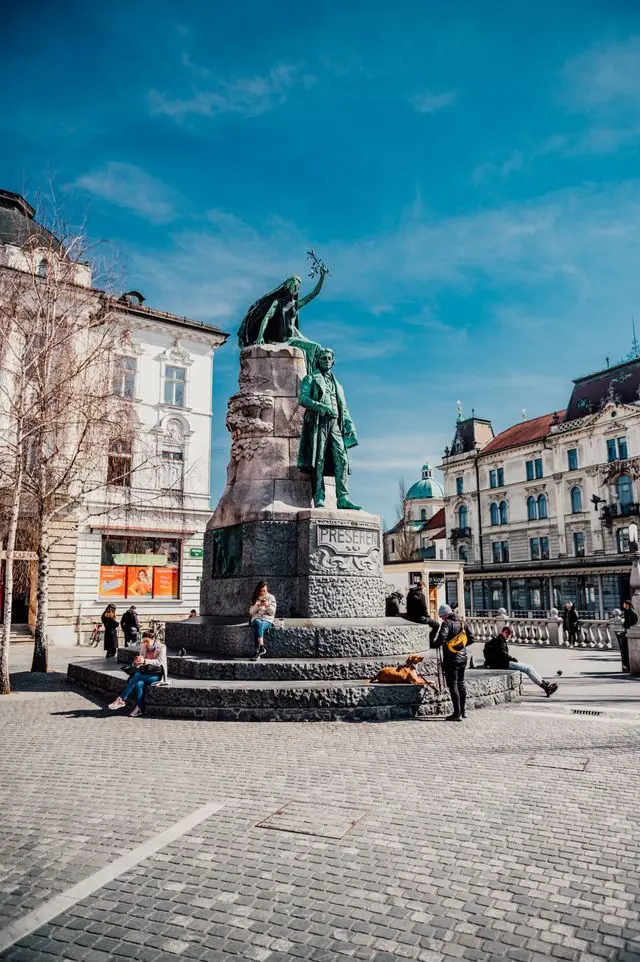
Ljubljana's compact center is largely pedestrianized and flat along the riverbanks, making walking the easiest and most enjoyable way to get around. Most major sights sit within a 20-minute walk of Prešeren Square.
Bike Share
The city's BicikeLJ bike-share system has stations across the center and is a popular, low-cost way to cover slightly longer distances, especially toward Tivoli Park.
Buses
A network of city buses reaches areas beyond easy walking distance, paid for with a rechargeable Urbana card rather than cash on board.
Funicular & Taxis
A funicular climbs from the Old Town up to Ljubljana Castle for those who'd rather not walk the hill. Taxis and rideshare apps are available for trips to the airport or outside the walkable center.
Things to Do in Ljubljana
Top Landmarks
- Ljubljana Castle – a hilltop fortress dating back centuries, reachable by funicular or on foot, with a museum and panoramic views over the red-roofed city
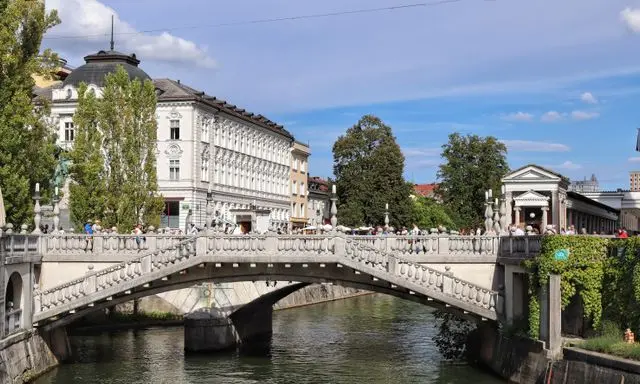
- Triple Bridge (Tromostovje) – Jože Plečnik's signature set of three connected pedestrian bridges linking Prešeren Square to the Old Town
- Dragon Bridge (Zmajski Most) – guarded by four bronze dragon statues, the city's unofficial symbol
- Central Market (Plečnik's Market) – riverside colonnades designed by Plečnik, with daily produce stalls and a lively open-air food market on weekends
Museums & Culture
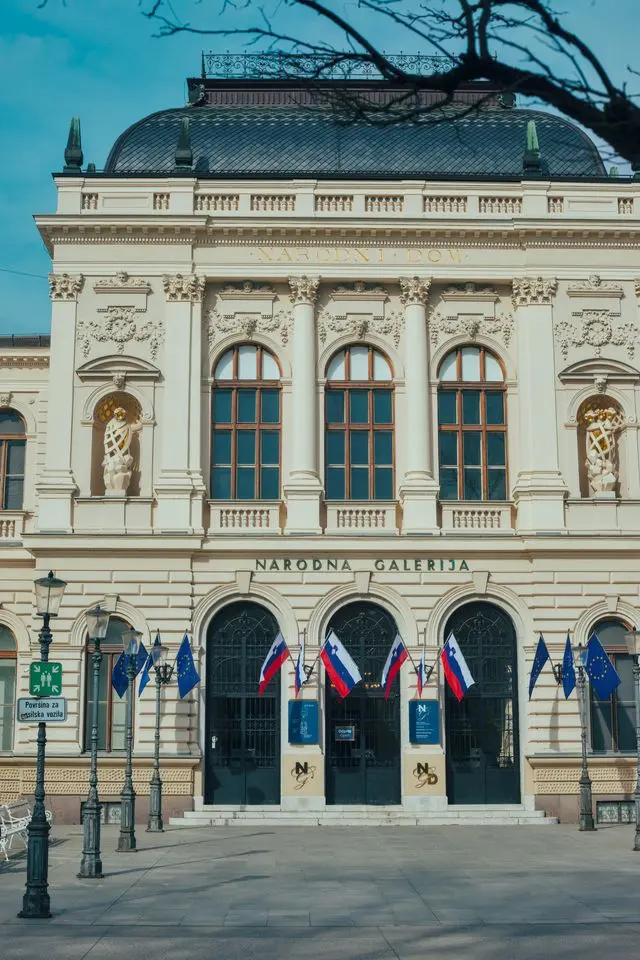
- National Museum of Slovenia – the country's main history museum, covering everything from prehistoric artifacts to the modern state
- Museum of Modern Art – 20th-century Slovenian and Yugoslav-era art in the city center
- Plečnik House – the architect's former home, opened for small guided tours on a limited schedule
Parks & Neighborhoods to Wander
- Tivoli Park – the city's largest green space, a short walk from the center and popular for a slower afternoon
- Metelkova – a former military barracks turned alternative art and nightlife district, covered in street art and murals
- The Old Town (Staro Mesto) – cobblestone lanes between the castle hill and the river, full of courtyard cafés and small galleries worth getting lost in
Neighborhoods to Explore
Old Town (Staro Mesto)
The historic heart of the city, centered on the cobblestone streets between the castle hill and the Ljubljanica River. Baroque facades, independent boutiques, and café terraces make this the most photographed part of Ljubljana.
Prešeren Square & the City Center
The city's main square and natural starting point for exploring, anchored by the pink Franciscan Church and opening directly onto the Triple Bridge.
Trubar Quarter
Just off the main square, this quieter pocket named for the founder of Slovenian literature is known for bookshops and small artisan workshops.
Metelkova & Tabor
Across the river from the Old Town, this is Ljubljana's bohemian, alternative side - street art, independent galleries, and a nightlife scene that runs later than the center.
Day Trips from Ljubljana
Lake Bled
Slovenia's postcard lake, with an island church reachable by traditional wooden boat and a clifftop castle overlooking the water, sits under an hour from Ljubljana by car, bus, or train.
Postojna Cave & Predjama Castle
One of Europe's largest karst cave systems, explored partly by underground train, pairs naturally with nearby Predjama Castle, built directly into a cliff face - both are easy to combine in a single day trip.
Vintgar Gorge
A dramatic wooden walkway threading through a narrow river gorge near Bled, popular as an add-on for visitors already heading that way.
Piran & the Slovenian Coast
Slovenia's short stretch of Adriatic coastline centers on Piran, a Venetian-style seaside town that makes for a longer but rewarding day trip from the capital.

Food in Ljubljana
Local Dishes to Try
- Burek – a flaky, filled pastry (commonly cheese or meat), widely sold from bakeries and kiosks as a filling, affordable meal
- Kranjska klobasa – Slovenia's traditional smoked sausage, often served with mustard, horseradish, and bread
- Štruklji – rolled dumplings with sweet or savory fillings, a staple of traditional Slovenian home cooking
- Ljubljana plate (Ljubljanska plošča) – a mixed platter of local meats and sides found on many traditional restaurant menus, popular with groups sharing
Where to Eat
The Central Market's open-air food stalls, held on Fridays from spring through autumn, are a favorite for sampling a range of dishes from local producers and small kitchens in one place. The riverside embankment and Old Town streets hold most of the city's sit-down restaurants and café terraces, while the area around Trubarjeva Street has a growing casual dining scene slightly removed from the main tourist strip.
Where to Stay in Ljubljana
Old Town & City Center
Staying near Prešeren Square or along the river puts every major sight within easy walking distance and is the most atmospheric choice, though it comes at a premium and can be busy with visitors in summer.
Around the Train Station
A short walk north of the Old Town, this area offers better value and easy access if you're arriving by train or bus, without losing much walkability to the center.
Tabor & Metelkova Area
A good option for travelers who want to be close to the city's nightlife and alternative culture scene, still within easy walking distance of the Old Town.
Safety Tips in Ljubljana
Ljubljana is consistently rated one of Europe's safer capital cities, with low rates of violent crime and a compact, well-lit center that feels comfortable to walk at night. As in any city, ordinary precautions are still worth following.
- Watch for pickpockets in crowded spots like the Central Market and around Prešeren Square during peak season
- Use marked taxis or a reputable rideshare app rather than unmarked cars, especially from the airport
- Take care on cobblestones and bridge steps in wet or icy weather
- Some areas near the train station can feel less polished after dark; stick to well-lit main streets if walking late
- Keep 112 on hand - it reaches police, ambulance, and fire services throughout Slovenia

Budget & Costs in Ljubljana
Ljubljana is generally more affordable than Western European capitals like Vienna or Munich, while still offering a high standard of dining and accommodation. Costs rise noticeably in the summer peak season and drop in winter outside the December holiday period.
- Budget travelers: roughly €50–70 per day covering a hostel bed, bike or bus transport, and cheap eats like burek or market food
- Mid-range travelers: roughly €90–140 per day covering a central hotel, restaurant meals, and paid attractions like the castle
- Higher-end travelers: €200+ per day for upscale hotels and multi-course dinners in the Old Town
- A casual lunch or street food like burek typically costs a few euros, while a sit-down three-course dinner in the Old Town runs around €30–40 per person
- Most museums charge in the €7–13 range for adult entry, with the castle among the pricier single-site tickets
Local Customs & Etiquette
Slovenians are generally understated and polite, and English is widely spoken in Ljubljana, especially among younger people and in the tourism and hospitality sector, so language is rarely a major barrier.
- A tip of around 10% is appreciated in restaurants but not strictly required; rounding up the bill is common for smaller amounts
- Greet shopkeepers and café staff with a simple "hello" - it's a small courtesy that's well received
- Jaywalking is frowned upon and can draw a fine; locals generally wait for pedestrian signals even on quiet streets
- Recycling and waste sorting are taken seriously; follow posted signage if staying somewhere with separated bins
Suggested 2-Day Itinerary in Ljubljana
Day 1: The City Center
Start at Prešeren Square and cross the Triple Bridge into the Old Town, wandering its lanes and courtyard cafés. Take the funicular up to Ljubljana Castle for the museum and city views, then head down to the riverside embankment for lunch. Spend the afternoon at the Central Market and Dragon Bridge, and finish the evening with dinner along the river.
Day 2: Green Ljubljana & a Day Trip
Spend the morning in Tivoli Park or exploring the street art and galleries of Metelkova, then use the afternoon - or the whole day, if starting early - for a trip to Lake Bled or Postojna Cave and Predjama Castle, both easily reached from the city by car, bus, or organized tour.

Common Questions About Visiting Ljubljana, Slovenia
How many days do you need in Ljubljana? +
One day covers the main sights, but two days lets you add a day trip to Lake Bled or Postojna Cave without rushing the city itself.
What's the best time of year to visit Ljubljana? +
Spring and autumn offer the most comfortable weather and smaller crowds than the busy, warmer summer months.
Do I need a visa to visit Ljubljana? +
Slovenia is in the Schengen Area, so EU/EEA citizens travel freely and visitors from many other countries, including the US, UK, Canada, and Australia, can typically stay visa-free for up to 90 days in a 180-day period. Requirements vary by nationality and can change, so confirm current rules before you travel.
Is Ljubljana expensive? +
It's more affordable than major Western European capitals. Budget travelers can manage on roughly €50–70 a day, while a comfortable mid-range trip runs closer to €90–140 a day.
Is Ljubljana safe for visitors? +
Yes, it's regularly ranked among Europe's safer capitals. The main precautions are watching for pickpockets in busy tourist spots and using licensed transport, especially from the airport.
How do you get around Ljubljana? +
The center is compact and mostly pedestrian, so walking covers most sightseeing. A bike-share system and city buses handle longer distances, and a funicular saves the climb up to the castle.
What's the best area to stay in for a Ljubljana trip? +
The Old Town and city center offer the most atmosphere and walkability at a premium price; the area near the train station is a good-value alternative just a short walk from the sights.
What pairs well with a Ljubljana visit? +
Lake Bled and Postojna Cave with Predjama Castle are the two most popular day trips, both easily reached within an hour or two by car, bus, or organized tour.