
Table of Contents
Introduction
Split is Croatia's second-largest city and the main gateway to Dalmatia. Its centre is unlike any other in Europe: instead of growing beside a Roman ruin, the city grew inside one. Around 1,700 years ago, the emperor Diocletian built a vast seaside retirement palace here, and today its stone walls, courtyards and cellars hold shops, cafes, apartments and family homes.
Beyond the palace, Split offers a wooded hill with sweeping views, lively beaches, a busy harbour and the easiest access to the Adriatic islands. This guide covers the sights worth your time, the activities and flavours that make the city feel local, and the practical details that help you plan with confidence.
Best Places to Visit in Split
Diocletian's Palace
This UNESCO-listed complex dates from the late 3rd and early 4th centuries and is the beating heart of the Old Town. Four gates lead in: the Golden Gate to the north, the Silver Gate to the east, the Iron Gate to the west and the Bronze Gate facing the sea. Inside, narrow lanes twist between medieval and Renaissance buildings that were built into the original Roman walls.
Walking through the lanes is free, and you only pay to enter specific attractions. Wander without a map for an hour, since the palace is best experienced by getting pleasantly lost.
The Peristyle and Cathedral of St Domnius
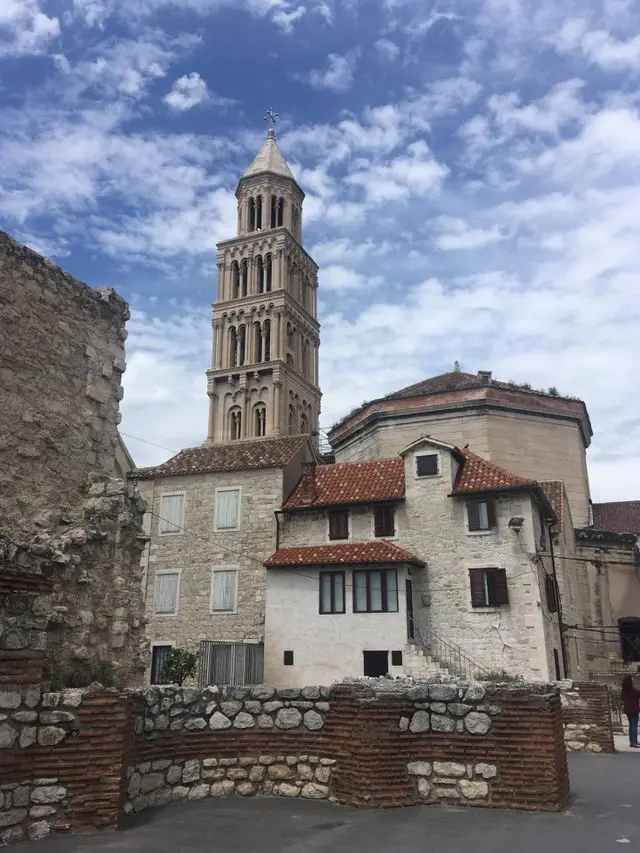
The Peristyle is the palace's ceremonial courtyard, framed by Roman columns and arches. Today it works as an open-air stage, with cafe tables spilling across the stone and musicians performing in the evenings. Overlooking it is the Cathedral of St Domnius, which began life as Diocletian's mausoleum and is considered one of the oldest cathedral buildings in the world.
Climbing the bell tower, which rises roughly 60 metres, rewards you with rooftop views over the palace, the harbour and the islands beyond. The stairs are steep and open in places, so skip it if heights make you uncomfortable.
The Palace Cellars
Beneath the southern part of the palace, huge vaulted halls preserve the layout of the imperial rooms that once stood above them. They are some of the best-preserved Roman underground structures in the Mediterranean, and film fans may recognise them as a setting from Game of Thrones. Visit early, as tour groups can make the passages feel tight later in the day.
The Riva Promenade
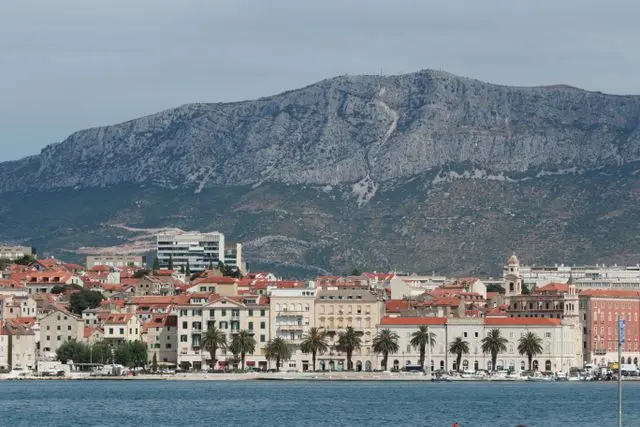
The Riva is Split's waterfront living room, a broad palm-lined promenade running along the southern wall of the palace. Locals meet here for coffee, families stroll at dusk and yachts and ferries slide in and out of the harbour. It is a good place to sit with a drink and watch the city go by.
Marjan Hill
Locals call this forested peninsula the lungs of Split. Paths and stairs climb from the western edge of the Old Town to viewpoints, small medieval chapels, pine woods and quiet coves. The climb to the first viewpoint takes about 15 minutes from the Veli Varoš neighbourhood, and the views over the red rooftops and islands are worth the effort, especially near sunset.
Salona
Just a few kilometres inland, the ruins of Salona were once the capital of the Roman province of Dalmatia, and Diocletian himself came from this area. You can see an amphitheatre, baths and early church foundations, set among olive trees. The site is usually far quieter than the palace.

Things to Do in Split
Rub the Toe of Gregory of Nin
Outside the Golden Gate stands a towering bronze statue of the medieval bishop Gregory of Nin, created by the sculptor Ivan Meštrović. Tradition says that rubbing his big toe brings good luck, and the shiny metal proves how many people have tried it.
Play Picigin at Bačvice
Bačvice is Split's city beach, a short walk east of the harbour, with shallow water, sand and a lively evening scene. It is famous as the home of picigin, a local game in which players keep a small ball from touching the water. Watching a few rounds is entertaining, and joining in is welcome if you are brave enough.
Swim at the Quieter Marjan Beaches
If Bačvice feels crowded, head to the pebble beaches on the southern side of Marjan, such as Kašjuni and Bene. They are cleaner and calmer, with clear water and pine shade. A bus or a long seafront walk gets you there.
Cheer on Hajduk Split
The city's football club, Hajduk, has a famously passionate fan base known as the Torcida. A match at Poljud Stadium is loud, colourful and unforgettable even if you do not follow the sport, but tickets for big games should be arranged ahead.
Take an Evening Walk
Once day-trippers leave, the Old Town relaxes. Lanterns glow on the stone and the Peristyle fills with music and conversation. It costs nothing and is often the best hour of the day.
Local Experiences and Food
Dalmatian Dishes to Try
Local cooking is simple, seasonal and built around the sea. Look out for these on menus:
- Pašticada, a slow-cooked beef dish in a rich sauce, usually served with gnocchi
- Brudet, a fisherman's stew made with several types of fish, tomatoes and herbs
- Peka, meat or octopus with vegetables slow-roasted under an iron bell; order it in advance, as it takes hours
- Soparnik, a thin pie filled with Swiss chard that is typical of the nearby Poljica region
- Fritule, small fried dough balls, often sold at festivals and markets
Visit the Green Market and Fish Market
Just outside the Silver Gate, the Pazar market sells fresh fruit, vegetables, cheese, olive oil and dried herbs. A short walk away, the Peškarija fish market has operated for generations, and the sellers' banter is half the entertainment. Both are best in the morning.
Sip Regional Wine
Dalmatia produces excellent wines, from rich Plavac Mali reds to crisp whites and sweet dessert wines such as prošek. Wine bars in the Old Town pour local bottles by the glass, and many offer small tasting flights with cheese and cured ham.
Join the Local Festivals
On 7 May, Split celebrates its patron saint, Saint Domnius, with processions, music and street stalls. In summer, the Split Summer Festival turns squares and courtyards into stages for opera, theatre and concerts, with the palace itself as the backdrop.

Best Day Trips from Split
Trogir
About 30 kilometres west, the island town of Trogir is a compact maze of Romanesque and Renaissance buildings and is also a UNESCO site. It makes an easy half-day trip by bus, car or boat.
Krka National Park
Roughly 85 kilometres north, Krka is famous for its cascading waterfalls and wooden walkways. Arrive early in summer to avoid queues, and check current swimming rules, as access to the water at the main falls is restricted.
Klis Fortress and Omiš
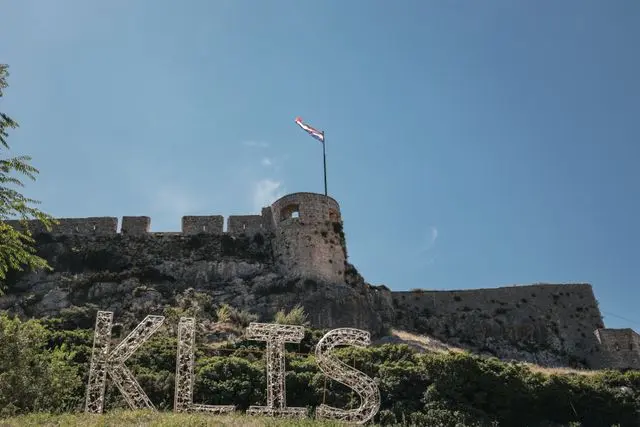
Klis Fortress sits on a rocky ridge about 12 kilometres from the city and offers sweeping views over the coast. Farther along the shore, Omiš is known for the Cetina River gorge, where visitors go rafting, kayaking or ziplining.
Hvar, Brač and Vis
Split has Croatia's biggest ferry port, with regular boats and catamarans to nearby islands. Hvar offers a Venetian-style harbour and lavender fields, Brač has the famous Zlatni Rat beach near Bol, and Vis is quieter and ideal for a slower pace. Ferries run more often in summer, so check schedules and book vehicle spaces early.
Best Time to Visit Split
May, June, September and early October give you warm weather, comfortable sea temperatures and manageable crowds. July and August are hot and busy, with the highest prices and full ferries, but they also bring the best festival programme and the warmest water. In winter, the city is quiet and local, and some ferry routes and seasonal businesses reduce their schedules.
Split also works as a base for visitors who plan to spend most of their time on the islands, which means that port areas can be especially busy on summer mornings and afternoons.
- Explore the palace early in the morning or after sunset, when cruise and day-trip groups are away
- Save the hottest part of the day for a swim, a long lunch or the shade of Marjan
- Book summer ferries, popular restaurants and key tours in advance

Getting to Split and Getting Around
Split Airport lies about 20 kilometres west of the city, near Trogir, and is served by an airport bus and by taxis and ride-hailing services. The main bus station, railway station and ferry port sit side by side on the edge of the Old Town, which makes arriving and departing simple. Long-distance buses link Split with Zagreb, Dubrovnik, Zadar and many smaller towns, and ferries connect it with the islands and with Italy.
The historic centre is pedestrian-only, so you will explore it on foot. Marjan and Bačvice are both walkable, and local buses cover farther districts. For trips to Krka, Omiš or Klis, a rental car is convenient, although guided tours and public buses are good options if you prefer not to drive.
Where to Stay
Inside the Palace
Sleeping within the old walls puts you in the middle of the action, with atmospheric stone rooms and no commute. Expect noise on summer nights and higher rates, and check access details, since lanes are narrow and many buildings have steep stairs.
Veli Varoš
This old fishing quarter on the western side of the Old Town has quieter streets, local taverns and quick access to Marjan. It suits travellers who want a short walk to the sights without the crowds.
Bačvice and Firule
East of the centre, these districts offer beach access, apartments and good value. They are ideal for visitors who plan to swim often.
Near the Port
Hotels near the bus, train and ferry hub are practical for short stays and early departures, and prices are often lower than inside the palace.
Practical Tips Before You Go
- Croatia uses the euro, and cards are widely accepted, but carry some cash for markets and small cafes
- Wear shoes with good grip, as the polished stone lanes can be slippery when wet
- Dress modestly when visiting the cathedral and other religious sites
- Book timed tickets for the cellars and other attractions in summer, and confirm current prices and opening hours on the official sites
- Take sun protection and water when climbing Marjan, as shade is patchy on the upper paths
- Watch for overpriced tourist menus on the busiest squares and eat a few streets away for better value
Conclusion
Split blends ancient history and everyday life more naturally than almost any other Croatian city. You can drink coffee beside Roman columns in the morning, swim in the afternoon and eat a long Dalmatian dinner by lantern light, all within a short walk of your bed.
Give the city at least two full days, add more if you want to explore the islands, and plan around the seasons and ferry schedules. Do that, and Split will reward you with a trip that feels both rich in history and relaxed.
Frequently Asked Questions
How many days do you need in Split? +
Two full days are enough for the palace, the Riva, Marjan and a beach. Add extra days if you want to visit Trogir, Krka National Park or the islands.
Is Diocletian's Palace free to enter? +
Walking through the palace lanes costs nothing, although you pay to enter specific attractions such as the cathedral, bell tower, cellars and museums.
What is the best time of year to visit Split? +
May, June, September and early October offer warm weather, pleasant sea temperatures and fewer crowds than midsummer.
Is Split walkable? +
Yes. The historic centre is pedestrian-only and compact, and Marjan, the Riva and Bačvice are all within easy walking distance.
Does Split have good beaches? +
Yes. Bačvice is the lively city beach, while Kašjuni, Bene and other coves on Marjan are calmer. Better sandy and pebble beaches are a short ferry ride away on Brač and Hvar.
Is Split a good base for island hopping? +
It is one of the best in Croatia, since the ferry port has frequent connections to Brač, Hvar, Šolta, Vis and other islands, especially during summer.
Is Split expensive? +
Prices rise in July and August, particularly inside the palace and on the waterfront. You can save by dining a few streets away, visiting in shoulder season and using local buses.
What should I eat in Split? +
Try pašticada, brudet, grilled fish, peka, soparnik and fritule, and pair them with a glass of Plavac Mali or other Dalmatian wine.