

Table of Contents
- About Stockholm
- Best Time to Visit Stockholm
- Getting to Stockholm
- Transportation in Stockholm
- Things to Do in Stockholm
- Neighborhoods to Explore
- Food in Stockholm
- Accommodation in Stockholm
- Day Trips from Stockholm
- Safety Tips in Stockholm
- Budget & Costs in Stockholm
- Local Customs & Etiquette
- Suggested Itineraries
About Stockholm
Stockholm is spread across fourteen islands where Lake Mälaren meets the Baltic Sea, and water is never far from view no matter which neighborhood you're in. The medieval old town, Gamla Stan, sits beside sleek modern districts, and the whole city has a reputation for calm, orderly beauty backed up by genuine substance: strong design, a serious food scene, and some of the best-preserved history in Northern Europe.
It's also a city that rewards slower travel. Stockholmers take fika (a coffee-and-pastry break) seriously, museums are excellent rather than merely photogenic, and the surrounding archipelago of over 30,000 islands means the city never quite feels landlocked, even at its center.

Best Time to Visit Stockholm
Summer (June–August)
Peak season and for good reason: long daylight hours (up to 18+ hours around midsummer), outdoor terraces filling every square, and easy access to the archipelago by boat. It's also the most crowded and most expensive time to visit.
Spring and Early Autumn (April–May, September)
A strong middle ground, with milder crowds and prices than summer, decent daylight, and the city's parks and waterfronts still pleasant to walk.
Winter (November–March)
Cold and dark, with only around six hours of daylight in December, but atmospheric: Christmas markets, ice skating, cozy café culture, and a real chance of snow. Prices drop outside the December holiday period.
Getting to Stockholm
By Air
Stockholm Arlanda Airport (ARN) is the main international gateway, about 25 miles (40 km) north of the city and connected by the Arlanda Express train in around 20 minutes. Some low-cost carriers instead use Stockholm Skavsta or Bromma airports, which are farther out or serve mostly domestic and regional routes, so it's worth checking which airport a flight actually lands at.
By Train and Ferry
Stockholm Central Station connects to Gothenburg, Malmö, and onward into Denmark and Norway by rail, and overnight and day ferries link the city to Helsinki, Turku, and other Baltic ports, arriving right in the harbor near the old town.
Entry Requirements
Sweden is part of the Schengen Area, so most non-EU visitors can enter visa-free for stays of up to 90 days within a 180-day period. The EU's new ETIAS travel authorization for visa-exempt travelers is expected to roll out from late 2026 alongside the Entry/Exit System already being phased in at European borders; requirements can shift as these systems launch, so confirm current rules with an official source shortly before you travel.

Transportation in Stockholm
Metro (Tunnelbana)
Stockholm's metro, the Tunnelbana, has three color-coded lines and is known for its artistically decorated stations, several of which are worth visiting on their own merit. A single ticket covers about 75 minutes with transfers included, and tickets are bought through the SL app, at service points, or by tapping a contactless bank card directly at the gates.
Buses, Trams, and Commuter Trains
Buses fill in routes the metro doesn't reach, a heritage tram line runs to Djurgården island, and commuter trains (pendeltåg) extend into the wider region. All are covered by the same SL ticket system.
Ferries
Public ferries connect several central islands and are covered by standard SL tickets within the city zone, while separate archipelago ferry operators handle trips further out to islands like Vaxholm or Sandhamn.
Passes
Multi-day travelcards (24-hour, 72-hour, 7-day) cover unlimited travel on metro, bus, tram, and in-zone ferries, and are usually better value than single tickets for stays of more than a day or two. A separate Stockholm Pass bundles museum and attraction entry rather than transport, and is worth it mainly for visitors planning several paid sights per day.
Walking and Cycling
Central Stockholm, especially Gamla Stan, Norrmalm, and Södermalm, is compact and very walkable, and the city's bike-share system and dedicated cycling lanes make two wheels a realistic option in warmer months.
Things to Do in Stockholm
Gamla Stan (Old Town)
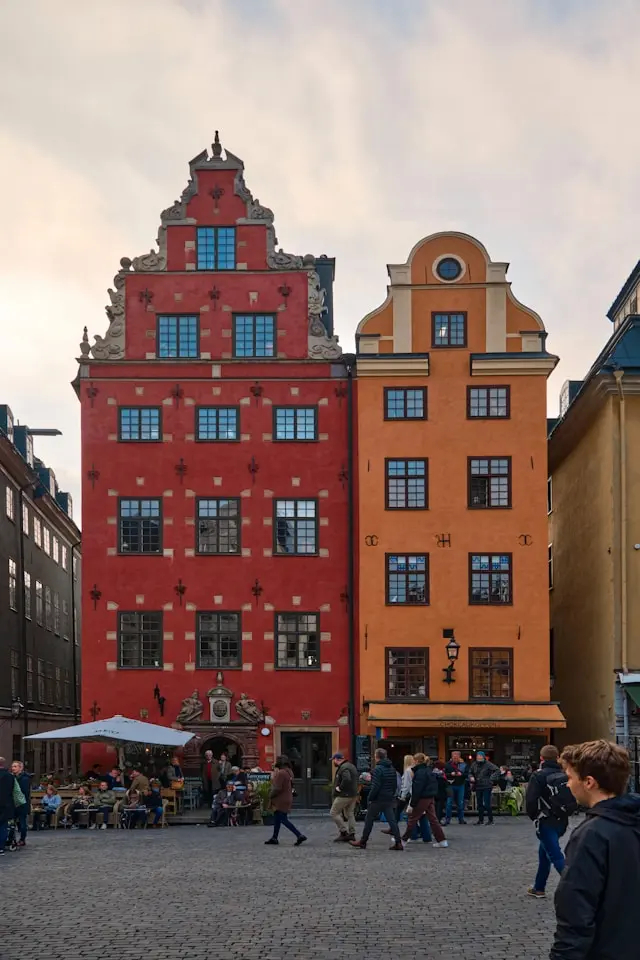
Stockholm's medieval core, with cobbled lanes, colorful facades, and the Royal Palace, one of the largest palaces in Europe and still used for official royal functions. The Nobel Prize Museum and Stockholm Cathedral are both within a short walk.
Museums
The Vasa Museum houses a nearly fully intact 17th-century warship that sank on its maiden voyage and was recovered centuries later - one of the most visited museums in Scandinavia. The ABBA Museum offers an interactive look at Sweden's most famous pop export, and Skansen, the world's oldest open-air museum, recreates historical Swedish life with traditional buildings and a zoo of native wildlife.
Djurgården Island
A green, museum-dense island just outside the center, home to the Vasa Museum, ABBA Museum, Skansen, and Gröna Lund amusement park, and easily reached by tram, bus, or ferry.
City Hall and Views
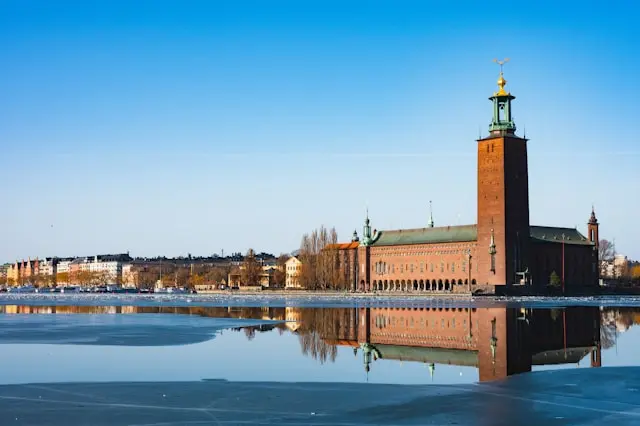
Stockholm's City Hall (Stadshuset), where the Nobel Prize banquet is held each year, offers tower views over the water and can be visited by guided tour. For a free panorama, the Monteliusvägen path along Södermalm's ridge overlooks Lake Mälaren and Gamla Stan.
Neighborhoods to Explore
Gamla Stan
The medieval old town, dense with history, souvenir shops, and some of the city's oldest restaurants. Charming but also the most touristy part of the city, especially around Stortorget square.
Södermalm
A former working-class island turned trendy hub of design shops, cafés, and nightlife, with excellent viewpoints over the water. It's the neighborhood locals most associate with Stockholm's creative, laid-back side.
Norrmalm and Östermalm
Norrmalm is the modern commercial center, home to Stockholm Central Station and major shopping streets, while neighboring Östermalm is the upscale residential district, with the historic Östermalms Saluhall food market and leafy streets.
Vasastan
A quieter, largely residential neighborhood with a strong café culture and turn-of-the-century architecture, popular with visitors wanting a more local, less tourist-facing base.
Djurgården
Not a residential neighborhood so much as Stockholm's museum-and-park island, worth a full day rather than a passing visit given how much is packed into it.
Food in Stockholm
Traditional Swedish Food
Meatballs (köttbullar) with lingonberry jam and cream sauce remain a genuine local staple, not just an export dish, and are found on menus from casual lunch spots to formal restaurants. Gravlax (cured salmon), pickled herring served several traditional ways, and toast skagen (a shrimp and dill open sandwich) round out classic Swedish dining.
Fika Culture
Fika, the daily coffee-and-pastry break, is a genuine social institution rather than a tourist concept, and cinnamon buns (kanelbullar) are the quintessential accompaniment. Café culture is strong across every neighborhood, with Södermalm and Vasastan especially dense with good options.
Markets and Modern Dining
Östermalms Saluhall, a historic indoor food hall, is a good spot for a higher-end lunch or to sample Swedish specialties in one place. Stockholm also has a strong New Nordic fine-dining scene, with several Michelin-starred restaurants reflecting Scandinavia's broader culinary reputation, alongside a growing international and street-food scene, particularly around Södermalm.

Accommodation in Stockholm
Gamla Stan
The most atmospheric base, right in the medieval core, though rooms tend to be smaller, pricier, and the area quiets down and can feel touristy rather than lived-in after dark.
Södermalm
A popular choice for visitors who want a trendier, more local feel with strong nightlife and dining options, generally at a better value than Gamla Stan.
Norrmalm
Convenient for transport, close to Central Station and major shopping, and a practical base for visitors prioritizing logistics over neighborhood character.
Östermalm
The upscale option, with elegant streets and easy access to the Djurgården museums, at a higher price point than Södermalm or Norrmalm.
Day Trips from Stockholm
The Archipelago
Stockholm's archipelago spans more than 30,000 islands and skerries, and boat trips to islands like Vaxholm (close, easy, family-friendly) or Sandhamn (further, more of a genuine island escape) are a signature Stockholm experience in warmer months.
Uppsala
A historic university town about 40 minutes north by train, with a striking cathedral, Viking-era burial mounds, and a livelier, younger energy thanks to its student population.
Sigtuna
Sweden's oldest town, a small and picturesque lakeside settlement with wooden buildings and rune stones, reachable by bus or a bus-and-boat combination.
Drottningholm Palace
A UNESCO-listed royal residence with formal gardens and a well-preserved 18th-century theater, reachable by ferry or metro in under an hour and an easy half-day trip.
Safety Tips in Stockholm
Stockholm is one of the safer major European capitals, with low rates of violent crime affecting visitors. The main practical concerns are minor and largely limited to petty theft in crowded areas.
- Watch bags and pockets in crowded spots like Gamla Stan, Centralen (Central Station), and on busy metro trains
- Winter brings icy pavements; sturdy footwear with good grip matters more than typical city-trip precautions
- Water safety around the archipelago and harbor areas is worth taking seriously if swimming or boating independently
- Public transport and streets are well-lit and safe to use at night by regional standards
- For emergencies, dial 112, the general EU emergency number

Budget & Costs in Stockholm
Stockholm is one of the more expensive European capitals, comparable to or higher than London or Paris for food, drinks, and accommodation, reflecting Scandinavia's generally higher cost of living.
- Coffee and a pastry (fika): roughly 60–90 SEK
- Casual lunch or lunch special (dagens lunch): roughly 120–160 SEK
- Sit-down dinner with a drink: often 300–500 SEK per person or more
- SL single transit ticket: around 43 SEK for a 75-minute journey; multi-day travelcards (24-hour, 72-hour, 7-day) offer better value for longer stays
- Major museum entry (e.g., Vasa Museum): typically 190–220 SEK; a combined attraction pass can be worthwhile for a museum-heavy itinerary
- Mid-range hotel double room: often 1,400–2,200 SEK per night, higher in summer
Note that Sweden is largely cashless - nearly all purchases, including many small ones, are made by card or mobile payment, and some places don't accept cash at all.
Local Customs & Etiquette
Fika and Pace
Fika is a genuine daily ritual, not a tourist gimmick, and taking a proper break for coffee and a pastry mid-morning or mid-afternoon is a normal part of Swedish life, including in workplaces.
Tipping
Service is generally included in the bill, and tipping is modest and optional - rounding up or adding around 10% at a sit-down restaurant for good service is appreciated but never expected or asked for.
Social Norms
Swedes tend toward reserved, understated public behavior; loud conversation, aggressive small talk with strangers, or queue-jumping are more noticeable breaches of etiquette here than in many other cultures. Punctuality is taken seriously for any planned meeting or reservation.
Language
Swedish is the primary language, but English fluency is extremely high across the population, including in shops, restaurants, and public services, so language barriers are rarely an issue for visitors.

Suggested Itineraries
2 Days in Stockholm
Day one: Gamla Stan in the morning, including the Royal Palace, lunch in the old town, afternoon at the Vasa Museum on Djurgården, evening exploring Södermalm's bars and restaurants. Day two: Skansen and the ABBA Museum in the morning, Östermalms Saluhall for lunch, an afternoon walk through Östermalm and Norrmalm, sunset from the Monteliusvägen viewpoint.
3 Days in Stockholm
Follow the two-day plan, then use day three for a boat trip into the archipelago, to an island like Vaxholm for an easier half-day or Sandhamn for a fuller day trip.
5+ Days in Stockholm
Add a day trip to Uppsala or Sigtuna, a half-day at Drottningholm Palace, more time exploring Vasastan's café scene, and a second, more remote archipelago island for those who want a deeper taste of the region beyond the city itself.

Common Questions about visiting Stockholm
How many days do you need in Stockholm? +
Two to three days covers the main museums and old town comfortably, while five or more days lets you add an archipelago trip and nearby towns like Uppsala or Sigtuna.
What is the best time of year to visit Stockholm? +
Summer (June–August) offers the longest daylight and best access to the archipelago but is also the busiest and most expensive, while spring and early autumn offer a good balance of mild weather and smaller crowds.
Is Stockholm expensive? +
Stockholm is one of the pricier European capitals, generally on par with or above London and Paris for food, drinks, and hotels, in line with Scandinavia's higher overall cost of living.
Do you need a visa to visit Stockholm? +
Most non-EU visitors, including from the US, UK, Canada, and Australia, can enter Sweden visa-free for up to 90 days within a 180-day period, though the EU's new ETIAS travel authorization is expected to become required for visa-exempt travelers from late 2026, so it's worth checking current requirements close to your travel date.
Is Stockholm safe for tourists? +
Stockholm is one of the safer major European capitals, with low rates of violent crime against visitors, and the main practical concern is minor pickpocketing in crowded tourist spots.
How do you get around Stockholm? +
The Tunnelbana metro is fast and covers the city well, with several stations worth visiting for their art alone, and the compact center is very walkable; multi-day travelcards are the best value for stays longer than a day or two.
What's the best area to stay in Stockholm? +
Gamla Stan suits visitors who want to be in the heart of the old town, Södermalm offers a trendier, better-value alternative, Norrmalm is convenient for transport, and Östermalm suits those wanting a quieter, upscale stay.
What day trips pair well with a Stockholm visit? +
The archipelago is the signature day trip, with islands like Vaxholm easy for a half-day and Sandhamn better for a full day, while Uppsala, Sigtuna, and Drottningholm Palace all make for easy inland excursions.
Is Stockholm good for families or solo travelers? +
Stockholm works well for both: Skansen and the Vasa Museum appeal strongly to families, while its safety, walkability, and strong English fluency make it easy and comfortable to navigate solo.
What do first-time visitors often get wrong about Stockholm? +
Underestimating how expensive dining out is and not budgeting accordingly, and trying to fit Djurgården's museums into a rushed afternoon rather than giving the island the better part of a day.