
Table of Contents
Overview
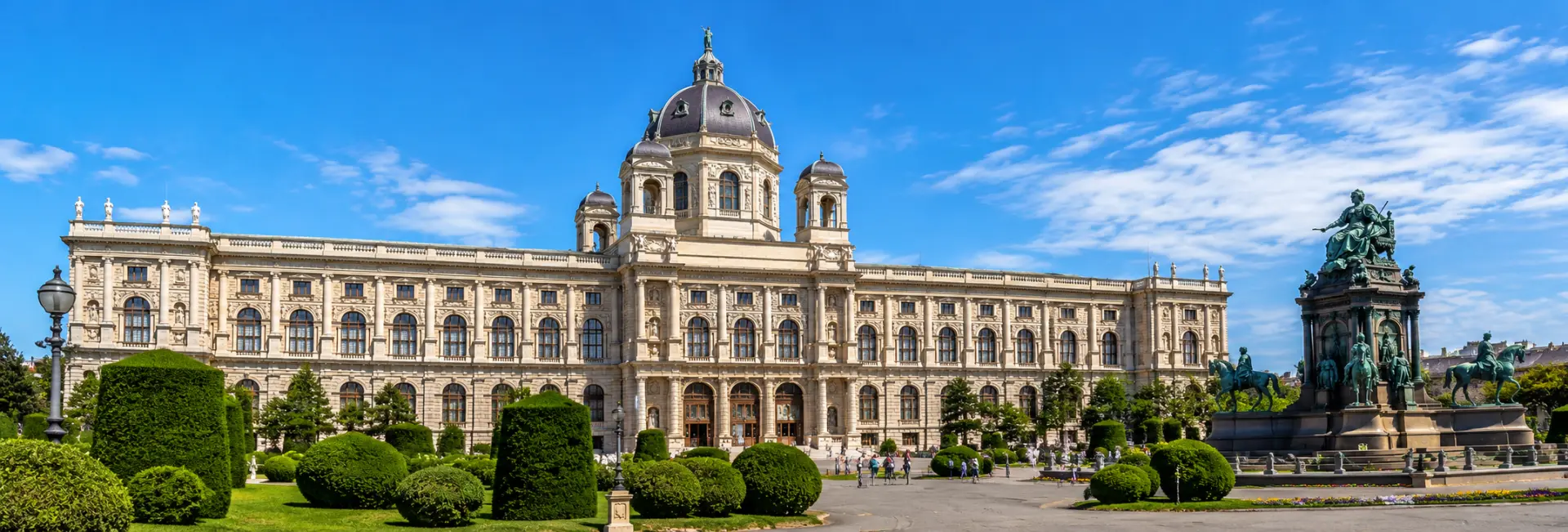
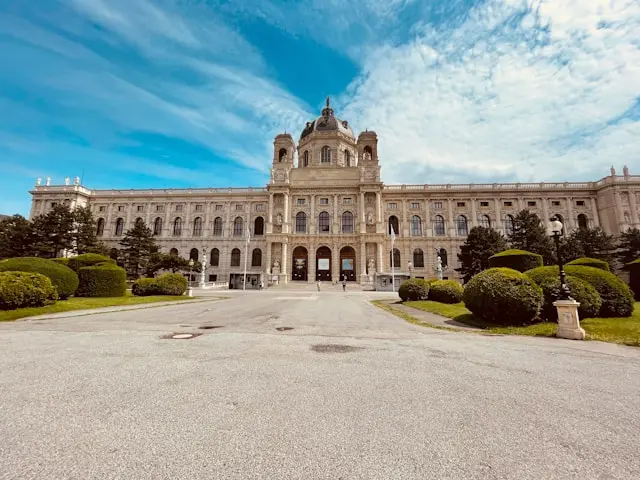
The Kunsthistorisches Museum, or Museum of Art History, is one of the world's great repositories of Old Masters painting and one of Vienna's most architecturally striking buildings. Commissioned to display the vast art collections assembled by the Habsburg dynasty over roughly five centuries, it opened on Vienna's Ringstrasse in 1891 as a purpose-built palace for imperial treasures rather than a converted older structure.
Facing its twin, the Natural History Museum, across the formal square of Maria-Theresien-Platz, the museum pairs an interior as impressive as its collection: a central domed rotunda, sweeping marble staircases, and ceiling paintings by some of the leading artists of their day set the stage before visitors even reach the galleries.
History
An Imperial Commission
Emperor Franz Joseph I commissioned the museum as part of the broader Ringstrasse development that reshaped central Vienna in the second half of the 19th century. The project was intended to give the Habsburgs' centuries-old art collection a permanent, publicly accessible home worthy of its scale and significance.
Design by Committee, Then by Semper
An initial design competition in the 1860s failed to produce a clear winner, prompting Emperor Franz Joseph to bring in the internationally known architect Gottfried Semper to revise and expand plans originally proposed by Karl von Hasenauer. The pair, who also designed Vienna's Burgtheater together, envisioned the museum and its twin as part of a larger unrealized "Kaiserforum" complex intended to link the buildings to the Hofburg palace.
Construction and Opening
Construction ran from 1871 to 1891, with the museum formally opening to the public on 17 October 1891. The 20th century brought disruption of its own: Nazi authorities confiscated artworks from Jewish collectors during the 1938 to 1945 period, scattering pieces across occupied Europe, and Allied bombing caused damage to parts of the building during the war. Restitution efforts and structural repairs continued for decades afterward, alongside a major renovation between 2003 and 2013 that modernized the building's infrastructure while preserving its historic interiors.
Architecture & Design
A Renaissance Revival Palace
Designed in an ornate Renaissance Revival style, the museum's exterior deliberately echoes the grandeur of earlier European palaces and civic buildings, positioning the Habsburgs within a long tradition of art patronage stretching back to the Renaissance.
The Central Rotunda
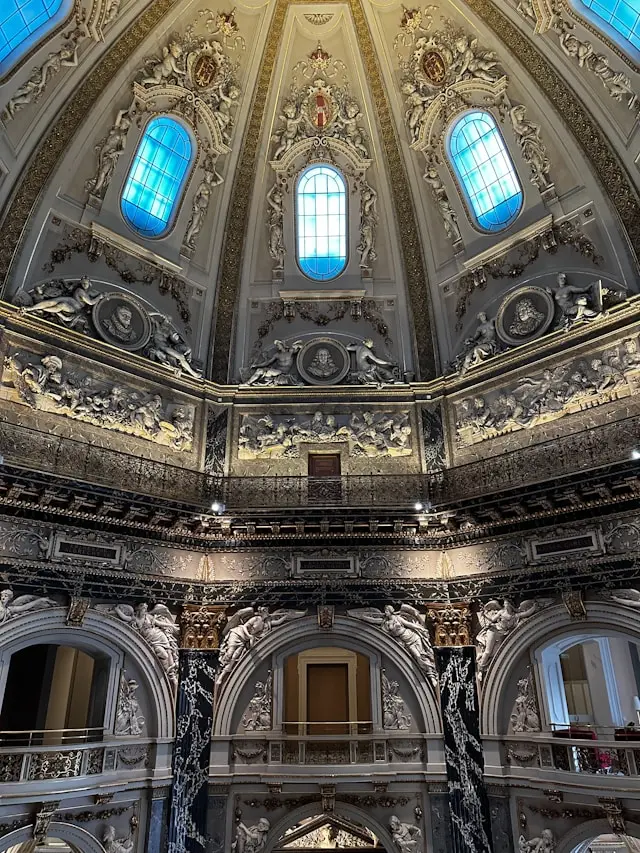
At the heart of the building, a domed rotunda rises above the entrance hall, drawing the eye upward through layers of gilding and fresco work. It functions as much as a ceremonial space as a passageway between wings, and many visitors pause here before continuing into the galleries.
The Grand Staircase
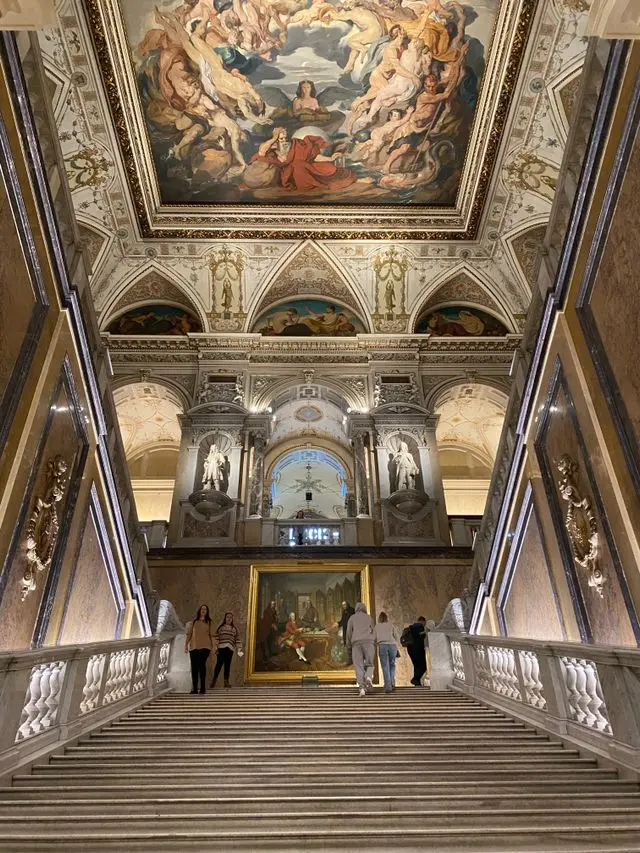
The staircase leading up from the entrance is decorated with allegorical ceiling paintings created by Gustav Klimt, his brother Ernst Klimt, and Franz Matsch, with additional design contributions from Hans Makart before his death in 1884. The result is one of the most elaborate painted interiors in any European museum, predating Gustav Klimt's later fame by more than a decade.
Collection Highlights
The museum's holdings are organized into several distinct collections, each occupying its own galleries:
- The Picture Gallery houses the museum's most famous Old Masters paintings, including the world's largest collection of works by Pieter Bruegel the Elder, alongside major works by Titian, Rubens, Caravaggio, Vermeer, and Velázquez.
- The Kunstkammer Wien, or Chamber of Art and Curiosities, displays Habsburg decorative arts and precious objects, including Benvenuto Cellini's famous gold Saliera salt cellar.
- The Egyptian and Near Eastern Collection traces thousands of years of ancient history through artifacts gathered by the Habsburgs and later expeditions.
- The Greek and Roman Antiquities collection covers Mediterranean art and archaeology across multiple galleries.
- A numismatic collection, the Coin Cabinet, holds one of the largest currency collections in the world, though it is typically viewed on a more limited schedule than the main galleries.
Notable Features & Highlights
Beyond its named collections, a few features stand out to first-time visitors:
- The rotunda café, set directly beneath the central dome, offers one of the more memorable settings for a coffee break inside any museum in Europe.
- The Kunstkammer reopened in 2013 after being closed to the public for more than a decade, restoring access to one of the museum's richest collections of decorative and precious objects.
- The building's twin across the square, the Natural History Museum, was designed by the same architects and shares a near-identical exterior, making the pair a distinctive matched set on the Ringstrasse.
- The museum is part of the KHM-Museumsverband, a wider association that also includes the Weltmuseum Wien and the Theatermuseum.
Ways to Experience It
Given the size of the collection, most visitors benefit from choosing a focus rather than attempting to see everything in one visit.
- Prioritize the Picture Gallery if Old Masters painting is the main interest, since it holds the museum's best-known works.
- Visit the Kunstkammer for a change of pace, moving from paintings to jewel-like decorative objects and curiosities.
- Join a guided tour or use an audio guide to get context on the building's history alongside the art itself.
- Pause in the rotunda café partway through a visit rather than trying to see every gallery in one continuous walk.
- Check for temporary exhibitions, which regularly bring loaned works and thematic shows into the museum's special exhibition spaces.
Visiting Etiquette & Tips
A few practical points help make the most of a visit to such a large museum.
- Photography without flash is generally permitted in most galleries, though rules can vary for temporary exhibitions, so check signage as you go.
- Large bags and coats typically need to be checked at the cloakroom before entering the galleries.
- Plan for at least two to three hours if aiming to see the main collections properly, longer if a temporary exhibition is also on view.
- Comfortable shoes are worth the effort given the scale of the building and the amount of walking between wings.
- Advance tickets can help avoid queues during peak tourist season, particularly around midday.
Best Time to Visit
Weekday mornings shortly after opening tend to offer the calmest experience of the main galleries, before tour groups and midday crowds build up. The museum can get busy on weekends and during major temporary exhibitions, so checking the schedule in advance helps with timing a visit.
Because the collection is entirely indoors, the museum also makes a good option for rainy or cold days, when Vienna's outdoor sights are less appealing.
Nearby Attractions
Maria-Theresien-Platz sits at the edge of Vienna's inner city, within walking distance of several other major sights.
- The Natural History Museum stands directly across the square, sharing the same architectural style and era.
- The Hofburg Palace and MuseumsQuartier are both a short walk away, making it easy to combine several museum visits in one day.
- The shopping streets of the inner city, including Mariahilfer Strasse, are within easy reach on foot.
- The Vienna State Opera and St. Stephen's Cathedral are both a manageable walk or short tram ride from the museum.
FAQs about visiting the Kunsthistorisches Museum
How much time should I plan for a visit? +
Most visitors need at least two to three hours to see the main collections, and longer if a temporary exhibition is also on view alongside the permanent galleries.
What is the museum most famous for? +
It's best known for its Picture Gallery, which includes the world's largest collection of paintings by Pieter Bruegel the Elder, alongside major works by Vermeer, Titian, and other Old Masters.
Is the Kunstkammer included in a general admission ticket? +
Yes, the Kunstkammer's collection of decorative arts and curiosities is included in standard admission alongside the museum's other permanent collections.
Is photography allowed inside? +
Photography without flash is generally allowed in most permanent galleries, though rules can vary for temporary exhibitions, so it's worth checking posted signage.
What's the difference between this museum and the Natural History Museum across the square? +
Though the two buildings look nearly identical and were designed by the same architects, the Kunsthistorisches Museum houses art and antiquities, while the Naturhistorisches Museum across the square is dedicated to natural history and science collections.
Is there somewhere to eat inside the museum? +
Yes, a café sits directly beneath the museum's central rotunda, offering a striking setting for a break partway through a visit.
How do I get to the museum? +
The museum sits at Maria-Theresien-Platz, within walking distance of the Museumsquartier and Volkstheater U-Bahn stations, as well as several tram lines along the Ringstrasse.
