
Table of Contents
Introduction
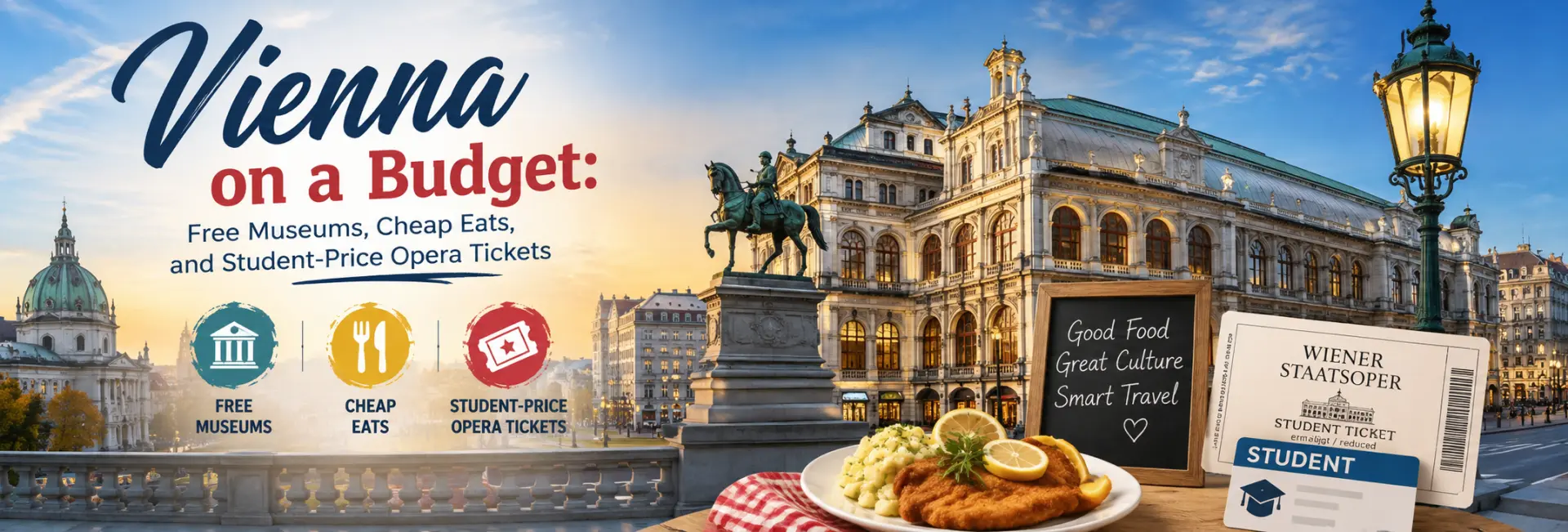
Vienna has a reputation as one of Europe's more expensive capitals, and in some ways that's fair - a seated ticket at the State Opera can run into the hundreds of euros, and the big-name museums charge €17 to €22 at the door. But the city also has a long, almost stubborn tradition of making its culture accessible to people who can't or won't pay those prices. Standing-room opera tickets have existed for over a century specifically so that students and working Viennese could hear world-class singers. Museums open their doors for free on set days each month. Bakeries and sausage stands feed half the city on a few euros a day.
This guide is built around that second Vienna - the one that doesn't show up in glossy hotel brochures. It covers which museums cost nothing, where to eat well without a reservation or a big bill, how to get into the opera for the price of a coffee and a pastry, and how to string it all together into a full day that costs less than a single seated opera ticket.
Free and Nearly-Free Museums
Vienna doesn't run a citywide free-Sunday program the way Paris or Madrid do, so it pays to know exactly which museums are free and when - otherwise you'll end up paying full admission at places that were free an hour earlier or later that same day.
Always Free
A handful of museums charge nothing, any day, no conditions. The Wien Museum Karlsplatz, reopened after a major renovation, tells the story of the city from Roman settlement to the present across three floors and includes original Klimt works - it's the only major art museum in Vienna with a genuinely free permanent collection. Its sister site, Wien Museum MUSA, focusing on 20th and 21st-century Viennese art, is also free year-round.
First Sunday of the Month
On the first Sunday of every month, a cluster of city-run museums waives admission entirely. This typically includes the Roman Museum, the Clock and Watch Collection, the Hermesvilla in the Lainz Game Reserve, and the Museum of Military History. Because the crowd is bigger than usual, arrive close to opening time, especially in winter when indoor activities are in higher demand.
Evening Windows and Special Days
The Leopold Museum, home to the world's largest Egon Schiele collection, opens free of charge from 6 to 9 p.m. on the first Thursday of each month - one of the better free-culture deals in the city, since a standard daytime ticket runs around €19. Kunsthalle Wien, the city's contemporary art space, is free on the last Sunday of the month. The Secession, famous for Klimt's Beethoven Frieze, offers free entry on the first Wednesday of the month.
Free for Under-19s
Several federal museums, including the Museum of Military History and parts of the Volkskunde (folk life) museum, admit visitors under 19 for free with ID, all year. If you're traveling with teenagers, this alone can cut a family's museum budget significantly.
- Wien Museum Karlsplatz and Wien Museum MUSA - free every day
- Roman Museum, Clock Collection, Hermesvilla, Military History Museum - free first Sunday of the month
- Leopold Museum - free 6–9 p.m. on the first Thursday of the month
- Kunsthalle Wien - free last Sunday of the month
- Secession - free first Wednesday of the month
- Long Night of Museums (early October) - one €19 ticket covers over 700 museums across Austria until 1 a.m.
If your trip doesn't line up with any of these dates, the Kunsthistorisches Museum, Upper Belvedere, and Albertina don't run free days, so budget for those separately if seeing Vermeer, Klimt's Kiss, or the Albertina's graphic arts collection is a priority.
Cheap Eats: Where Locals Actually Eat
Vienna's cheap food isn't a downgrade from its fine dining - it's its own tradition, and in several cases it's older than the fancy version. A full day of eating well here can cost less than a single main course at a tourist-facing restaurant near St. Stephen's Cathedral.
Würstelstände (Sausage Stands)
The Würstelstand is Vienna's answer to the food truck, and it's recognized as intangible cultural heritage. A Käsekrainer - a smoked pork sausage stuffed with cubes of cheese - costs roughly €4 to €8 depending on the stand, served with mustard and a bread roll. Leo's, near the Naschmarkt, is one of the oldest and most consistent. Bitzinger, behind the Hofburg, stays open into the early morning hours and draws an after-theater crowd.
Trzesniewski
Open since 1902, this stand-up sandwich counter serves more than twenty varieties of small open-faced sandwiches on dark rye - egg and onion, herring, salmon cream cheese, paprika spread - for around €1.40 to €2.50 each. Most people order four to six and pair them with a small beer, a combination locals call a "Pfiff." There's no seating; you eat standing at the counter, which is part of the tradition rather than a limitation.
The Naschmarkt
Vienna's largest and oldest market, running Tuesday through Saturday, mixes produce stalls with counter-style food from a dozen different cuisines - falafel wraps, South Indian dosas, Shanxi Chinese noodles, and Vietnamese pho, most in the €8 to €13 range for a generous portion. It's also one of the easiest places in the city to eat well as a vegetarian or vegan without hunting for a specialty restaurant.
Bakeries and Lunch Specials
Austrian bakery chains like Anker and Ströck are everywhere in the city center and sell pastries, sandwiches, and savory lunch items cheaply - a breakfast pastry and coffee typically runs €5 to €7. For a hot sit-down meal, look for a "Mittagsmenü" (lunch special) sign outside a Beisl, a traditional Viennese tavern; these usually bundle a soup and main course for €8 to €12 on weekdays, a fraction of the evening à la carte price at the same restaurant.
- Käsekrainer at a Würstelstand - roughly €4–8
- Trzesniewski open-faced sandwiches - €1.40–2.50 each, four to six is typical
- Naschmarkt street-food counters - roughly €8–13 per meal
- Bakery breakfast or lunch item plus coffee - €5–10
- Beisl weekday Mittagsmenü (soup plus main) - €8–12
Standing-Room Opera: Culture for the Price of a Sandwich
Seated tickets at the Vienna State Opera can run from around €60 for a mid-range balcony seat up to several hundred euros for a premium seat during a star performance. Standing-room tickets are a different system entirely, and they're what make Vienna's opera scene genuinely accessible.
How It Works
The State Opera reserves several hundred standing places for every performance, split across three sections: parterre (ground floor, behind the seated rows), gallery, and balcony. These are sold only on the day of the performance and cannot be booked in advance. Prices run roughly €13 to €18 depending on the section, with balcony typically the cheapest and gallery often considered the best value for sound and sightline. Every standing-room spot comes with its own small personal subtitle screen, offering translations in several languages.
Getting a Ticket
Standing-room tickets go on sale online through the Staatsoper's own ticket shop starting at 10 a.m. on the day of the show, which has largely replaced the old system of queuing outside the building for hours. It's still worth checking early, since popular productions and star casts sell out their standing allocation quickly. Once you're inside, standing-room ticket holders traditionally tie a scarf to the railing in their spot to mark it as reserved before stepping out during intermission - an unofficial but widely respected custom.
What to Expect
Performances typically run two to three hours, and while the ticket is called "standing room," most people sit on the carpeted floor for at least part of a longer show - nobody will stop you. There's no dress code for standing room specifically; smart-casual is the norm, though the seated sections below tend to dress more formally, especially for premieres.
- Standing-room tickets: approximately €13–18, sold same-day only
- Sales open online at 10 a.m. on performance day
- Roughly 500+ standing places available per show, split across three sections
- Each spot includes a personal subtitle screen in multiple languages
- The opera season runs September through June; the house is closed in July and August
If you can't make it inside for a full performance, the Staatsoper also runs a roughly 40-minute guided backstage tour most days for around €13 to €14 (less for under-27s), which covers the auditorium, the imperial reception rooms, and the mechanics of the stage.
Getting Around Without Overspending
Vienna's compact center means a lot of the city is walkable, but public transport is cheap enough that it rarely makes sense to pay for taxis or ride-hailing apps except late at night.
Public Transport Passes
A single U-Bahn, tram, or bus ticket covers unlimited transfers for the length of one continuous journey, but if you're moving around often, a 24-hour or 48-hour Vienna transport pass is better value and can be bought from ticket machines at any station. Children under six travel free at all times, and on Sundays, public holidays, and school holidays, children under fifteen ride free with a paying adult.
Walking and Cycling
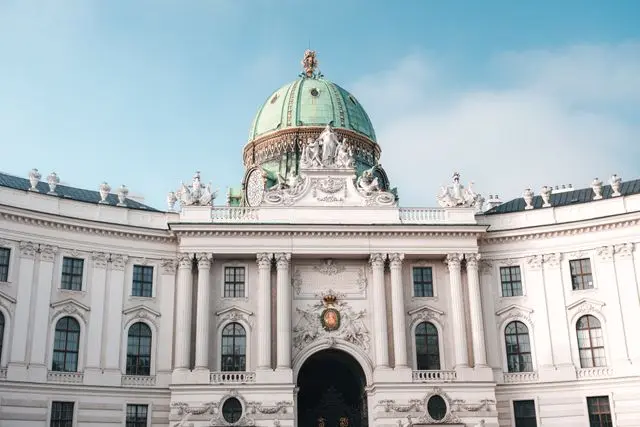
The First District (Innere Stadt), where the cathedral, opera house, and Hofburg all sit, is small enough to cross on foot in about twenty minutes. Vienna's bike-share system, Citybikes, offers the first hour free after a small one-time registration fee, which makes it a genuinely cheap way to cover longer distances like the ride out to Schönbrunn or along the Danube Canal.
- Single transport ticket covers one continuous trip with transfers
- 24-hour and 48-hour passes are better value for a packed sightseeing day
- Under-6s free always; under-15s free on Sundays, holidays, and school holidays
- Citybikes: first hour free after registration
A Sample Budget Day in Vienna
Here's how a full day might look if you're trying to see and taste a real cross-section of the city without overspending - assuming you time it, where possible, around a free-museum day.
Morning
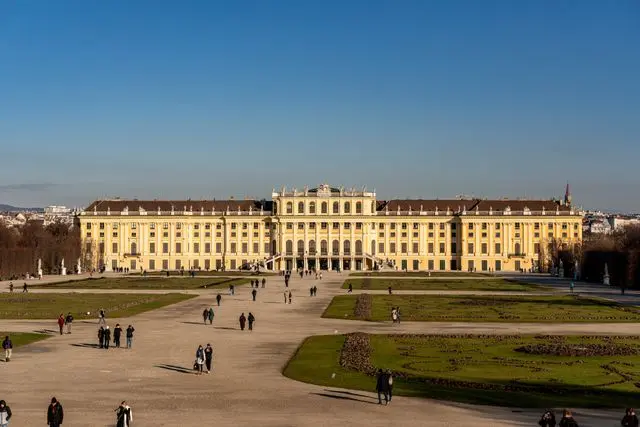
Start with a bakery breakfast - a pastry and a coffee at an Anker or Ströck branch, roughly €5 to €7 - then walk the free gardens at Schönbrunn Palace before the grounds get crowded. The palace interior charges admission, but the gardens themselves are free to enter.
Midday
Head to the Wien Museum Karlsplatz, free every day, for an hour or two among Roman artifacts, medieval sculpture, and original Klimt paintings. Follow it with lunch at the Naschmarkt - a falafel wrap or a dosa, around €10.
Afternoon
If your visit lands on the first Thursday of the month, time a stop at the Leopold Museum for its free 6–9 p.m. window to see the Schiele collection at no cost. Otherwise, spend the afternoon wandering the Ring, the boulevard circling the city center, which is free and lined with grand 19th-century architecture.
Evening
Grab a Käsekrainer from a Würstelstand for an early dinner, around €6, then check the State Opera's ticket shop at 10 a.m. that same morning (or the day before if it's already sold out) for a standing-room spot, roughly €15. A subtitled, world-class performance for less than the cost of a cinema ticket in most Western capitals.
Rough total for the day: somewhere between €35 and €45 per person, covering breakfast, a museum, lunch, dinner, and an opera performance.
Conclusion
Vienna rewards travelers who plan a little rather than those who just show up and pay whatever's in front of them. The free museum calendar, the standing-room ticket system, and the city's deep bakery-and-sausage-stand culture aren't backup options for people who can't afford the "real" Vienna - they're how a huge share of Viennese people actually experience their own city's culture. Build a day or two around free museum windows and same-day opera tickets, eat where the lunch crowd is local rather than touristic, and Vienna's imperial grandeur turns out to be a lot more affordable than its reputation suggests.
Frequently Asked Questions
Can you really see Vienna's top sights without spending much money? +
Yes, with planning. Museum entry is the biggest variable cost, and several major collections — including the Wien Museum's permanent exhibits — are free every day, with others free on specific dates each month.
How much does a standing-room opera ticket actually cost? +
Standing-room tickets at the Vienna State Opera typically run about €13 to €18 depending on the section, sold only on the day of the performance through the opera's own ticket shop.
Do I need to queue for hours to get a standing-room opera ticket? +
Not anymore. Tickets go on sale online at 10 a.m. on the day of the performance, though popular shows with star casts can still sell out quickly, so it helps to check early.
Which Vienna museums are free every single day? +
Wien Museum Karlsplatz and Wien Museum MUSA are free year-round with no conditions, and both include work by Gustav Klimt among other Viennese art and history.
What's the cheapest way to eat well in Vienna? +
A Würstelstand sausage, a handful of Trzesniewski open-faced sandwiches, or a Naschmarkt street-food plate will all run somewhere between €4 and €13, and all three are considered authentic Viennese eating rather than a budget compromise.
Is the Naschmarkt good for vegetarians and vegans on a budget? +
Yes, it's one of the easiest spots in the city to find plant-based meals like falafel wraps and vegetable curries without paying restaurant prices.
Do children get free entry to Vienna's museums and transport? +
Many federal museums admit under-19s free with ID, and on public transport, children under six always ride free while under-15s ride free on Sundays, holidays, and school holidays.
Is it worth buying a multi-day transport pass instead of single tickets? +
If you're sightseeing across the city for more than a couple of trips a day, a 24-hour or 48-hour pass is usually better value than buying single tickets each time.
What's the biggest mistake budget travelers make in Vienna? +
Not checking free-museum dates in advance and instead paying full admission at institutions like the Leopold Museum or Kunsthalle Wien on a day when entry would otherwise have been free.
Are prices in this guide guaranteed to stay the same? +
No — museum free-day schedules, opera ticket prices, and food prices can change, so it's worth confirming current details on official sites shortly before your trip.
