
Table of Contents
Introduction
Moscow is vast, ambitious and full of contrasts. Gilded domes stand beside glass towers, Soviet-era monuments sit next to elegant parks, and a metro system built like a palace carries millions of people every day. Founded in the twelfth century, the city has been the centre of Russian political and cultural life for hundreds of years, and it shows in its architecture, museums and theatres.
This guide covers the sights, museums, food and local habits that define the city, along with day trips, neighbourhoods and getting around. Because travel to Russia currently involves extra planning, it also begins with a clear look at entry rules, advisories and payments.
Before You Go: Entry Rules, Advisories and Payments
Travel to Russia is not as straightforward as it once was, and conditions can change quickly. Treat the points below as a starting checklist, and confirm everything with official sources close to your travel date.
- Government advisories: several governments, including the United States, currently advise against travel to Russia. Read your own government's latest guidance, check what consular help is available and decide for yourself whether the trip is right for you.
- Visas: most visitors need a visa. Citizens of many countries can apply for an electronic visa, while others must use the traditional embassy process, so check eligibility with official Russian sources.
- Flights: direct routes from many countries are limited or unavailable, so itineraries often connect through third countries. Flights can also be delayed or diverted at short notice, so keep your plans flexible and choose insurance that covers disruption.
- Payments: Visa and Mastercard cards issued outside Russia generally do not work in shops, at ATMs or on transport. Plan to carry enough cash, or arrange a Russian Mir card or a UnionPay card, and have a backup option.
- Bookings: some international booking platforms do not operate in Russia, so research how to reserve and pay for hotels before you travel.
- Connectivity: some foreign websites and apps may be unavailable or restricted, so download offline maps, translation tools and your documents before departure.

Best Places to Visit in Moscow
Red Square and St. Basil's Cathedral
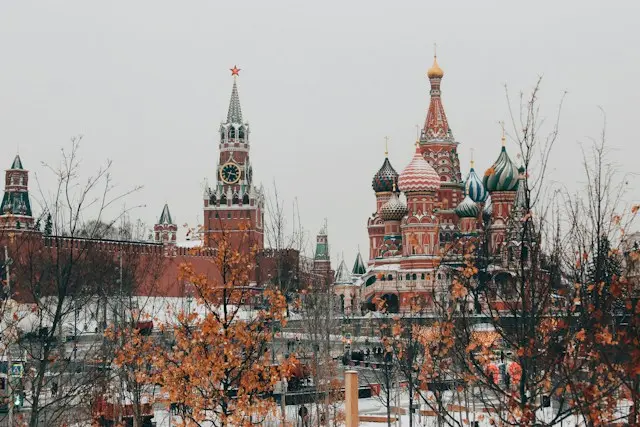
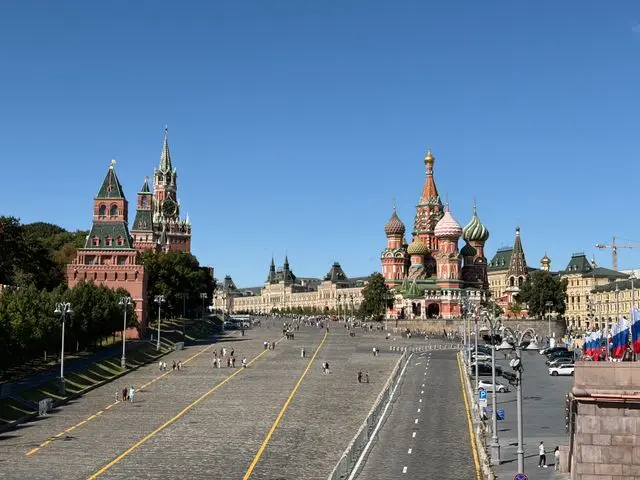
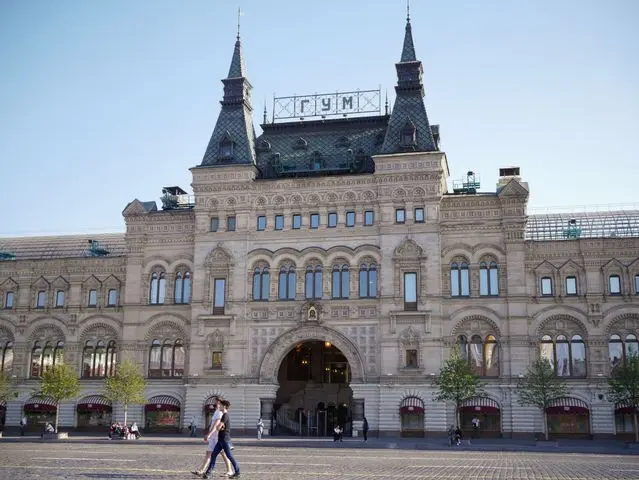
Red Square is the symbolic heart of the city, bordered by the Kremlin wall, the State Historical Museum and the grand arcades of GUM. At its southern end stands St. Basil's Cathedral, commissioned by Ivan the Terrible in the sixteenth century, with its colourful, twisting domes that look like nothing else in Europe. Visit early in the morning or after dark, when the square is quieter and beautifully lit.
The Kremlin
This fortified complex contains cathedrals, palaces and museums. Cathedral Square, home to the Dormition, Annunciation and Archangel cathedrals, is the most atmospheric part, while the Armoury Chamber displays royal treasures and operates on timed entry. The Kremlin museums are closed on Thursdays, arrival queues and security checks can be long, and tickets are best bought from the official site because fake sellers operate online.
Zaryadye Park
Just beside Red Square, this modern park opened in 2017 and blends landscaped zones inspired by Russian landscapes with a floating bridge that juts out over the Moskva River. It offers a fresh, open counterpoint to the monuments next door and some of the best views of the Kremlin.
Arbat Street
Old Arbat is a pedestrian street lined with cafés, souvenir stalls and street musicians. It is touristy, but it is also steeped in literary history and makes a pleasant evening stroll between sights.
Sparrow Hills
This hilltop viewpoint overlooks the river and the city skyline, with the monumental main building of Moscow State University rising behind you. Go at sunset for sweeping views and a calm break from the pace of the centre.
Cathedral of Christ the Saviour
The largest Orthodox cathedral in Russia was rebuilt in the 1990s after its Soviet-era demolition. Its white walls and gold domes make it an easy landmark to include on a riverside walk.
Art, Museums and Culture
The Moscow Metro
Opened in 1935, the metro is a destination in its own right. Stations such as Komsomolskaya, Mayakovskaya, Kievskaya and Novoslobodskaya showcase marble, mosaics, stained glass and chandeliers. At Ploshchad Revolyutsii, passengers rub the nose of a bronze dog statue for good luck.
Tretyakov Gallery and Pushkin Museum
The Tretyakov Gallery holds the finest collection of Russian art, from medieval icons to the early twentieth century. The Pushkin Museum focuses on European art and antiquities. Opening days vary, so confirm hours before you plan your route.
Bolshoi Theatre
Founded in 1776, the Bolshoi remains one of the world's great stages for ballet and opera. Book tickets through official channels, as resale scams are common and popular performances sell out early.
Novodevichy Convent
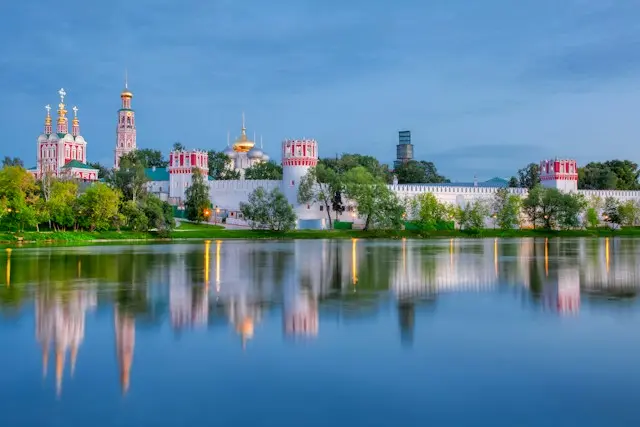
A UNESCO World Heritage Site beside a quiet pond, this sixteenth-century convent is paired with a nearby cemetery where many writers, composers and public figures are buried. It is peaceful, photogenic and rich in history.

Things to Do in Moscow
Relax in Gorky Park
Moscow's best-known riverside park offers cycling, boat rentals, outdoor cafés and open-air events in summer, then turns into an ice-skating venue in winter. It is a good way to see how locals spend their free time.
Explore VDNKh
This sprawling exhibition complex from the Soviet era is filled with ornate pavilions, fountains and wide boulevards. Nearby, the Cosmonautics Museum tells the story of Russian space exploration.
Visit Kolomenskoye
This green riverside estate is home to the sixteenth-century Church of the Ascension, a UNESCO-listed landmark with a distinctive tent-shaped tower. It is an easy escape from the city bustle and especially pretty in autumn.
Try a Traditional Banya
Russian bathhouses combine steam rooms, birch-twig massages and cold plunges. Historic venues such as the Sandunovsky Baths offer a lavish version of the experience, while smaller neighbourhood banyas feel more local.
Take a River Cruise
Boats along the Moskva River pass the Kremlin, the Cathedral of Christ the Saviour and many other landmarks, offering a relaxed way to see the skyline from the water.
Local Food and Everyday Experiences
Classic Russian Dishes
Start with borscht, the beetroot soup served with sour cream, and pelmeni, small meat dumplings often eaten with butter or vinegar. Other staples include solyanka, a tangy, hearty soup, and Olivier salad, a mayonnaise-based potato salad served at celebrations.
Bakery and Sweet Favourites
Look for blini (thin pancakes), syrniki (fried curd cakes) and pirozhki, which are small stuffed pies. Medovik, a layered honey cake, is a popular dessert, often paired with tea.
Stolovaya Canteens
These self-service canteens serve simple home-style dishes at modest prices and are a quick way to sample several local foods at once. Many are casual and busy at lunchtime.
Georgian Food and Kvass
Georgian cuisine is hugely popular in Moscow, so khachapuri (cheese bread) and khinkali (soup dumplings) are easy to find. Wash them down with kvass, a lightly fermented bread drink, or a pot of tea.

Day Trips from Moscow
Sergiev Posad
Home to the Trinity Lavra of St. Sergius, a UNESCO-listed monastery and a major pilgrimage site, this town is reachable by suburban train in roughly an hour and a half. The blue and gold domes and busy monastery grounds make it a rewarding half-day trip.
Vladimir and Suzdal
These two Golden Ring towns hold some of Russia's oldest churches and monasteries, with Suzdal offering a more rural, wooden-house atmosphere. They are better suited to an overnight stay than a rushed day trip.
Saint Petersburg
The high-speed Sapsan train links the two cities in around four hours, making it possible to combine them in one trip. Book tickets early, especially in summer.
Where to Stay in Moscow
Moscow is huge, so location matters more than anything else. The metro makes most areas easy to reach, but staying central saves time.
- Around Red Square and Tverskaya: closest to the main sights, with the widest choice of hotels but higher prices.
- Arbat and Kropotkinskaya: atmospheric, walkable and close to the river and major museums.
- Kitay-Gorod and Zaryadye: historic, lively and well connected, with plenty of restaurants.
- Near a major railway station: convenient for onward trains but busier and less scenic.
Hotels register foreign guests as part of the check-in process, so keep your passport and visa documents ready.
Getting Around Moscow
The metro is the quickest and most efficient way to get around, with trains running frequently from early morning until about one in the morning. Stations are signed in Cyrillic, with English signage on many lines, so learning to recognise a few station names helps. Because foreign cards generally do not work for fares, check in advance how you will pay, whether with cash at ticket windows or a Troika card.
Surface transport includes buses, trams and taxis, though a metro map and a translation app will help you navigate. Walking is ideal in the centre, where the main sights are close together, but distances elsewhere are far greater than they look on a map.
Best Time to Visit and Practical Tips
Late May to September is the most comfortable period, with long daylight hours, green parks and outdoor terraces. Winter is cold, snowy and dark early, yet it brings a festive atmosphere, ice rinks and illuminated streets. Spring and autumn are changeable but quieter.
- Carry your passport, visa and any migration paperwork, and keep digital copies stored separately.
- Avoid photographing police, military sites and government buildings, and follow signs and staff instructions.
- Dress for the season, since winters are severe and summers can be hot, and cover shoulders and knees when entering Orthodox churches.
- Download offline maps and a translation app, as English is not widely spoken outside tourist areas.
- Buy tickets for the Kremlin, Bolshoi and other major sights from official sources only.
- Check museum closing days before heading out, as they vary from site to site.
Conclusion
Moscow rewards visitors who plan carefully and arrive curious. With a few days you can see Red Square, the Kremlin, a handful of museums and the metro, then add a banya, a park and a long Russian dinner.
Before committing, review current entry rules, advisories and payment options, then keep your plans flexible so that you can enjoy the city with confidence.
Frequently Asked Questions
How many days do you need in Moscow? +
Three to four days is enough for Red Square, the Kremlin, major museums and the metro, while five days lets you add a day trip or two at a relaxed pace.
Is English widely spoken in Moscow? +
English is common in major hotels and some restaurants but less so elsewhere, so a translation app and a basic grasp of the Cyrillic alphabet are very useful.
Can I combine Moscow with Saint Petersburg? +
Yes, the Sapsan high-speed train takes about four hours, and many travellers spend three or four days in each city.
Is the Moscow Metro easy for visitors? +
Yes, it is fast, frequent and logically organised, though signage is mainly in Russian, so a map in English and a translation app help.
Do you need to tip in Moscow? +
Tipping is customary in restaurants if service is not already included, with around ten percent being typical, while rounding up is usual for taxis and smaller services.
Is tap water safe to drink in Moscow? +
Tap water is treated, but many residents and visitors prefer bottled or filtered water, so it is simplest to buy bottled water.
What souvenirs should I bring back? +
Popular choices include matryoshka nesting dolls, painted wooden items, tea and sweets, and traditional shawls, best bought from established shops and markets rather than street stalls.