
Table of Contents
Introduction
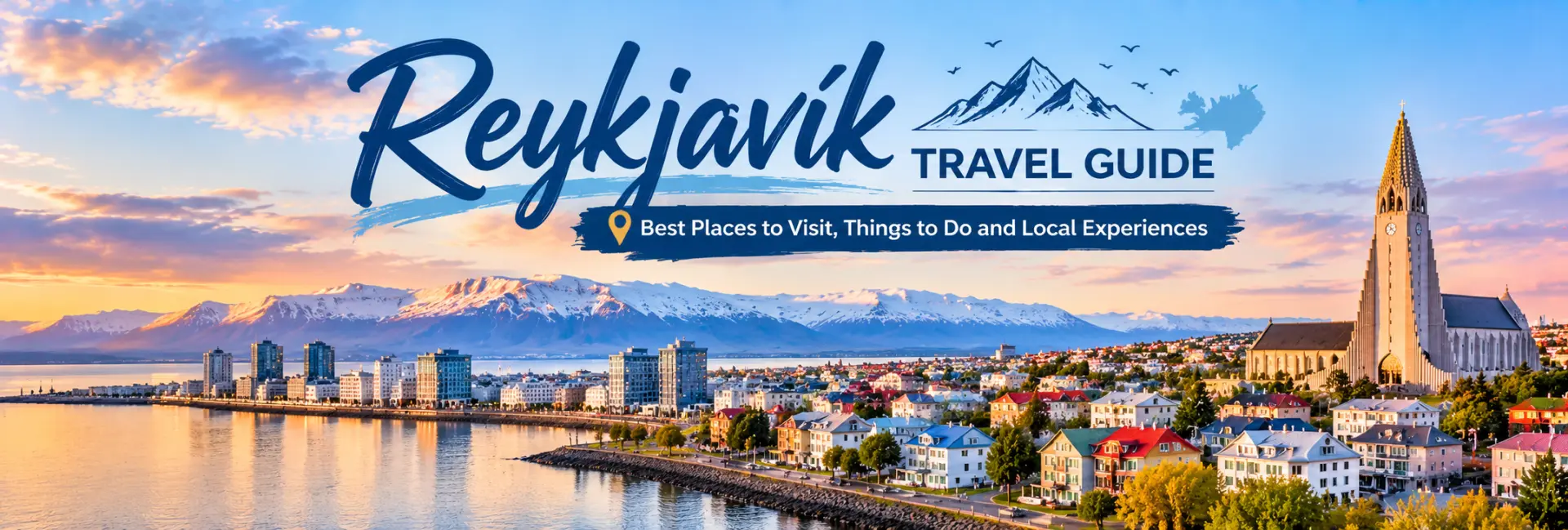
Reykjavík is the northernmost capital of a sovereign state, and it feels like nowhere else in Europe. Brightly painted houses sit under snow-capped mountains, steam rises from geothermal pools, and the sea and sky seem to take up most of the horizon. The name is usually translated as "smoky bay," a nod to the steam that early settlers saw rising from nearby hot springs.
The city is small enough to explore on foot, yet it works as a base for some of the most dramatic landscapes in the world. This guide covers the best places to visit, museums, outdoor experiences, day trips, local food and practical advice for planning your visit.
Best Places to Visit in Reykjavík
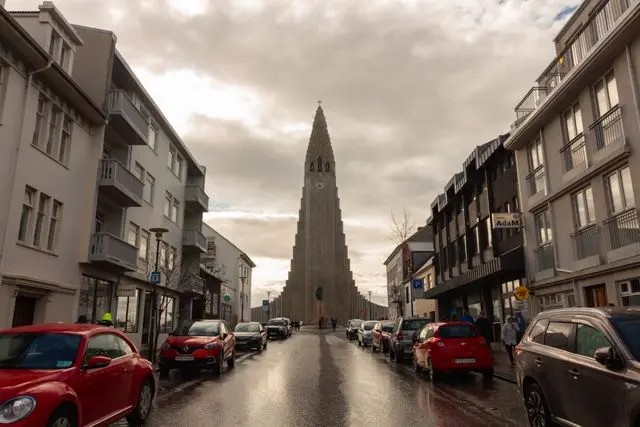
Hallgrímskirkja
The city's most recognisable landmark is a Lutheran church designed to echo the basalt columns found in Icelandic landscapes. Its tower, about 74 metres high, has an observation deck with sweeping views over rooftops, harbour and mountains. A statue of the explorer Leifur Eiríksson stands in front.
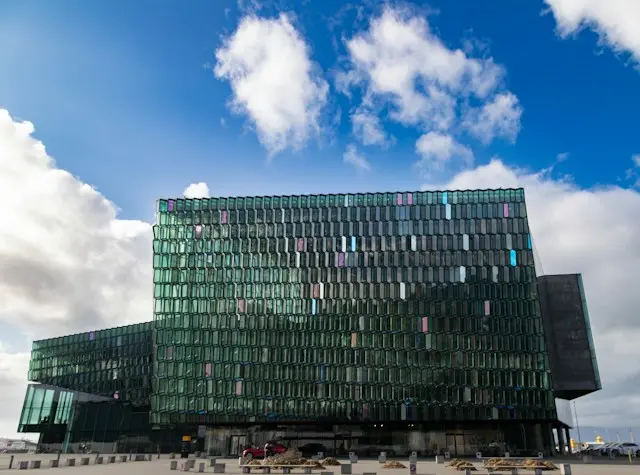
Harpa Concert Hall
Opened in 2011 on the waterfront, Harpa is famed for a glittering glass facade designed with artist Ólafur Elíasson that reflects sea and sky in constantly shifting patterns. Step inside to see the interior, browse the shops or catch a concert.
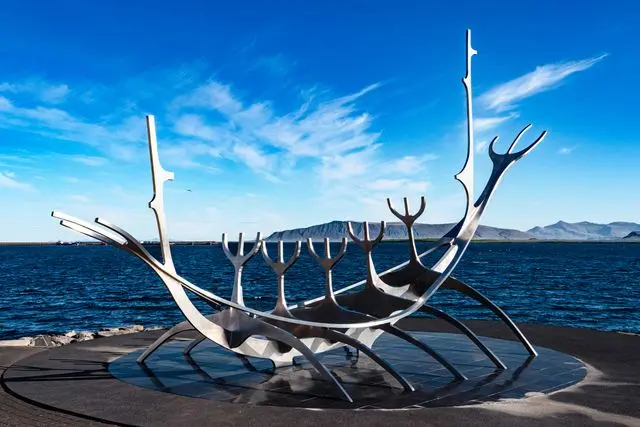
Sun Voyager and the Waterfront
The Sun Voyager is a steel sculpture of a ship by Jón Gunnar Árnason, set against the bay with Mount Esja behind it. A walk along the seafront from here to Harpa is especially beautiful around sunset, when the light stays low for a long time.
Laugavegur and Skólavörðustígur
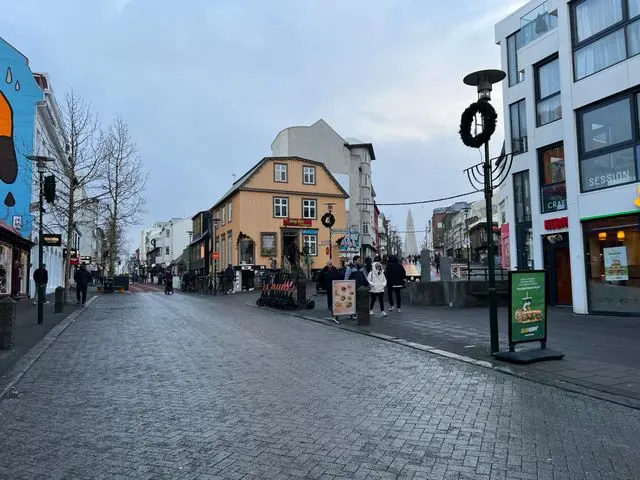
These two streets form the heart of the shopping and café district. Skólavörðustígur is painted in rainbow colours and slopes gently up toward Hallgrímskirkja, making it ideal for photos and window shopping.
Tjörnin and the Old Town
The central pond is a calm spot filled with ducks and swans, surrounded by the Parliament building, City Hall and elegant wooden houses. It is a good place to slow down between museums and meals.
Perlan
This glass dome on top of a hill holds exhibitions about Icelandic nature, including a man-made ice cave, and a viewing deck with views across the city. It is especially handy on rainy days.

Art, Museums and Culture
The Settlement Exhibition
Built around the remains of one of the oldest known longhouses in the area, this museum explores the lives of the first Norse settlers. The ruins are preserved where they were found, so you see the history exactly as it lay beneath the city.
National Museum of Iceland
This museum traces Icelandic history from settlement to the present day, using artefacts, clothing, tools and religious objects. It is a good place to understand how people survived and thrived in a harsh environment.
Reykjavík Art Museum
Spread across several locations, the museum includes the harbourside Hafnarhús, which focuses on contemporary art, and Kjarvalsstaðir, dedicated to Icelandic painters. Check each location's hours, as they differ.
Street Art and Local Galleries
Colourful murals appear on walls throughout the centre, and small galleries and design shops show off local creativity. Pick up a map or simply wander the side streets around Laugavegur to find them.
Things to Do in Reykjavík
Soak in a Geothermal Pool
Bathing is a way of life in Iceland. Public pools such as Laugardalslaug and Vesturbæjarlaug feature hot tubs of different temperatures, and locals meet there to chat. Follow the custom of showering thoroughly without a swimsuit before entering the water.
Visit a Geothermal Lagoon
For a more luxurious soak, the Blue Lagoon and Sky Lagoon offer milky-blue water, saunas and sea or lava views. The Blue Lagoon must be booked in advance, and it has temporarily closed during volcanic activity on the Reykjanes Peninsula, so check its website and the official Safetravel.is site before you go.
Go Whale Watching or Puffin Spotting
Boat trips from the Old Harbour search for minke and humpback whales, while puffin tours operate in summer, usually from around late April to August. Dress warmly, as it is always colder on the water.
Chase the Northern Lights
The aurora is best seen on clear, dark nights from about September to mid-April. City lights interfere, so join a guided tour or drive to a dark spot outside Reykjavík, and keep expectations flexible because the lights depend on solar activity and weather.
Walk or Bike the Coastal Paths
Well-kept trails run along the shoreline, passing sculptures, beaches and viewpoints. They are a simple, free way to experience the city's open feel and clean air.

Day Trips from Reykjavík
The Golden Circle
This classic route includes Þingvellir National Park, a UNESCO-listed site where the North American and Eurasian tectonic plates meet and where Iceland's first parliament gathered. It continues to the Geysir geothermal area, where Strokkur erupts every few minutes, and ends at Gullfoss, a powerful two-tier waterfall. Allow a full day.
The South Coast
Seljalandsfoss and Skógafoss are waterfalls you can walk right up to, and Reynisfjara is a black-sand beach with basalt columns. Keep well back from the waves on the beach, as large, unexpected waves have caught visitors off guard. The trip is long, so go with a tour or start early.
The Reykjanes Peninsula
Closer to the airport, this area offers the Blue Lagoon, lava fields, hot springs and a bridge spanning the gap between two tectonic plates. Access to some sites can change at short notice because of volcanic activity, so check official updates on the day of travel. Reykjavík itself and the airport have continued to operate normally during the eruptions.
Local Food and Everyday Experiences
Icelandic Classics
Try kjötsúpa, a warming lamb soup with root vegetables, and plokkfiskur, a comforting fish stew often served with rye bread. Skyr, a thick, creamy strained dairy product, is a common breakfast and snack.
The Famous Hot Dog
Icelandic hot dogs are made partly with lamb and are served with crispy onions, raw onions, ketchup, sweet mustard and remoulade. Order one "with everything" from the famous stand near the harbour for a cheap, quick bite.
Fresh Seafood
Cod, haddock, Arctic char and langoustine are staples on many menus. Harbourside restaurants and the Grandi food area are good places to taste the catch of the day.
Adventurous Tastes
Fermented shark, called hákarl, and the caraway-flavoured spirit brennivín are traditional dares for visitors. Rye bread baked slowly in hot geothermal ground, known as hverabrauð, is a gentler way to taste local ingenuity.
Coffee, Ice Cream and Bars
Icelanders love coffee and eat ice cream year-round. Alcohol is sold in state-run Vínbúðin shops and in bars, and many places run happy hours to soften high prices.

Where to Stay in Reykjavík
Reykjavík is compact, so most visitors stay within a short walk or bus ride of the centre. Here is how the main areas compare.
- 101 Reykjavík (city centre): closest to restaurants, shops and nightlife, but also the busiest and priciest.
- Harbour area: close to whale-watching boats, Harpa and good seafood, with a more relaxed feel.
- Laugardalur: quieter and residential, close to the large public swimming pool and the botanical garden.
- Borgartún and Hlemmur: more practical and often cheaper, with good bus connections.
Book early for summer and holiday periods, as accommodation fills quickly and prices rise.
Getting to Reykjavík and Around the City
Keflavík International Airport lies about 50 kilometres from Reykjavík, and the journey takes around 45 minutes by airport shuttle, taxi or rental car. Flights from Europe and North America are frequent, and the airport has continued to operate normally despite volcanic activity on the peninsula.
The city centre is easy to explore on foot, and city buses cover longer distances. You do not need a car to see Reykjavík, but renting one or booking tours helps with day trips. Taxis are available but expensive, so walking and public transport are the better value.
Best Time to Visit and Practical Tips
June to August brings long days, nearly endless light and puffin season, while September to March offers the best chances to see the Northern Lights, along with short days and cosier evenings. The shoulder months of May and September combine moderate prices with a good mix of light and dark.
- Pack layers and a waterproof jacket, as weather can change within an hour, even in summer.
- Check road and weather conditions on official Icelandic sites before driving, especially in winter, and never drive off marked roads.
- Cards are accepted almost everywhere, even for small purchases, so you rarely need cash.
- Tap water is clean and safe to drink, though the hot water often smells of sulphur, which is normal and harmless.
- Tipping is not expected, as service charges are already included in prices.
- Book popular tours, geothermal lagoons and restaurants in advance during peak season.
Conclusion
Reykjavík may be small, but it packs in culture, nature and quirky local character. Spend a day exploring the centre and museums, another soaking in a geothermal pool, and at least one more on a day trip to see the landscapes that make Iceland famous.
Come prepared for changeable weather, check official updates for volcanic activity, and leave room for spontaneous detours, because some of the best moments here are unplanned.
Frequently Asked Questions
How many days do you need in Reykjavík? +
Two or three days cover the city itself, while four or five days let you add the Golden Circle, the South Coast and a geothermal lagoon without rushing.
Is Reykjavík expensive? +
It can be, especially for restaurants, alcohol and tours, but public pools, tap water, supermarket meals and hot dog stands help keep costs down.
Do I need a car in Reykjavík? +
Not for the city, which is walkable and has buses, but a rental car or guided tours are useful for day trips outside the capital.
Is Reykjavík safe for tourists? +
Yes, Iceland has very low crime rates, and the main risks are natural, such as changeable weather and strong waves on beaches.
When can I see puffins? +
Puffins are usually around from late April to August, and boat tours from the harbour offer close views.
Do you need to tip in Reykjavík? +
No, tipping is not expected because service charges are included, though you can leave a small amount for exceptional service.
Is the Blue Lagoon the only geothermal option? +
No, you can also visit Sky Lagoon, or relax in local pools such as Laugardalslaug and Vesturbæjarlaug, which are cheaper and attract residents as well as visitors.
