

Table of Contents
About Riga
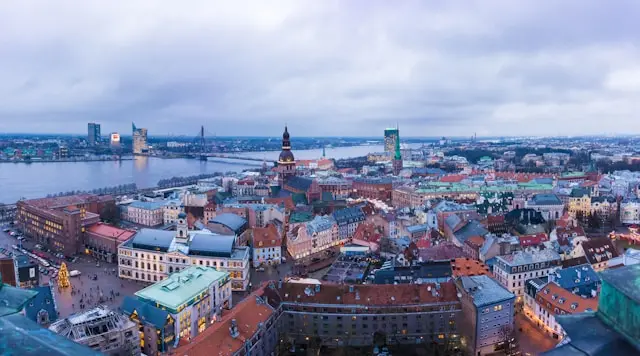
Riga is Latvia's capital and by far its largest city, straddling the Daugava River a short distance inland from the Baltic Sea. Founded in 1201 and shaped over the centuries by German, Swedish, and Russian rule, it grew into a major Hanseatic trading hub, a legacy still visible in the gabled warehouses and Gothic spires of its Old Town.
The historic center is a UNESCO World Heritage Site, but Riga's architectural range goes well beyond medieval streets: it's home to the densest collection of Art Nouveau buildings anywhere in the world, concentrated in the elegant "Quiet Center" just outside the Old Town walls. That mix of eras, along with a lively café and restaurant scene, makes Riga feel like a full capital city experience packed into a compact, highly walkable footprint.
Riga also functions as the transport and cultural hub of the Baltic region, making it a natural base for exploring both Latvia's coast and countryside and, for travelers with more time, the wider Baltic states.
Best Time to Visit
Spring (April to May)
Spring brings longer days and blooming parks after a long winter, though temperatures can still be cool and changeable. It's a quieter, lower-cost time to visit before the summer crowds arrive.
Summer (June to August)
This is Riga's most popular season, with long daylight hours, outdoor café terraces in full swing, and easy access to the Jūrmala beaches. Midsummer (Jāņi), Latvia's biggest national holiday around the summer solstice, falls in this window and is worth experiencing if the dates align, though many locals leave the city for the countryside to celebrate it.
Autumn (September to October)
Crisp air, fewer tourists, and golden foliage in the city's parks make early autumn a favorite for travelers who prefer a quieter visit without sacrificing decent weather.
Winter (November to March)
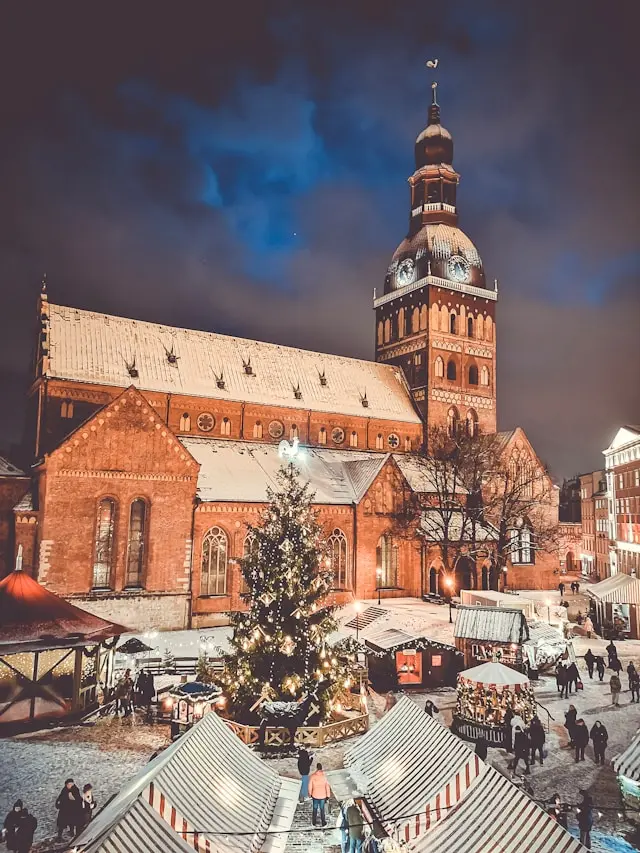
Winters are cold, dark, and often snowy, but Riga's Christmas market in Town Hall Square is regularly ranked among the best in Europe, and the Old Town's cobbled streets look particularly atmospheric under snow and string lights.

Getting to Riga
By Air
Riga International Airport (RIX) is the main air hub for the Baltic states, located about 10 km southwest of the city center and served by frequent flights from across Europe. Bus route 22 connects the airport to the Old Town in around 30 minutes, and taxis or rideshare apps take a similar amount of time.
By Train or Bus
Riga's Central Railway Station and International Bus Station sit next to each other a short walk from the Old Town, with regional trains reaching towns across Latvia and international buses connecting to Tallinn, Vilnius, and other regional cities.
Entry Requirements
Latvia is a member of the European Union and part of the Schengen Area, so entry requirements follow standard Schengen rules: EU citizens can enter freely, and travelers from many other countries, including the US, UK, Canada, and Australia, can typically visit visa-free for short stays. As with any Schengen destination, it's worth checking current requirements for your specific nationality before traveling.
Getting Around Riga
Riga's Old Town and the neighboring Art Nouveau district are compact and best explored on foot, with cobblestone streets that reward slow wandering rather than a packed itinerary. Comfortable shoes are a good idea, since much of the historic core is pedestrianized.
For longer distances - reaching the Central Market, the Āgenskalns neighborhood across the river, or Mežaparks park - Riga's public transport network of trams, buses, and trolleybuses, run by Rīgas Satiksme, covers the city thoroughly and runs from early morning until close to midnight. Tickets can be bought via a smartphone app or at kiosks, and the ride-hailing app Bolt is widely used, since Uber does not currently operate in Latvia.
Things to Do in Riga
Riga rewards a mix of wandering and targeted sightseeing, with landmarks spanning many centuries within walking distance of each other:
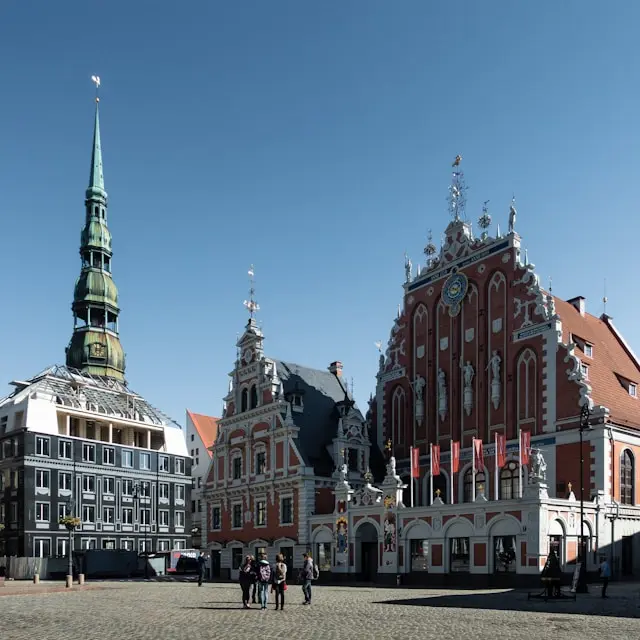
- Riga Old Town (Vecrīga) - the UNESCO-listed medieval core, with Riga Cathedral, St. Peter's Church, the House of the Blackheads, and the Three Brothers, a trio of historic houses spanning several architectural eras.
- Riga Central Market - one of Europe's largest markets, housed in a set of former Zeppelin hangars, selling everything from smoked fish and rye bread to fresh produce and flowers.
- The Art Nouveau District - centered on Alberta iela and Elizabetes iela, home to the world's densest concentration of Art Nouveau buildings, with elaborately decorated facades designed by architects including Mikhail Eisenstein.
- Museum of the Occupation of Latvia - a sobering, well-regarded museum covering the Soviet and Nazi occupations of the 20th century, often paired with a visit to the nearby House of the Blackheads.
- Latvian National Museum of Art - a major art collection housed in a grand early-20th-century building, a short walk from the Art Nouveau district.
- Mežaparks - a large green park on the edge of the city, home to the Riga Zoo and the site of Latvia's national Song and Dance Festival amphitheater.
Neighborhoods to Explore
Vecrīga (Old Town)
The historic medieval core, dense with churches, guild halls, and narrow cobbled lanes, plus most of the city's souvenir shops, tourist-oriented restaurants, and nightlife. It's compact enough to cover on foot in a day, though it rewards a slower, multi-day pace.
The Quiet Center (Klusais Centrs)
Just beyond the Old Town's boundaries, this leafy district is home to the Art Nouveau district's grandest buildings, along with the National Opera and several of Riga's parks and canals. It's quieter and more residential than the Old Town, with a more local feel.
Āgenskalns
Across the Daugava River on the city's Left Bank, Āgenskalns has a slower, more residential character, with a historic wooden-house district and its own local market, making it a good area for a more authentic, less touristic afternoon.

Food in Riga
Latvian cuisine draws on centuries of preserving food through smoking, pickling, and fermenting, and Riga's food scene ranges from humble bakeries to modern restaurants reinterpreting traditional dishes.
- Rupjmaize - dense, dark sourdough rye bread that anchors nearly every Latvian meal, often served with butter, cheese, or smoked fish.
- Pelēkie zirņi ar speķi - grey peas with bacon and onions, widely considered Latvia's national dish.
- Pīrāgi - small, crescent-shaped pastries filled with bacon and onions, sold at bakeries and market stalls throughout the city.
- Aukstā zupa - a vivid pink cold beet soup made with kefir, cucumber, and dill, popular in summer.
- Riga Black Balsam - a bitter, herbal liqueur made from a centuries-old recipe of over 20 plant ingredients, often tried straight or mixed into a cocktail.
The Central Market is one of the best places to sample smoked fish, rye bread, and local cheese in one visit, while the Old Town and Quiet Center offer everything from traditional cellar taverns to contemporary Latvian fine dining.
Where to Stay
Staying inside the Old Town puts you within walking distance of the main historic sights, restaurants, and nightlife, though rooms here can be pricier and the area livelier at night, especially on weekends.
The Quiet Center, just beyond the Old Town, offers a calmer base close to the Art Nouveau district and National Opera, with good access to both the historic core and the city's parks. For a lower-cost, more local option, the Āgenskalns area across the river offers easy tram access into the center at a slower, more residential pace.
Day Trips from Riga
Riga's train and bus network makes several worthwhile destinations easy to reach in a single day:
- Jūrmala - a long stretch of sandy Baltic coastline and resort town about 30 minutes away by train, known for its beach, wooden villas, and pedestrian promenade.
- Sigulda and Turaida Castle - a scenic area in Gauja National Park, roughly an hour away by train, with castle ruins, a cable car across the river valley, and hiking trails; sometimes called "Latvia's Switzerland" for its sandstone cliffs and valleys.
- Rundāle Palace - a grand Baroque and Rococo palace about 75 km south of Riga, designed by the same architect behind St. Petersburg's Winter Palace, reachable by bus via the town of Bauska.
- Cēsis - a well-preserved medieval town further into Gauja National Park, with its own castle ruins and a charming historic center.
- Ķemeri National Park - a nature reserve known for its bog boardwalk trail, often combined with a Jūrmala day trip since the two sit close together.

Budget & Costs in Riga
Latvia uses the euro. Riga is generally more affordable than Western European capitals, though it isn't Europe's cheapest city, and popular tourist-area restaurants can charge noticeably more than spots just a few streets away.
- Public transport tickets cost around €1.50–2 per ride, with day passes available for heavier use.
- A meal at a traditional Latvian restaurant typically costs less than equivalent Western European dining, while Old Town restaurants aimed at tourists sit at the higher end of the local scale.
- Museum entry fees are generally modest, often in the €5–10 range for major sights.
- Day trips by train, such as to Jūrmala or Sigulda, are inexpensive, usually just a few euros each way.
Safety Tips in Riga
Riga is a safe city for visitors by European capital standards, with low rates of violent crime, though ordinary city precautions still apply.
- Keep an eye on belongings in crowded tourist areas like the Old Town and Central Market, where pickpocketing is the most common issue.
- Cobblestone streets in the Old Town can be slippery when wet or icy, particularly in winter.
- Nightlife areas in the Old Town can get rowdy on weekends; standard precautions around drinks and late-night taxis apply as they would in any capital city.
- The general emergency number in Latvia is 112, covering police, fire, and medical services.
Local Customs & Etiquette
Latvians tend to be reserved with strangers at first, and this isn't unfriendliness - a quieter, more formal demeanor in public is simply the cultural norm, and warmth tends to come out once a conversation gets going. A firm handshake and direct eye contact are standard when greeting someone new.
Removing shoes when entering someone's home is customary, and if invited to a Latvian home, bringing a small gift such as flowers (in odd numbers, as even numbers are reserved for funerals) is a well-regarded gesture. Tipping around 10% is appreciated at restaurants for good service, though it isn't strictly obligatory the way it is in some other countries.

Frequently Asked Questions about Riga
How many days do you need in Riga? +
Two to three days covers the Old Town, the Art Nouveau district, and the Central Market at a comfortable pace, while four to five days allows time for a day trip or two, such as Jūrmala or Sigulda.
What is Riga known for? +
Riga is known for its UNESCO-listed medieval Old Town, the world's densest concentration of Art Nouveau architecture, and its role as the cultural and transport hub of the Baltic states.
Is Riga worth visiting? +
Yes — it offers a full capital-city experience of architecture, food, and history at a more relaxed pace and lower cost than many Western European capitals, all within a highly walkable area.
Do you need a visa to visit Riga? +
Latvia is part of the Schengen Area, so standard Schengen entry rules apply: EU citizens can enter freely, and travelers from the US, UK, Canada, Australia, and many other countries can typically visit visa-free for short stays, though it's worth confirming current requirements for your nationality.
Is Riga safe for tourists? +
Yes, Riga is considered a safe European capital, with the main practical concerns being pickpocketing in crowded tourist spots and slippery cobblestones, especially in winter.
How do you get from the airport to Riga's Old Town? +
Bus route 22 runs from Riga International Airport to the Old Town in about 30 minutes, or a taxi or Bolt ride takes a similar amount of time for a higher fare.
What food should I try in Riga? +
Don't miss rupjmaize (dark rye bread), grey peas with bacon, pīrāgi pastries, and a taste of Riga Black Balsam, the city's distinctive herbal liqueur.
Can you visit Jūrmala or Sigulda as a day trip from Riga? +
Yes — Jūrmala's beaches are about 30 minutes away by train, and Sigulda's castles and Gauja National Park are roughly an hour away, both easily doable as a single day trip.