
Table of Contents
Introduction
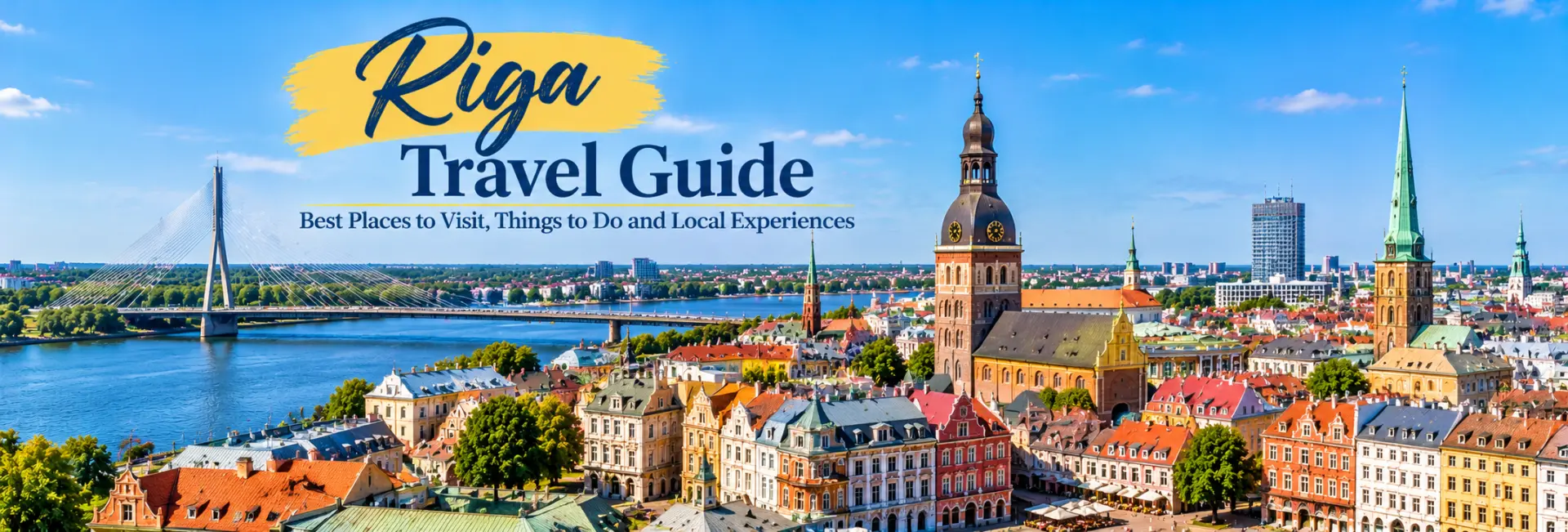
Riga is the largest city in the Baltic states and one of the most architecturally varied capitals in northern Europe. Founded in the early thirteenth century, it grew rich as a Hanseatic trading port, and that history still shows in its steep gabled merchant houses and church spires. A short walk from the medieval core, whole streets of ornate Art Nouveau buildings and districts of weathered wooden houses tell very different stories.
This guide covers the places most worth your time, activities to suit different travel styles, the foods and traditions that give the city its character, and the practical details that make a first visit easier.
Why Visit Riga
Riga suits short city breaks and longer stays alike. The historic centre is compact and walkable, the cafe and cocktail culture is strong, and the pace feels relaxed compared with larger western European capitals. It is also well placed for exploring beaches, castles and forests within easy reach.
A few things make it stand out:
- A UNESCO-listed historic centre that includes both the medieval Old Town and one of the finest collections of Art Nouveau architecture anywhere
- A huge central market housed in former airship hangars, ideal for sampling local food
- Creative neighbourhoods built from old timber houses and industrial spaces
- A thriving food, craft beer and cocktail scene at prices that are often lower than in Scandinavia
- Easy access to Baltic beaches, national parks and neighbouring Estonia and Lithuania

Best Places to Visit in Riga
Old Town (Vecriga)
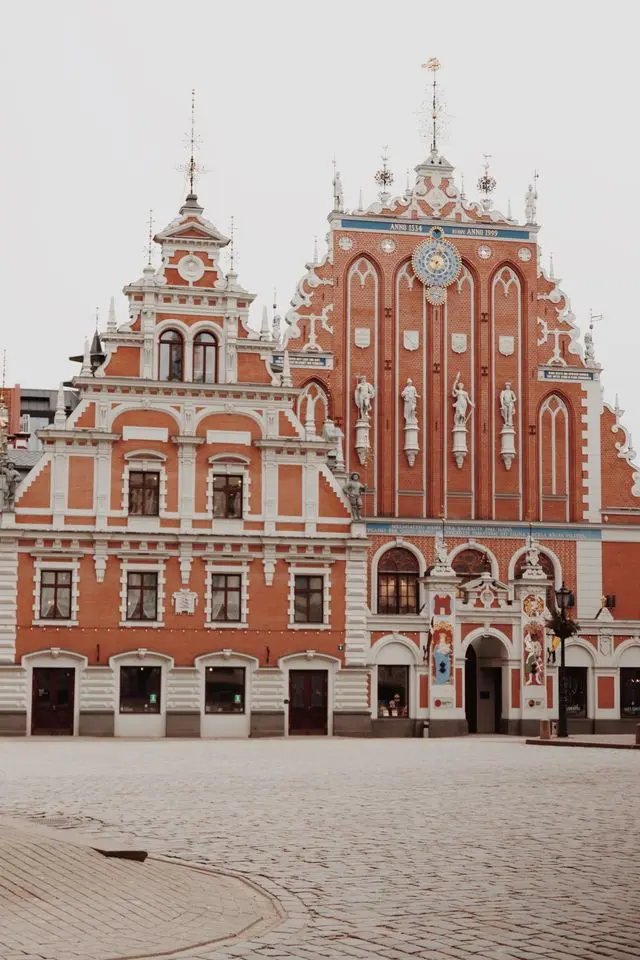
The Old Town is the natural starting point, a tangle of cobbled lanes, squares and church towers. Town Hall Square is dominated by the House of the Blackheads, an ornate guild building that was destroyed in the Second World War and faithfully rebuilt in the late 1990s. Nearby, the Three Brothers, a trio of old houses from different centuries, show how the city's architecture evolved, while the Powder Tower and Swedish Gate recall its defensive past.
Riga Cathedral and St. Peter's Church
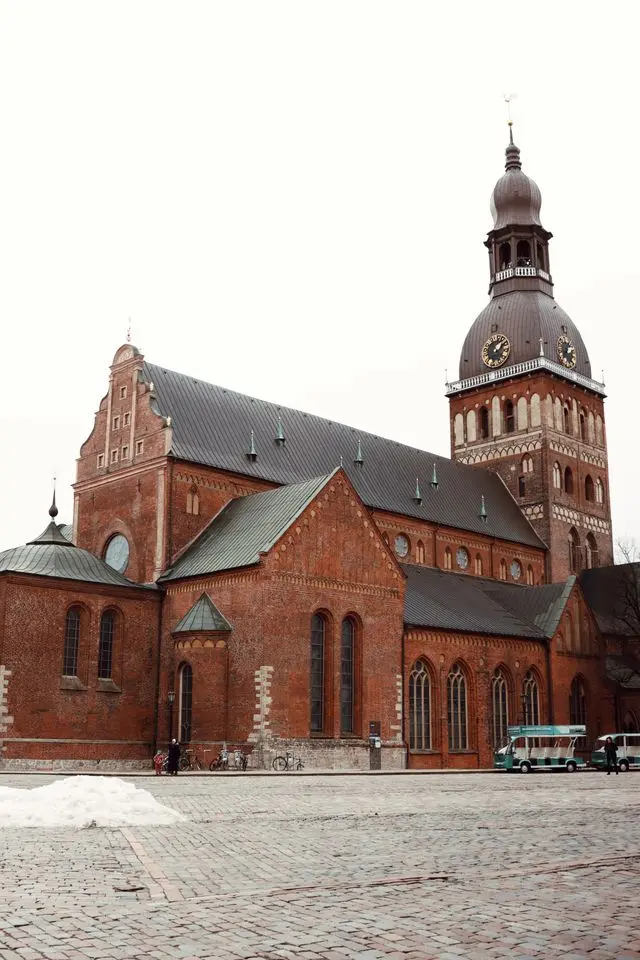
Riga Cathedral, begun in the early thirteenth century, is one of the largest medieval churches in the Baltics and is known for its famous pipe organ. A few minutes away, St. Peter's Church has a tall spire with a lift that carries visitors up to a viewing platform. From there you can see the Old Town roofs, the Daugava River and the modern city beyond.
Art Nouveau District
Streets such as Alberta Iela and Elizabetes Iela, just north of the Old Town, are lined with elaborately decorated facades covered in sculpted faces, mythical creatures, floral patterns and bold geometry. Much of this work dates from the early twentieth century, and many of the buildings were designed by Mikhail Eisenstein. Look up as you walk, because the best details are usually above eye level, and consider visiting the small Art Nouveau Museum to see an interior preserved in period style.
Riga Central Market
Set in five enormous former Zeppelin hangars, the Central Market is among the largest markets in Europe and part of the UNESCO-listed historic centre. Separate halls sell meat, dairy, fish, bread and produce, with stalls outside for fruit, flowers and souvenirs. Go hungry, try smoked fish, fresh rye bread and seasonal berries, and treat it as a living lesson in everyday Latvian eating habits.
Freedom Monument and Bastejkalns Park
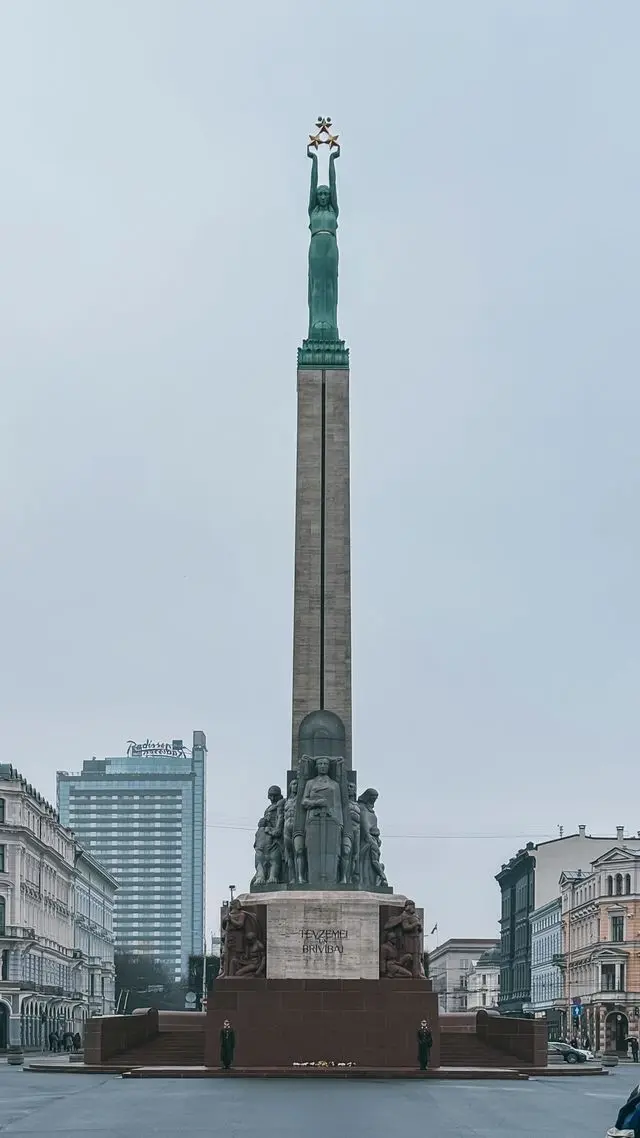
The Freedom Monument, unveiled in 1935, is a tall stone column topped by a female figure holding three stars, and it is a powerful symbol of Latvian independence. It stands at the edge of the Old Town beside the green belt of parks that follows the old city moat. Bastion Hill and the canal paths here are lovely for a slow stroll in good weather.
Latvian Academy of Sciences and Cultural Spaces
The Latvian Academy of Sciences is a Stalin-era skyscraper whose observation deck gives a wide look at the city. Nearby neighbourhoods such as the Spikeri quarter turn old warehouses into galleries and bars. On the other side of the river, the National Library, a glass building often nicknamed the Castle of Light, adds a striking modern note to the skyline.
Kalnciema Quarter and Wooden Riga
Across the Daugava in Pardaugava, the Kalnciema Quarter preserves restored wooden houses and hosts a popular Saturday market with local producers. Wooden architecture is a defining feature of Riga's less touristy districts, and wandering here reveals a quieter side of the city.
Mezaparks and the Ethnographic Open-Air Museum
Mezaparks is a forested lakeside suburb with the Great Bandstand, home to Latvia's national song celebrations. Not far away, the Latvian Ethnographic Open-Air Museum, founded in the 1920s, presents rural farmsteads, churches and windmills from across the country in a woodland setting.
Things to Do in Riga
Beyond the headline sights, Riga offers plenty of ways to fill your days:
- Join a walking tour of the Old Town to get the stories behind the buildings
- Take a canal boat trip through the city canal and the Daugava for a different view of the centre
- Climb St. Peter's Church tower or the Academy of Sciences deck for panoramic views
- Browse the Central Market for lunch and picnic supplies
- Visit museums covering art, design, history and the country's twentieth-century experience
- Rent a bike and ride the parks, riverbank paths and quiet residential streets
- Sample a rooftop or cellar cocktail bar in the evening, especially in the Old Town and the area around Miera Iela
- Catch an opera, ballet or concert at the National Opera or one of the city's smaller venues
City passes are sold for Riga, but their contents, discounts and whether they include public transport differ between providers. Check exactly what each version covers and compare it with the attractions you actually plan to visit before buying.

Local Experiences and Food
Traditional Latvian Dishes
Latvian cooking is hearty and built on rye bread, potatoes, pork, dairy, smoked fish and forest produce. A classic is grey peas with fried bacon, while chilled pink beet soup is a summer favourite. Sklandrausis, a pastry made with rye dough and a carrot and potato filling, is a traditional sweet-savoury bite you can find in bakeries around the city.
Riga Black Balsam
The herbal liqueur Riga Black Balsam, with its dark colour and bitter, spiced taste, has been made in the city for centuries. Locals drink it neat, add it to coffee or blend it into cocktails. A small bottle makes a popular souvenir.
Cafes, Craft Beer and Markets
Riga has a strong cafe culture, with specialty coffee shops and bakeries tucked into side streets. The craft beer scene has grown quickly, and taprooms and gastropubs serve local brews alongside modern Baltic cuisine. For a more relaxed local scene, spend a Saturday at the Kalnciema Quarter market or visit neighbourhood bakeries away from the main tourist streets.
Traditions and Seasonal Celebrations
Midsummer, known as Jani, is the most important celebration of the year, with flower crowns, bonfires, caraway cheese and beer around the solstice in late June. The song and dance festival, held about every five years, is another cornerstone of Latvian identity. Sauna, or pirts, is also a cherished ritual, often paired with birch branches and herbal tea.
Best Day Trips from Riga
Riga is well connected, and several rewarding destinations can be reached by train, bus or organised tour.
- Jurmala, a seaside resort about 25 kilometres west, has a long sandy beach, pine forest and streets of elegant wooden villas, and it is reachable by suburban train in roughly half an hour
- Sigulda and Gauja National Park, northeast of the capital, combine castles, caves, forest trails and a cable car over the river valley
- Rundale Palace, to the south, is a baroque palace with formal gardens that is often compared to grand royal residences elsewhere in Europe
- Cesis, a medieval town with a castle and a charming old centre, suits travellers who like quieter heritage sites
- Kuldiga, in western Latvia, is known for its wide waterfall on the Venta River and a pretty old town
Timetables and tour options change by season, so verify current schedules before you plan your day.

Best Time to Visit Riga
Summer
June to August is the most popular period, with long daylight hours, outdoor terraces, festivals and beach weather. It is also the busiest and most expensive time, particularly around the midsummer holidays.
Spring and Autumn
May and September are among the best months for a balanced trip, with mild weather, fewer crowds and a good range of events. Autumn brings golden leaves to the city parks and good conditions for walking.
Winter
Winters are cold and dark, but the Old Town looks magical with lights and a Christmas market, and the city is proud of its claim to host one of the first decorated Christmas trees in Europe. Cosy cafes, hot drinks and indoor attractions make the season enjoyable if you dress warmly.
Getting Around and Where to Stay
The Old Town and Art Nouveau district are easy to explore on foot, though cobbles can be uneven. Trams, buses and trolleybuses cover the rest of the city, and the airport is a short bus or taxi ride from the centre. Buy tickets through official channels and check current fare rules, as inspections happen.
The Old Town is the most convenient base for first-time visitors but also the busiest and priciest. The Art Nouveau district and the area around Miera Iela are calmer and have a strong cafe and restaurant presence, while Pardaugava offers a quiet, local feel for travellers who prefer to stay away from the centre.
Practical Tips for First-Time Visitors
- Latvia uses the euro, and cards and contactless payments are widely accepted
- English is spoken in most tourist-facing places, and Latvian and Russian are both heard across the city
- Check menu prices before ordering in Old Town bars, as some have a reputation for inflated bills
- Visit the Central Market in the morning for the best selection and fewer crowds
- Wear comfortable shoes for cobbled streets and pack a waterproof layer in any season
- Opening hours, ticket prices and transport rules change, so confirm details on official sites close to your trip
- Riga is generally safe, though pickpockets operate in crowded tourist areas and late-night entertainment zones
Conclusion
Riga rewards travellers who look beyond the postcard Old Town. Its Art Nouveau streets, riverside parks, wooden neighbourhoods and enormous market give the city layers that reveal themselves over a few unhurried days. Add in a beach or castle day trip and you have a rich, varied introduction to Latvia.
Stay flexible, leave time for the side streets, and confirm current details before you go. Riga is easy to enjoy and, for many visitors, harder to leave than expected.
Frequently Asked Questions
How many days do you need in Riga? +
Two days cover the Old Town, Art Nouveau district and Central Market. Three or four days give you time for museums, neighbourhoods like Kalnciema and a day trip to Jurmala or Sigulda.
Is Riga worth visiting? +
Yes, especially for architecture lovers, food fans and anyone who enjoys walkable cities with a strong sense of history. It works well for couples, friends, solo travellers and families.
Is Riga expensive? +
It is usually cheaper than Nordic capitals and many western European cities, though Old Town restaurants and peak-season hotels cost more. Eating at the market and in neighbourhood cafes keeps spending reasonable.
Is a Riga city pass worth buying? +
It depends on the version and your plans, since inclusions and discounts vary by provider. Compare the pass benefits with the specific museums, tours and transport you intend to use before committing.
Can you explore Riga on foot? +
The Old Town, Art Nouveau district and central parks are very walkable. For Mezaparks, Pardaugava and the open-air museum, a tram, bus or bike is more practical.
What is the best time of year to visit? +
Late spring through early autumn has the best weather, with midsummer being especially festive. December is popular for the Christmas market, though winter days are short and cold.
What local food should I try? +
Look for grey peas with bacon, rye bread, smoked fish, sklandrausis pastry and cold beet soup in summer. Riga Black Balsam is the local drink to try, either neat or in a cocktail.