
Table of Contents
Introduction
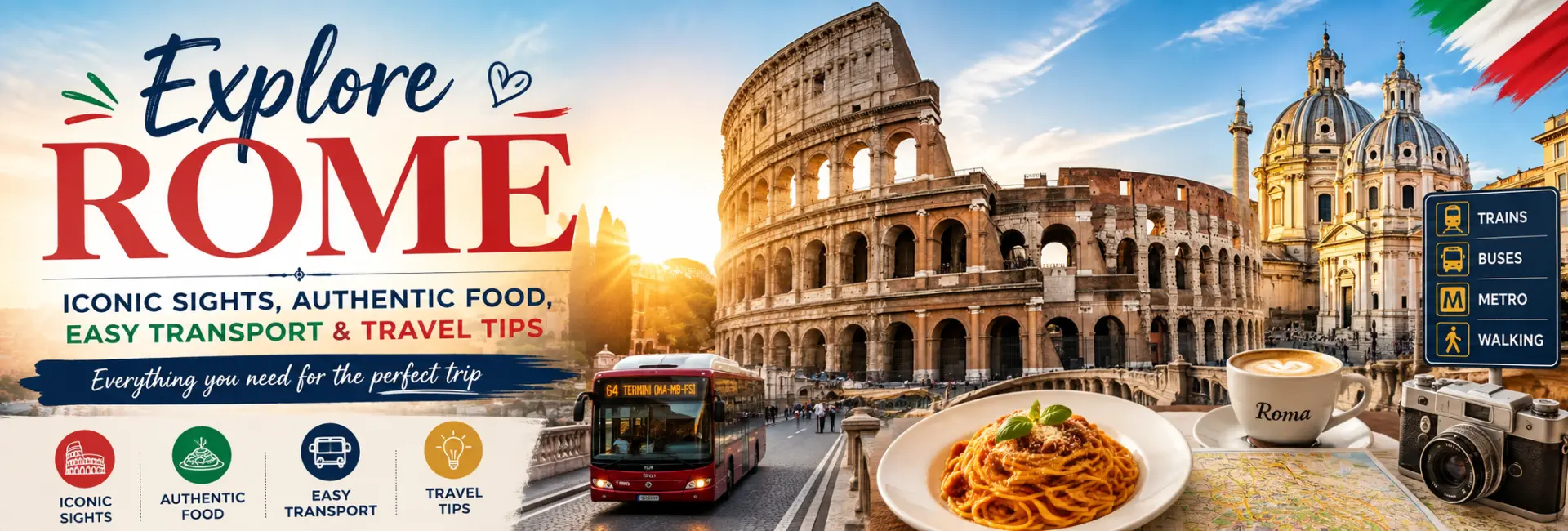
Rome rewards visitors who slow down. It is a city where a 2,000-year-old amphitheater sits a ten-minute walk from a trattoria serving pasta made the same way it has been for generations, and where getting mildly lost usually means stumbling onto a fountain or piazza worth photographing anyway. For first-time visitors, the sheer density of things to see can feel overwhelming, which is exactly why a clear plan for sights, food, and transport makes such a difference.
This guide covers the landmarks that define a Rome trip, the dishes and dining habits that separate a tourist meal from an authentic one, the transport options that actually make sense for getting around, and the practical details, like timing, money, and etiquette, that keep a trip running smoothly. Whether you have three days or ten, treat this as a framework to build your own itinerary around rather than a rigid checklist.
Iconic Sights You Can't Miss
The Colosseum, Roman Forum, and Palatine Hill
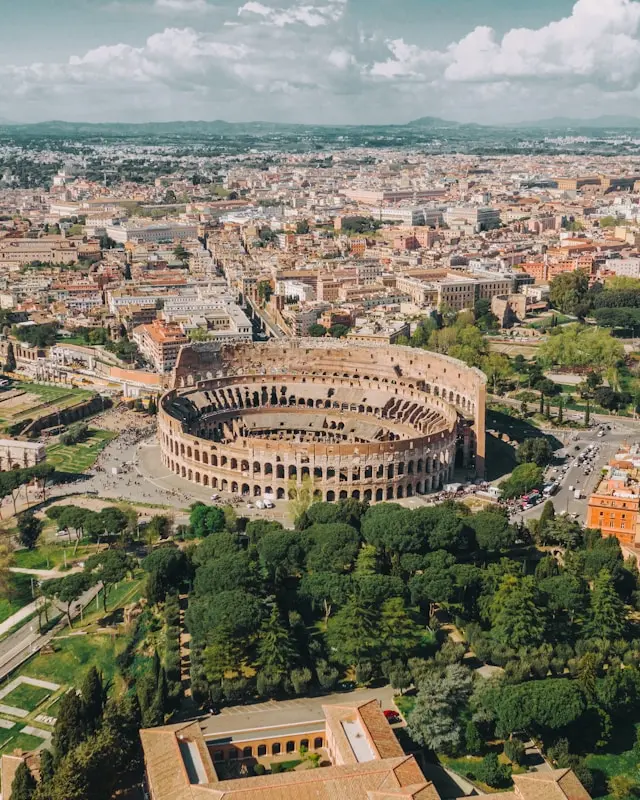
The Colosseum is Rome's most recognizable monument, and a standard adult ticket, priced at around €18-20 as of 2026, includes entry to the Roman Forum and Palatine Hill on the same or the following day, since all three sites share one archaeological park. Officials release tickets 30 days in advance on the official Parco Archeologico del Colosseo website, and popular time slots, especially for arena floor or underground access, tend to sell out well before then.
Set aside at least half a day to properly cover the Forum's scattered ruins and Palatine Hill's views over the ancient city. Early morning slots, before 9:30 AM, are noticeably less crowded and cooler in summer.
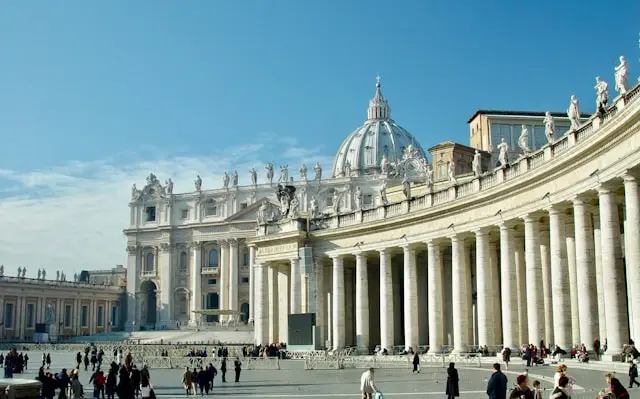
Vatican Museums, Sistine Chapel, and St. Peter's Basilica
The Vatican Museums hold one of the world's largest art collections, culminating in the Sistine Chapel's ceiling. A standard adult ticket runs roughly €20-25 depending on whether a reservation fee applies, and the museums are typically open Monday to Saturday, closed Sundays except for the free last Sunday of each month, which draws heavy crowds. Some seasons add extended Friday evening hours, which tend to be far quieter.
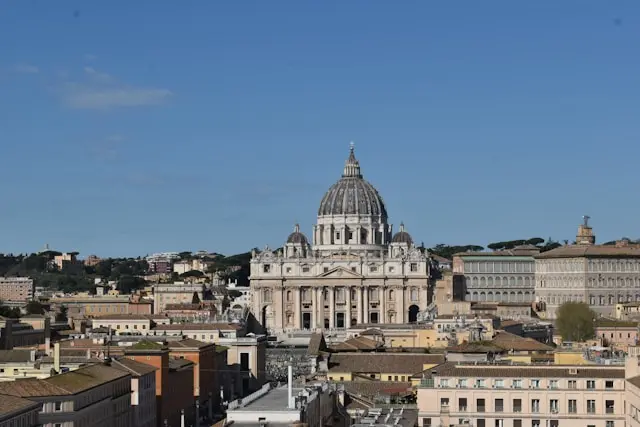
St. Peter's Basilica itself is free to enter but requires passing through a separate security line. Arriving right at opening, before the tour groups, is the best way to experience the interior without the midday crush.
The Pantheon and Trevi Fountain
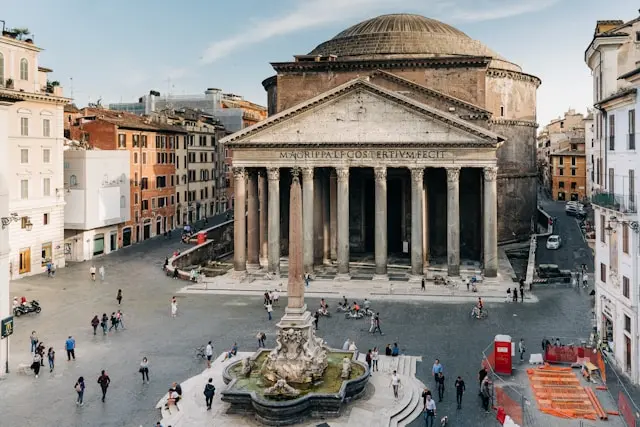
The Pantheon, a nearly 2,000-year-old former Roman temple, is one of the best-preserved ancient buildings anywhere, largely thanks to its unreinforced concrete dome with an open oculus at the top. A modest entry fee applies for most visitors, though it is often free before 9 AM.
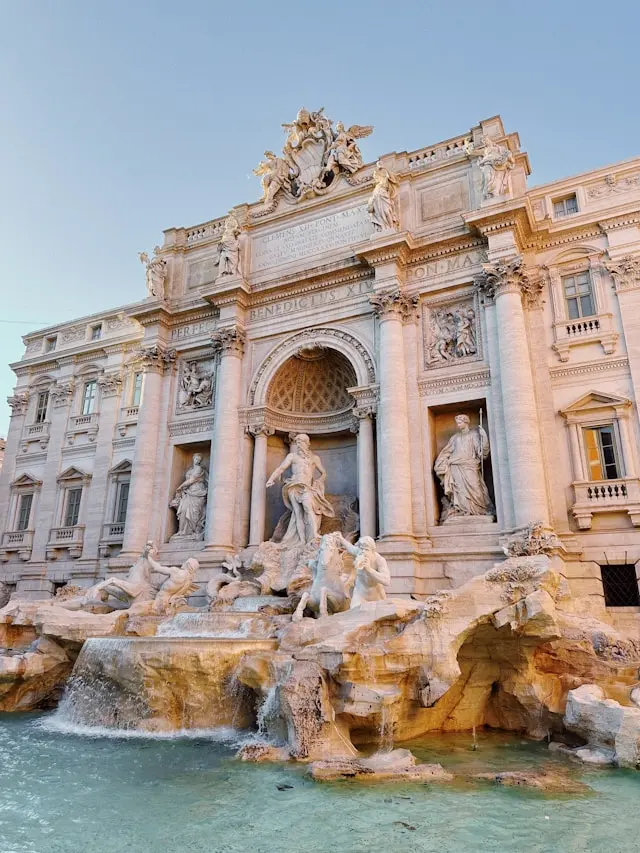
A short walk away, the Trevi Fountain is Rome's most theatrical public fountain. Visiting early morning or late evening avoids the daytime crowds that gather to toss coins over their shoulder for good luck, a tradition believed to guarantee a return trip to Rome.
Piazza Navona and the Historic Center
Piazza Navona, built on the site of an ancient stadium, is ringed with cafes and anchored by Bernini's Fountain of the Four Rivers. The surrounding historic center, threading through Campo de' Fiori and the Jewish Ghetto, is best explored on foot with no fixed agenda, since much of Rome's charm is in its side streets rather than its headline attractions.
Authentic Roman Food You Have to Try
The Four Classic Roman Pastas
Rome has four pasta dishes considered essential to its food identity, and trying all four is a common goal for visitors. Cacio e pepe combines pasta with pecorino romano cheese and black pepper into a simple, creamy sauce. Carbonara uses eggs, guanciale (cured pork cheek), and pecorino, with no cream, despite how it is often made abroad. Amatriciana adds tomato and guanciale, while gricia is essentially amatriciana without the tomato.
- Cacio e pepe - pecorino cheese and black pepper
- Carbonara - egg, guanciale, and pecorino, no cream
- Amatriciana - tomato, guanciale, and pecorino
- Gricia - guanciale and pecorino, no tomato
Street Food and Quick Bites
Rome's street food scene is worth building meals around. Supplì, fried rice balls with a molten mozzarella center, are a common snack sold at fry shops (friggitorie) across the city. Pizza al taglio, sold by weight and cut with scissors, is a faster and often cheaper alternative to sit-down pizzerias, especially for a quick lunch between sightseeing stops. Trapizzino, a pocket of pizza dough filled with braised meats or vegetables, is a Rome-born format that has since spread to other cities.
Where and How Romans Actually Eat
Sit-down meals in Rome typically follow a set rhythm: many restaurants close between lunch and dinner service, roughly 3 PM to 7 PM, and dinner rarely starts before 7:30 PM. A coperto, or small per-person cover charge, is standard and separate from a tip, which is not expected in the same way it is in other countries. For a more local experience, look for trattorias in neighborhoods like Testaccio or Trastevere rather than restaurants immediately facing major landmarks, which tend to charge more for lower quality.
Getting Around Rome: Transport Options
Metro, Bus, and Tram
Rome's public transport network, run by ATAC, includes three metro lines (A, B, and C), city buses, and trams, all covered by a single integrated ticket system. As of 2026, a standard BIT ticket costs €1.50 and is valid for 100 minutes, allowing unlimited bus and tram transfers but only one metro entry. A 24-hour ticket costs around €8.50 and pays for itself after roughly six rides in a day. Many turnstiles and validators now accept contactless bank cards and phones directly, charging the standard fare automatically.
The metro is fast but has fewer stops near the historic center than visitors expect, since much of it sits above ancient ruins that limit tunneling. Buses and trams fill that gap and are often the more practical option for reaching sights like the Colosseum, Trastevere, or the Vatican.
Walking and Navigation Apps
Rome's historic center is genuinely walkable, and many major sights, the Pantheon, Trevi Fountain, and Piazza Navona among them, sit within 20 minutes of each other on foot. Comfortable shoes matter more than any transport pass, since much of the center is cobblestone. Google Maps and Citymapper both include real-time ATAC schedules and are reliable for combining walking with public transport legs.
Taxis, Ride-Hailing, and Airport Transfers
Official white taxis are metered and best hailed from designated taxi stands rather than the street. Uber operates in Rome but mainly through licensed drivers at prices comparable to taxis rather than the cheaper rideshare model common elsewhere. For airport transfers, the Leonardo Express train connects Fiumicino Airport to Roma Termini in about 32 minutes, and standard city transit tickets are not valid for this route, a separate ticket is required. Ciampino Airport is served by shuttle buses rather than a direct train link.
Practical Travel Tips
Best Time to Visit
Spring (April-May) and fall (September-October) offer mild weather and are generally considered the most comfortable times to visit, avoiding both summer's heat and the year-round but denser holiday crowds around Christmas and Easter. Summer temperatures in Rome frequently exceed 32°C (90°F), which can make midday sightseeing at exposed sites like the Forum genuinely uncomfortable.
Money, Tickets, and Booking Ahead
Booking timed tickets in advance for the Colosseum and Vatican Museums is close to essential during peak season, as walk-up availability is limited and lines without a reservation can run well over an hour. Cash is still useful for small cafes, tobacco shops, and some markets, though most restaurants and larger attractions accept cards. Watch for the coperto charge on restaurant bills, and be cautious of unofficial "skip the line" sellers approaching visitors near major sights, official tickets are only sold through the site's own portal or clearly accredited resellers.
Etiquette and Safety Basics
Dress codes are enforced at religious sites, including St. Peter's Basilica and the Vatican Museums, requiring shoulders and knees to be covered for entry. Pickpocketing is a real, if manageable, risk on crowded buses, the metro, and around major tourist sites, so keeping bags zipped and in front of you in dense crowds is a reasonable precaution. Tap water from Rome's public drinking fountains, called nasoni, is safe to drink and a good way to stay hydrated without buying bottled water constantly.
Conclusion
Rome is a city that rewards both planning and spontaneity in equal measure. Booking timed tickets for the Colosseum and Vatican in advance removes the biggest source of wasted time, while leaving room to wander through neighborhoods like Trastevere or Testaccio is often where the most memorable parts of a trip happen. Pair a clear sense of the major sights with an appetite for the food and a basic grasp of the transport system, and Rome becomes far easier to enjoy than its reputation for chaos suggests.
Frequently Asked Questions
How many days do I need to see Rome properly? +
Three to four full days is enough to cover the major sights, the Colosseum, Vatican, Pantheon, and Trevi Fountain, along with time to eat well and explore neighborhoods, though a week allows a much more relaxed pace.
Do I need to book Colosseum and Vatican tickets in advance? +
Yes, especially between April and October. Official tickets are released 30 to 60 days ahead and regularly sell out, so booking as soon as your dates are confirmed is strongly recommended.
Is Rome walkable, or do I need public transport? +
The historic center is very walkable, but public transport helps for reaching the Vatican, Trastevere, or anywhere outside the compact core, especially in summer heat.
What is the difference between carbonara and cacio e pepe? +
Carbonara includes egg and guanciale along with pecorino cheese, while cacio e pepe is only pecorino and black pepper; both are Roman classics but taste quite different.
Is tap water safe to drink in Rome? +
Yes, the water from Rome's public nasoni fountains and household taps is safe to drink and a convenient way to refill a water bottle while sightseeing.
How much should I budget for a day of sightseeing? +
Ticket costs for major sites typically run €18-25 each, so budgeting €50-70 per person per day for two or three attractions plus transport and a casual meal is a reasonable starting point, though this varies with how many paid sites you visit.
Are taxis or ride-hailing apps better than public transport? +
Public transport is cheaper and often faster in central Rome due to traffic and limited parking, but taxis or Uber are worth it late at night or for airport transfers with luggage.
