
Table of Contents
- Introduction
- Before You Go: Planning Essentials
- Day 1: Gothic Quarter, La Rambla and the Historic Heart
- Day 2: Gaudi's Masterpieces and the Eixample District
- Day 3: Beaches, Montjuic and Local Culture
- Getting Around Barcelona
- Where to Eat: Food You Shouldn't Miss
- Practical Tips for First-Time Visitors
- Conclusion
Introduction
Barcelona packs an unusual amount into a single city - Roman ruins, surreal architecture, Mediterranean beaches and some of the best food in Spain all sit within walking distance of each other. That density is exactly why three days works so well for a first visit. You don't need two weeks to get a real feel for the place, but you do need a plan, because the city's biggest draws (Sagrada Familia especially) now require advance booking and can eat up a whole afternoon if you show up unprepared.
This itinerary is built around how the city is actually laid out, grouping sights by neighborhood so you're not crossing town three times in one day. Day one covers the old city on foot, day two is dedicated to Gaudi and the elegant Eixample grid, and day three balances beach time with Montjuic's hilltop views and museums. Adjust the pace to your own energy level - this is a template, not a race.
Before You Go: Planning Essentials
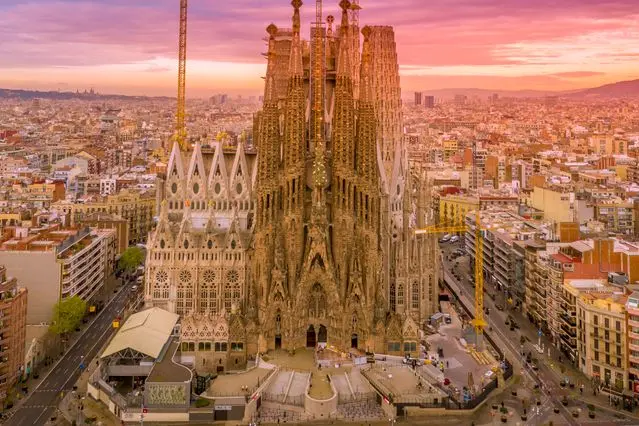
A little prep before you land will save hours of standing in line once you're there. Sagrada Familia in particular sells out days or even weeks ahead during busy periods, and 2026 is Antoni Gaudi's centenary year, which has pushed demand even higher. Book that ticket first, then build the rest of your days around your entry time.
- Sagrada Familia: basic entry runs around 26 euros, with tower access closer to 36 euros. Buy directly through the official website to avoid inflated resale prices.
- Park Guell: entry is timed and typically costs somewhere between 18 and 22 euros depending on the ticket type, so book at least a few days out in high season.
- Public transport: a T-Casual card (10 rides, valid across multiple people) runs about 13 euros for the central zone, which usually works out cheaper than single tickets at 2.90 euros each if you're taking more than a couple of rides.
- Best time to visit: late spring (May, June) and early fall (September, October) offer warm weather without the peak summer heat and crowds.
- Packing note: Barcelona's major churches, including Sagrada Familia, enforce a modest dress code, so bring something to cover bare shoulders.
It's also worth deciding early whether a sightseeing pass makes sense for you. If you're planning to hit several paid attractions, a combined ticket covering Sagrada Familia and Park Guell together can save both money and separate booking headaches.
Day 1: Gothic Quarter, La Rambla and the Historic Heart
Start your first morning in the Barri Gotic, Barcelona's Gothic Quarter, where narrow medieval streets open unexpectedly onto small plazas. The Barcelona Cathedral is the obvious anchor point - its rooftop terrace offers a good early view over the old city before the day gets warm. From there, wander without a fixed route for a while; this neighborhood rewards getting slightly lost.
Morning: Gothic Quarter and Cathedral
Walk through Placa Reial, a lively square lined with palm trees and arcaded buildings, then head to the Cathedral of the Holy Cross and Saint Eulalia. Entry to the main nave is often free during specific morning and evening windows, though a small donation ticket applies for the rest of the day if you want access to the cloister and roof.
Midday: El Born and the Basilica of Santa Maria del Mar
Cross into El Born, a neighborhood known for boutique shops and the Picasso Museum, which holds one of the largest collections of the artist's early work anywhere in the world. Nearby, the Basilica of Santa Maria del Mar is a striking example of Catalan Gothic architecture and costs very little to enter compared to the city's more famous churches.
Afternoon and Evening: La Rambla and Boqueria Market
Walk down La Rambla toward the port, keeping a hand on your bag since this stretch is a known spot for pickpockets. Duck into the Boqueria Market for fresh juice, jamon, or a quick market-stall lunch. The market is busiest between noon and 2pm, so arriving right when it opens in the morning or waiting until mid-afternoon tends to mean shorter lines at the popular stalls.
As evening arrives, head back into the Gothic Quarter or El Born for tapas, since both neighborhoods stay lively well past dark. If you still have energy, a short walk to the harbor at Port Vell offers a quieter, breezier way to close out the day before heading back to your hotel.
Day 2: Gaudi's Masterpieces and the Eixample District
Day two belongs to Antoni Gaudi. Given how much ground this day covers and how popular the sites are, arrive at your first booking on time rather than early or late, since most tickets are assigned to specific entry windows.
Morning: Sagrada Familia
Set aside at least two hours for Sagrada Familia, more if you've booked tower access. The interior is genuinely unlike anything else in European church architecture, with columns that branch like trees and stained glass that floods the nave in shifting color depending on the time of day. Morning light tends to hit the Nativity facade side, so an early slot is worth requesting if you have flexibility.
Midday: Passeig de Gracia and Gaudi's Apartment Buildings
From Sagrada Familia, make your way to Passeig de Gracia, Barcelona's grand boulevard, to see Casa Batllo and Casa Mila (also called La Pedrera) from the outside at minimum. Both interiors can be toured for a fee, but even a walk past their undulating facades gives a clear sense of Gaudi's departure from conventional design. This stretch is also where much of the city's upscale shopping is concentrated, if that interests you.
Afternoon: Park Guell
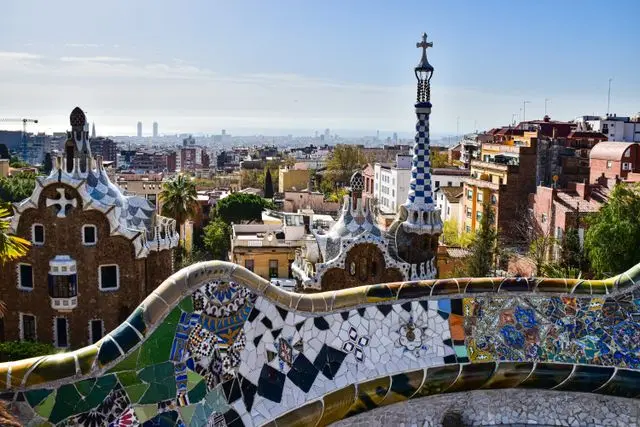
Head up to Park Guell for your pre-booked slot. The mosaic terrace and the famous salamander fountain are the most photographed spots, but the park is large enough that quieter paths through the gardens are easy to find even when the main terrace is crowded. Sunset here, weather permitting, offers a good view back down over the city toward the sea, though the free areas of the park stay open later than the monumental core, so you can linger even after your ticketed entry window has passed.
Getting up to the park takes a bit of planning too. The closest metro stops still involve a 15 to 20 minute uphill walk, so factor that into your timing, or take one of the local buses that runs closer to the main entrance if the climb feels like a lot after a full day of sightseeing.
Day 3: Beaches, Montjuic and Local Culture
Your final day shifts pace, mixing outdoor time with a look at Barcelona's Olympic and artistic side. This is a good day to move at whatever speed feels right after two fuller days of walking.
Morning: Barceloneta Beach
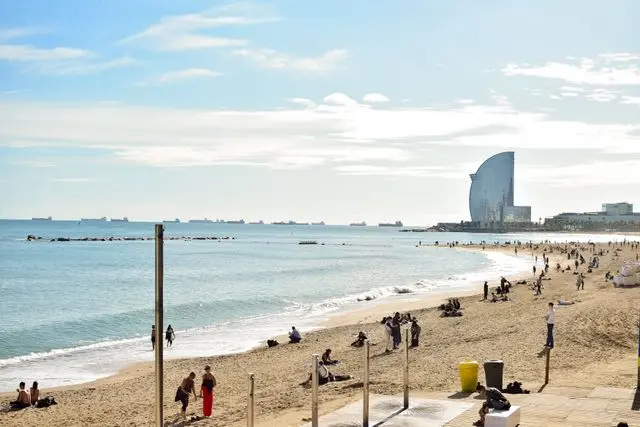
Spend the morning at Barceloneta, the closest beach to the city center. It gets busy by midday in summer, so an early walk along the boardwalk or a swim before the crowds arrive is the better move. Grab breakfast at one of the beachfront chiringuitos (casual beach bars) rather than a sit-down restaurant if you want to keep moving.
Midday: Montjuic Hill
Take the cable car or metro up to Montjuic, a hill that hosted much of the 1992 Olympics and now holds several of the city's best museums alongside genuinely great views. The Museu Nacional d'Art de Catalunya (MNAC) is worth at least an hour if you have any interest in Romanesque or Catalan art, and the building itself, a former palace, is a sight on its own.
Afternoon: Magic Fountain and Poble Sec
Wind down in Poble Sec, a neighborhood known for casual pintxo bars where dishes are priced by the toothpick. If your visit lines up with a show night (typically Thursday through Sunday evenings, though schedules shift seasonally), the Magic Fountain of Montjuic puts on a free light and water display worth timing your evening around. It's a fitting close to the trip, since the fountain sits right below the same hill where you spent your afternoon, and the walk down from the museums lines up naturally with the evening show times.
Getting Around Barcelona
Barcelona's public transport system is dense enough that a car is more of a liability than a help for a short visit. The metro covers most tourist areas directly, and walking fills in the gaps well since the old city and Eixample are both compact and pedestrian-friendly.
- From the airport: Metro line L9 Sud runs directly from both terminals into the city, taking roughly 30 to 40 minutes to central stations. The Aerobus shuttle is a faster alternative to Plaça Catalunya at around 7.45 euros one way, while a taxi typically runs 25 to 35 euros.
- Within the city: a T-Casual card covers ten rides on metro, bus and tram and is shareable between travel companions, which usually beats buying single tickets separately.
- Walking: the Gothic Quarter, El Born and much of Eixample are best explored on foot, both for pace and because many small streets aren't practical for vehicles anyway.
- Taxis and rideshare: official taxis are metered and reliable; note that some rideshare apps have had limited or inconsistent availability in the city, so a taxi is often the more dependable backup option.
Where to Eat: Food You Shouldn't Miss
Catalan food deserves its own itinerary, but a few categories are worth prioritizing on a short trip. Meals in Barcelona also run later than in much of Europe, with dinner often starting closer to 9pm, so adjust your schedule or expect quieter restaurants if you eat earlier.
- Pa amb tomaquet: bread rubbed with tomato and olive oil, served as a base with nearly every tapas order.
- Fresh seafood: paella and fideua (a similar dish made with noodles instead of rice) are best near Barceloneta, though tourist-trap versions are common, so look for restaurants with a mostly local crowd.
- Vermouth hour: locals gather for vermut, a fortified wine served with olives and small bites, typically before lunch on weekends.
- Market food: Boqueria Market and the smaller, less crowded Mercat de Sant Antoni both offer a faster, cheaper way to sample local ingredients than a sit-down meal.
- Churros con chocolate: a good option for an early breakfast or a late-night snack after a long dinner.
Practical Tips for First-Time Visitors
A handful of small details make a real difference to how smooth your three days feel, especially since Barcelona draws heavy tourist traffic year-round.
- Watch your belongings closely on La Rambla, the metro, and around major attractions, where pickpocketing is a known, well-documented issue rather than a rare occurrence.
- Book Sagrada Familia and Park Guell well in advance, particularly given the extra visitor interest tied to 2026 being Gaudi's centenary year.
- Many smaller shops and some restaurants still close for a few hours in the early afternoon, so don't assume everything stays open straight through the day.
- Tipping isn't expected the way it is in the US; rounding up or leaving small change is generally enough.
- Comfortable shoes matter more than anything else you pack, since this itinerary involves a lot of walking on uneven, centuries-old streets.
Conclusion
Three days won't show you everything Barcelona has to offer, but this itinerary covers the sights that make the city genuinely distinctive: Gaudi's architecture, the layered history of the Gothic Quarter, and the easy mix of beach and city life that few other European destinations manage as naturally. Book your major tickets early, wear shoes you trust, and leave a little room in each day for the unplanned detour, since some of the best parts of Barcelona show up between the stops on any list.
Frequently Asked Questions
How many days do you really need for a first visit to Barcelona? +
Three days is enough to see the major highlights comfortably, including Sagrada Familia, Park Guell, the Gothic Quarter and a beach morning, though five days allows for day trips to nearby towns like Girona or Montserrat.
Do I need to book Sagrada Familia tickets in advance? +
Yes, tickets are timed entry and frequently sell out, especially in 2026 during Gaudi's centenary year, so booking at least a week or two ahead is strongly recommended.
Is Barcelona walkable, or should I rely on taxis and the metro? +
The Gothic Quarter, El Born and Eixample are all very walkable, but the metro is useful for longer hops like getting to Park Guell or Montjuic, and a T-Casual transit card makes switching between walking and riding easy.
What is the best time of year to visit Barcelona? +
Late spring and early fall bring warm, comfortable weather without the intense heat and heavier crowds of peak summer, making May, June, September and October the most balanced months.
Is Barcelona safe for tourists? +
Barcelona is generally safe, but pickpocketing is a real and common issue in crowded tourist areas like La Rambla and the metro, so keeping bags zipped and valuables out of back pockets is a sensible precaution.
How much should I budget per day as a first-time visitor? +
Costs vary widely, but a moderate budget covering a paid attraction, public transport, and a mix of casual and sit-down meals typically runs higher than a strict backpacker budget and lower than a luxury trip, so it helps to price out your specific must-see attractions in advance.
Can I see Sagrada Familia and Park Guell on the same day? +
Yes, and this itinerary schedules them together on day two, but leave enough travel time between timed entries since both sites are a meaningful distance apart across the city.
What should I wear to visit Barcelona's churches? +
Shoulders should be covered for Sagrada Familia and other major churches, so pack at least one layer or scarf even if you're visiting in warm weather.
