Table of Contents
Introduction to Munich
Munich has a reputation problem, in the sense that most people think of it as beer halls and Oktoberfest and stop there. Spend a few days in the city and you realize that's maybe a third of the picture. Munich is also a genuinely wealthy, well-run German city with world-class art museums, a royal palace complex that rivals anything in France, a massive green park where people surf on a man-made river wave, and an old town that somehow survived heavy wartime bombing well enough to still feel medieval in places.
It's also an easy city to like as a visitor. The public transport is efficient, most major sights sit within a compact core or a short train ride away, and there's a rhythm to how Munich does things, work hard, then sit outside with a liter of beer and stop worrying about anything, that's hard not to enjoy once you settle into it. This guide covers the attractions worth prioritizing, along with the practical details that make the visit smoother.
Marienplatz and the Old Town
Marienplatz is Munich's central square and the natural starting point for exploring the old town. It's dominated by the New Town Hall, a neo-Gothic building finished in 1908 that looks considerably older than it is, thanks to its elaborate facade and the Rathaus-Glockenspiel, a mechanical clock show that plays out with rotating figurines at 11am and noon daily, and also at 5pm from March through October.
Climbing the tower of St. Peter's Church, just off the square, gets you one of the better views in the city, looking straight down over Marienplatz with the Alps visible on clear days. A short walk away, the Frauenkirche, with its distinctive twin domed towers, is Munich's cathedral and free to enter, while the nearby Viktualienmarkt, a permanent food market that's been running in some form since the early 1800s, is worth a slow wander for fresh produce, cheese, and a beer garden tucked in the middle of the stalls.
Odeonsplatz and the Residenz
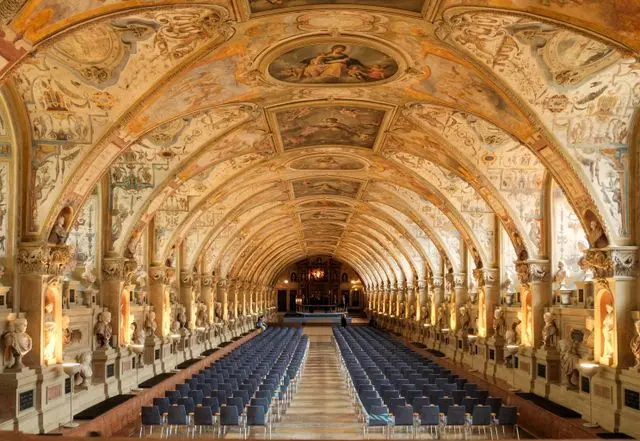
A few minutes north, Odeonsplatz opens up into a grand square flanked by the Feldherrnhalle monument, and just beyond it sits the Munich Residenz, the former royal palace of the Wittelsbach family. It's a sprawling complex of over a hundred rooms open to the public, including the Antiquarium, one of the largest Renaissance halls north of the Alps, and the Cuvilliés Theatre, a small but stunning Rococo court theater.

The English Garden
The Englischer Garten is one of the largest urban parks in the world, bigger than New York's Central Park, and it's genuinely central to how Munich residents spend their free time rather than being a tourist attraction dressed up as a park. On a warm weekend, you'll find people picnicking, cycling, and lying out on the grass in numbers that make it clear this is a local institution first.
The park's most famous quirk is the Eisbach, a small artificial river wave near the southern entrance where surfers ride a standing wave year-round, including in winter, drawing a crowd of onlookers most days. Further into the park, the Chinese Tower beer garden is one of Munich's classic outdoor drinking spots, and the nearby Japanese teahouse hosts traditional tea ceremonies on select days. If you only have time for one green space in Munich, this is the one.
Nymphenburg Palace
Schloss Nymphenburg was the summer residence of the Wittelsbach rulers, and it's a serious rival to the Munich Residenz for the title of most impressive royal building in the city. The palace sits about 4 miles west of the center, easily reached by tram, and its grounds include a long central canal, sweeping gardens, and several smaller palace buildings scattered through the park.
Inside, the main draw is the Gallery of Beauties, a room of 36 portraits commissioned by King Ludwig I depicting women he found remarkable, ranging from nobility to a shoemaker's daughter. Tickets for the main palace run around €8 to €9, with combination tickets covering the Marstallmuseum's carriage collection and the Nymphenburg Porcelain Museum priced a bit higher. The satellite pavilions in the park, including the Amalienburg hunting lodge with its ornate Hall of Mirrors, only open from April through mid-October, so check seasonal hours if visiting outside summer.

The Deutsches Museum
The Deutsches Museum is the largest science and technology museum in the world, spread across an island on the Isar River with dozens of exhibition halls covering everything from the history of aviation to chemistry, mining, and musical instruments. Standard adult admission runs around €15, and it's easy to lose half a day here without meaning to.
What sets it apart from a typical science museum is the sheer density of genuinely significant original objects on display, including some of the earliest cars and telephones ever built. It's a strong pick for families and for travelers who want an indoor activity on a rainy Munich day, of which there are more than you'd expect even in summer.
Beer Halls and Beer Gardens
You can't write about Munich without covering this properly, and it's worth doing right rather than just ticking a box. Hofbräuhaus is the most famous beer hall in the city, operating in some form since the late 1500s, and while it's undeniably full of tourists, it's not a manufactured experience, it's a genuinely old institution that happens to also be popular with visitors.
For a more local feel, Munich's beer gardens are where residents actually spend their evenings. The Chinese Tower garden in the English Garden and the Augustiner-Keller near the main train station are both classic choices, with the tradition of bringing your own food to eat alongside a purchased beer still alive at many of the more traditional gardens, worth confirming with staff if you're unsure at a particular spot. A liter of beer typically runs €8 to €10, and weisswurst, a pale veal sausage traditionally eaten before noon, is the classic accompaniment at breakfast-hour beer halls.
Oktoberfest
If your visit lines up with Oktoberfest, held over roughly two weeks from mid to late September into early October, know that it transforms the city completely and hotel prices climb accordingly, often requiring booking many months ahead. Even outside the festival, the Theresienwiese grounds where it's held sit empty most of the year, a genuinely odd sight given how much energy fills the same space during the festival itself.

Museums and Art Beyond the Big Names
Munich's art scene runs deeper than most visitors realize, centered on the Kunstareal district, which clusters several major museums within walking distance of each other. The Alte Pinakothek holds one of the world's great collections of European Old Master paintings, including significant works by Dürer and Rubens, while the Neue Pinakothek next door, when open, covers 19th century art.
The Pinakothek der Moderne rounds out the trio with modern and contemporary art, design, and architecture under one roof, and the Lenbachhaus, housed in a striking yellow villa, is known for its collection of Blue Rider movement paintings by artists like Kandinsky and Klee. Many of these museums offer reduced admission on Sunday, sometimes as low as €1, which is worth checking if you're museum-hopping on a budget.
BMW Welt and the Olympic Park
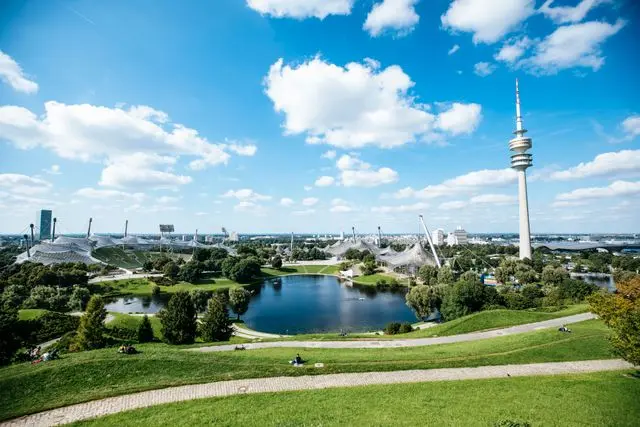
North of the center, BMW Welt and the adjoining BMW Museum sit right across from Olympic Park, and together they make for a good half-day if you have any interest in cars, design, or architecture. BMW Welt itself, a striking double-cone building that serves as the brand's delivery center and showroom, is free to enter and worth a look even if you're not picking up a new car.
Olympic Park, built for the 1972 Summer Olympics, is now a public recreation space with a distinctive tent-like roof structure covering the old stadium. You can climb the Olympic Tower for panoramic views over the city and, on clear days, the Alps in the distance, or simply walk the grounds, which feel more like a city park than a former Olympic venue.
The Dachau Memorial Site
About 30 minutes from central Munich by train, the Dachau concentration camp memorial site sits on the grounds of the first concentration camp established by the Nazi regime in 1933. It's not a comfortable visit, and it isn't meant to be, but it's widely considered one of the more important historical sites to visit in the region, with a documentation center, preserved barracks, and the original crematorium building.
Entry to the memorial grounds is free, though an audio guide is available for a small fee and adds significant context. Most visitors spend two to three hours here, and going with at least a basic understanding of the history beforehand makes the visit more meaningful. It's a heavy contrast to the beer gardens and palaces elsewhere on this list, but a trip to Munich that skips it entirely misses something important about the city's history.
Day Trips Worth Taking
Munich's location in Bavaria makes it a strong base for day trips, and the regional train network reaches most of the best options without a car.
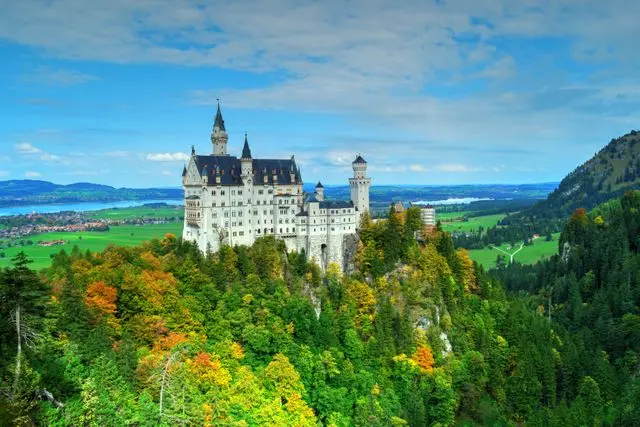
- Neuschwanstein Castle, the fairy-tale castle that inspired Disney's version, is about two hours away by train and bus combined. Entry runs around €21, and it's timed-entry only, so book ahead, especially in summer when it's one of the most visited sites in Germany.
- Dachau, as mentioned above, is close enough to combine with a half day in Munich itself rather than needing a full separate day.
- Salzburg, just across the border in Austria, is reachable in about 1.5 hours by train and makes for a full day trip covering Mozart's birthplace and the city's baroque old town.
- The Bavarian Alps and Lake Starnberg offer a quicker escape into nature, with Lake Starnberg only about 30 minutes away by train for a half-day of lakeside walking or swimming in summer.
Practical Tips for Visiting Munich
Munich's public transport, covering U-Bahn, S-Bahn, trams, and buses, is efficient and easy to use, and a day ticket is usually cheaper than buying several single fares if you're moving around a lot. Most of the old town attractions, Marienplatz, the Residenz, Viktualienmarkt, and the English Garden's southern edge, are within comfortable walking distance of each other.
If you're planning to hit several paid attractions, the Munich City Pass or Munich Card can work out cheaper than paying individually, since they typically bundle public transport with entry to dozens of museums and sights, including Nymphenburg Palace and the Deutsches Museum. Do the math on which specific sites you actually want to see before buying one, since the value depends heavily on how many paid attractions you're planning to visit.
Weather and Timing
Munich has genuinely unpredictable weather even in summer, with rain showers common, so pack a light rain jacket regardless of season. Spring and early fall tend to offer the best balance of mild weather and manageable crowds, while summer is peak season for both tourists and locals enjoying the beer gardens and the English Garden.
Money and Everyday Basics
Germany still runs more on cash than many visitors expect, and some smaller beer gardens, market stalls, and older establishments don't accept cards at all, so carry euros. Tipping around 5 to 10 percent for good restaurant service is standard, usually rounded up rather than calculated precisely, and it's typically handed directly to the server rather than left on the table.
Frequently Asked Questions
How many days do I need in Munich? +
Three to four days covers the main attractions comfortably, including Marienplatz and the old town, the English Garden, one of the two big palaces, and a day trip to either Neuschwanstein or Dachau. Two days works if you're only doing the essentials in the city itself.
Is Munich expensive to visit? +
Munich is on the pricier side for a German city, especially around Oktoberfest when hotel rates spike significantly. That said, many of its best attractions, including Marienplatz, the English Garden, and the Viktualienmarkt, are free or very low cost, which helps balance the budget.
Do I need to book Neuschwanstein Castle tickets in advance? +
Yes, especially in summer. It's one of the most visited sites in Germany, operates on timed entry, and tickets can sell out days ahead during peak season, so book online before you travel rather than planning to buy on arrival.
Is Dachau worth visiting? +
Most travelers find it a heavy but important visit, and it's easy to combine with a half day in Munich since it's only about 30 minutes away by train. Entry to the memorial grounds is free, though the audio guide adds useful context.
What's the best area to stay in Munich? +
The old town around Marienplatz puts you within walking distance of most major sights, though it's pricier. Neighborhoods like Schwabing, near the English Garden, or Haidhausen offer a more local feel with good transport connections to the center.
Is Munich walkable, or will I need public transport? +
The old town core is very walkable, but Munich is a larger city overall, so you'll want public transport to reach Nymphenburg Palace, BMW Welt, and the Olympic Park, all of which sit outside easy walking distance from the center.
When is the best time to visit Munich? +
Late spring and early fall offer the most comfortable weather and smaller crowds than peak summer. If Oktoberfest interests you, plan for mid to late September and book accommodation many months ahead, since prices and demand rise sharply during the festival.
Is the Munich City Pass worth buying? +
It depends on how many paid attractions you're planning to visit. If you're covering several museums and palaces plus using public transport regularly, it can save money. For a lighter, more selective visit, individual tickets to just the sites you care about are often cheaper.
Can I visit Munich's beer gardens without ordering food? +
Yes, most beer gardens are fine with you just buying a beer, and many traditional ones still allow you to bring your own food to eat at the tables, though it's worth confirming with staff since policies vary by location.