
Table of Contents
Introduction
Bucharest is a city of contrasts. Elegant Belle Epoque townhouses stand beside concrete blocks from the communist era, and a medieval courtyard may sit a few steps from a buzzing rooftop bar. In the early twentieth century it earned the nickname "Little Paris" for its boulevards and French-inspired architecture, and traces of that charm are still easy to find.
This guide covers the sights most worth your time, activities for different travel styles, the dishes and traditions that define local life, and the practical details that help a first visit go smoothly.
Why Visit Bucharest
Bucharest is energetic, affordable and full of surprises. It does not always present itself as a polished postcard city, and that is part of the appeal. Visitors who give it a couple of days tend to leave with a clear sense of how Romania has changed across the last century.
A few reasons to put it on your list:
- Architecture that ranges from ornate neoclassical halls to monumental communist-era buildings
- A historic Old Town packed with cafes, bars, bookshops and live music
- Large green spaces, including lakeside parks and an open-air village museum
- Hearty, flavourful food at prices that are often lower than in much of western Europe
- A convenient base for trips to Transylvania and the Carpathian mountains

Best Places to Visit in Bucharest
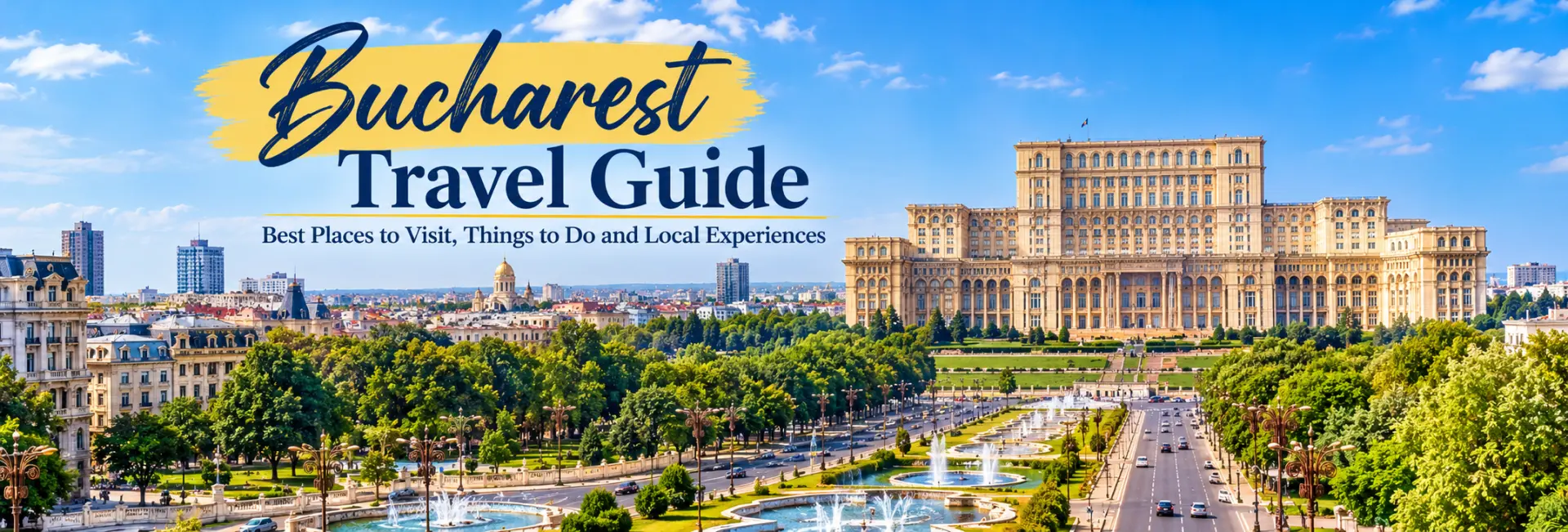
Palace of Parliament
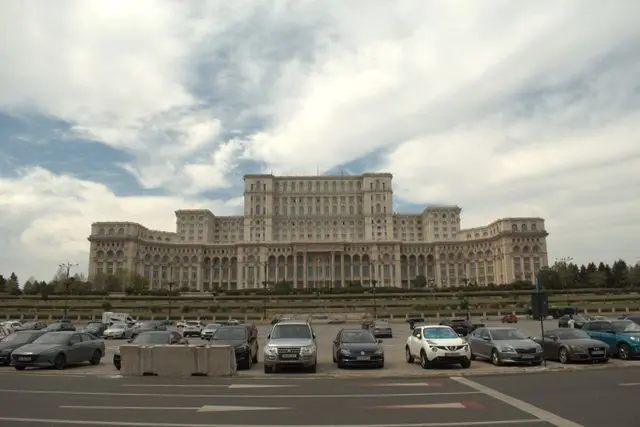
This vast building, begun under Nicolae Ceausescu in the 1980s, is among the largest and heaviest administrative buildings in the world. It is visited on guided tours that take you through grand halls, marble staircases and enormous chandeliers. Tours need advance booking, and visitors must carry a passport or an EU identity card, because a driving licence is not accepted. The building can also close on public holidays or during official events.
Old Town (Lipscani)
The Old Town is the social heart of Bucharest, a network of pedestrian lanes with restaurants, bars and historic buildings. Manuc's Inn, dating from the early nineteenth century, is a landmark courtyard inn that still welcomes diners. Close by, the remains of the Old Princely Court recall the medieval rulers of Wallachia, including the figure linked to the Dracula legend.
Stavropoleos Monastery
Tucked away among Old Town streets, this small eighteenth-century church has an intimate courtyard, carved stonework and a calm atmosphere. It is a welcome pause from the busy bars nearby. Dress modestly and keep voices low when visiting.
Calea Victoriei
This historic avenue links many of the city's finest buildings, including the former Royal Palace, now home to the National Museum of Art. Along the way you will pass the CEC Palace, with its glass dome, and Casa Capsa, a long-running cafe and patisserie. Walking the full length is one of the best ways to see Bucharest's layered personality.
Romanian Athenaeum
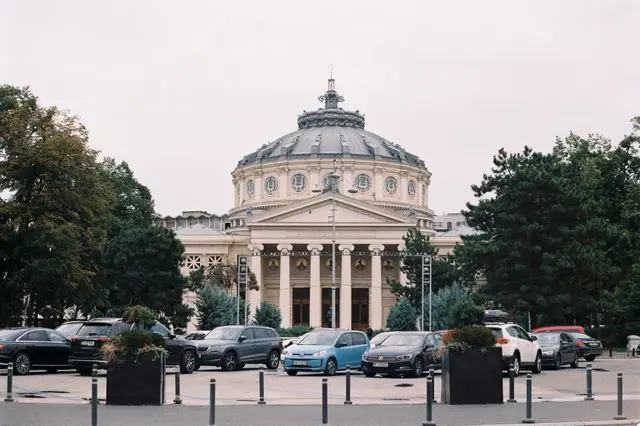
The Romanian Athenaeum is a round concert hall opened in the late nineteenth century and adorned with a long fresco depicting scenes from Romanian history. Even if you are not attending a concert, you can often tour the interior. It is the home of the national philharmonic and a centrepiece of the city's classical music scene.
Revolution Square
This plaza was the centre of the events that toppled the communist government in December 1989. A memorial and nearby buildings still carry reminders of those days. Around the square you will also find museums and the neoclassical Athenee Palace hotel, long known for its role in the city's political history.
Herastrau Park and the Village Museum
Herastrau Park surrounds a large lake and offers paths for walking, cycling and boating. Inside the park, the Village Museum is an open-air collection of traditional houses, churches and farmsteads brought from regions across Romania. It gives a quick but vivid look at rural life beyond the capital.
Arcul de Triumf and Cismigiu Gardens
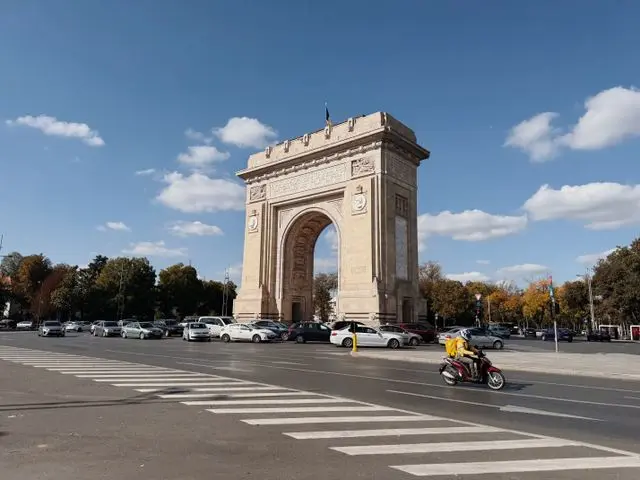
The Triumphal Arch, inspired by the one in Paris, was completed in the 1930s to commemorate Romanian independence and unity. For a gentler outing, Cismigiu Gardens, one of the city's oldest public parks, offers shaded paths, a small lake and regular chess games among the benches.
Things to Do in Bucharest
Beyond the headline sights, Bucharest offers plenty of ways to fill your days:
- Join a walking tour of the Old Town and Calea Victoriei to understand how the city has changed
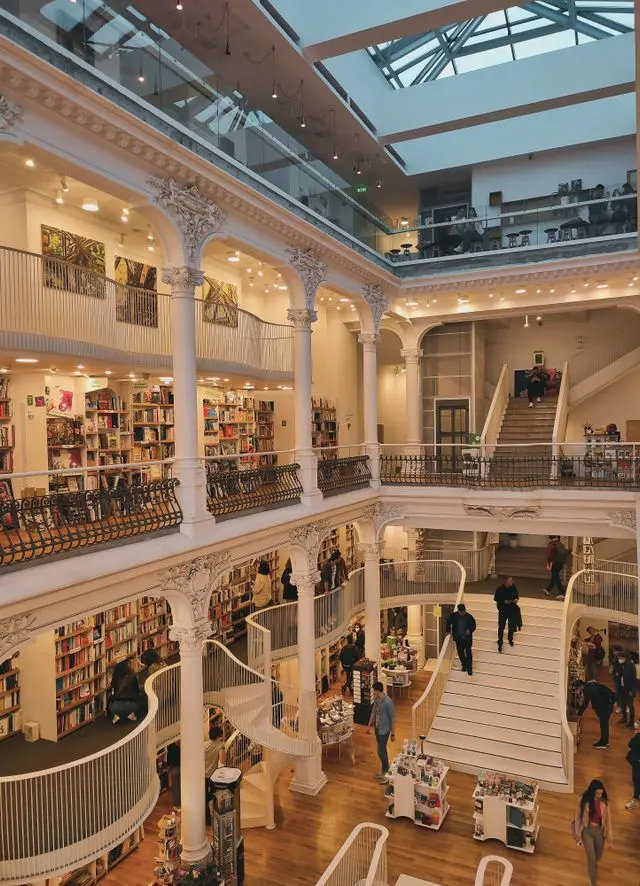
- Browse the multi-level bookshop in a restored nineteenth-century building in Lipscani
- Visit museums covering national history, village life, contemporary art and natural science
- Take a stroll or rent a bike at Herastrau Park and enjoy the lakeside cafes
- Explore the glass-roofed arcades and hidden courtyards of the Old Town
- Catch a concert, opera or theatre performance at one of the city's historic venues
- Try a rooftop bar or live music venue for a night out
- Tour the Palace of Parliament to see its enormous scale up close
Some visitors choose a city card or a guided pass for entry to museums and sights. Compare the included attractions with your own list before buying, and confirm current details on official sites.

Local Experiences and Food
Traditional Dishes
Romanian cooking is hearty and comforting. Sarmale, cabbage leaves stuffed with minced meat and rice, are usually served with polenta, known as mamaliga, and a spoonful of sour cream. Mici, grilled minced-meat rolls served with mustard and bread, are a classic at casual restaurants and beer gardens.
Soups and Sweets
Ciorba, a family of tangy soups, appears on nearly every menu, with tripe soup and meatball soup among the favourites. For dessert, try papanasi, fried cheese doughnuts topped with sour cream and berry jam, or cozonac, a sweet braided bread filled with walnut or cocoa that is especially popular around holidays.
Drinks and Dining Spots
Tuica and palinca, strong plum brandies, are the traditional spirits, often served as an aperitif. Romania also produces wines from local grapes such as Feteasca Neagra and Feteasca Alba. Caru' cu Bere, a historic beer hall with ornate interiors dating to the late nineteenth century, is a popular place to try both food and drink in a grand setting.
Customs and Everyday Culture
On 1 March, people exchange small red and white tokens called martisoare to welcome spring. Romanian is a Romance language, so visitors with some knowledge of Italian, French or Spanish may recognise many words. Hospitality is a point of pride, and being invited to share food or a drink is common.
Best Day Trips from Bucharest
Bucharest works well as a base for excursions, especially to the Carpathian foothills and Transylvania.
- Sinaia and Peles Castle, about two hours north by train, feature a richly decorated neo-Renaissance royal residence set among forested mountains
- Brasov, roughly two and a half to three hours away, has a Gothic Black Church, a medieval centre and mountain views
- Bran Castle, near Brasov, is popularly linked to the Dracula legend, although its real historical connection is limited
- Snagov, north of the city, is known for its lake and island monastery
- Mogosoaia Palace, just outside Bucharest, is a lakeside palace in the distinctive Brancovenesc style
Travel times and opening days change, so confirm timetables and schedules before heading out.

Best Time to Visit Bucharest
Spring
April to June is a lovely time for walking, with mild weather, blooming parks and terraces opening across the city.
Summer
Summers are hot and sometimes very hot, but evenings are lively and the city hosts festivals and outdoor events. Plan indoor visits for the afternoon and sightseeing for early or late in the day.
Autumn
September and October bring pleasant temperatures and colourful parks. Classical music fans may also find a major international festival held every two years in the late summer and early autumn.
Winter
Winters are cold and sometimes snowy. Christmas markets and festive lights add charm, and cosy cafes and museums make good refuges from the chill.
Getting Around and Where to Stay
The Old Town and parts of Calea Victoriei are walkable, but Bucharest is a large city. The metro is the quickest way to cover longer distances, and trams, buses and trolleybuses fill in the gaps. Ride-hailing apps and licensed taxis are widely used, and you can reach the airport by a rail link or express bus.
Staying near the Old Town or Calea Victoriei places you in the middle of the action, though it can be noisy at night. Areas close to Cismigiu Gardens and Piata Romana offer a quieter, more residential feel with good transport links.
Practical Tips for First-Time Visitors
- Romania uses the leu rather than the euro, and cards are widely accepted, so choose to pay in lei if a terminal offers a conversion
- Carry a passport or EU identity card for the Palace of Parliament, and book ahead
- English is widely spoken among younger people and in hospitality
- Pavements can be uneven and traffic can be heavy, so cross carefully and use pedestrian crossings
- Use licensed taxis or ride-hailing apps rather than unmarked cars
- Opening hours, ticket rules and transport fares change, so confirm details close to your travel date
- Bucharest is generally safe, but watch for pickpockets in crowded areas, on public transport and around busy stations
Conclusion
Bucharest rewards visitors who approach it with curiosity. It combines grand architecture, thoughtful museums, lively streets and generous food in a way that feels distinctly its own. The city may not hand you its best moments, but they are rarely far away.
Take time to wander the Old Town, taste the local dishes and consider a day trip to the Carpathians. Confirm current details before you travel, and Bucharest will make a strong impression.
Frequently Asked Questions
How many days do you need in Bucharest? +
Two days cover the Old Town, Calea Victoriei, the Palace of Parliament and one of the major parks. Three to four days leave time for museums, a relaxed pace and a day trip to Sinaia or Brasov.
Is Bucharest worth visiting? +
Yes, particularly for travellers interested in architecture, history, food and good-value city breaks. It also works well as a gateway to Transylvania and the mountains.
Is Bucharest expensive? +
It is generally cheaper than many western European capitals, especially for meals, coffee and local transport. Prices in the Old Town can be higher than in residential neighbourhoods.
What currency is used in Bucharest? +
Romania uses the leu, not the euro. Cards are widely accepted, but carry a little cash for small shops and markets.
Do I need a passport to visit the Palace of Parliament? +
Visitors need a passport or an EU identity card, and a driving licence is not accepted. Tours generally need to be reserved in advance, so check the current booking process.
What is the best time of year to visit? +
Spring and early autumn offer the most comfortable weather for walking. Summer can be very hot, and winter is cold but festive.
What local food should I try? +
Sarmale, mici, ciorba and papanasi are good first choices. Pair them with a glass of local wine or a small measure of tuica.